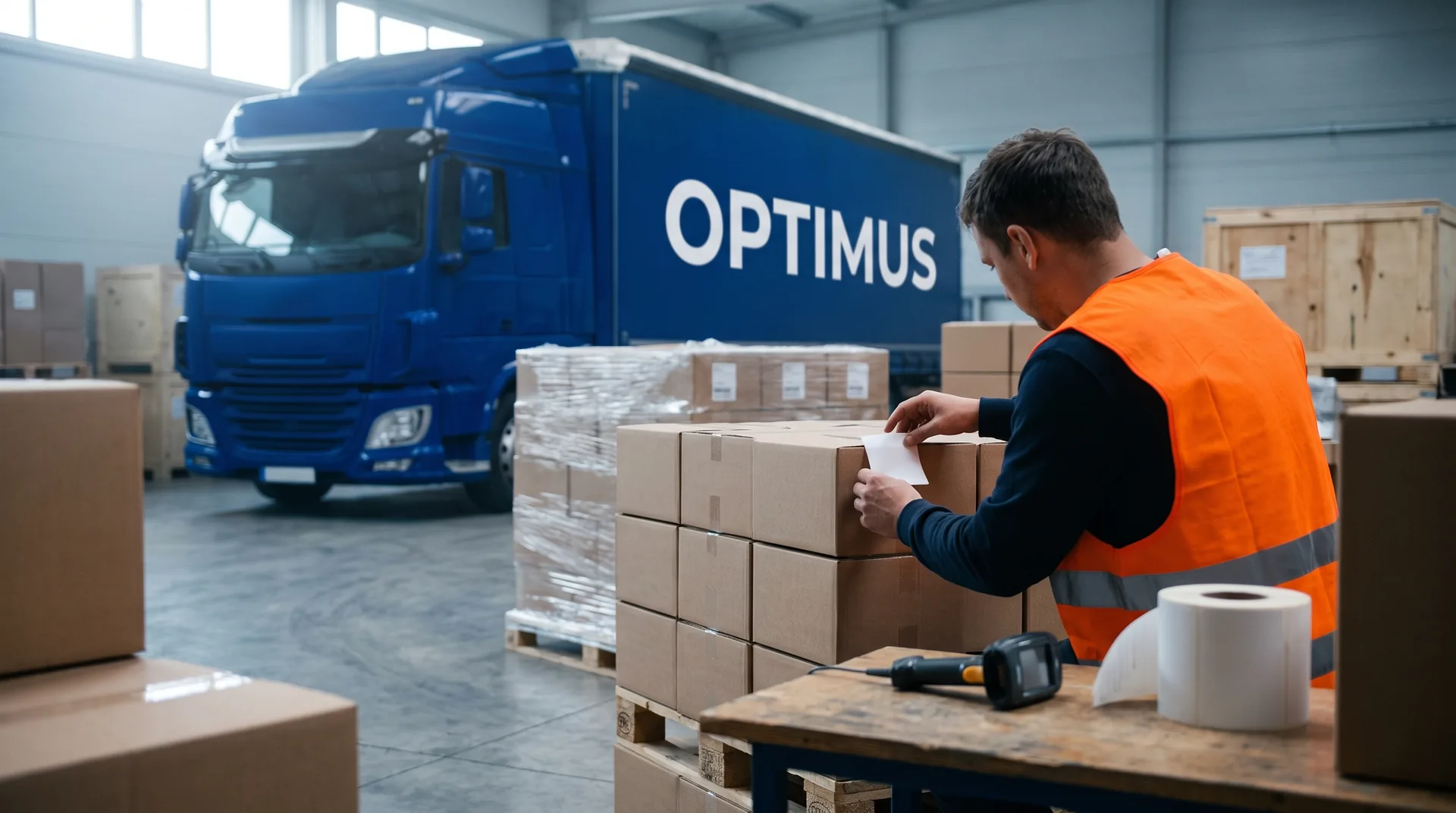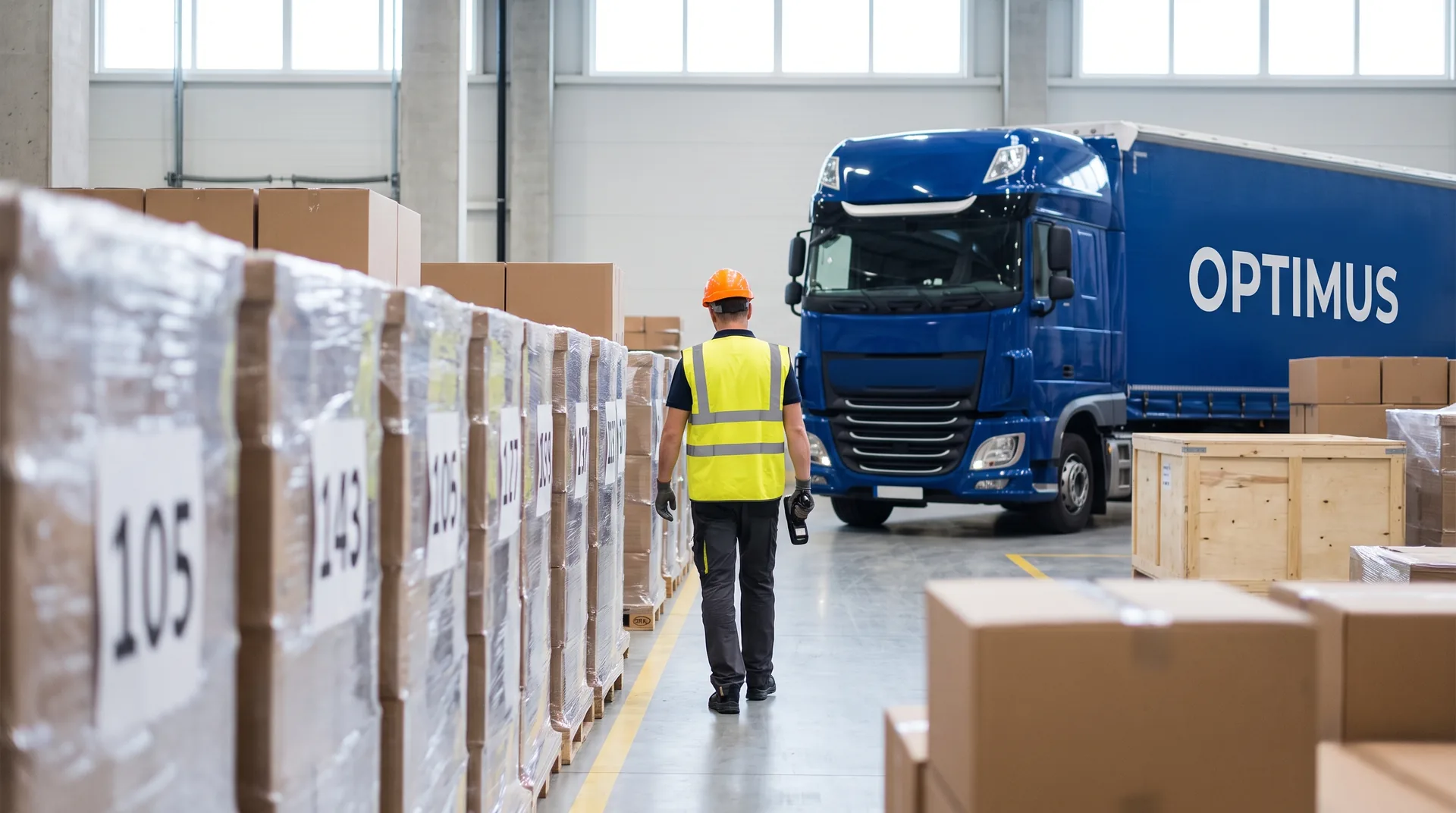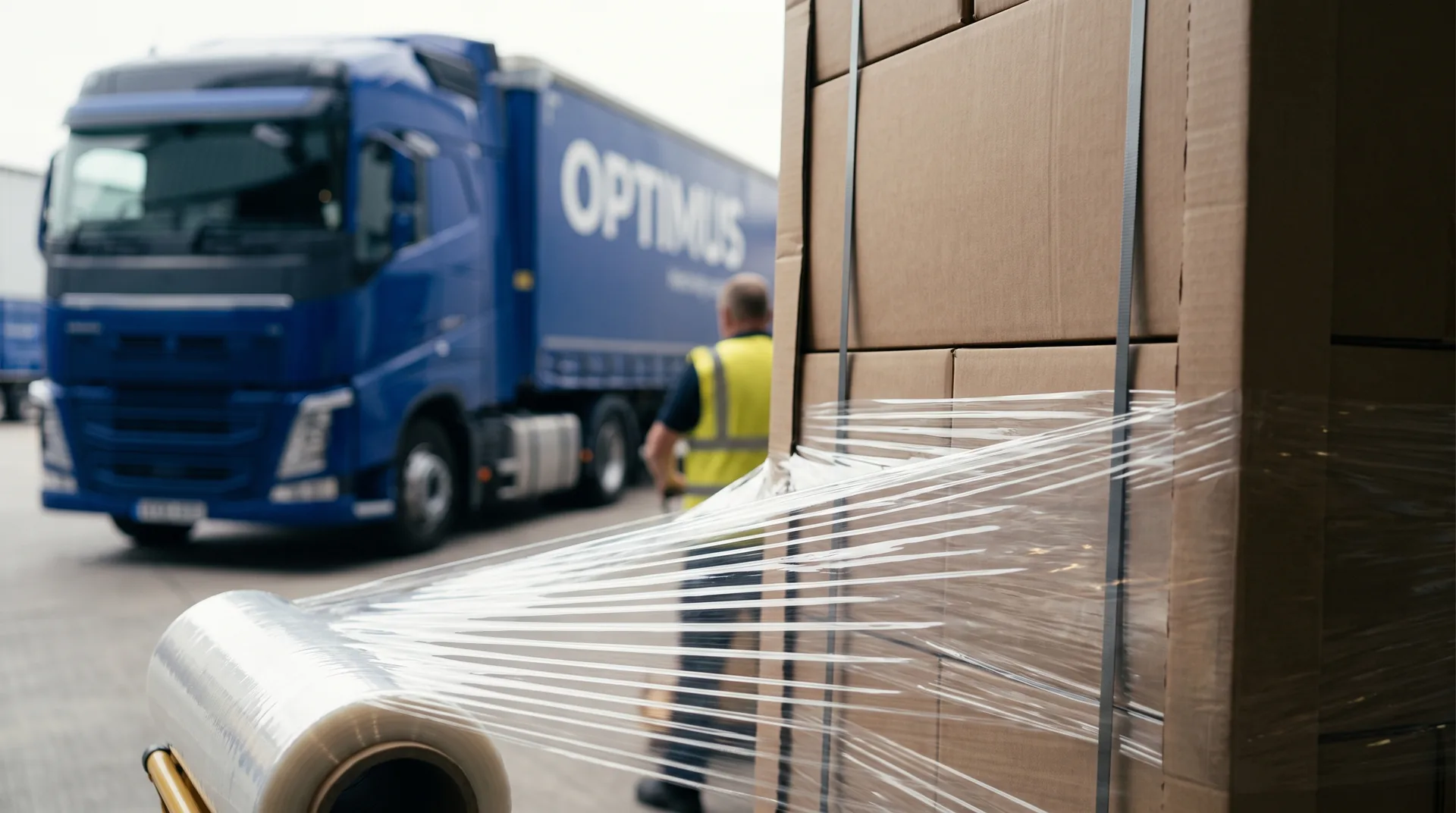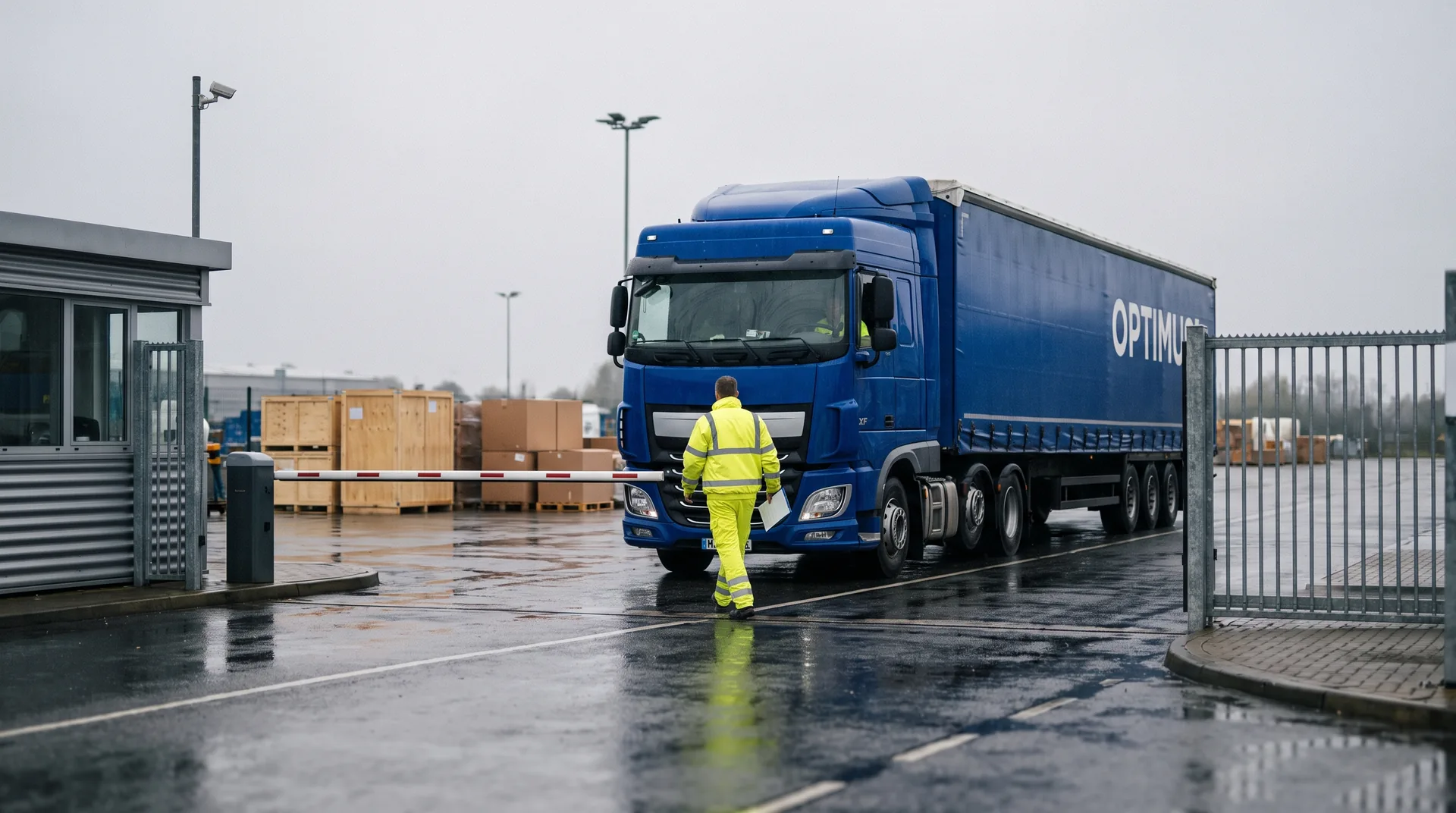
A refusal at an Amazon warehouse happens at one of five points: at check-in, in the yard, at the dock, during pallet scanning, or after unloading as a discrepancy in the system. Which stage you stopped at decides everything that follows: how much time you have, what the driver can fix without leaving, and whether part of the delivery can still be taken.
The usual causes of a rejection and the full recovery plan are set out in a separate article on a rejected Amazon FBA delivery. This one deals with something different: where in the receiving process the delivery stops, and what moves actually remain at each of those points.
Five points where a delivery can stop
- Check-in. The vehicle is not in the receiving calendar, or the booking details do not match what turned up. This is the earliest stop and the cheapest, because nothing has been touched yet.
- The yard. The vehicle is in but gets no dock, because the delivery no longer fits the window or the unit count does not agree. Time starts running here, and nobody counts it as waiting until it turns into hours.
- The dock. Pallets go to the ramp and the physical condition shows: overhang beyond the footprint, a leaning layer, a broken pallet, torn film. Some of that is caught before anything comes off the vehicle.
- Scanning. The pallet is on the ramp but the code will not read, or it points to a different shipment than the one announced. This is the stage where a decision most often covers the whole delivery rather than one unit.
- After unloading. The vehicle has gone and the difference surfaces in the seller account as the goods are entered. There is nothing left to carry here, only documentation or the absence of it.
What the driver can fix on site, and what he cannot
The real scope is narrower than intuition suggests. A driver can hand over documents that were not found in the system, correct how the load sits on the trailer, add a strap or film if he carries them, and wait for the warehouse to clarify. He cannot move goods between pallets in the yard, print new labels or decide to split the delivery. That is not a matter of goodwill but of site rules and safety: handling a load outside a designated area is normally simply prohibited.
From that follows a plain operating rule. Anything that needs hands on the pallet has to happen earlier, in a warehouse. What such a correction looks like on the British side is described in the article on pallet preparation in Milton Keynes.
Partial acceptance
Sometimes the warehouse takes part of the pallets and turns the rest away. For the shipper that is worse than a full refusal, because the delivery stops being one whole: some goods are already past the ramp and booked against the shipment, some go back on the vehicle, and the transport documents describe the complete consignment. If nobody records the split at the moment it happens, working out later what was actually received rests entirely on the warehouse records.
So on a partial acceptance we insist on three things: the numbers of the pallets that stayed, the numbers of the pallets that came back, and an annotation on the consignment note signed on the spot. How units are numbered for this purpose is covered in the article on marking and numbering pallets in a multi-pallet shipment.
The time budget, or why hesitating costs most
Each of the five stages leaves a different amount of time, and it only shrinks. At check-in a phone call is sometimes enough and the vehicle goes in. At the dock the decision has to land within tens of minutes, because you are blocking a bay. Once the vehicle is off site, all that remains is choosing where the goods go. The most expensive scenario is the one where the vehicle stands still while the parties argue about fault. The order is the other way round: goods somewhere safe first, settlement afterwards. How waiting time and a second delivery attempt are charged is collected in the article on delivery non-compliance charges.
What we record and why
At every stop we record the stage, the time, what was said, the name of whoever said it where that is available, and photographs of the pallets from the side and from above. Without the stage and the time it is impossible to reconstruct afterwards whether the problem arose in transport or in how the goods were prepared. What the driver takes away from the site is described in the article on delivery paperwork and proof of receipt. Where the cause was lateness rather than the condition of the goods, the path is different and is set out in the article on a missed delivery window.
The same moment seen from the driver seat, from check-in to the approach onto the dock, is covered in our article on gate check-in and yard rules at the warehouse.
Sources
- Amazon Carrier Central: appointment requests and details required at check-in
- Amazon Seller Central UK: receiving requirements and shipment status
Want a plan for each of these stages written into the order? Describe the delivery in the quote form and we will send back the procedure together with a fallback location on the British side. The channel is described on the Amazon UK deliveries page.