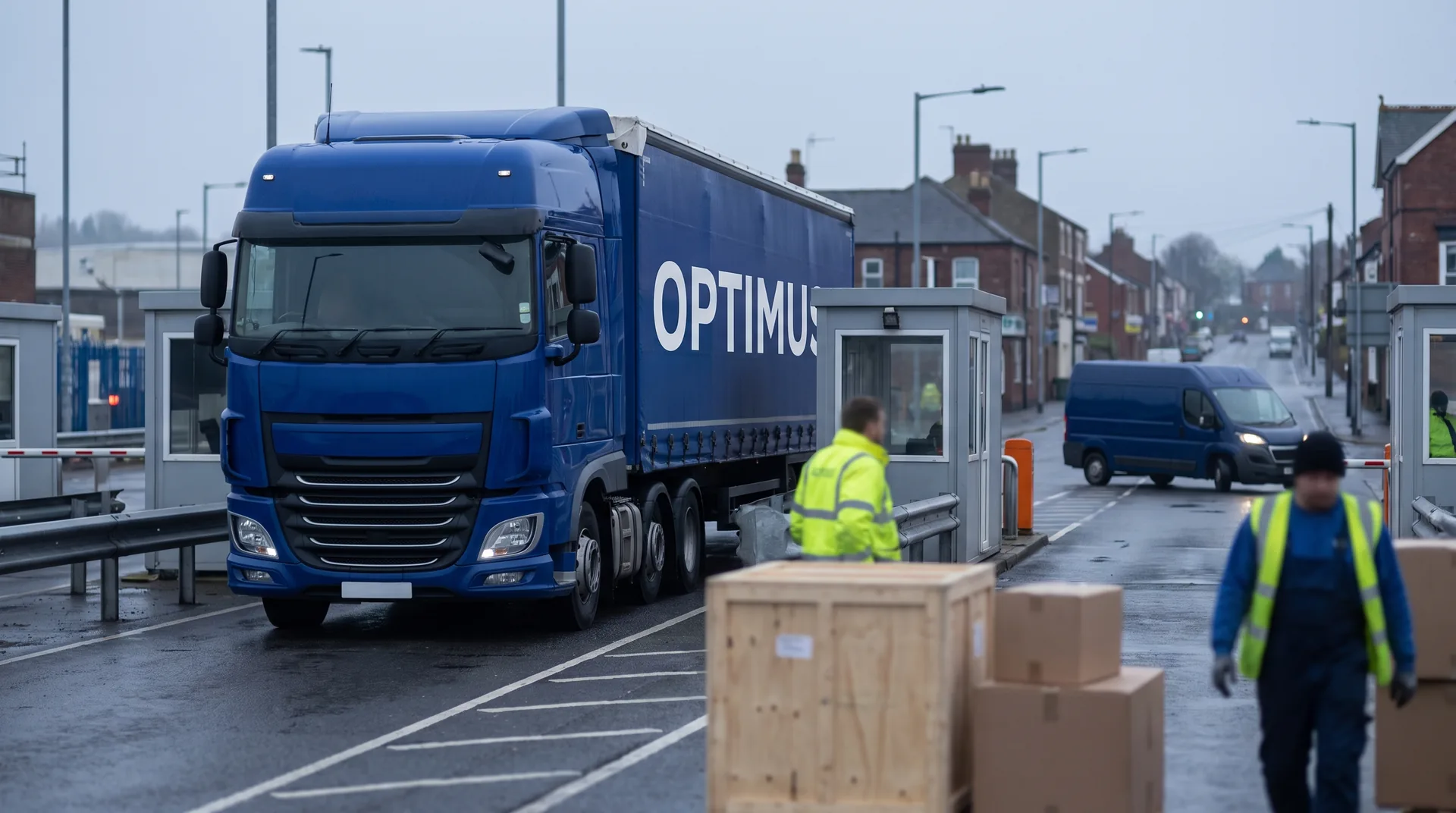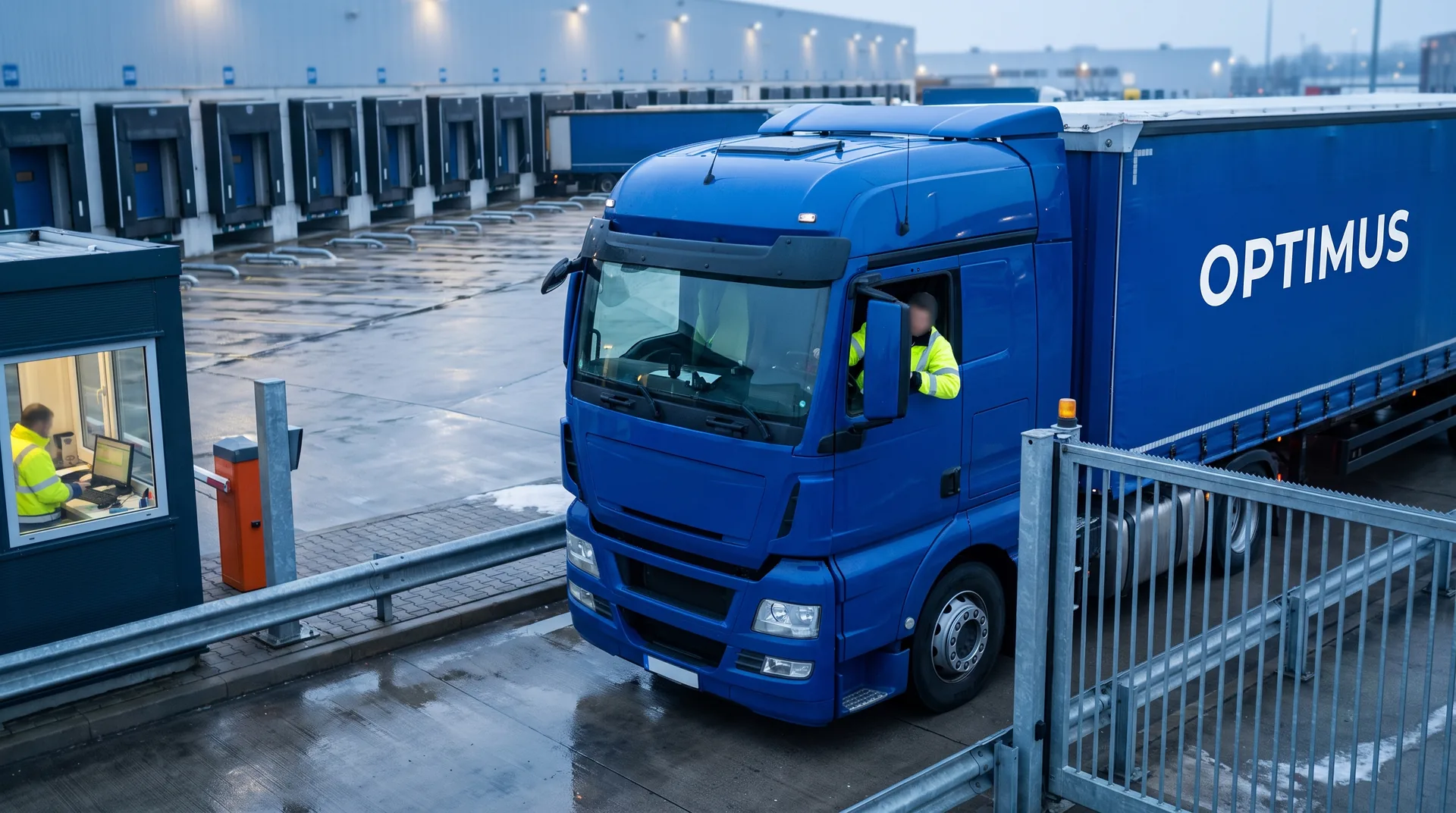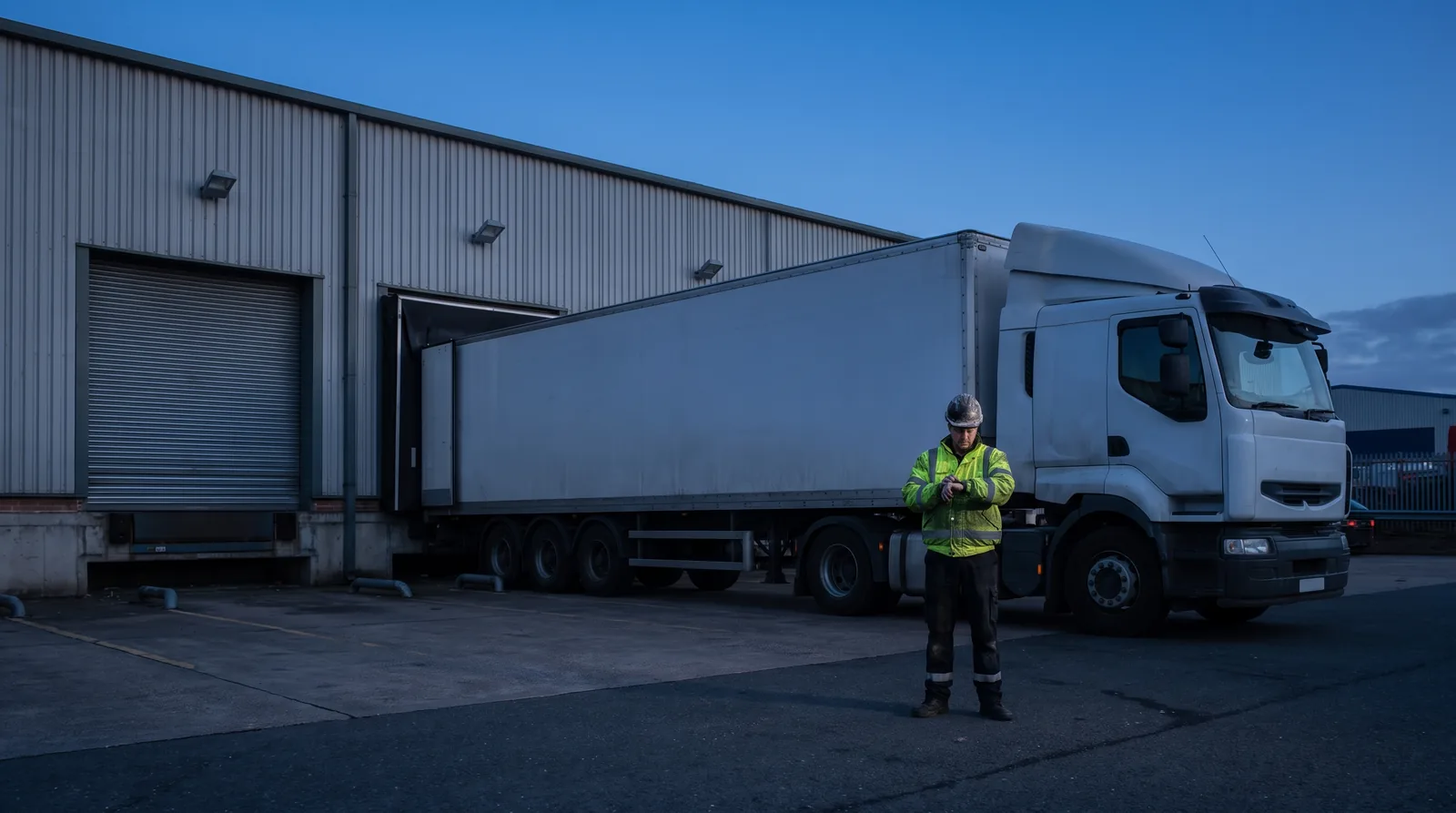
A missed Amazon delivery window means the vehicle does not get in: the site accepts deliveries only in booked slots. The plan has three steps: rebook immediately, decide where the goods wait for that date, and check that the new appointment data matches the load. Sitting outside the gate is none of them.
Why windows are lost
- Congestion and closures en route, most often before the Channel crossing.
- Slow clearance: one missing document eats the whole time buffer.
- A vehicle breakdown or exhausted driver hours.
- A late collection earlier in the chain that drags through everything after it.
- A cancelled sailing in stormy weather on the Channel.
The common factor: the slot is usually lost through no fault of the site, so the procedure for that moment has to sit on the supply side.
Step one: rebook, immediately
The new window is booked the same way as the first, in the seller portal. The catch is availability: the date depends on how busy that particular site is and on the season. Sometimes the next free slot is the following day; in the pre-Christmas peak the wait can be considerably longer. You do not control that time. You control only how quickly you book, so it is done the moment the window is lost, not after the vehicle gets back to base. How booking-in works at UK warehouses generally is covered in appointments and booking-in.
Step two: where the goods wait
A loaded trailer is the most expensive waiting room available: demurrage runs, and a driver and vehicle that should already be elsewhere are tied up. Who pays for that time depends on the contract, and we describe the mechanism in waiting time charges on UK transport. So for a longer wait we unload into our own warehouse in Milton Keynes: the pallet stands there and the vehicle goes back to work. The warehouse sits in the English Midlands on the corridor serving a large share of the country distribution sites, so re-presenting on a new slot does not mean crossing half the country again.
Step three: check before the vehicle goes again
A lost window is worth using for a check, because the second attempt has to succeed. We verify labels against the new shipment number, the condition of pallets and wrapping, height and overhang, and on split deliveries whether the pallet count matches the booking. A label from the cancelled shipment still on a pallet is a classic reason for refusal at the second attempt. The requirements are collected in Amazon UK pallet requirements.
When lateness was not the problem
If the delivery arrived inside its window but was refused, the route is different: establish the reason, fix the cause, and only then book another window. The options are set out in a rejected FBA delivery. Where the goods have nowhere to go back to, selling from a local warehouse under a merchant-fulfilled model or clearing the stock comes into play, which we cover in unsold stock in the UK.
Reducing the risk up front
We plan Amazon deliveries with slack for the border and the crossing, close customs before departure and book appointments at times that forgive a delay. For shipments tied to a hard sales date we despatch a day early rather than banking on a perfect run. That is the standard on our Amazon UK deliveries service, and the wider picture of the formalities is in deliveries to Amazon FBA.
Who carries the cost of a lost window
How it is settled depends on where the cause lay and what the contract says. If the slot was lost to a delay en route, standing time and the cost of re-presenting come into play; if it was lost to a missing document, the cost usually falls on whoever should have supplied it. So on deliveries with a hard deadline it is worth writing three things into the job: who books the window, by when the customs data is supplied, and how standing time and storage are charged. Having that conversation afterwards is always more expensive. It is also worth agreeing a time limit after which the carrier decides on its own to unload into a warehouse rather than wait, because in practice it is the delay in deciding that generates the largest cost. How waiting time is charged is covered in waiting time charges on UK transport.
Lost a window, or want a plan B written into the job? Describe the situation in our quote form and we will propose a solution including a warehouse buffer in England.