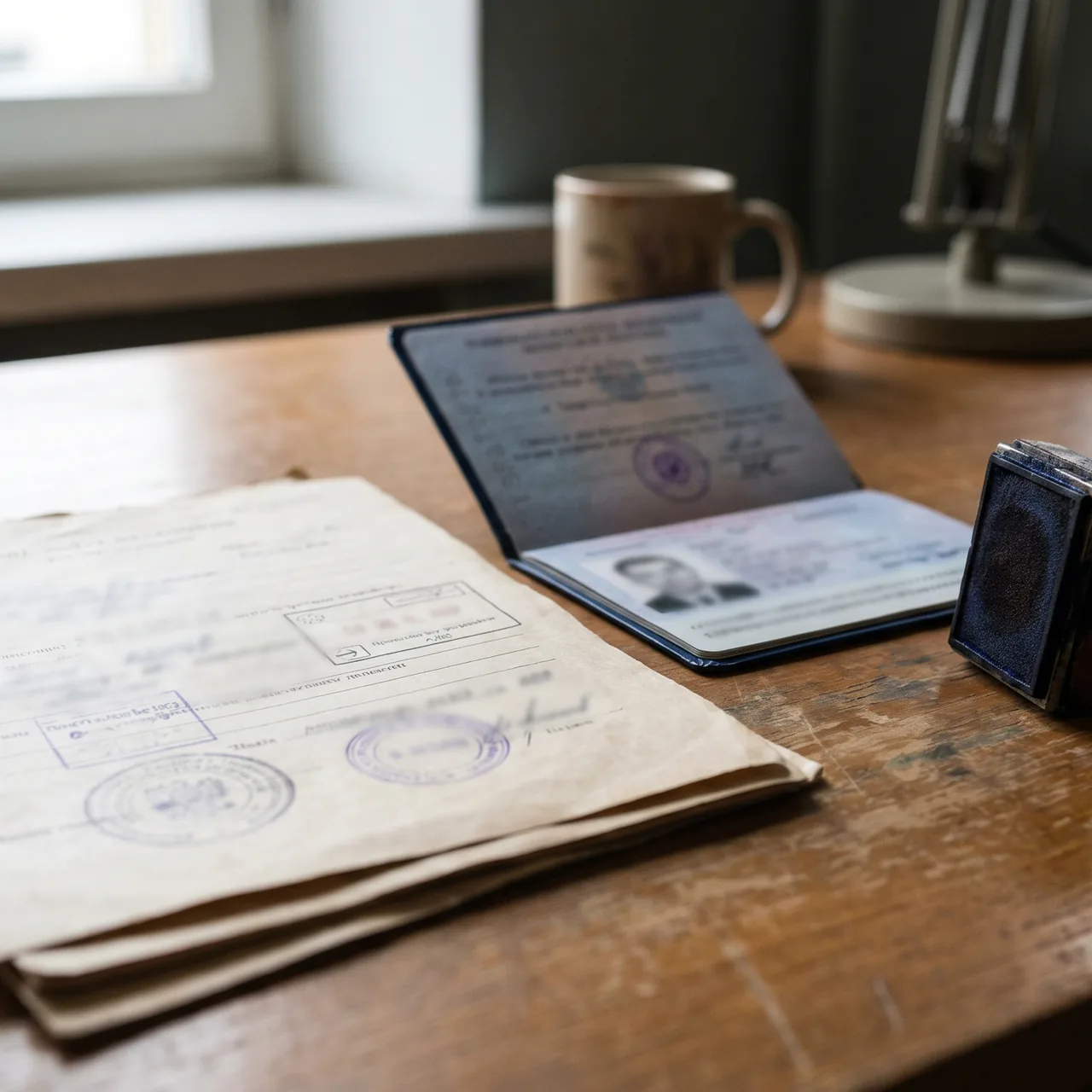
An ATA carnet is an international customs document for the temporary export of goods that return unchanged. It replaces customs declarations in the countries visited and allows goods to travel without paying duty or import VAT. It typically covers exhibition goods, professional equipment and commercial samples, and is normally valid for a year.
How the guarantee works
A carnet is not a simple certificate. It is a document backed by a guarantee issued by the chamber of commerce in the country of issue: if the goods are not re-exported or the carnet is not properly discharged, the customs administration of the country of import claims the charges from the guarantor, and the guarantor from the carnet holder. That is why the issuer takes security when the carnet is collected, and why formally closing the document matters as much as obtaining it.
What can travel on a carnet, and what cannot
- Yes: exhibition goods, stand structures, measuring and demonstration equipment, instruments, film and stage kit, commercial samples shown to customers.
- No: goods intended for sale, promotional material handed to visitors, samples for consumption, consumable parts and anything that will not return complete.
- Goods have to be identifiable: the description in the list must let an officer identify the individual item, so equipment is listed with serial numbers.
We compare the alternatives in ATA carnet or temporary admission.
The goods list is the important part
A general list is attached to the carnet and becomes the basis for every clearance during the trip. Items are listed in detail: description, quantity, weight, value, country of origin. That list has to match what actually travels. Items missing from the list are not covered by the procedure; items listed but absent leave you short at re-import. The list cannot be corrected at a border, so it is prepared alongside packing rather than afterwards.
What a journey with a carnet looks like
At each border crossing an officer completes the relevant voucher: export from the country of issue, import into the destination country, re-export and re-import. The driver has to know where and when to present the document, because a missed voucher breaks the chain. The practice is set out in the ATA carnet step by step, and the application route in how to get an ATA carnet.
Return and discharge
The carnet is discharged once the goods are back, by presenting them for clearance and returning the document to the issuer. Only then is the security released. The usual problems are a missing item, part of the goods sold on site, and an expired validity date. All are solvable, but they need action rather than waiting. We cover them in carnet return and discharge, goods sold at the fair and an undischarged carnet after a UK show.
The carnet and post-Brexit clearance
A carnet does not remove border formalities. Entering the United Kingdom still requires a safety declaration and the border reference the driver uses to enter the terminal. The carnet replaces the import declaration and the payment of charges, not the whole procedure. We move carnet goods to UK shows as part of our exhibition logistics, handling documents and transport under one job.
When a carnet is not worth it
A carnet is not free: the issuer charges a fee and takes security, and handling it costs time at customs on both sides. For a low-value consignment, a single instrument or a short visit to one customer, ordinary temporary admission arranged by a customs agent can work out better, and sometimes simply clearing the goods commercially and reclaiming the charges later. The carnet wins where there is a lot of goods, they are expensive, and the trip involves several entries or several countries: one document then replaces a series of declarations and removes the need to lodge security in each country separately. It is worth pricing both options rather than treating the carnet as the default. We compare the routes in ATA carnet or temporary admission, and the cost drivers of exhibition transport in what makes up exhibition transport to the UK.
Sources
- ICC: the ATA carnet system
- GOV.UK: ATA carnets in the United Kingdom
- Polish Chamber of Commerce: ATA carnets issued in Poland
This is general information, not customs advice. Planning to take exhibits or equipment to a show? Send the item list and dates through our quote form and we will arrange transport together with the paperwork and the return leg.