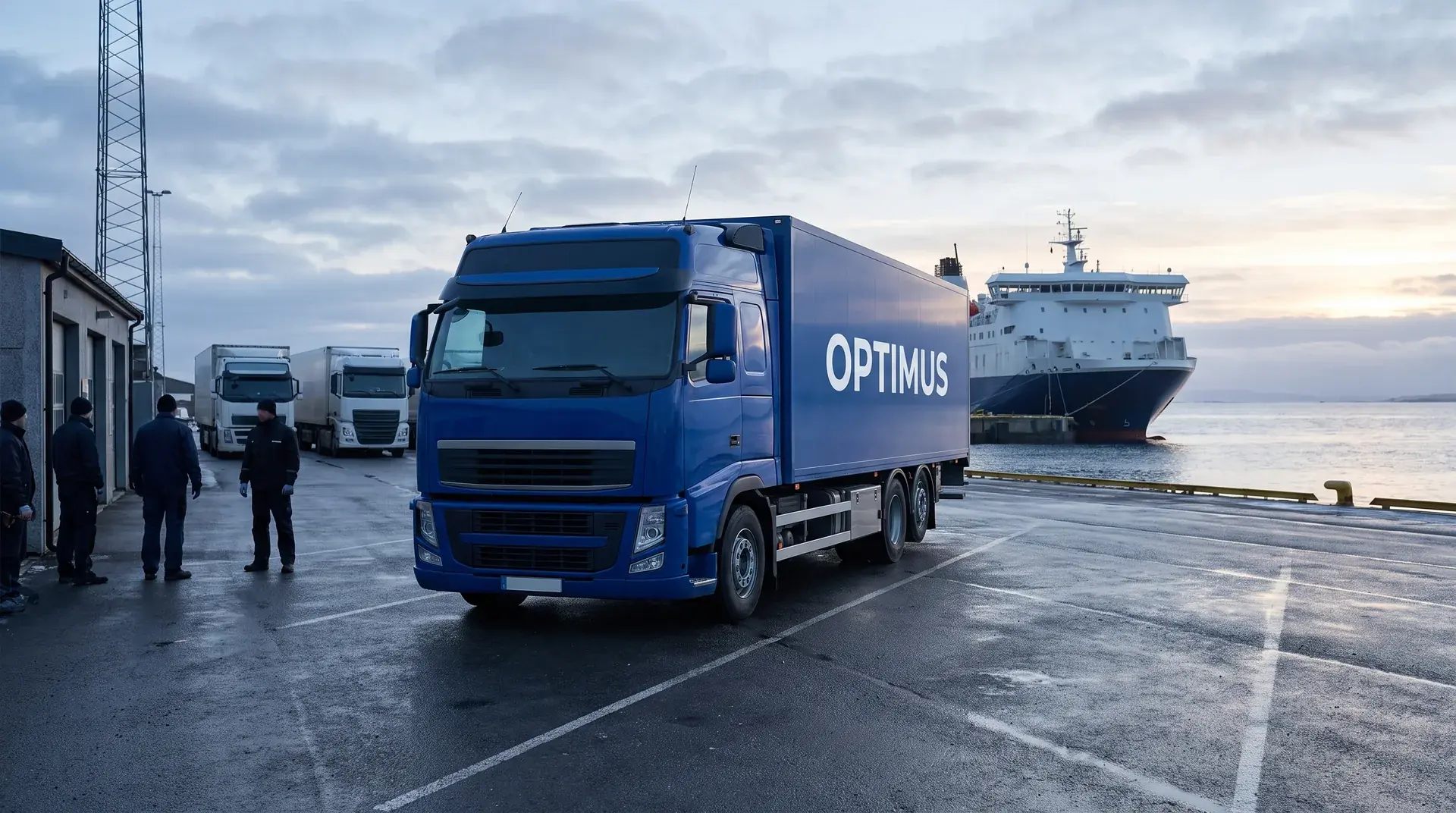
A broken cold chain does not automatically mean the goods are lost. It means nobody can say either way without data: the logger record, the duration of the excursion, the core temperature of the product and the manufacturer's specification. The decision to release a batch belongs to its owner or their quality team; the job of the carrier and the warehouse is to deliver a complete set of evidence and physically separate the batch under investigation. That is exactly how our cargo inspection in Milton Keynes works.
How do you know the chain was broken?
From records, not from a hunch. In chilled transport, temperature is logged by the trailer's refrigeration unit and by independent data loggers the shipper places inside the load. At delivery you compare both sources: the unit record shows conditions in the cargo space, the loggers in the cartons show what happened to the product itself. The gap between them can be significant, because pallets by the doors and by the unit live in different temperatures. How a correct chilled transport is built is described in our article on chilled fresh food transport.
Who decides the goods are unsaleable?
Not the driver and not the warehouseman. The limits are set by the manufacturer in the product specification, and the decision is made by the owner of the goods, usually through their quality department, sometimes with the insurer involved. For food the frame is the consignee's HACCP system: many retail chains have hard acceptance thresholds, and product outside them comes back off the ramp regardless of nuance. The operational task is therefore not philosophy but speed: delivering data on which somebody can make a defensible decision to release, discount, redirect to another channel or destroy.
What does inspection in Milton Keynes do?
- We read out the loggers and secure their data before anybody touches the pallets.
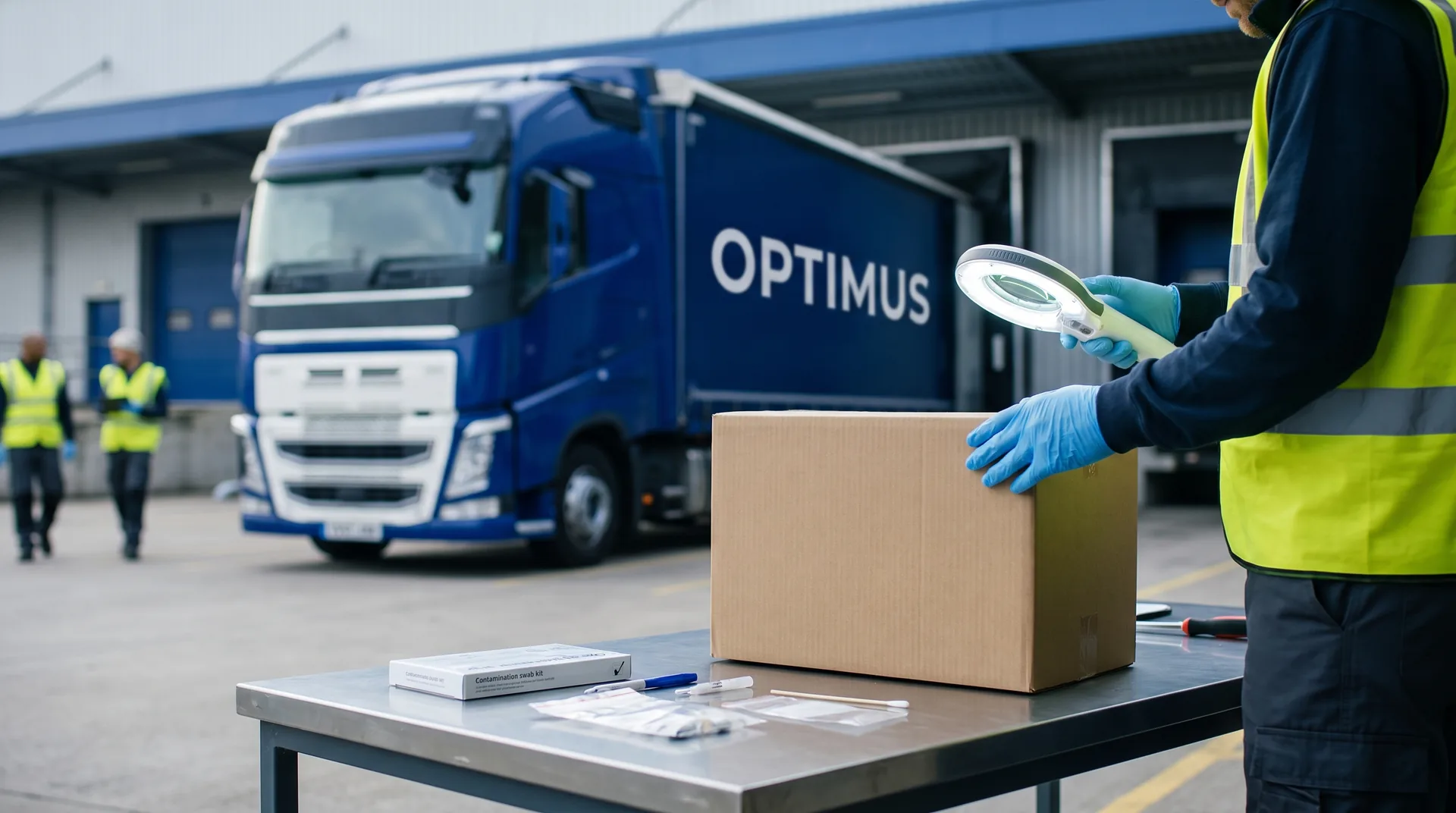
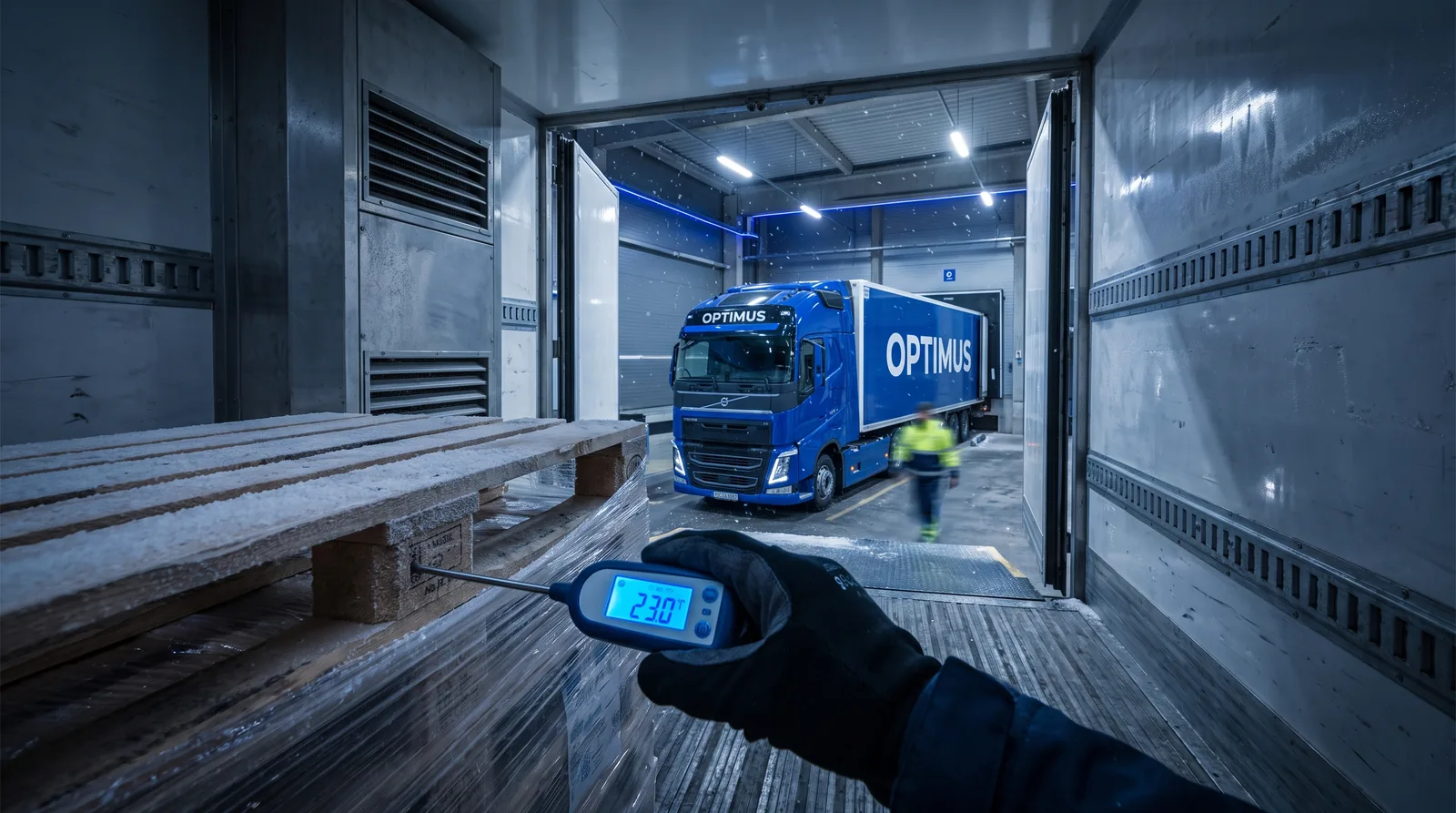
- We measure the product's core temperature at agreed points in the load and document the readings.
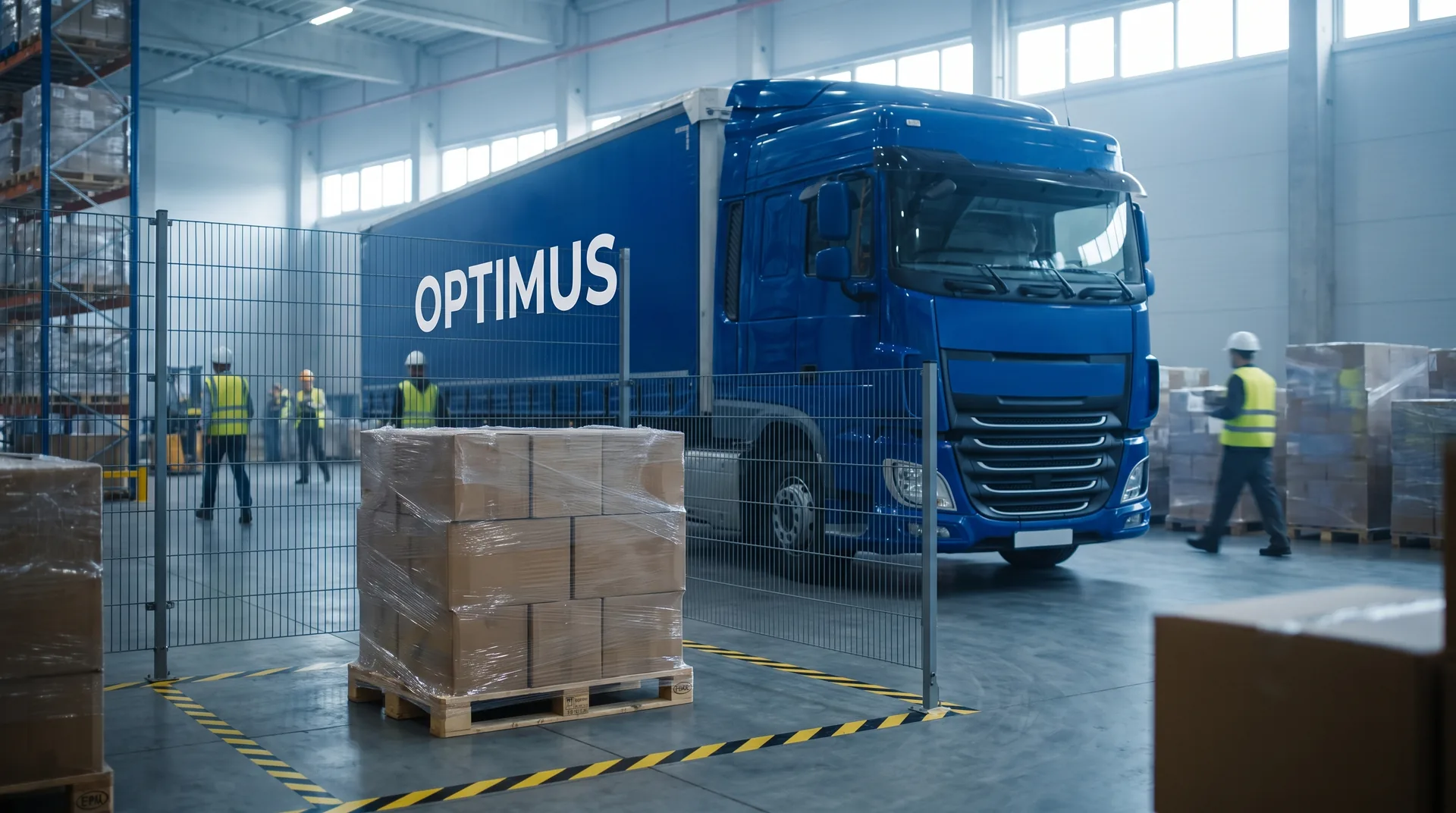
- We segregate the batch: what sat in the excursion zone and what did not; the problem often concerns some pallets, not all.
- We photograph packaging condition, seals and load distribution.
- The batch under investigation moves to the chilled room and into quarantine, described in our article on quarantine, hold and release.
The warehouse works around the clock, so a vehicle with a suspected excursion does not wait for morning: it docks at once and the chilled room takes the goods for the time of the decision.
What goes into the insurer's protocol?
A claim under CARGO insurance or against the carrier's liability is won with documents collected in the first hours. The protocol should bind together: temperature records from both sources on one timeline, core temperature readings at delivery, photographs, the reservation entered on the CMR at acceptance of the goods, and the product's temperature specification against which results were compared. The loss account matters too: which part of the batch was disqualified and why. How such a package is assembled is shown in our article on the inspection report for the insurer.
How do you prevent an excursion instead of documenting one?
Most cold chain breaks we see at inspections start before departure, not on the road. Goods loaded warm, straight from production, stay warm in the best trailer, because the unit maintains temperature rather than chilling the load; pre-cooling to target temperature before loading is the entry condition. The second weak zone is the ramp: an hour of loading with open doors on a summer day can mean more than the whole crossing. The third is settings: the unit's set point gets confused with the actual product temperature, and continuous mode with start-stop mode, which is too slow for some goods. Finally the loggers: they should travel in every consignment, placed at the load's critical points, recording before loading begins. Prevention is incomparably cheaper than the best documented claim, because a protocol recovers money but never recovers the batch.
Sources
The logger shows an excursion and your UK consignee wants a decision? Write via the contact form: we will take the goods into the chilled room in Milton Keynes, examine the batch and hand you the full data set for the decision.