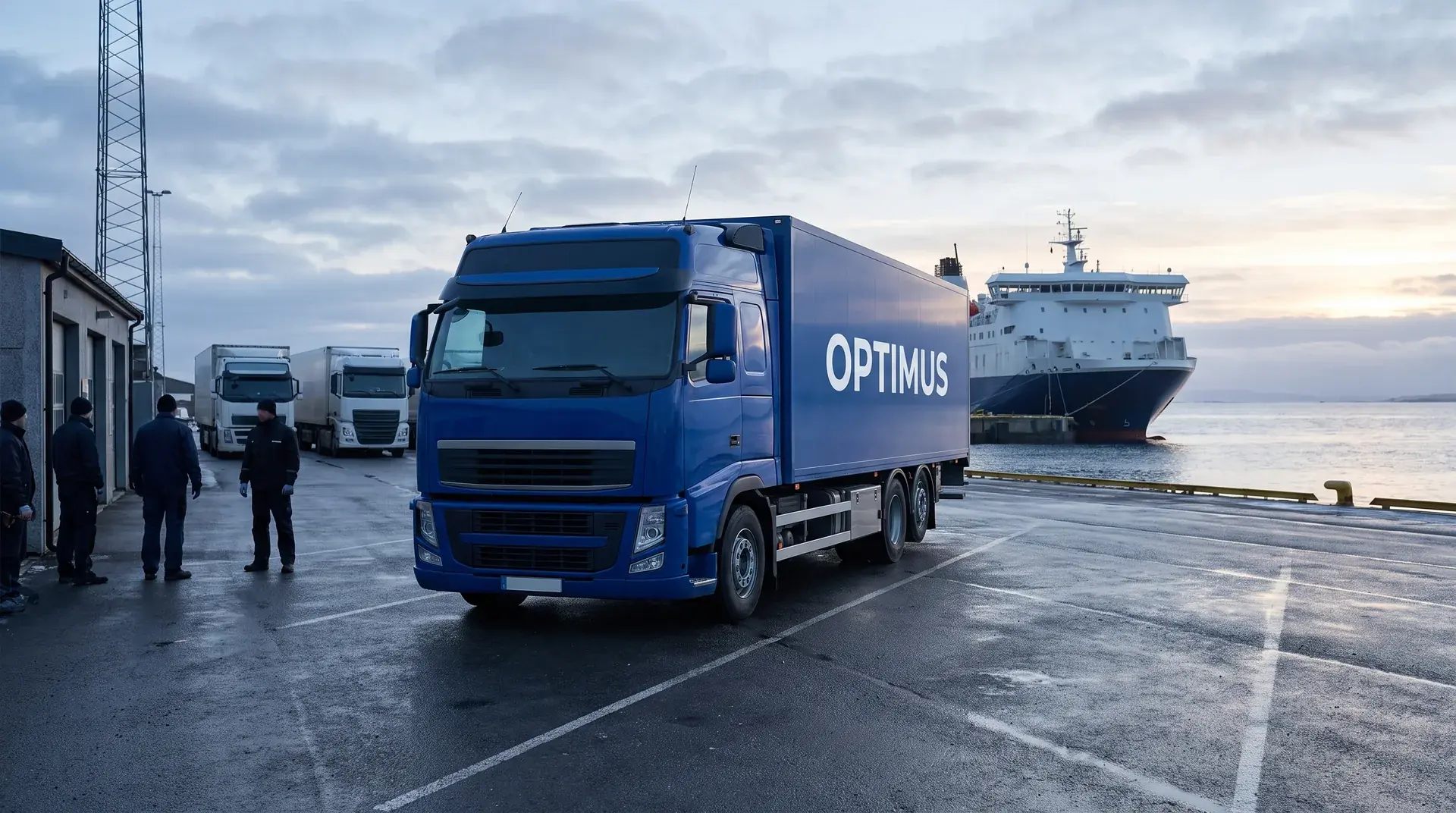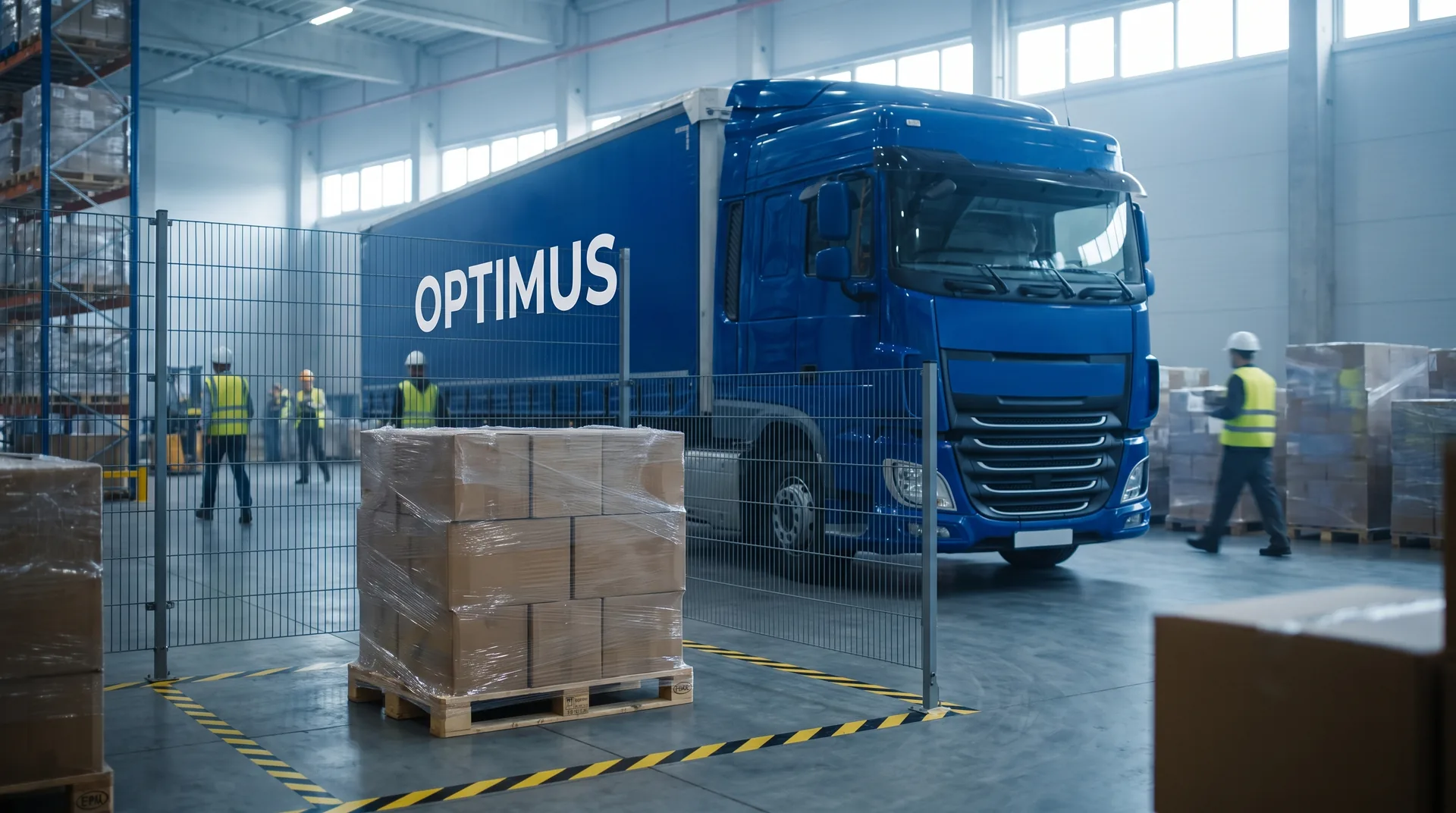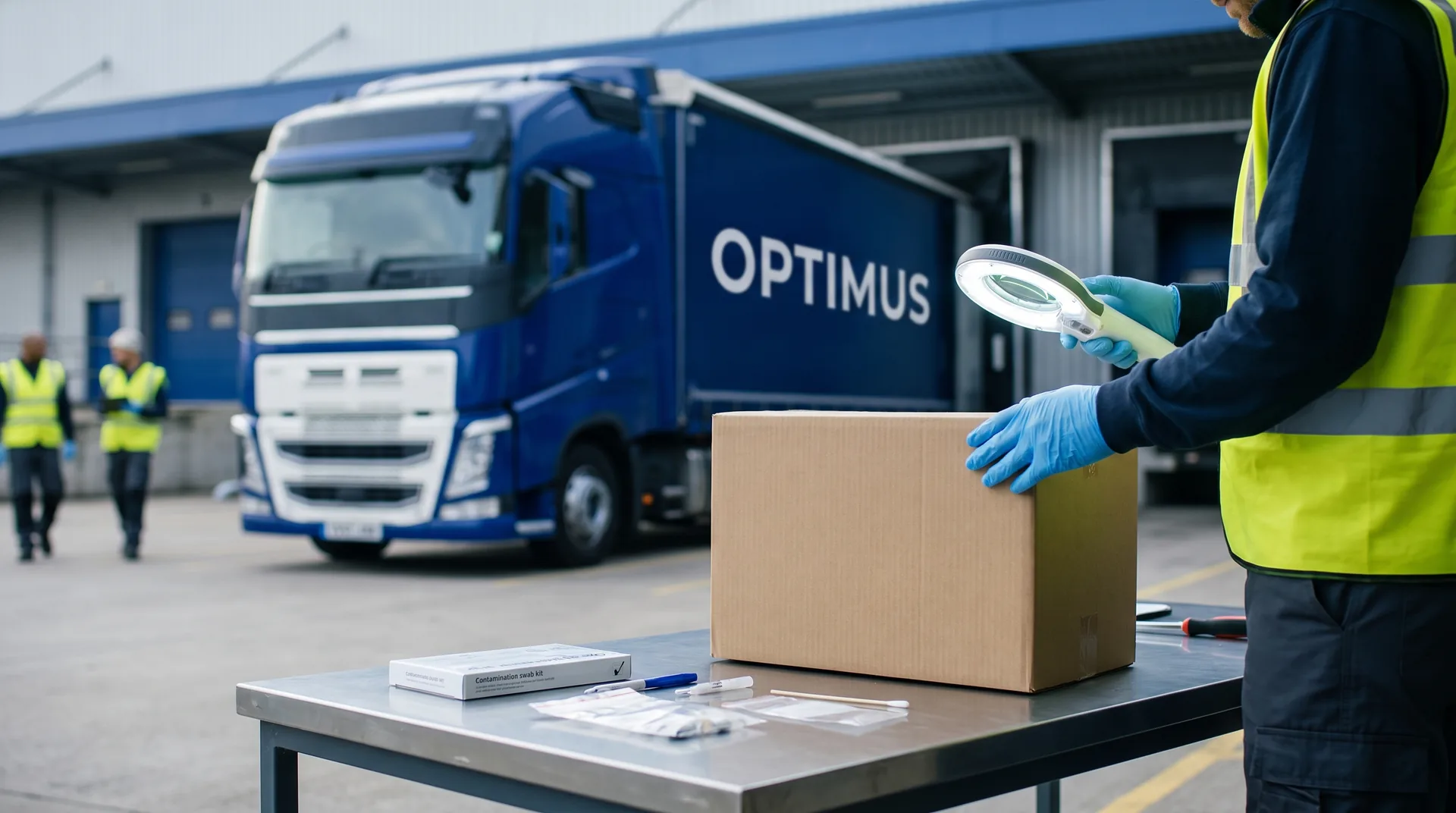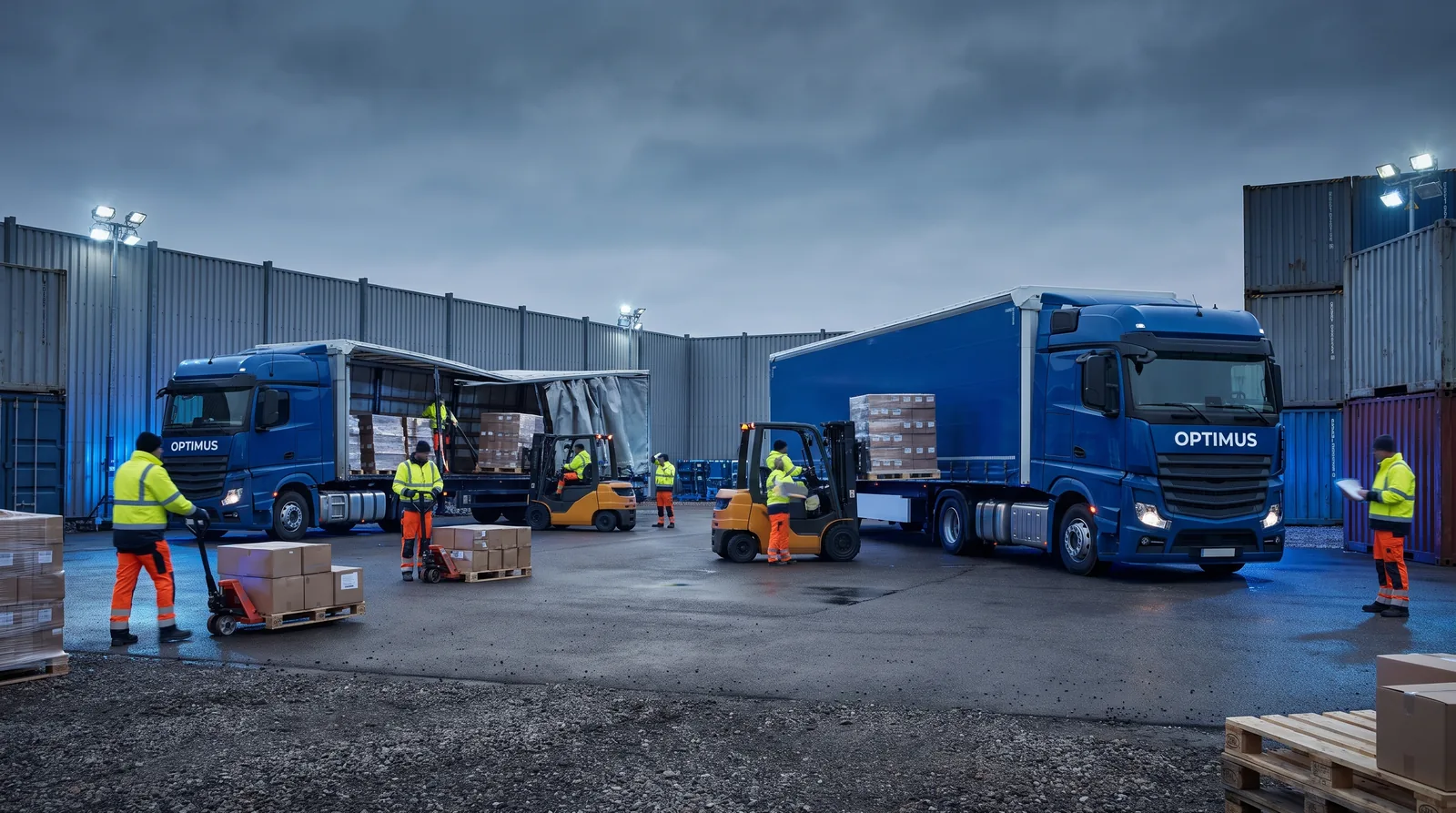
After a road accident the fate of the goods is decided by the first hours and the quality of the documentation. The sequence never changes: secure the load and the scene, tranship the goods onto a working vehicle, move them to a warehouse, split the batch into undamaged, damaged and disputed, and photograph and describe every step. That is what our recovery point in Milton Keynes is for: it works around the clock and accepts post-accident loads regardless of whose vehicle was involved in the collision.
What happens in the first hours?
- The driver secures the scene and reports the incident; where the emergency services attend, their report later anchors the whole timeline.
- Still at the roadside we document the condition: photos of the trailer, seals, pallet layout, leaks. Nothing is moved without a photograph.
- We organise emergency transhipment onto a working vehicle; how that works at the docks is described in our article on emergency cross-docking.
- The goods travel to the warehouse in Milton Keynes, where the real work on the batch begins.
How does segregation in the warehouse work?
A post-accident load is almost never uniform. Some pallets survived untouched, some have damage only to outer packaging, some are destroyed. As part of cargo inspection we separate these groups physically, pallet by pallet: undamaged pieces return to circulation after repacking, disputed ones wait in a set-aside zone for a decision, destroyed ones are counted and described for the claim. Temperature-sensitive goods go into the chilled room, and wet or toppled cargo follows the procedure described in our article on wet and toppled loads. The output is a report: what survived, what did not, and the basis for every classification.
Who is the average surveyor, and when do they appear?
The average surveyor is an independent expert, usually appointed by the cargo insurer, who assesses the extent and causes of the loss. In larger incidents it pays to notify the insurer before segregation starts, because the surveyor may want to see the load as found. Our role is then to serve: we provide the warehouse, the documentation and the people, and the survey happens at our site instead of on a hard shoulder. The practical rule: loss mitigation cannot wait for the surveyor forever, but every action taken before their arrival must be documented with photographs and a protocol. How to build that package is shown in our article on the inspection report for the insurer.
When does a salvage sale come into play?
When the goods lost their commercial value in the original channel but not all value outright: crushed packaging around a sound product, a broken production run, a damaged part of a batch. A salvage sale to specialised buyers recovers part of the value and reduces the claim, which is why it needs the consent of the cargo owner and usually the insurer. There are hard limits too: food involved in an accident is often destroyed for safety reasons, and brand owners may rule out selling damaged pieces so they never reach the secondary market with their logo. The decision is always commercial, never a warehouse call; we deliver a counted, documented batch on which it can be made.
What about compensation?
For damaged goods the CMR Convention awards the amount by which the goods diminished in value, calculated on their value at the place and time of acceptance for carriage, within the limits of Articles 23 and 25. In practice the payout depends directly on the quality of segregation: without splitting the batch into damaged and undamaged pieces, the dispute starts from the full value of the load and runs for months. Good documentation shortens it to an exchange of two letters.
What is worth preparing before anything happens?
An emergency plan is built on a quiet Tuesday, not at three in the morning on the M25 hard shoulder. On the cargo owner's side three things are enough: current CARGO policy details with the number and the insurer's claims contact, a decision maker reachable outside office hours, and basic knowledge of what travels in the vehicle, with values and product specifics. On the order side: a clause saying who organises cargo salvage and which warehouse the goods go to if something happens. With us this procedure is part of the standard: the operations team works around the clock, the Milton Keynes recovery point takes goods without notice, and the person handling your order runs communication with the insurer and the client from the first call. The difference between a company with a procedure and one without is usually a dozen hours, and those are exactly the hours in which the goods can still be saved.
Sources
A post-accident load is sitting on a hard shoulder in England and your carrier is out of ideas? Write via the contact form or call: the Milton Keynes recovery point accepts goods around the clock, including from other carriers' vehicles.