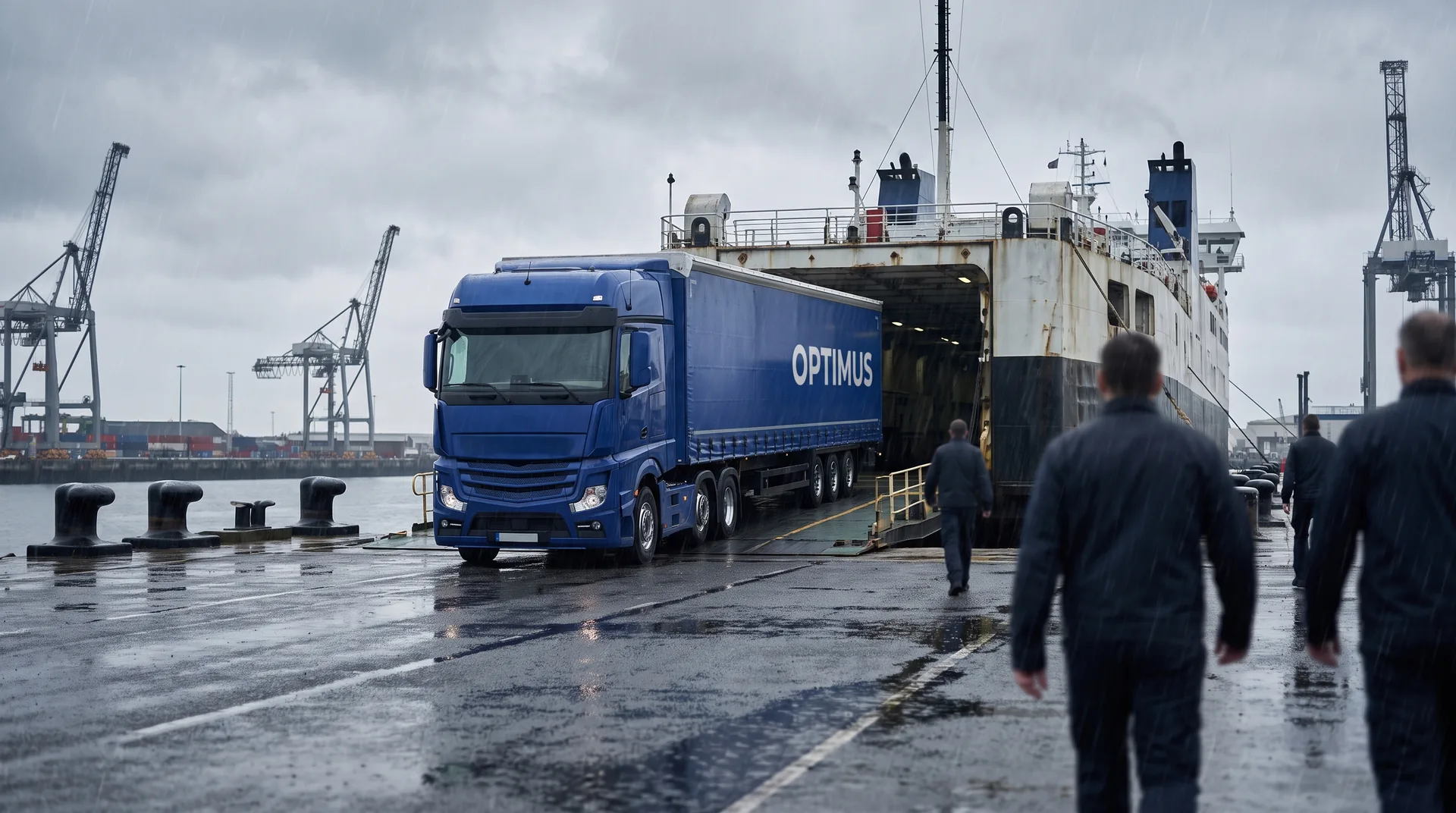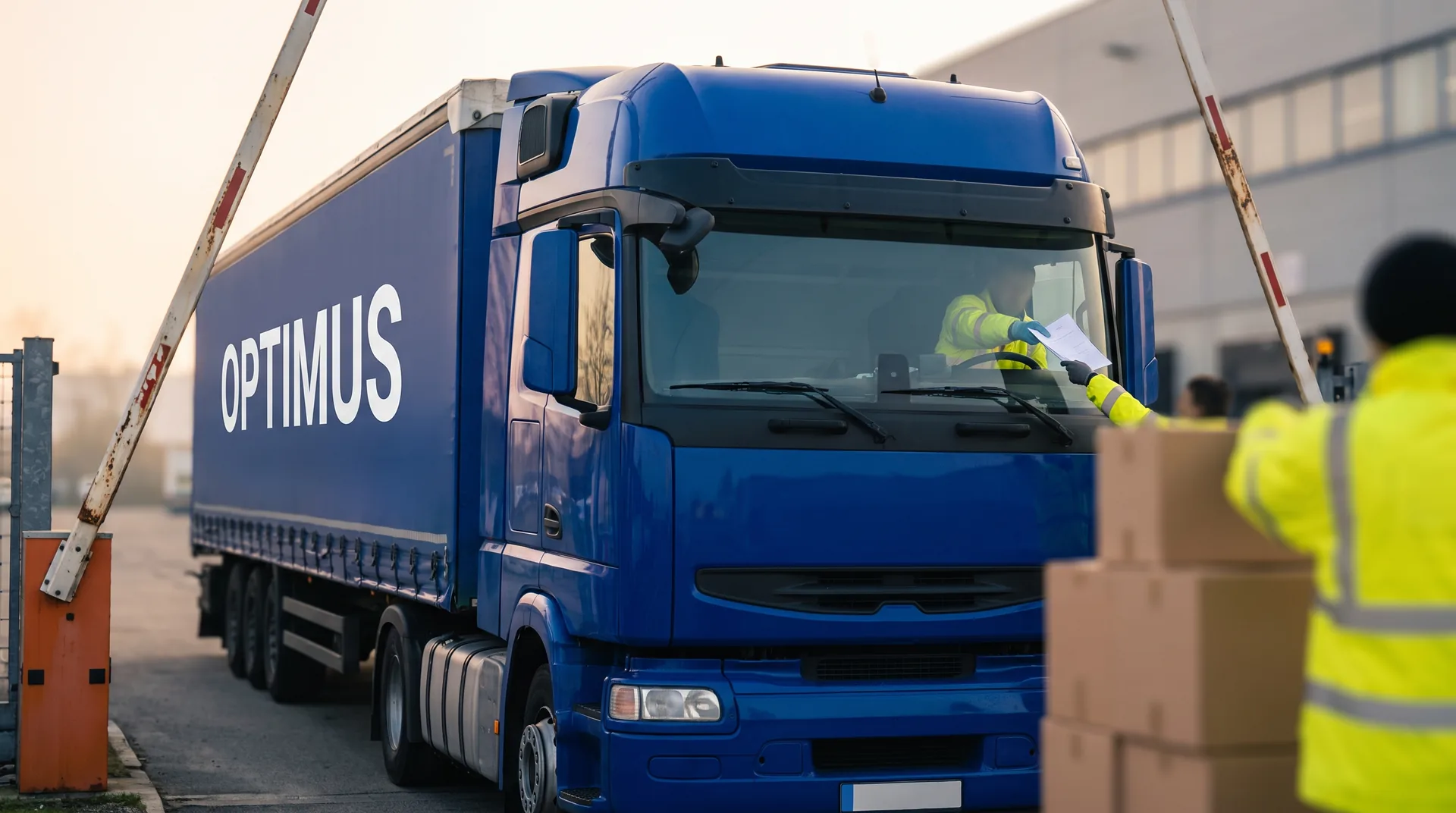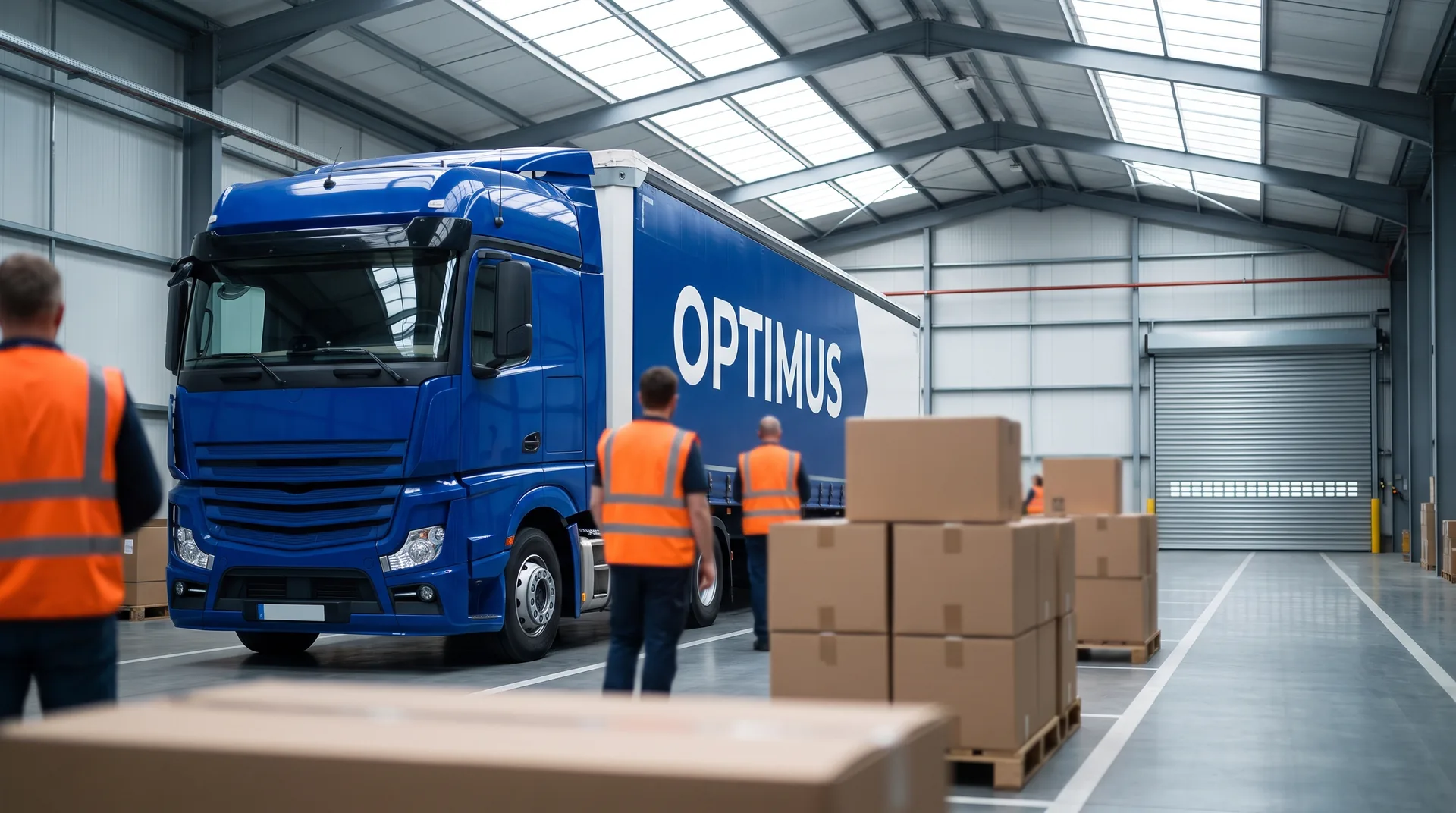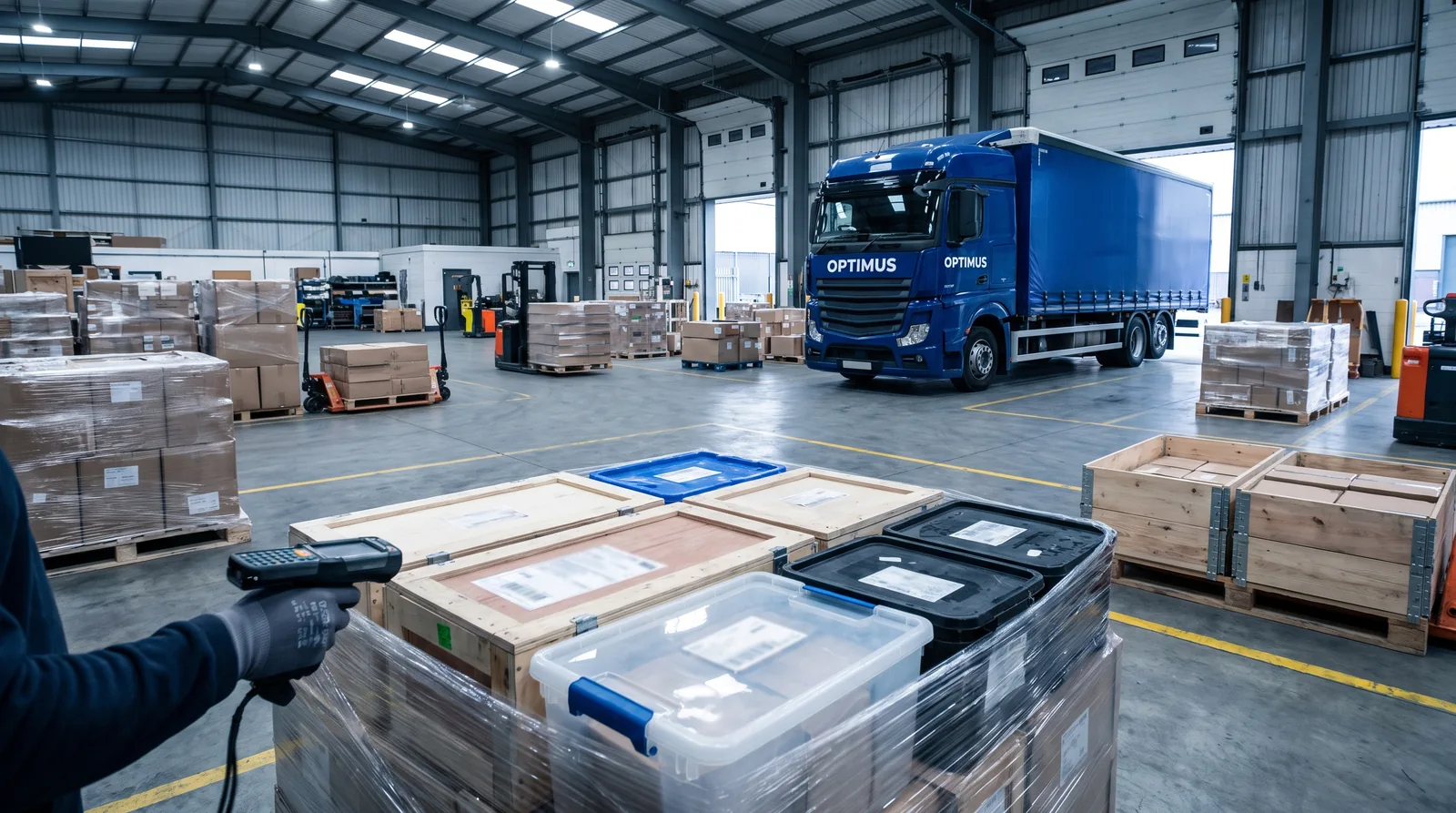
Collecting goods from the UK works like ordering ordinary transport in reverse: you give the loading address, the seller's details and a cargo description, and we arrange the vehicle, the UK export declaration and the import into Poland. Two EORI numbers are needed: the seller's British one and the buyer's EU one. Regular returns from England keep lead times short.
Who handles clearance on the British side?
Goods leaving the United Kingdom require an export declaration in the UK customs system. Formally the exporter, meaning the seller, is responsible, but in practice many British sellers, especially warehouses and auction houses, do not export day to day. Then we arrange the declaration through a partner customs agency: the seller provides their details and EORI number, and our team does the rest. On the EU side we close the import with the documents needed to settle duty and VAT; the paperwork practice is described in our article on VAT and duty when importing from the UK to Poland.
What data should you prepare before ordering?
- Loading address and contact: a warehouse, factory, auction house or private location, with opening hours and a contact person.
- Cargo description: what is travelling, how many pieces or pallets, dimensions and weight; for machinery also the loading method.
- Invoice or proof of purchase: the basis of the customs value at import.
- EORI numbers: the seller's British one and the buyer's EU one; when each is needed is explained in our article on the EORI number in UK trade.
- Readiness date: from when the goods can be collected and whether the warehouse requires booking.
How does a UK collection work step by step?
- You send an enquiry with the loading address and cargo description through the quote form.
- We confirm the rate, the date and the document list; with a seller inexperienced in exporting we take over the contact.
- The vehicle books in for loading; the driver checks the goods against the documents and their condition.
- The UK export declaration and the EU import clearance are closed by our team.
- Delivery to the given address in Poland with a full document set for your accountants.
Auction collections and used equipment purchases
The British second-hand market tempts with machinery, forklifts, farm equipment and catering fit-outs, but auctions have their rules: short collection windows, loading by the buyer's own means and zero help with documents. Our role therefore starts earlier: we check the collection terms before you bid, book a vehicle with the right equipment and make sure the export declaration exists before the removal deadline passes. What to watch when importing used machinery, from documents to condition assessment, is covered in our separate article on importing used machinery from the UK.
Why is the return direction often quick?
Our vehicles run to England on a fixed rhythm and every one of them must come back. So we slot UK collections into the existing loop: goods from Manchester, Birmingham or London ride a vehicle returning to Poland, and the Milton Keynes warehouse serves as a consolidation point when cargo must be gathered from several sites or stored until complete. The economics of this direction are described in return loads from the UK, and collection from any address in cargo collection anywhere in the UK.
Sources
- GOV.UK: export goods from the UK step by step
- GOV.UK: who needs an EORI number
- GOV.UK: check an EORI number
The most common first-import stumbles
Three mistakes recur most among buyers. First: a purchase agreement that never settles who owns the export-side formalities; the seller assumes the buyer, the buyer assumes the seller, and the goods sit still. The fix is simple: before paying, ask the seller to confirm they will release the goods to the carrier and share the data for the export declaration. Second: no EU EORI number on the buyer's side; registration is not hard, but it must happen before clearance, not during it. Third: a weak value document; the import entry needs an invoice or proof of purchase with the real amount, and gaps between the transfer and the paperwork stretch the clearance. All three stumbles share one trait: they only cost time when discovered after loading, so we run a first import on a checklist basis and tell the client exactly what is still missing before the truck is booked.
Have goods waiting in England, Scotland or Wales? Give the loading address and cargo description in the quote form and we will arrange the collection together with clearance on both sides.