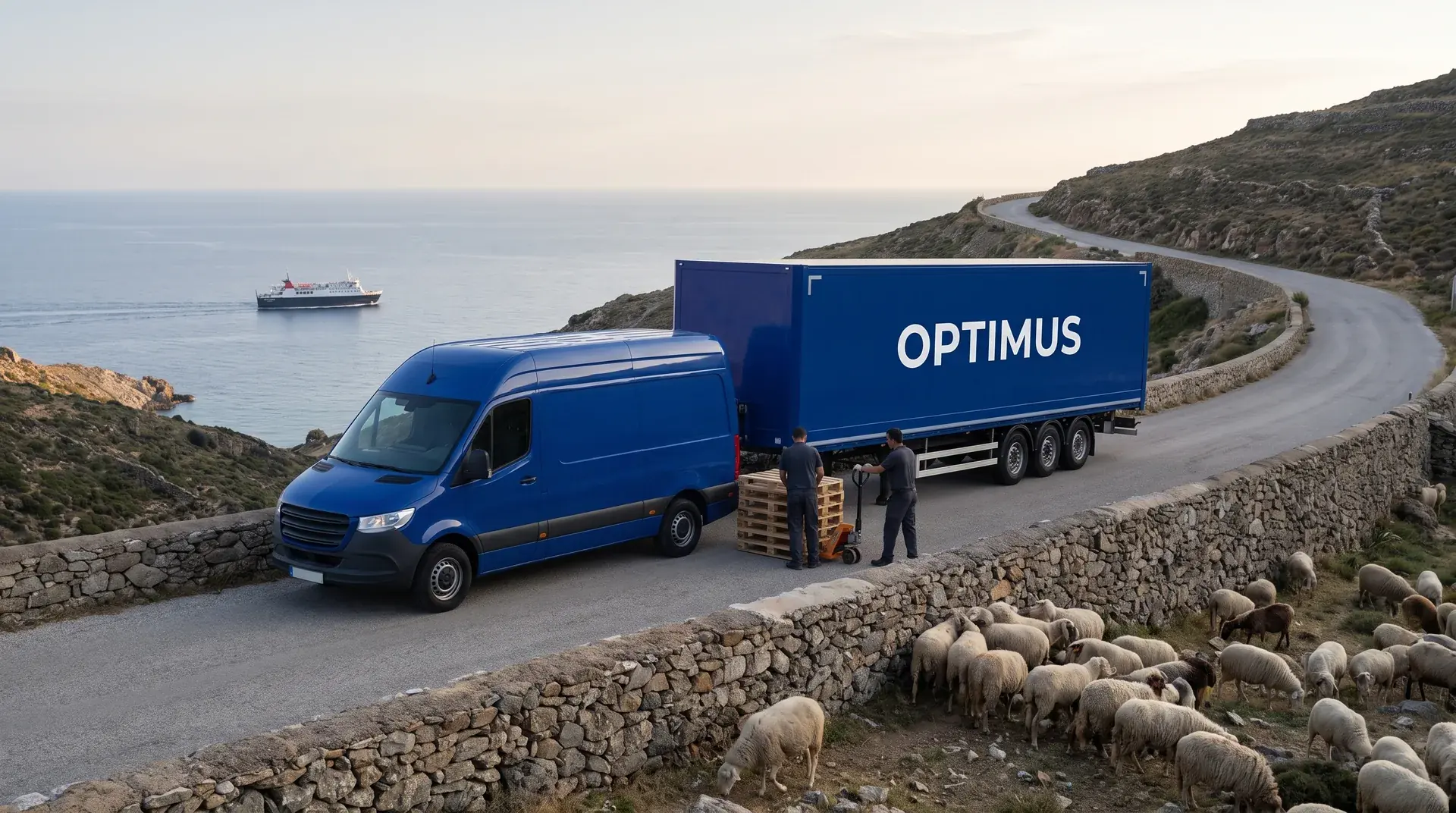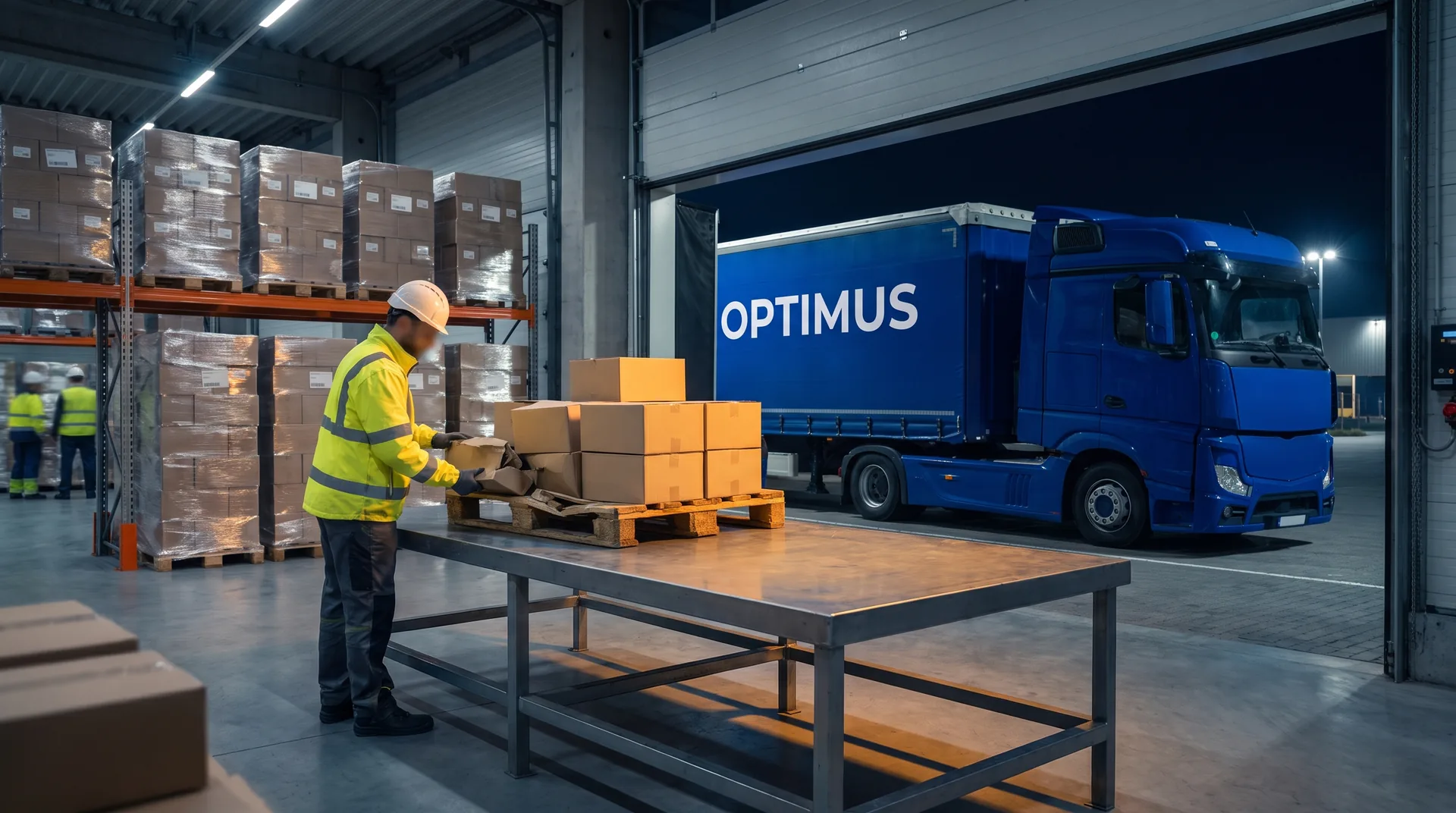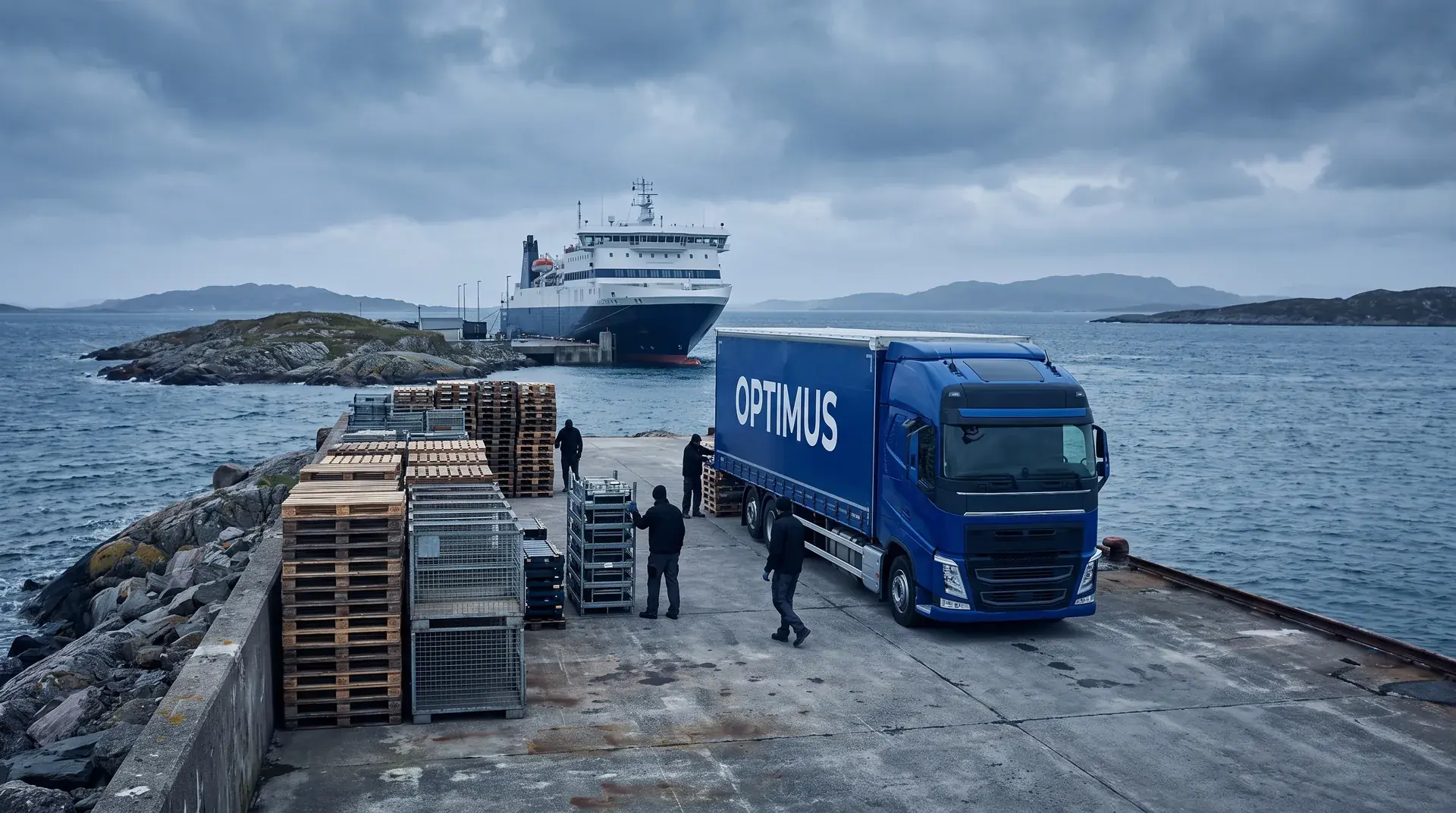
On island destinations pallet exchange at the consignee usually does not work: consignees hold no pool of exchange pallets, and returning an empty carrier attracts the same crossing cost as full-value freight. So we settle how the carrier is accounted for before dispatch — one-way, exchange or consolidated collection.
Will an island consignee exchange a EUR pallet?
Usually not, and it is better to assume so than to hope for an exception. The exceptions are large consignees with regular turnover — wholesalers, processing plants, distribution networks — who do hold pallets in circulation. For a delivery to a shop, a guesthouse, a workshop or a building site, exchange is theoretical. The rules of EUR pallet circulation are described in our texts on the EUR pallet and its exchange and on EUR versus industrial pallets.
Does collecting empty pallets from an island pay?
Rarely, if treated as a job in its own right. Empty carriers have a terrible volume-to-value ratio: they occupy ferry space, attract a crossing cost and a mileage cost, and their value seldom covers those lines. It makes sense in two situations: when collection happens alongside a later delivery to the same place, and when carriers are gathered from several consignees on one run. Then the cost spreads across many lines and stops being absurd.
When is a one-way pallet better?
When it is known in advance that the carrier will not come back. A one-way pallet — lighter, cheaper, matched to the load — is often a more honest answer than sending an exchange pallet that will be lost anyway, only accounted for later and in a worse atmosphere. It is worth considering especially for one-off deliveries, light loads and consignments that will be rehandled en route in any case. Remember only that a pallet travelling to the United Kingdom must meet the requirements for wood packaging material, whether it is an exchange pallet or not.
Returnable packaging: crates, stillages, casks
A separate category and a separate problem. Metal crates, glass stillages, casks and process containers have real value and genuinely should come back — but their return needs planning. The practical approach is this: at the time of the job we agree whether the carrier returns, who prepares it for collection and in what time window. Without that the packaging sits at the consignee and becomes a problem for both sides. With distilleries and processing plants the subject recurs regularly — context is in our texts on transport to Islay and on transport to Lewis and Harris.
What does a consolidated collection look like?
We gather carriers alongside runs already taking place in the region and consolidate them at one point on the British side before they head for Poland. The model works when it is predictable: consignees know when we are coming, and the carriers are prepared and counted. An improvised collection ends with the vehicle waiting while pallets lie scattered around the yard. The consolidation point is our Milton Keynes warehouse, where we sort and prepare carriers for the return leg.
Who bears the cost of a pallet that does not return?
That has to be settled in the job, not after delivery. There are three options: the carrier is priced into the goods and not accounted for; the carrier is charged separately if not returned; the carrier is an exchange pallet and non-exchange is settled on an agreed basis. Any of those is fine, provided it was chosen deliberately before dispatch. The worst is the fourth option — no arrangement at all, which always ends in a dispute. The reverse logistics context is described in our text on returns and reverse logistics from the UK.
A practical checklist
- Decide before dispatch whether the carrier is meant to return.
- For one-off deliveries consider a one-way pallet instead of an exchange one.
- For packaging with real value, agree the collection window at the time of delivery.
- Count carriers on despatch and on collection, with confirmation on the document.
- Plan collections in batches, not one at a time.
Sources
- EPAL: rules for EUR exchange pallets
- GOV.UK: requirements for wood packaging material on import and export
Planning an island delivery and want the pallet question settled up front? Write through the quote form and we will propose a carrier accounting model alongside the transport. Island destinations are on the island transport page.