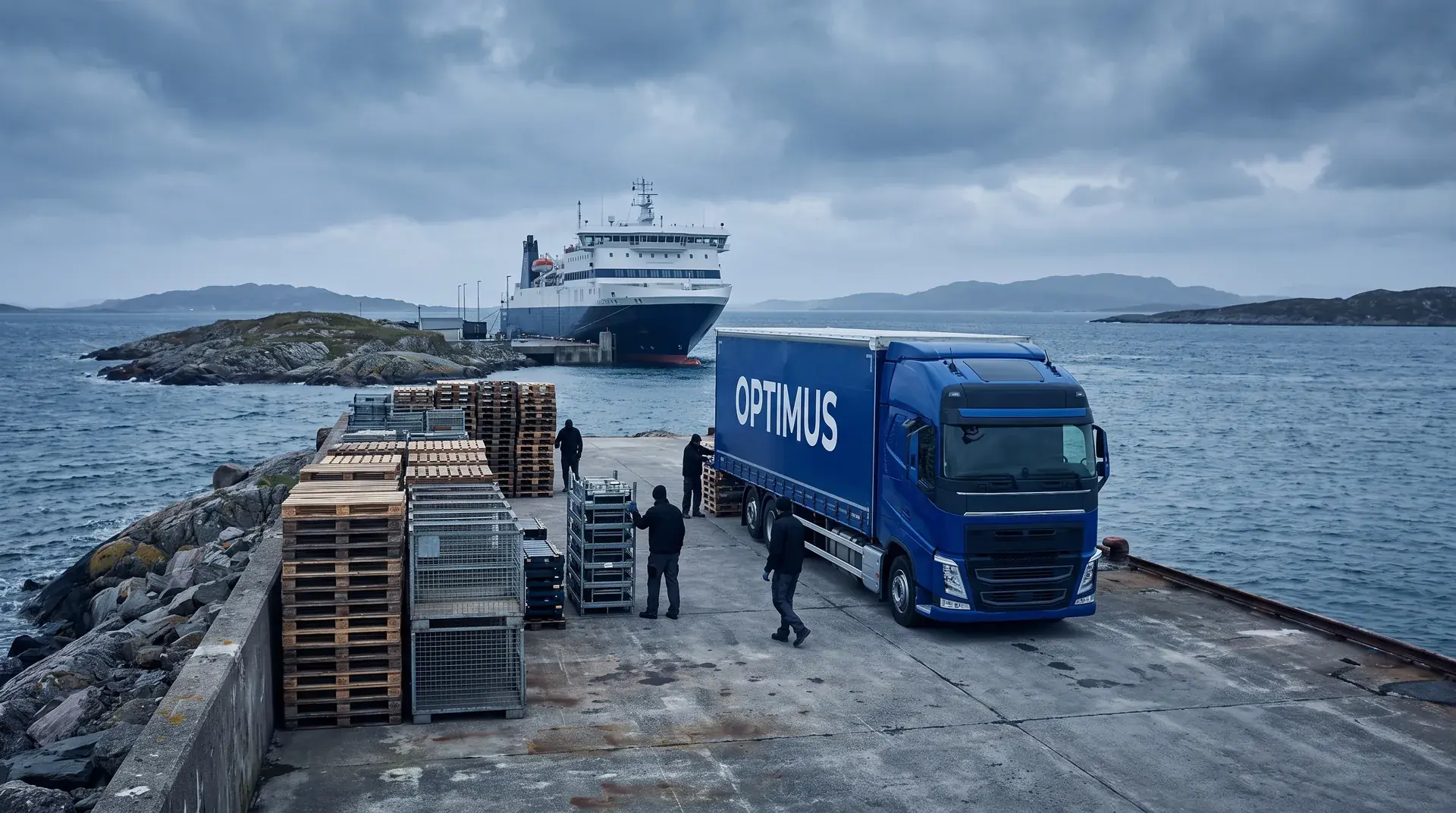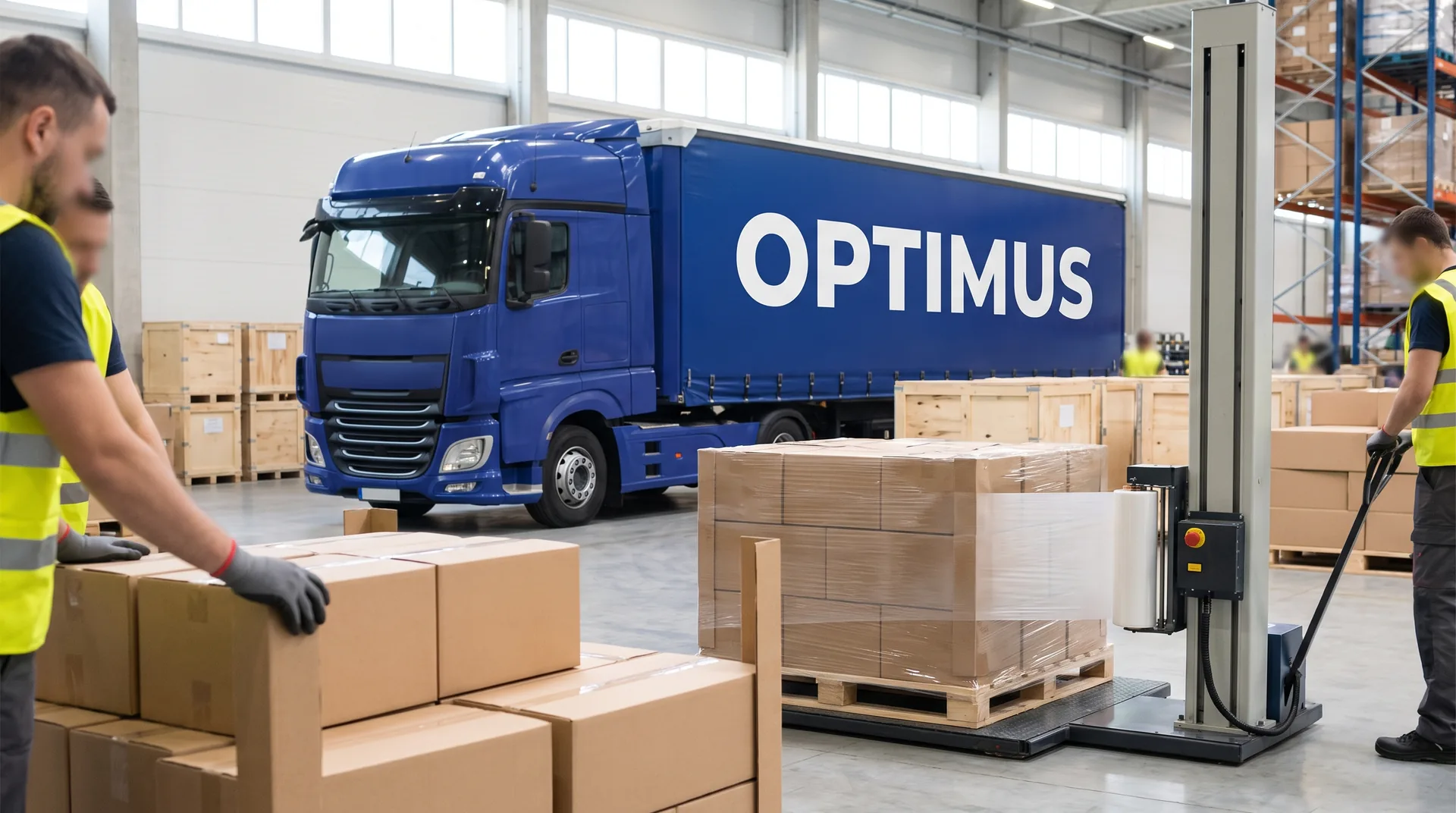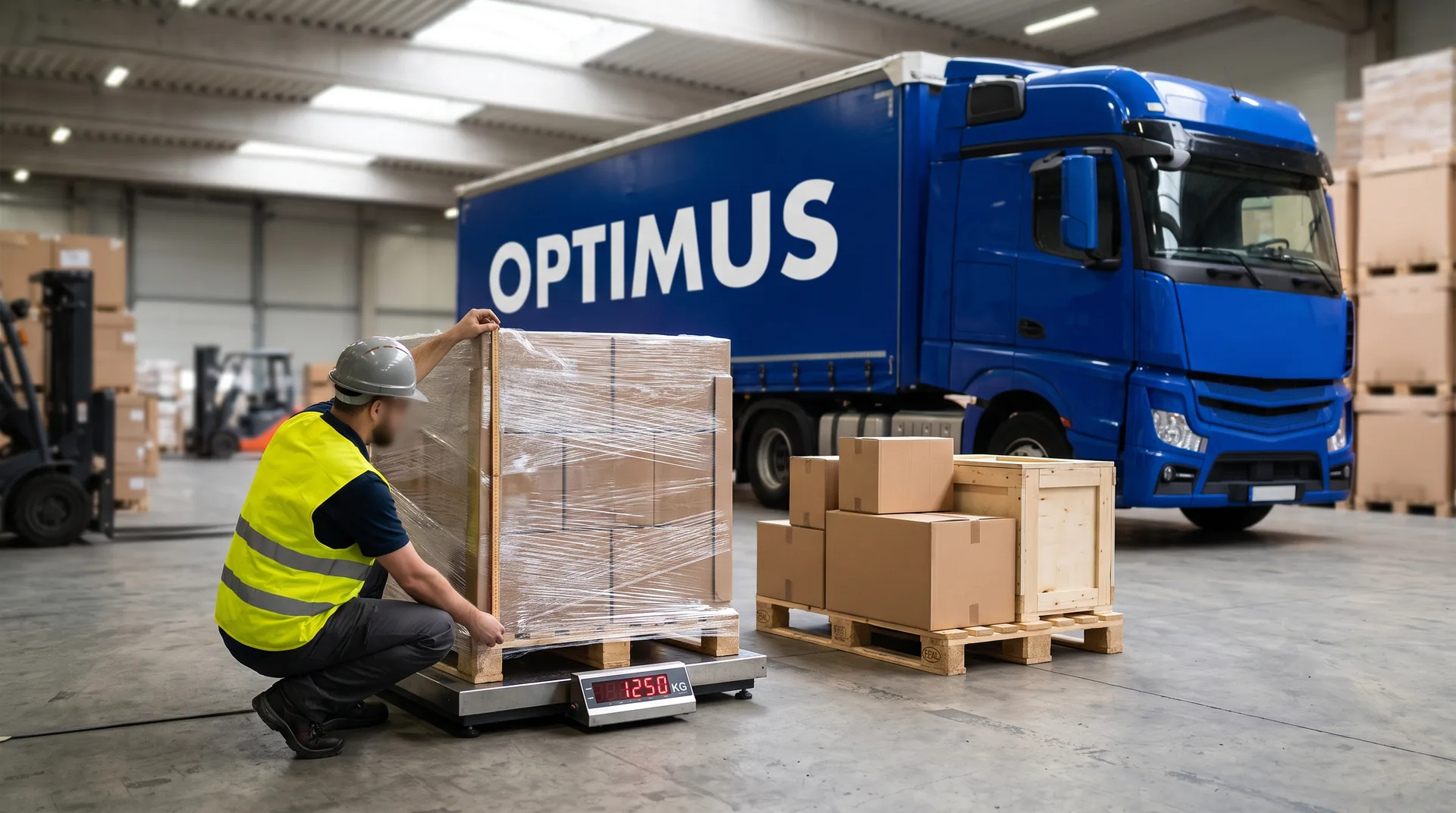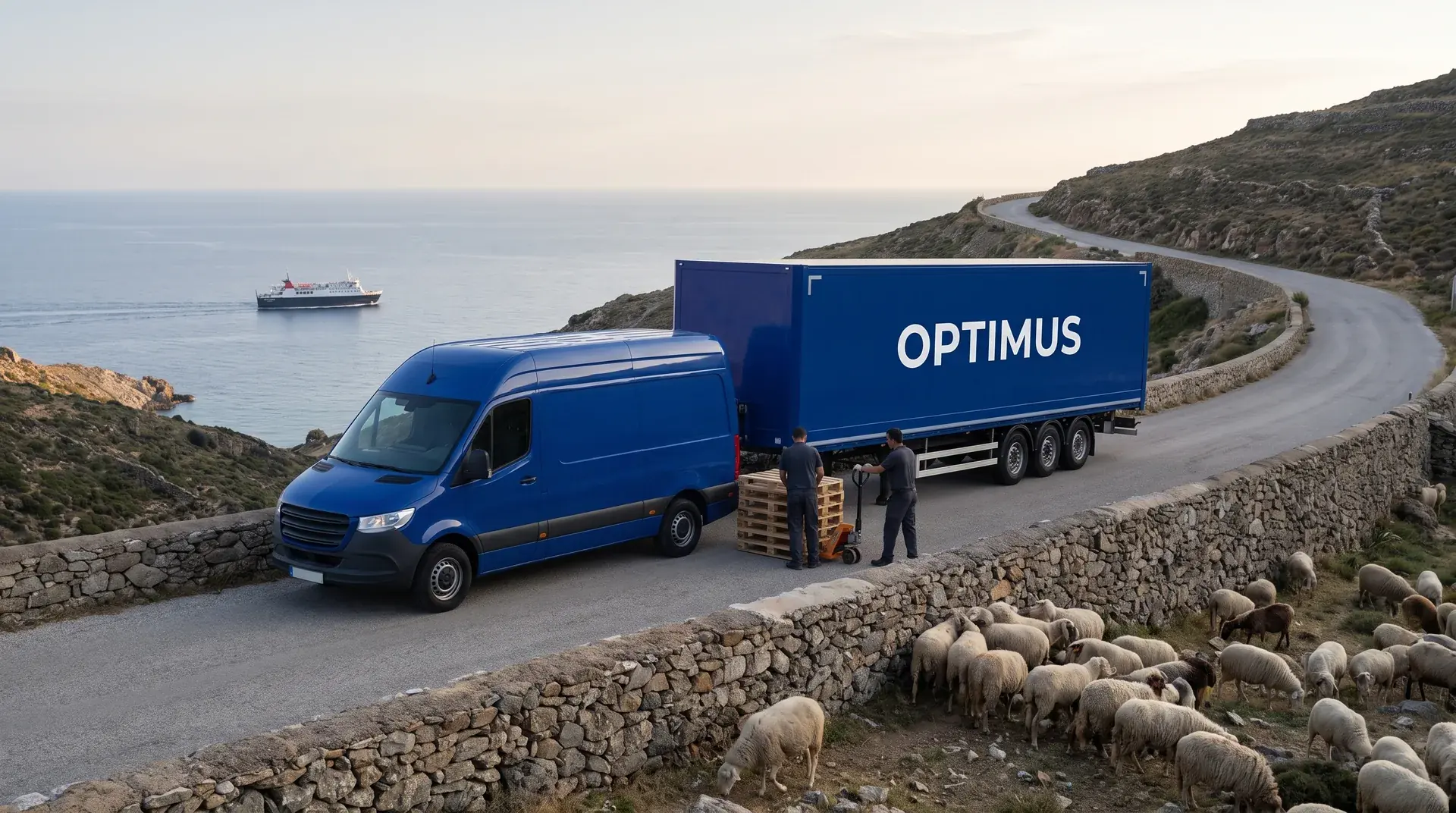
The last leg on an island rarely looks like a run into a logistics park. Roads can be single-track, yards are small, and the consignee has neither ramp nor forklift. So for island deliveries we settle the vehicle and the palletisation before loading in Poland, not after rolling off the ferry.
Will an articulated unit reach an address on a small island?
Sometimes, but do not assume it. Addresses in the larger towns — Portree on Skye, Stornoway on Lewis, Kirkwall in Orkney, Lerwick in Shetland, Brodick on Arran — are usually reachable by a full unit. Addresses beyond them, on single-track roads with passing places, need a smaller vehicle. We verify this at the quoting stage, from the postcode and a description of the unloading point, not from assumptions.
Where does transhipment onto a smaller vehicle happen?
It depends on the destination: on the mainland side before the crossing, or on the island at a transhipment point. The first is cheaper, because a smaller vehicle takes less ferry space; the second is sometimes necessary when part of the load goes further and part stays. On consolidated deliveries the buffer and preparation point is our Milton Keynes warehouse, where we rebuild and reorganise pallets before dispatch on the final leg.
How should a pallet be built if the load will be rehandled?
One rule: the pallet must survive lifting and repositioning with nobody from the shipper watching. In practice that means wrapping down to the base, corner boards, no overhang, even weight distribution and labels on every piece, not just on the film. If the load will be split, it pays to build it in smaller uniform units from the start — easier to separate than to break a pallet down on site. Details are in our texts on preparing a pallet for the islands and securing a pallet for export.
Is a tail lift needed?
On the islands, more often than not. Consignees are frequently shops, guesthouses, workshops, farms and building sites where unloading happens at road level. A tail lift and pallet truck have to be ordered with the transport, because the vehicle is chosen before departure. It is also worth checking whether the unloading surface is hard — a pallet truck will not roll over gravel or grass, and then manual unloading piece by piece has to be planned. The options are described in our text on tail lift deliveries.
Places where the last leg is not by road at all
Some islands cannot be reached by a delivery vehicle. Sark has no motor traffic and island transport relies on tractors — described in our text on delivery to Sark. On Iona vehicle access is restricted by a permit system, covered in our article on transport to Mull and Iona. To the Isles of Scilly cargo sails without the vehicle, described in our text on transport to the Isles of Scilly. In each case the last leg has to be designed separately, together with a single-piece weight limit — and vessel limits are discussed in our article on size and weight limits.
Who sets the unloading conditions on the island side?
We do, jointly with the consignee, before the vehicle departs. We ask four things: the width and surface of the access, the availability of a ramp or forklift, the goods-in hours, and a contact person on site. It sounds mundane, but those four pieces of information decide the success of an island delivery more often than anything else. When they are missing, the driver faces a decision they should not be taking alone.
What to include in your enquiry
- The postcode and a precise description of the unloading point, including the type of access.
- Whether there is a ramp, a forklift, and what the yard surface is.
- Dimensions and weights of individual pieces, not just a pallet total.
- Goods-in hours and an on-site contact.
That data lets the vehicle be chosen once, rather than improvised after rolling off the ferry.
Unloading in winter and after dark
In northern Scotland and on the islands the winter day is short, and many addresses have neither a lit yard nor a hard standing. Tail-lift unloading after dark on a wet or icy surface is a real risk to the cargo and to people — and is sometimes the reason a delivery is better moved by a few hours than forced through. Planning winter deliveries, we try to place island unloadings in the first half of the day and ask the consignee about lighting and surface. Where conditions are poor we choose a smaller vehicle and unload piece by piece rather than manoeuvre a pallet on a slope.
Who carries the risk on a difficult approach
A driver may refuse to enter a place they cannot safely leave, and that is not a whim but part of their responsibility for vehicle and cargo. So we settle access conditions before departure rather than on site: if the road is too narrow or the ground too soft, we agree an alternative unloading point. A solution agreed calmly costs less than towing a vehicle out of a verge.
Sources
Delivering to an island address? Describe the unloading point in the quote form and we will match the vehicle and the unloading method before loading. Island destinations are on the island transport page.