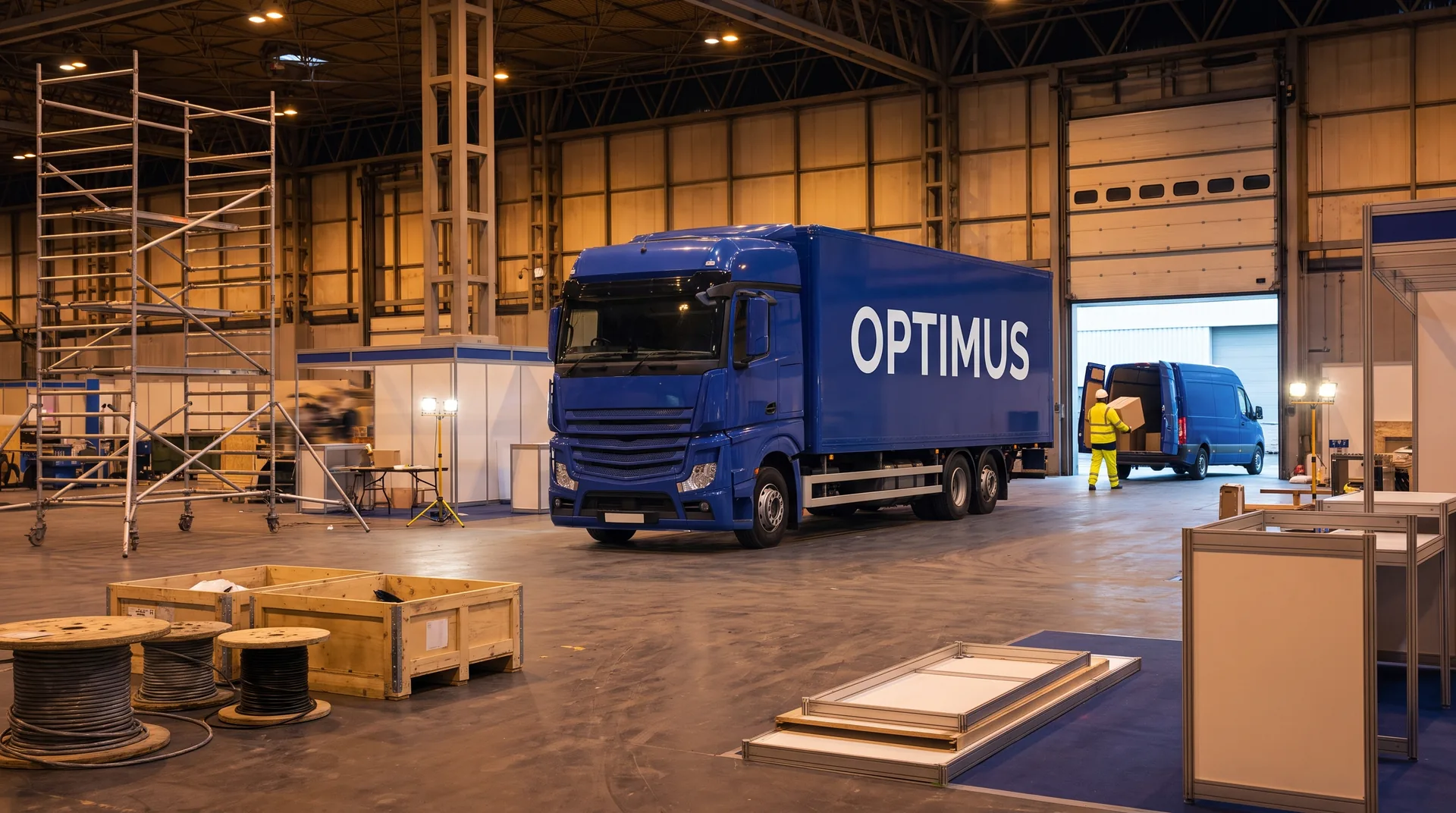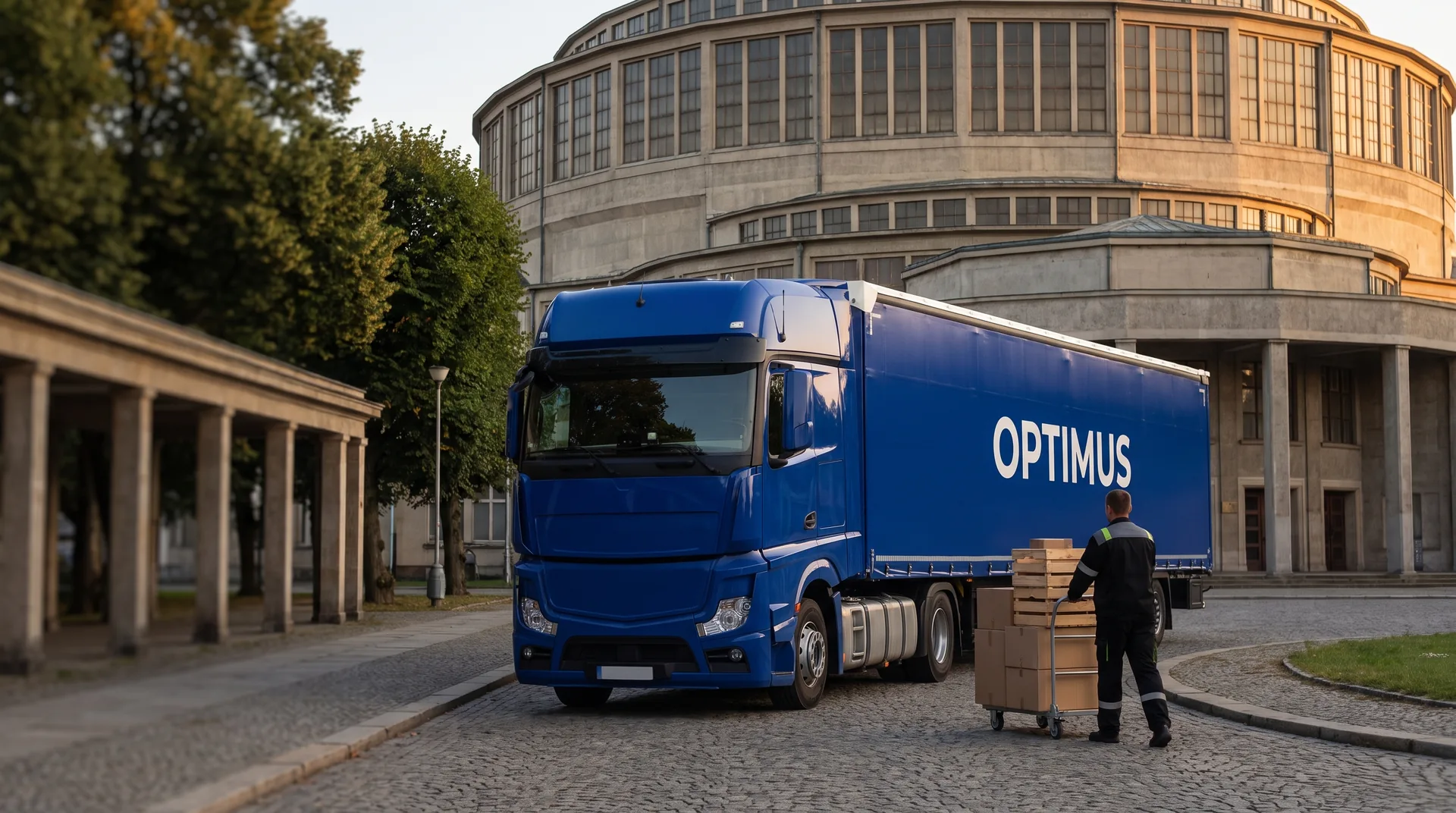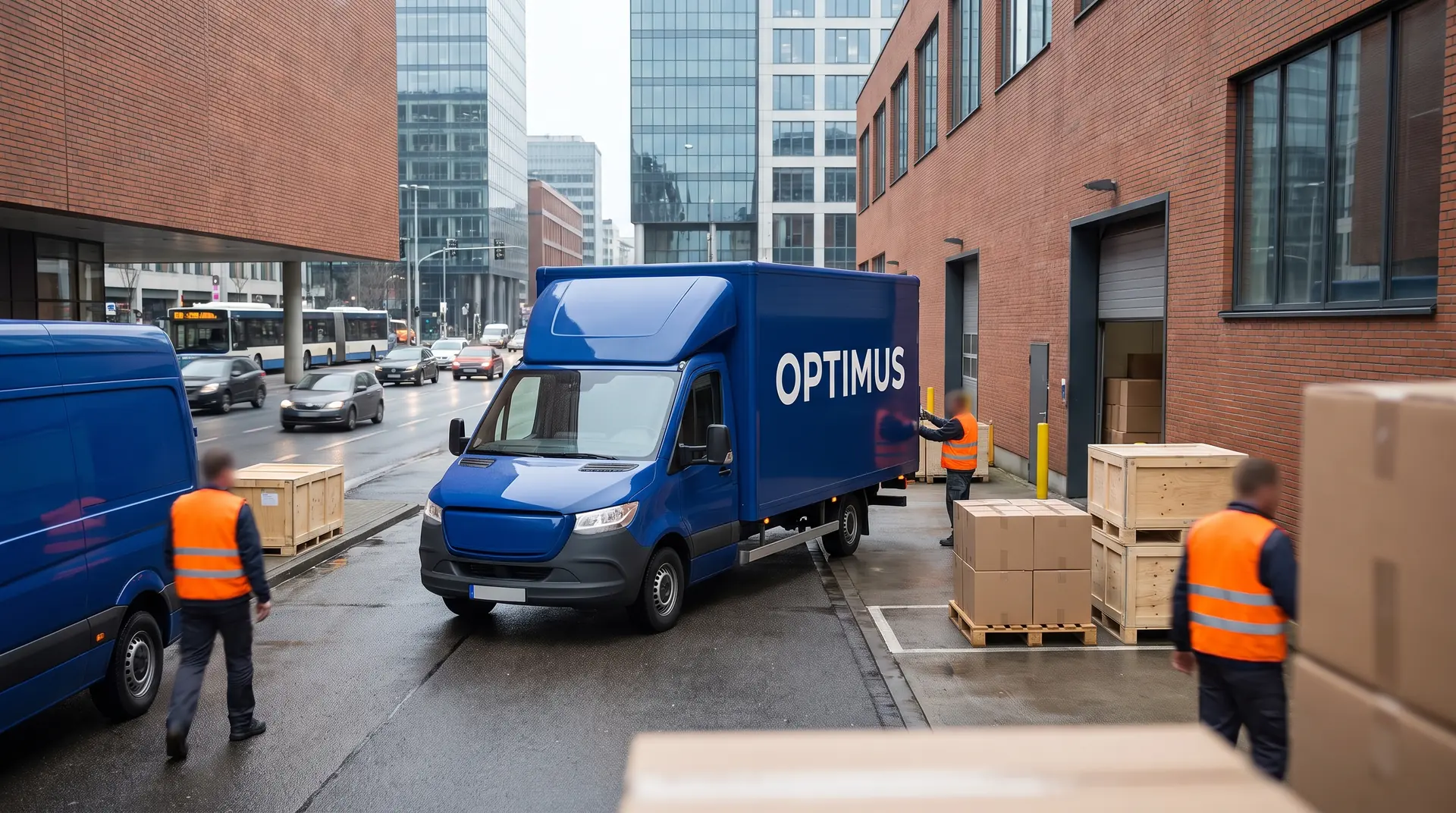
EXPO XXI operates at ulica Pradzynskiego 12 to 14 in the Wola district of Warsaw and, on the venue figures, offers around 15,000 m² of space and about a thousand parking places. It runs an active calendar of trade events and congresses. Its character is urban, so the approach, standing and unloading are governed by the constraints of a large city centre rather than those of a centre at a motorway junction.
What the smaller scale gives you
A venue measured in tens of thousands rather than hundreds of thousands of square metres has genuine advantages for an exhibitor. The route from the gate to the stand is short, so handing the load over to site staff takes less time than on sprawling ground. Fewer vehicles enter in the same window, so the queue less often stretches into hours. Orientation on site is simple and a mistake about the hall costs minutes rather than quarter-hours.
This is the mirror image of the situation described in our article on Ptak Warsaw Expo in Nadarzyn, where an easy approach meets a long internal drive. Here it is exactly the other way round: a difficult approach and a short run past the gate.
Constraints you will not find in the event regulations
The organiser regulations describe the site. They do not describe what happens on the streets leading to it. Before dispatching an articulated unit several things are checked outside the fair documents: permitted weight and height on the approach, parking rules around the venue, delivery hour restrictions, and whether the route passes through the Warsaw clean transport zone and which emission standards apply there in the current year. That last item changes over time, so it is checked before each event rather than once every few years.
For a foreign exhibitor one more question follows: the age and emission class of the vehicle carrying the load may decide the choice of vehicle rather than merely its price. It is worth settling at the enquiry stage, not on build day.
When transferring to a smaller vehicle pays
At city venues a two-stage scenario often wins: an articulated unit brings the load to a site outside the centre, and a smaller vehicle takes it onto the venue, fitting within the constraints and not blocking the street during unloading. It costs one extra handling operation but buys certainty of entry and shortens the time spent standing where standing is not allowed.
We use the same mechanism for deliveries to venues in central London and describe it in our article on delivering exhibits to London trade shows. The decision is taken at quotation stage, because it drives both the choice of vehicle and the way the load is stacked.
Unloading under the pressure of a city street
At an out-of-town venue a vehicle waiting half an hour for a free bay bothers nobody. In an urban setting the same wait can be an offence or a blockage. The practical consequence is that the load must be ready to leave the vehicle the moment it stops: pallet at the tail of the trailer, documents in hand, someone present to receive. If nobody is there on the exhibitor side, the goods pass into the hands of site staff on their terms, as covered in our piece on the official fair forwarder versus your own carrier.
What kind of events suit a venue of this size
The calendar covers trade events, congresses and service-sector shows dominated by system stands, printed material and presentation equipment rather than multi-tonne machinery. That translates directly into transport: groupage prevails, one to a few pallets per exhibitor, rather than loads needing a crane. How such a display is handled is described in our article on a small stand and a single pallet.
Checklist before a delivery to a city venue
- The build-up window and vehicle notification procedure from the regulations of that event.
- Permitted weight and height on the approach, plus parking rules around the venue.
- Current clean transport zone requirements for the vehicle carrying the load.
- The decision whether to run an articulated unit or transfer to a smaller vehicle.
- The person receiving on the stand, present when the vehicle pulls up.
The division of responsibility between the parties at a show is set out in our piece on who is responsible for what at a trade fair, and the planning of both windows in the article on the build-up and breakdown calendar.
Sources
Exhibiting at an event in central Warsaw? Send the load list and build-up window through the quote form and we will match the vehicle to the city constraints. See also our trade fair logistics page.