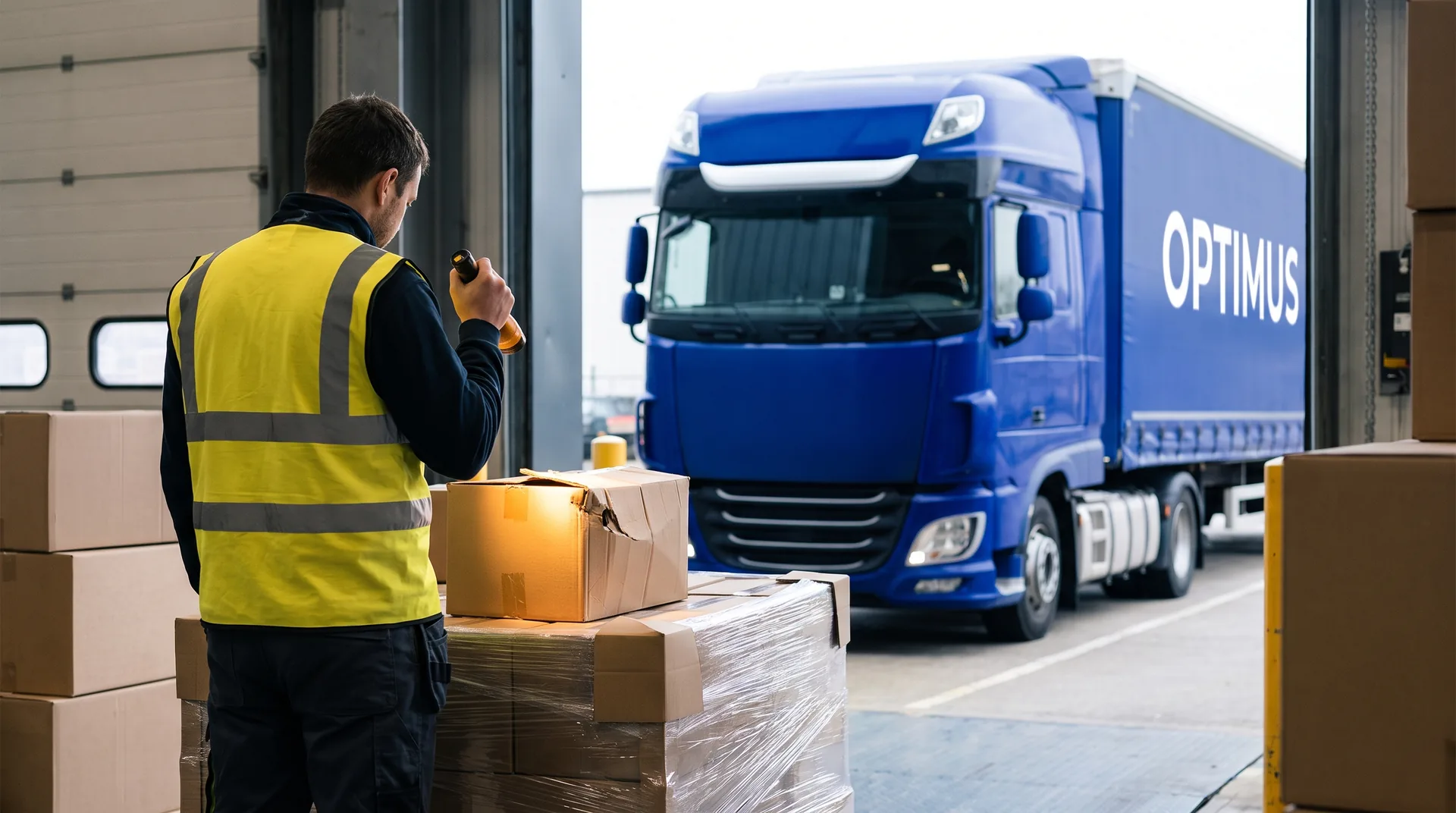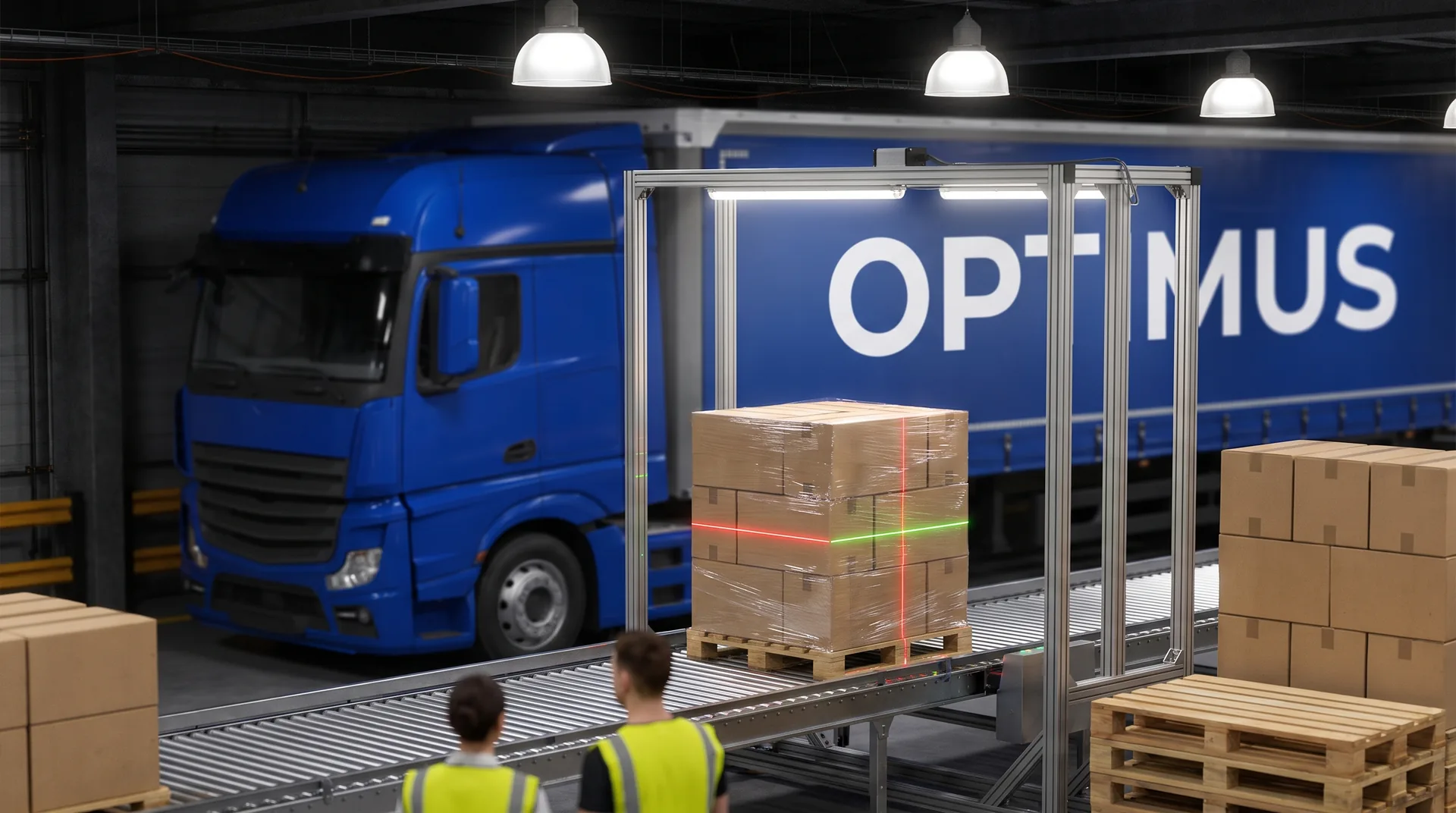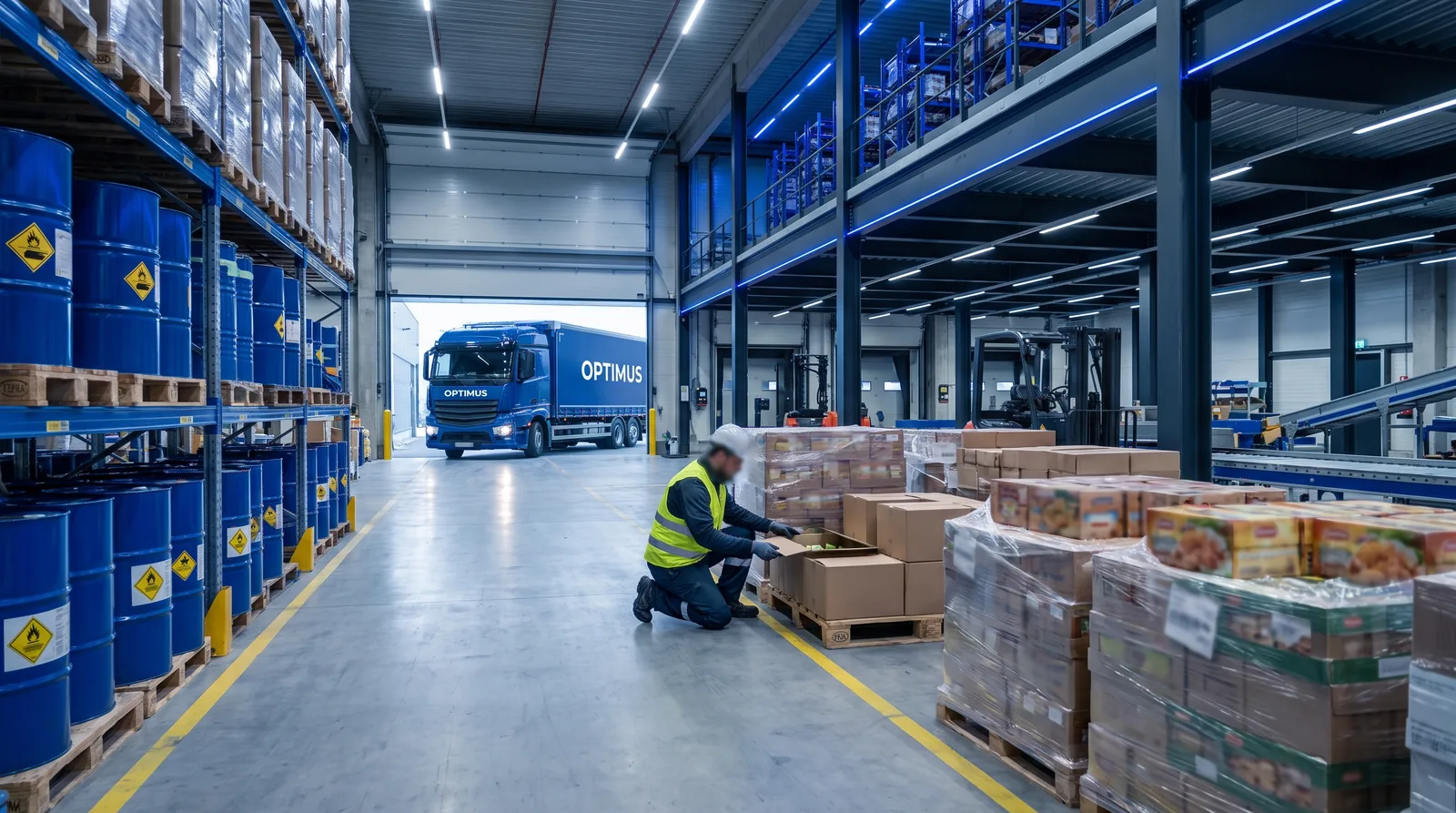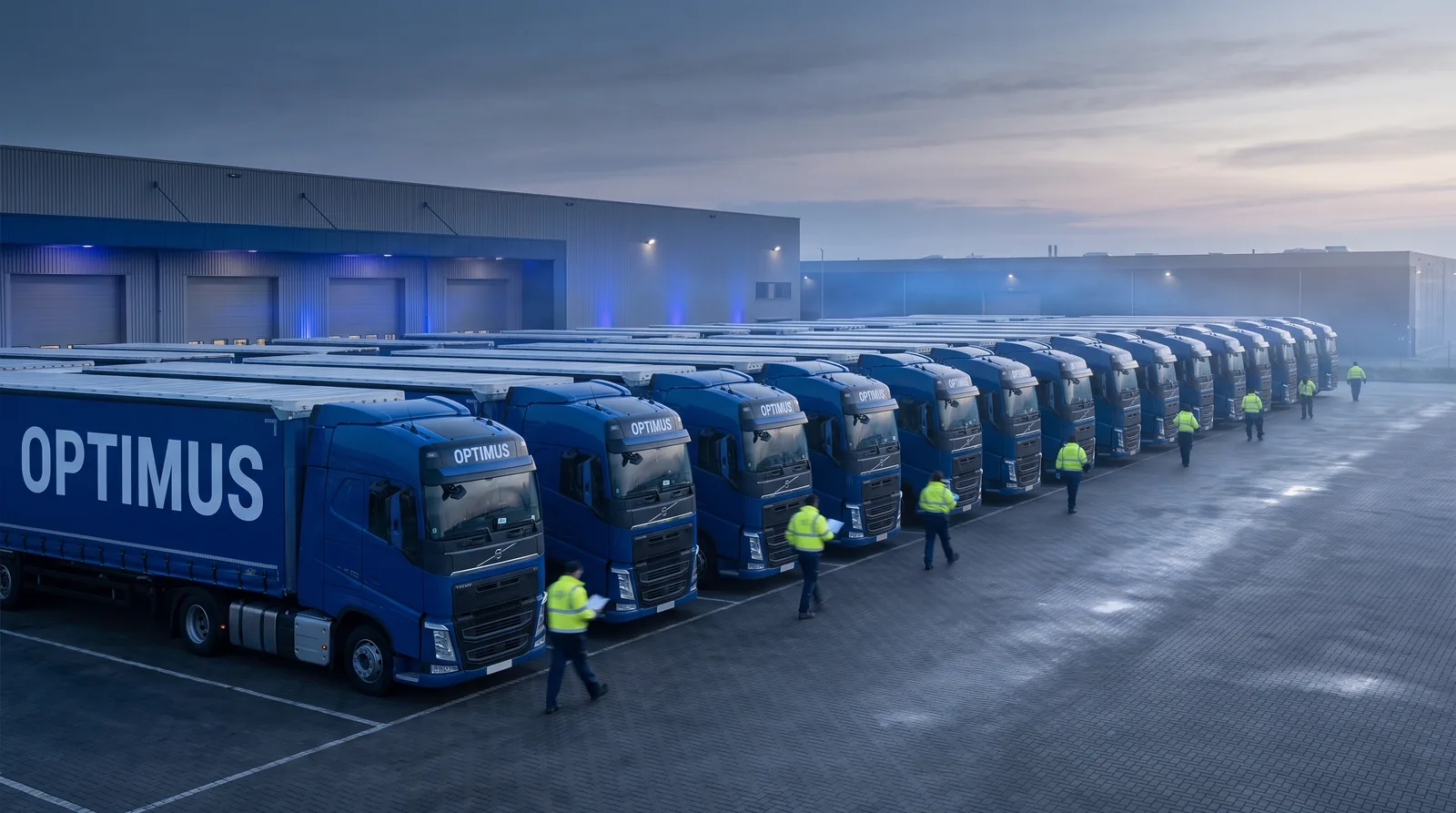
We do not trade loads on freight exchanges. Goods on the Poland to United Kingdom route travel on our own vehicles with our own drivers, and from quotation to unloading the client talks to the same team. The company that signs the transport order is the same company whose trailer backs onto the ramp. That one sentence settles most disputes before they start.
What does a subcontracting chain look like?
A typical spot market scenario: the shipper books a forwarder, the forwarder posts the load on an exchange, a second forwarder buys it and posts it again, and a third company, a small carrier with one truck, finally takes it. Every link removes its margin, so the party actually driving gets the lowest possible rate. The shipper knows only the first company in this puzzle. They do not know whose driver collects their pallets, what insurance the actual carrier holds or whether the vehicle suits the cargo at all.
What does that chain do to liability?
On paper liability is regulated: the party that accepted the carriage order answers to the shipper, and under Article 3 of the CMR Convention it also answers for its subcontractors. In practice every claim in a chain means letters passing between three or four companies, each pointing at the next one. A claim that a single carrier closes with a damage report and one insurance notification can drag on for months here. And if the last link has no valid liability policy, or disappears from the market, the injured party is left with a judgment nobody pays. We take these roles apart in our article on forwarders, carriers and brokers.
Why does an own vehicle change the daily work?
The difference goes beyond paperwork. Our driver knows the reinforced curtain has to be closed on a customs cord, because tomorrow he drives the same route for the same dispatcher. The person handling your order sees the vehicle position and tells you what is happening, instead of phoning down a chain. When something goes wrong, for example the consignee refuses the delivery, we decide in minutes, because the warehouse in Milton Keynes is ours and works around the clock. The cargo is covered by our carrier liability insurance up to EUR 1 million and by CARGO insurance, with no guessing about whose policy actually responds. What we drive is described in our article about the fleet on the UK route.
Can an exchange be an honest tool?
It can. The spot market saves the day during sudden peaks, on unusual routes or with oversized cargo a fixed fleet cannot handle. An honest forwarder then tells the client openly: we will buy this vehicle on the market, we know this carrier, and this is how we checked them. Our rule is simpler. We drive where our fleet reaches, along the Poland to United Kingdom corridor, and we do not accept loads we cannot carry ourselves. If a deadline is beyond our capacity, we say so at the quotation stage instead of quietly adding a stranger's truck.
How do you find out who is really carrying your goods?
- Before loading, ask for the registration numbers of the truck and trailer and the driver's name, then compare them with what arrives at the ramp.
- Check that the company on the order and the company on the Community licence are the same entity, with the same tax number.
- Ask for the carrier liability certificate showing the insured sum and territorial scope including the United Kingdom.
- Ask directly whether the contractor's own fleet will perform the carriage or a subcontractor, and who that will be.
These four questions take fifteen minutes and filter out most spot market risks, including criminals posing as legitimate firms. We describe the fraud patterns and red flags in our article on fake carriers from freight exchanges.
What about insurance when several companies carry the load?
In a chain, every link has its own policy and its own exclusions, and after a loss the key question becomes whose policy actually responds for that leg. The first forwarder's insurer points to the actual carrier's liability; that carrier's insurer starts by checking whether the carriage fitted the policy at all: the parking clause, sub-limits for the goods, subcontractor cover. The cargo owner spends weeks establishing where to even send the claim. With one carrier, one liability policy and CARGO insurance on the goods, the puzzle disappears: it is clear who is liable, what pays and which documents are needed. Which clauses to read in a carrier's policy before booking is covered in our article on carrier liability exclusions.
Sources
Want to know whose truck will collect your goods? With us the answer never changes: ours. Write via the contact form and one person will run your transport from quotation to unloading.