A tampered trailer is not a matter for two phone photos. A broken seal, a cut curtain or signs of entry mean the cargo has to be examined under controlled conditions, recorded piece by piece and documented so the file stands up in front of the insurer and the consignee. We do this at our warehouse in Milton Keynes.
When is a trailer tampered with, and why is it not always theft?
Tampering is any state in which you can no longer claim the load space stayed closed from loading to unloading. The seal number does not match the consignment note, the curtain has a slit or a fresh patch, the customs cord is cut, the doors show pry marks. Sometimes the cargo is complete and untouched, and the matter still does not end with a shrug, because a UK consignee may refuse goods whose integrity nobody confirmed. Sometimes it is the other way round: the load looks tidy until you break down the pallets and find cartons cut open in the middle of the stack. So the first question is not whether anything is missing, but whether anyone could have reached the goods.
The first hours: what the driver does before anyone touches the cargo
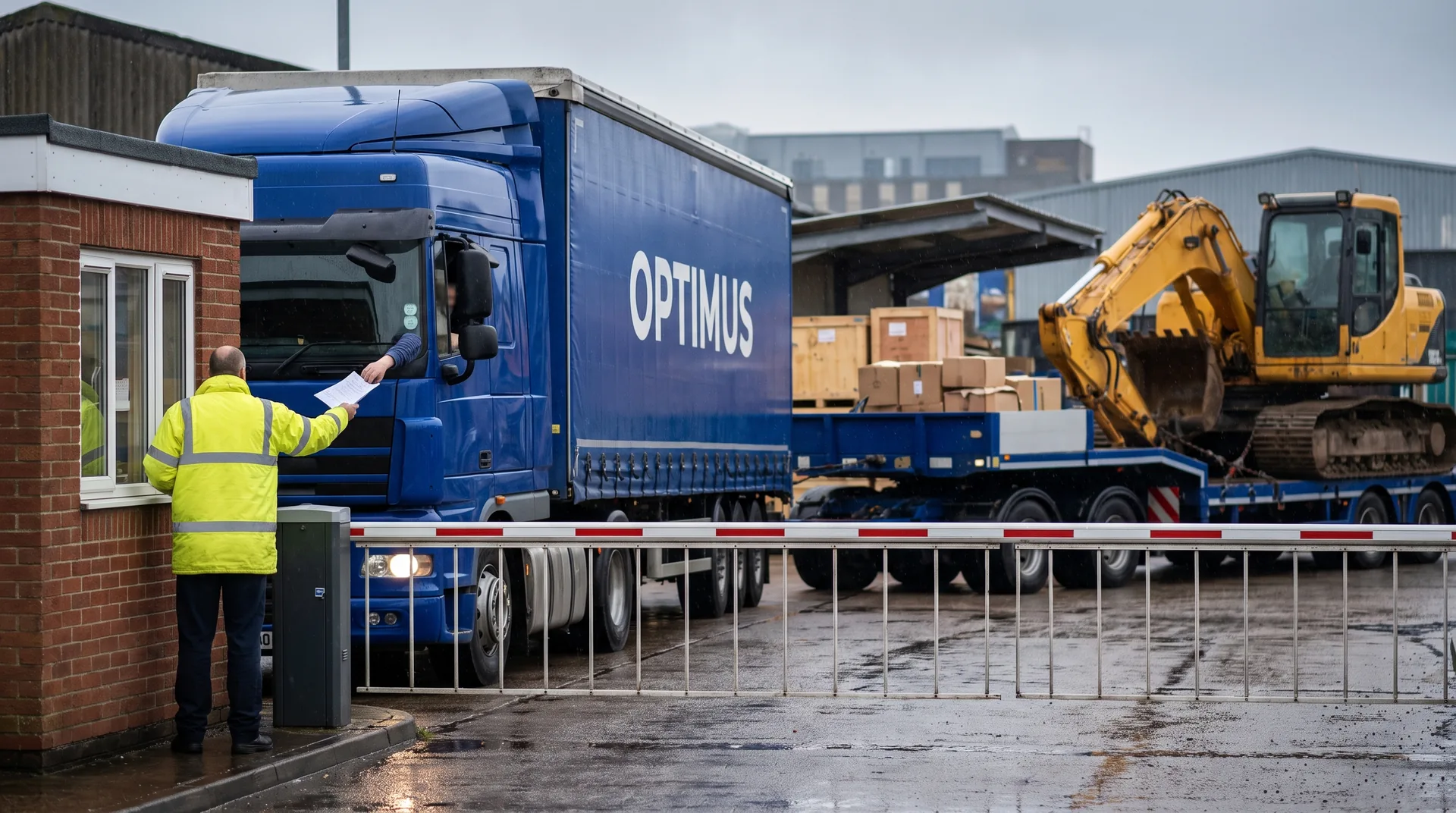
Sequence matters, because later documentation is worth exactly as much as the first securing of the scene. The driver does not unload, restack or tidy up. He stops somewhere safe, photographs the whole trailer from outside, then the details: the seal or what is left of it, the cut, the doors, the plates, the surroundings. He notes the time, the place and the last stop where the seal was intact. He reports to dispatch and waits for a decision. If the situation calls for it, the case goes to the police and the crime reference number joins the file. Opening the trailer on the hard shoulder and counting pallets in the rain is the simplest way to have the insurer question the whole story later.
What the inspection at Milton Keynes looks like
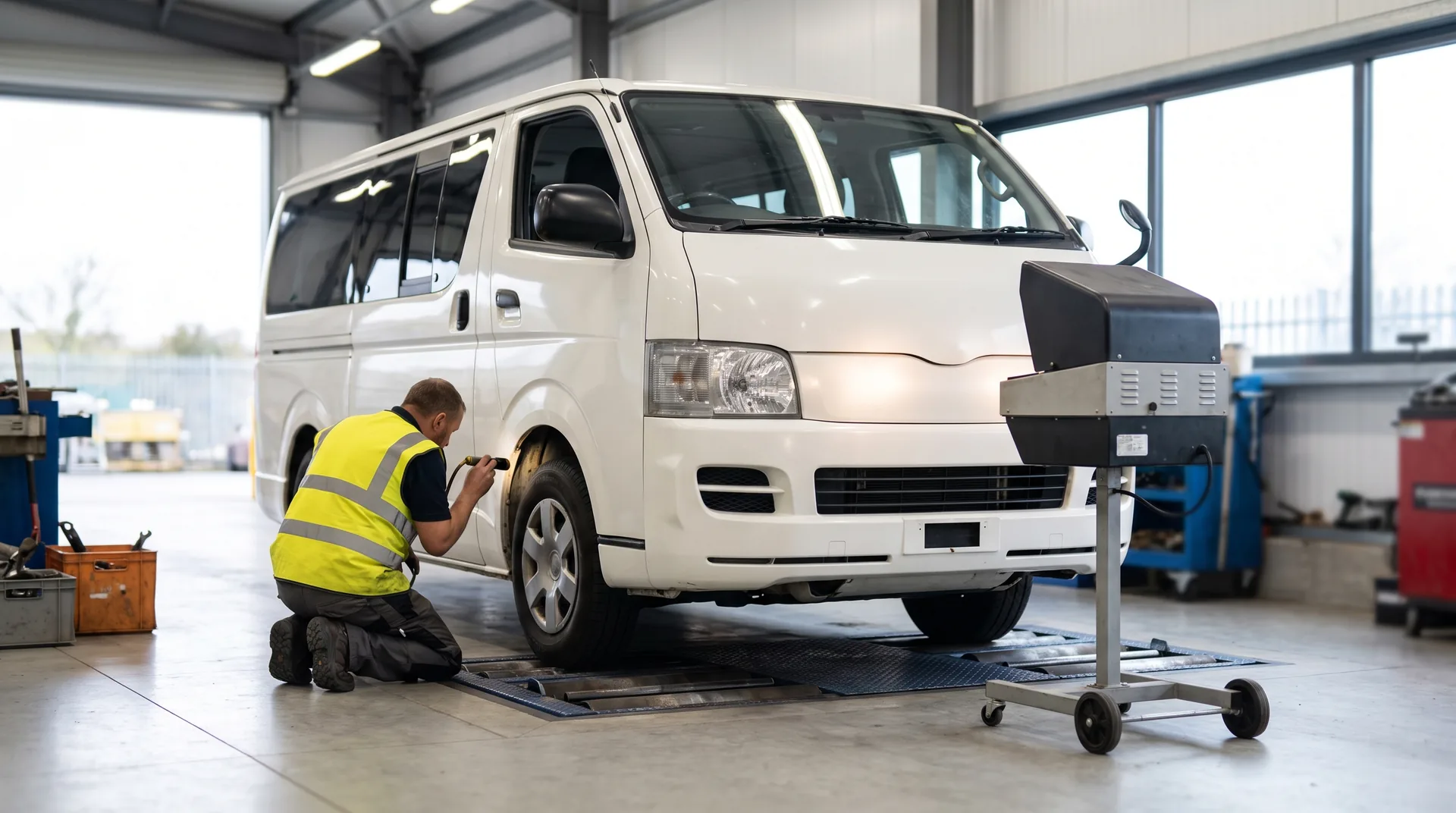
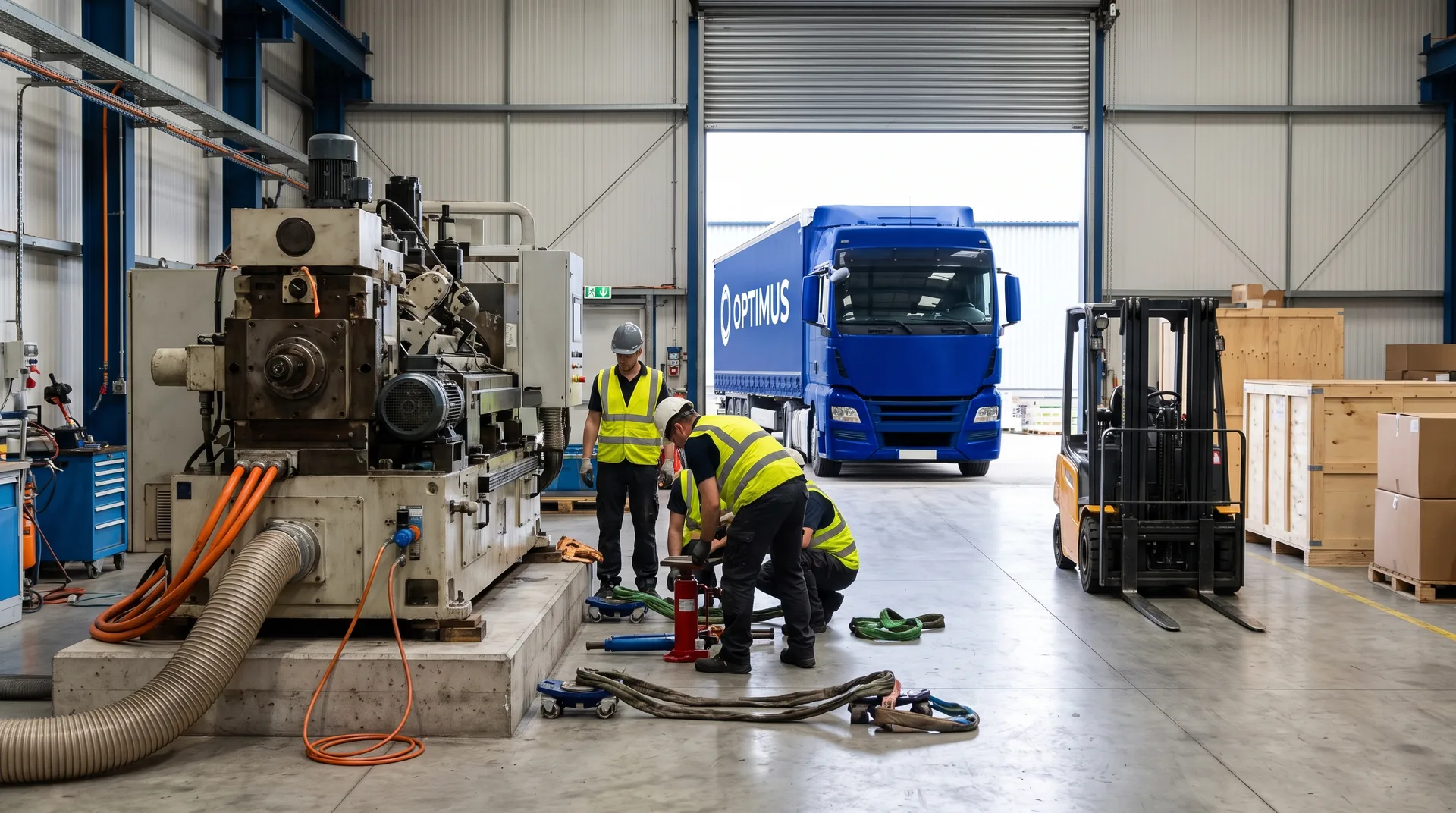
We route the vehicle under cover, to our Milton Keynes warehouse, which runs around the clock. By that point the load is already cleared, because the import declaration closes at the crossing, so nothing holds up entry to the dock. Unloading is supervised, pallet by pallet, with a record of everything that leaves the trailer. We check the number of packages against the consignment note and the packing list, examine wrap, tape, corners and labels, and where interference is suspected we break pallets down to individual pieces. Chilled goods go into refrigerated and frozen zones, so the cold chain is not broken for the sake of the examination. Where surface contamination or contact by unauthorised persons is in play, we apply UV inspection and decontamination, covered separately in our article on UV cargo inspection.
Load filtering: what can be saved and what cannot
The most common mistake after tampering is a binary decision: either the whole load moves on or the whole load is destroyed. In practice most such consignments split into three groups. Untouched pieces with intact unit packaging return to circulation once restacked onto clean pallets. Pieces with damaged packaging but a sound product need the consignee's decision and usually repacking. Pieces where interference with the product itself cannot be ruled out are set aside. We call this split load filtering, and it decides the real loss. At our warehouse the recovery rate, counted in units of goods actually put through filtering after an incident, exceeds 92 per cent, which in practice means most goods return to sale instead of ending up on a claim. Goods that cannot be released go to certified disposal, because an insurer needs proof of destruction, not an assurance.
The report, the photos and the documents an insurer will ask for
An inspection report is a document, not a note. It carries the date and time of the work, the place, the people present, a description of the trailer and seals, a numerical statement of pieces accepted and questioned, a description of damage and photographs tied to specific line items. Photos follow a fixed order: overview, detail, batch number or label, so every image can be matched to an entry. Add copies of the consignment note, the packing list, the police report reference and temperature records if the cargo was sensitive. What such a file should contain is set out in our article on the inspection report for the insurer.
CMR reservations and deadlines that are easy to miss
The CMR Convention ties the strength of later claims to what was written down at delivery. Loss or damage apparent to the eye should be raised with the carrier at the moment of taking delivery, with a reservation entered on the consignment note. Damage not apparent at delivery requires a written reservation within seven days of delivery, Sundays and public holidays excluded. Delay carries its own deadline. Accepting goods without reservation creates a presumption that they were delivered in the condition described on the note, and that presumption then has to be rebutted with evidence. Liability rules and limits are covered in our pieces on carrier liability under CMR and on the claim and damage report, and the full text sits on our CMR Convention page.
Stowaways: a separate path and a separate risk
Tampering on the route to the United Kingdom very often has nothing to do with cargo theft and everything to do with people trying to reach the country. That changes the procedure, because beyond the state of the goods it brings in vehicle checks before the crossing and the British civil penalty scheme for hauliers. A load whose space was entered by unauthorised persons needs inspection and usually decontamination before anyone releases it for distribution, especially in food and cosmetics. We develop this in articles on stowaways in the trailer and on civil penalties for clandestine entrants.
What to have ready when you call us from the road
The more specifics on the first call, the faster the procedure starts. Give the vehicle registration and consignment note number, the location and the time tampering was found, the seal number from the documents and the one actually found, the type of goods and whether the load needs controlled temperature. Say whether the police have been informed. If the consignee already knows, add their requirements, because some retail chains run their own acceptance procedures after an incident. On that basis we decide whether the vehicle goes straight to the Milton Keynes warehouse or whether the inspection can be done at the delivery point. Situations after road accidents follow the same logic, described in our text on cargo after a road accident.
Sources
- UNECE: CMR Convention and related instruments
- GOV.UK: clandestine entrant civil penalties for hauliers
Do you have a tampered trailer in the United Kingdom or on the way there and need an inspection whose documentation will hold up in a claim? Describe the situation through our quote form and we will set the procedure and the place of examination. The scope of work is on the cargo inspection page, and the full offer for the route on transport to the United Kingdom.