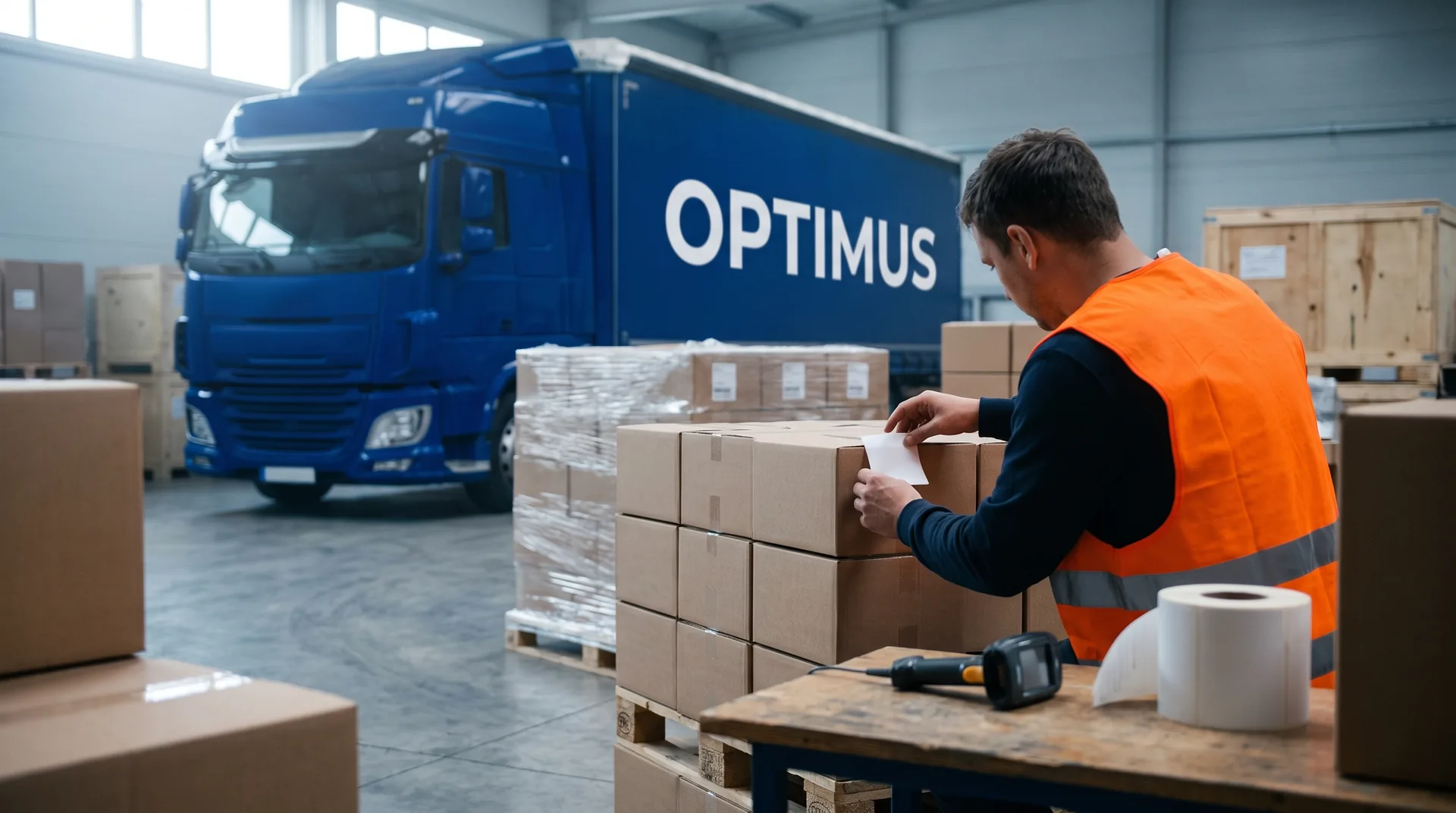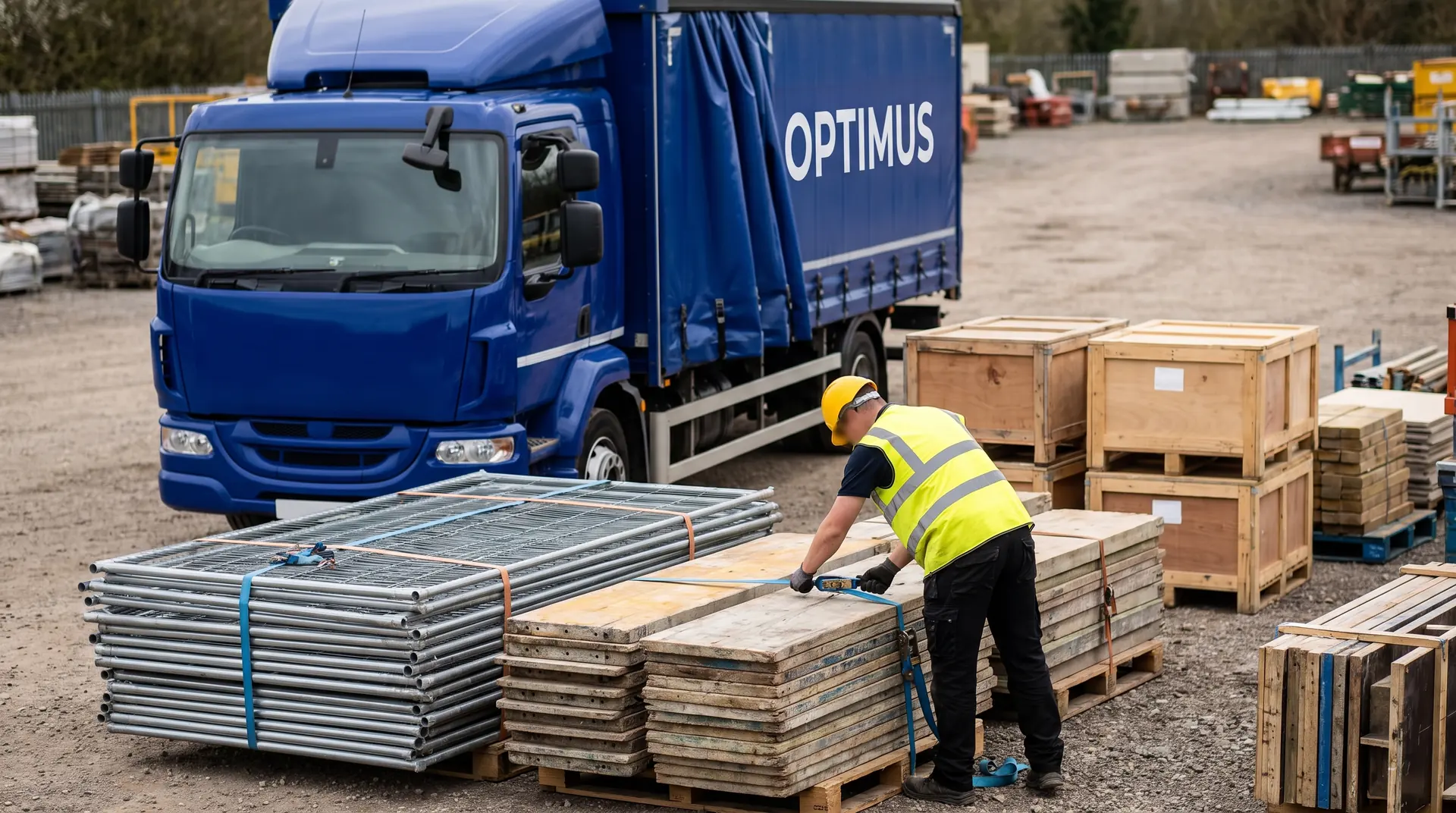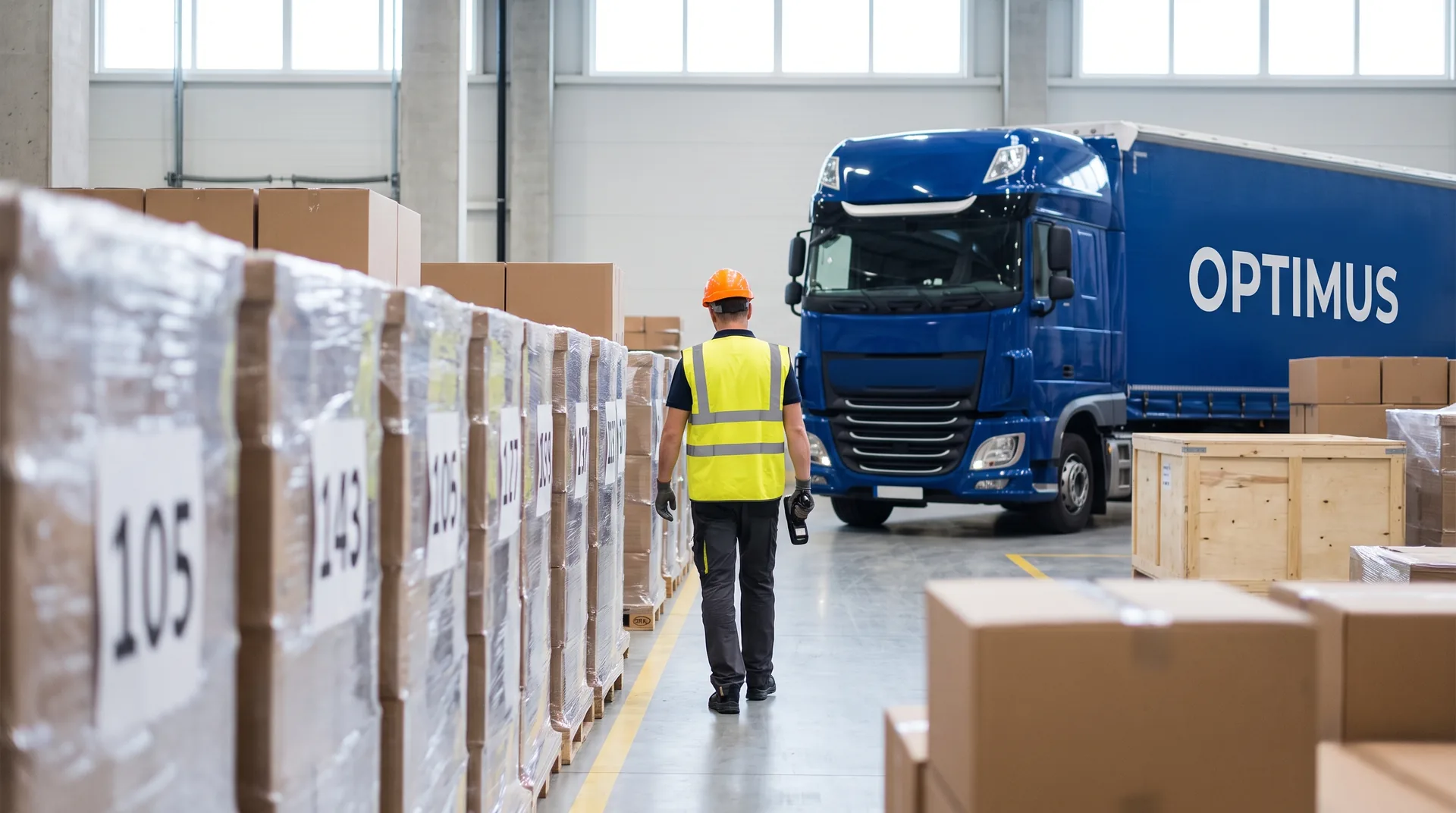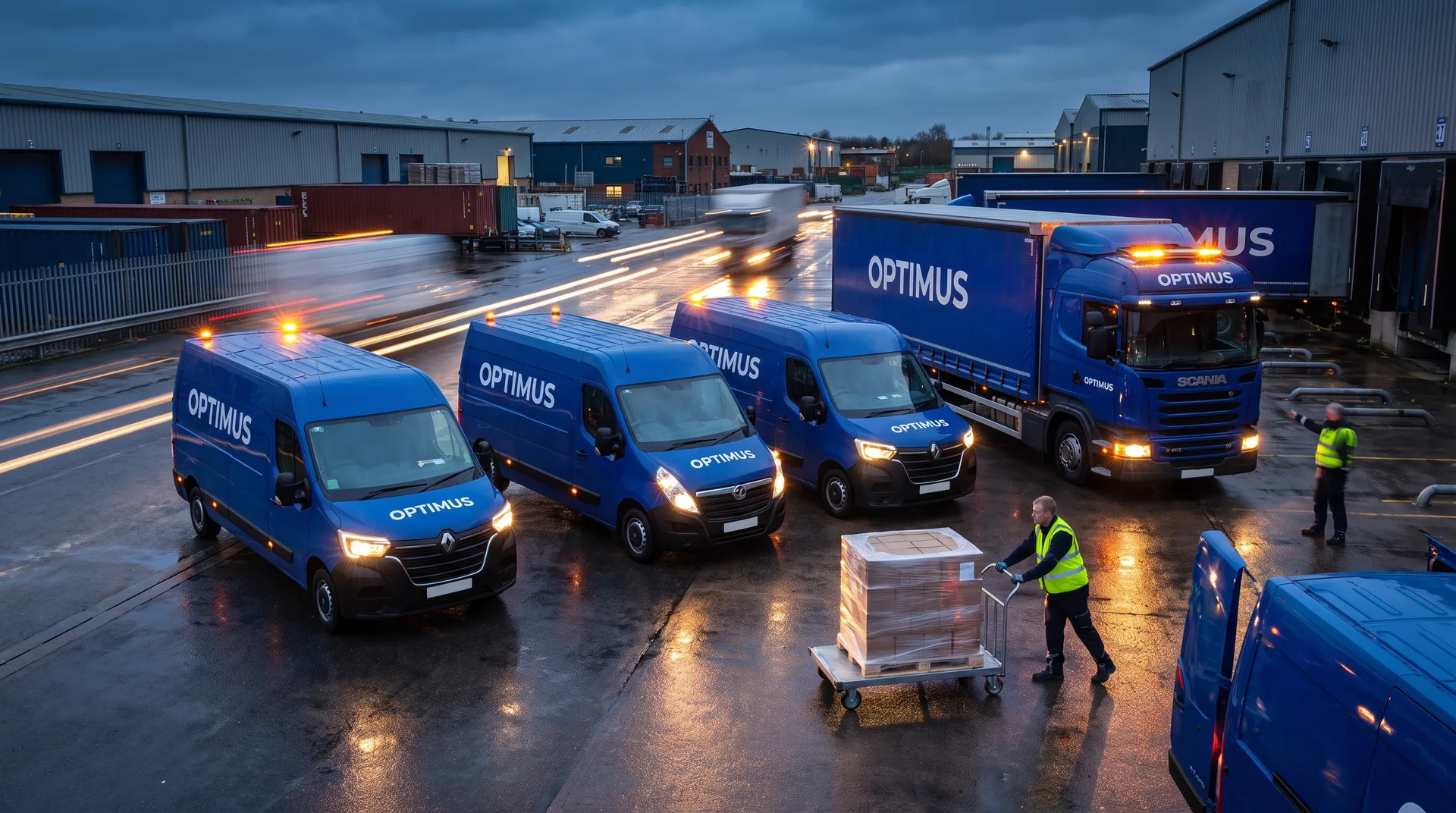
For critical deliveries we run dedicated express transport: the vehicle carries your load alone, with no transhipment and no waiting for the next scheduled departure. Where one vehicle is not enough or the risk is too high, we send several in parallel, even for a single pallet that is holding up a production line.
When we run express
- A production line at risk: a missing component halts assembly, and an hour of downtime costs many times the transport.
- A booking window at risk: the delivery has to make its slot at a distribution centre, otherwise the date slips by days.
- A failure at another carrier: we take the load over mid-route and complete the delivery.
- An urgent top-up: a shortfall on a site, in a shop or on an exhibition stand during build.
- A quality claim: replacement stock has to arrive before the receiver blocks the whole delivery.
Several vehicles for one consignment
Where the deadline is hard and the load divisible, we split it and run several vehicles in parallel. There are two reasons for that. First, one vehicle cannot make it within driver hours and a change of driver is not practical. Second, the risk of putting everything on one vehicle is too high, because a breakdown means a stopped factory. This costs more than standard freight, but it is compared against downtime rather than against a normal rate. We combine the model with automotive slot deliveries and the work described in urgent vehicle-off-road parts transport.
What we run and why it matters
For light, urgent loads we use vans, which fall outside some of the restrictions applying to heavier outfits and can be crewed to minimise stops. For heavier consignments we provide a vehicle with full load space. The choice is set out in express groupage or a dedicated van and in the 2.5 tonne van on the UK lane. On the island route the crossing matters too, because the tunnel and the ferry differ in timing and departure rhythm, as we explain in choosing the crossing.
The border is the usual source of delay
On express work to the islands the time is normally lost on paperwork rather than on the road. A missing border reference, a goods description that does not match the safety declaration or an out-of-date importer number stop a vehicle more effectively than any traffic jam. So on express jobs we start the customs work in parallel with providing the vehicle, not after loading. The scope of formalities is on our customs clearance page.
Emergency unloading and loads that have shifted
A separate category covers loads that have moved in transit, trailers that have been interfered with, and goods that need unloading and securing urgently. We work in a fixed order: assess the condition, photograph everything, re-stack and re-secure the pallets, decide whether to continue. The practice is described in cargo inspection after trailer tampering, and the full range of this work on our cargo inspection and recovery page. On the British side the base for it is our own warehouse in Milton Keynes, where goods can be unloaded, checked and prepared to travel on without tying up a vehicle.
What to tell us when you call about something urgent
The fewer follow-up questions, the sooner a vehicle moves. We need collection and delivery addresses, dimensions and weight, the latest acceptable arrival time, whether there is a bay and a forklift at each end, and the customs details. If the goods are hazardous or need temperature control, say so immediately, because it changes the vehicle. The operations team is reachable around the clock, and terms are agreed by phone and confirmed in writing. The service itself is described on our express transport page.
What you are actually buying with express
Express does not mean the driver goes faster. It means everything that normally consumes time disappears from the journey: waiting for the next scheduled departure, transhipment at a hub, standing at a shared unload, and a delivery sequence built around route optimisation. The vehicle runs from one point to the other, and the only schedule is your deadline. Add priority on the operations side: an express job has a named person watching it in real time rather than checking status once a day. So when comparing offers it is worth asking not about the quoted transit time but about how many stops the route has and whether the vehicle is dedicated. A fast transit promised on a movement involving transhipment is a promise without backing, because the hub rhythm decides the timing, not the driver. We compare the options in express groupage or a dedicated van.
Facing a situation where every hour counts? Describe it in our quote form or call: we will come back with a collection time and a realistic arrival, not a promise we cannot keep.