Odour contamination is the transfer of smell from one load to another in a shared cargo space. It leaves no hole in the wrap and no scratch on the carton, yet it can disqualify an entire batch: food, cosmetics and textiles absorb odours from the air, while detergents, chemicals and fuels give them off for weeks. In groupage transport, where a dozen consignments from different shippers share one trailer, safety is decided by planning neighbourhoods before loading, not by the driver's nose afterwards.
Which neighbourhoods are asking for trouble?
- Household chemicals and scented cosmetics next to food: washing powders, fabric softeners and scented candles are the usual culprits.
- Paints, solvents and adhesives next to anything absorbent: textiles, paper, upholstered furniture, packaging.
- Tyres and rubber goods next to food and clothing.
- Spices and coffee next to delicate foodstuffs: a strong smell works in both directions.
- A trailer fresh from a chemical load taking food without airing and assessment first.
How do we plan part loads in practice?
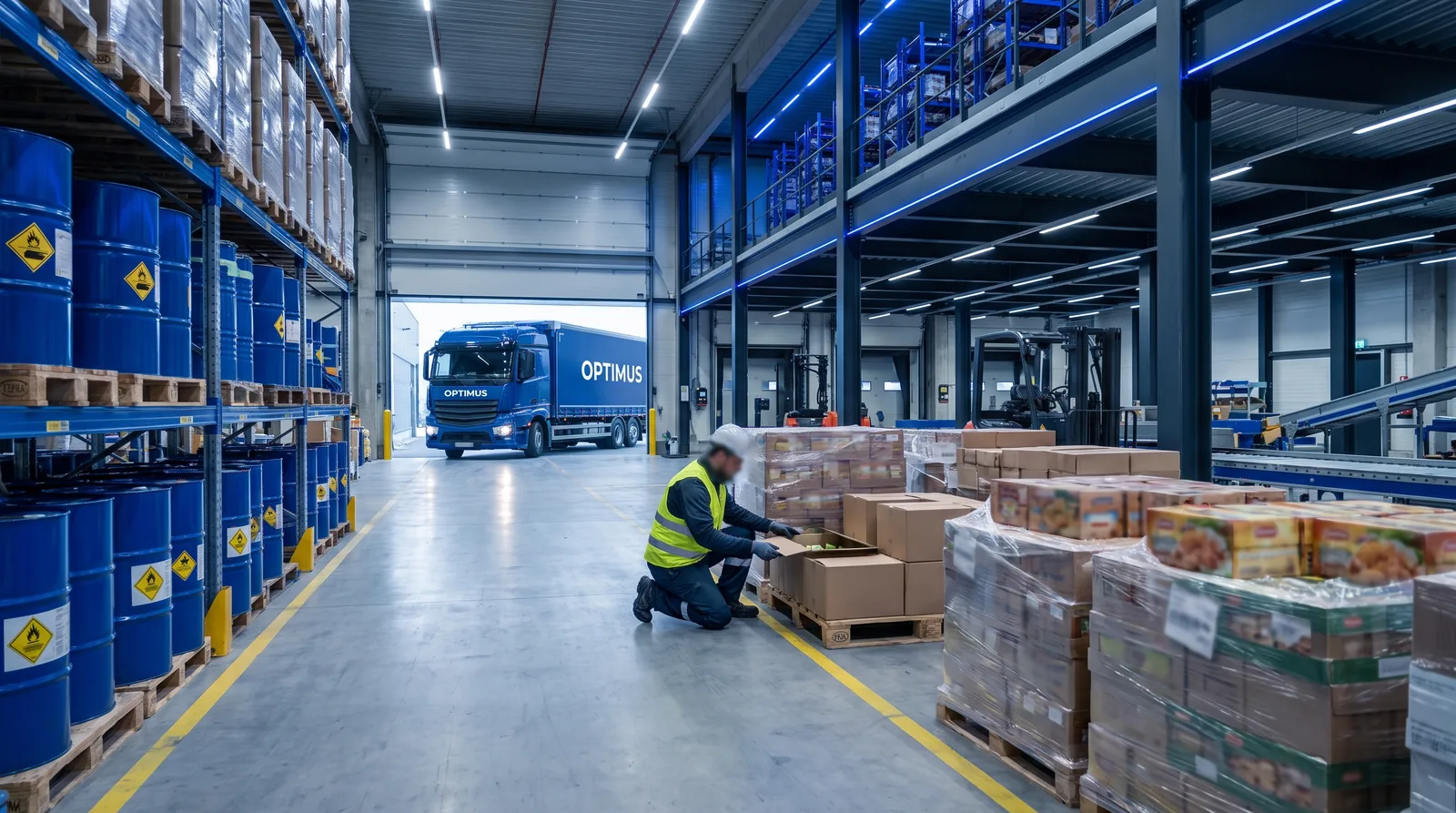
It starts with knowing what we carry: every load in our groupage has a goods description, so declared chemicals and food do not meet in one space without separation. Sensitive cargo is planned onto vehicles coming off neutral loads, and the trailer's history is part of the planning, not a piece of trivia. We separate physically: distance, partitions, separate trailer sections, sealed packaging on the shipper's side. The biggest remaining risk is undeclared or vaguely described goods, which is why we ask what is inside before accepting a part load. The same separation logic applies in the warehouse, where food has zones set apart from chemicals.
What does inspection do when a consignee reports a smell?
- We secure the batch in a set-aside, ventilated zone of the Milton Keynes warehouse, away from sources of further odours.
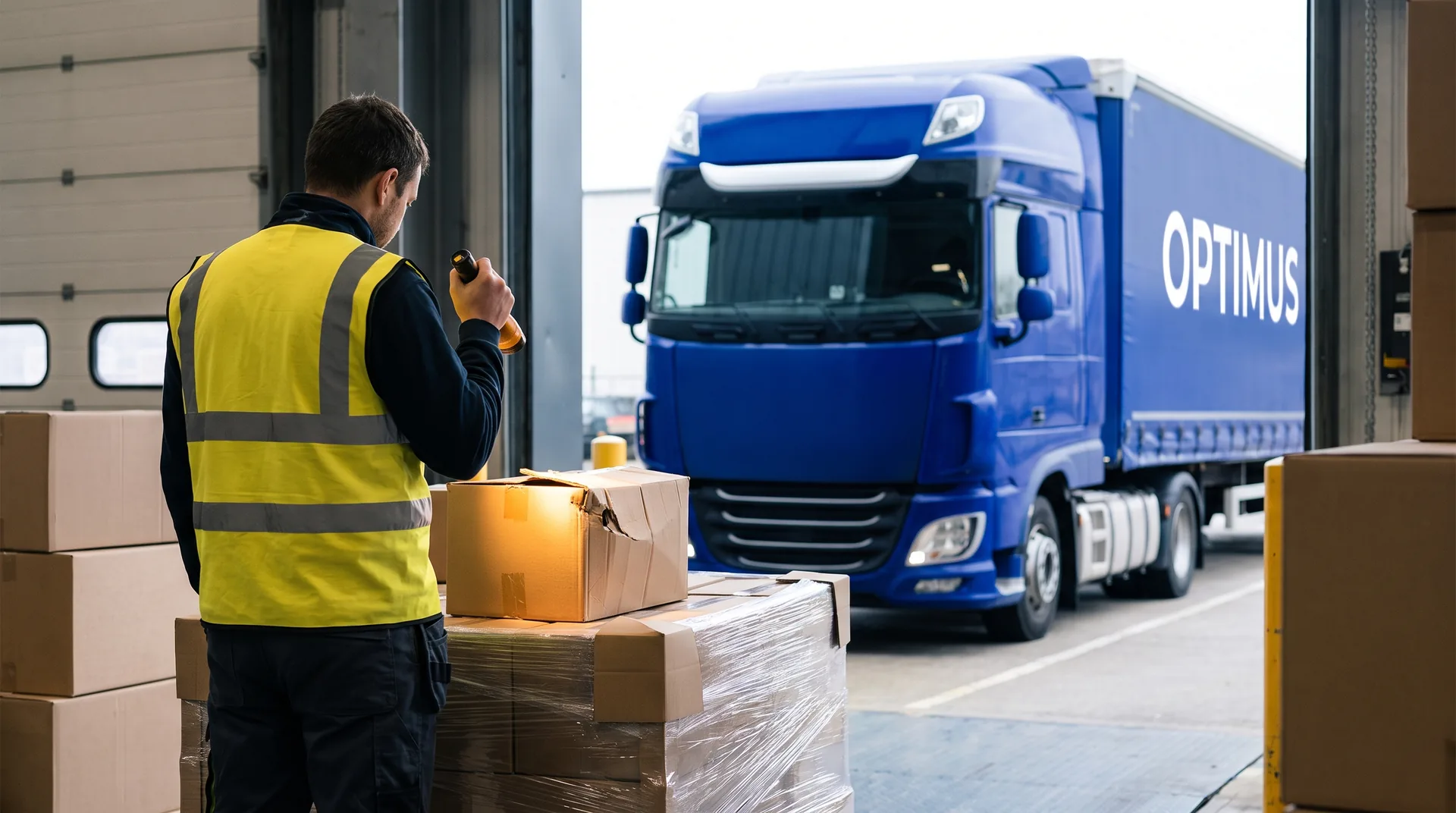
- We run a sensory assessment on sample pieces from different pallets and document which layers of the load are affected; the smell often sits only in pieces closest to the source.
- We establish the likely source: what travelled alongside, what travelled before, what the trailer or the outer packaging smells of.
- We segregate the batch and place the disputed part in quarantine, described in our article on quarantine, hold and release.
- We draw up an inspection protocol for the shipper and the insurer, with layout photographs and a description of the neighbourhoods.
The full scope of this work is on our cargo inspection page. For temperature-controlled products the procedure joins up with cold chain analysis, covered in our article on the broken cold chain. Where the contamination is visible rather than only detectable by smell, the assessment runs layer by layer and ends in a decision for each pallet separately, which we describe in contaminated freight and how inspection works.
Is the carrier liable for taint?
As a rule yes, if the damage arose between acceptance and delivery, which includes damage from a bad neighbourhood the carrier itself planned in the vehicle. The difficulty is proof: a smell does not show on a photograph, so the claim rests on sensory or laboratory assessment, the neighbourhood record from the consignment notes and the timing of the complaint. A defect not apparent at delivery falls under the seven day reservation period of Article 30 CMR, so a consignee who smells something foreign while unpacking should report it in writing at once, not with the next delivery. The shipper can also cut the risk at source: barrier packaging and sealed wrap are an investment for sensitive goods, not a cost.
What can the shipper do before the goods leave?
Three decisions at the loading end cut taint risk more than anything done later. First: an honest, specific goods description in the order, including sensitivity to odours or the fact that the goods themselves smell strongly; neighbourhood planning is exactly as good as its input data. Second: packaging matched to the risk, meaning barrier bags for tea, coffee and spices, sealed packs for premium textiles, shrink film instead of loose stretch wherever the pallet will travel in shared space. Third: requirements written into the order, such as no chemicals in the same cargo space or a trailer fresh from a neutral load; a professional carrier will accept such conditions, and reluctance to confirm them says everything about how the loading will be planned. With clothing and textiles that list bites hardest, because fabric absorbs odour across its whole surface rather than only where the packaging failed; we cover it separately in transport of clothing and textiles to the UK.
Sources
Shipping goods to the UK that pick up smells easily? Write via the contact form: tell us what you carry and we will plan the neighbourhoods and the vehicle so it arrives the way it left.