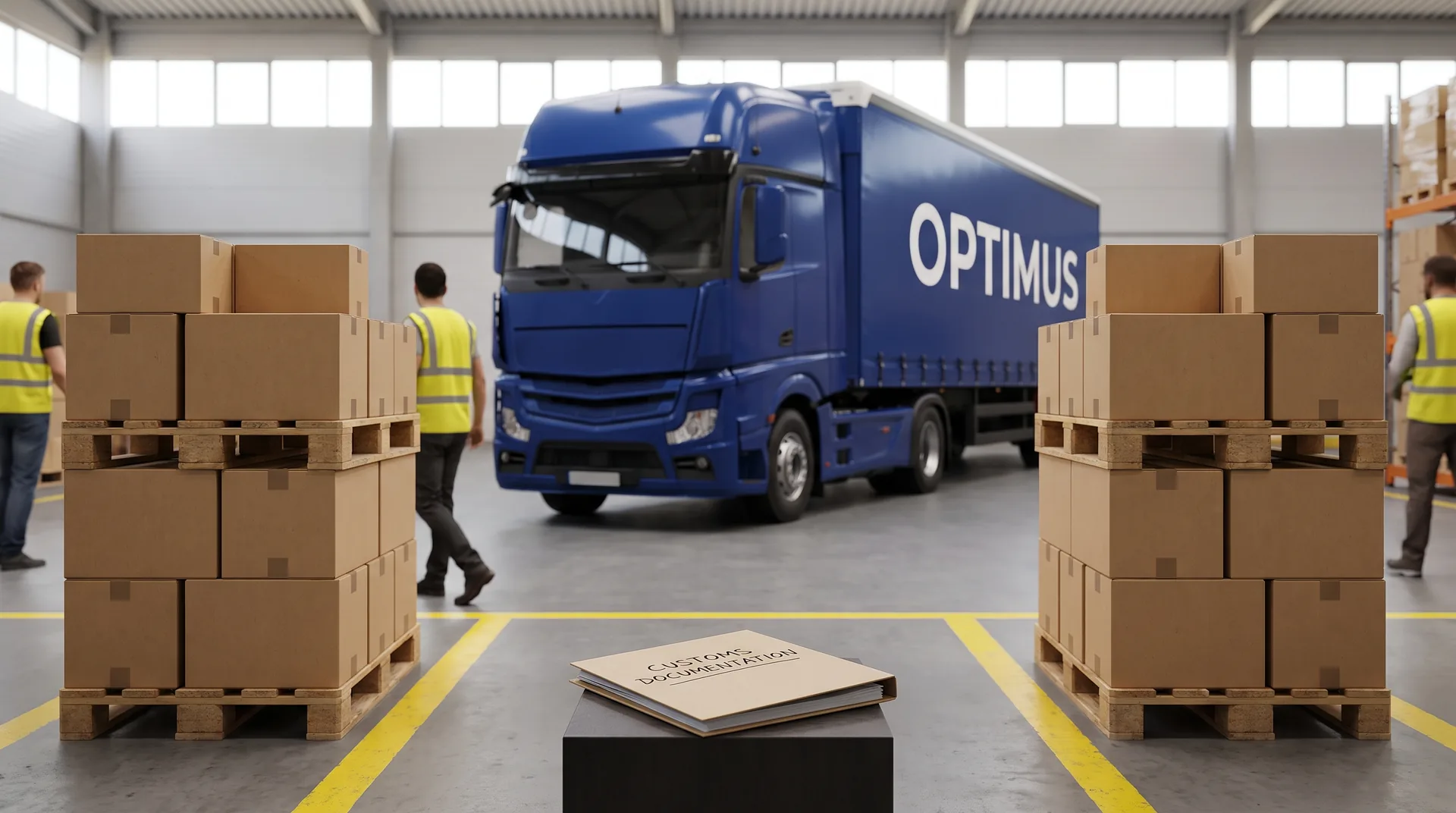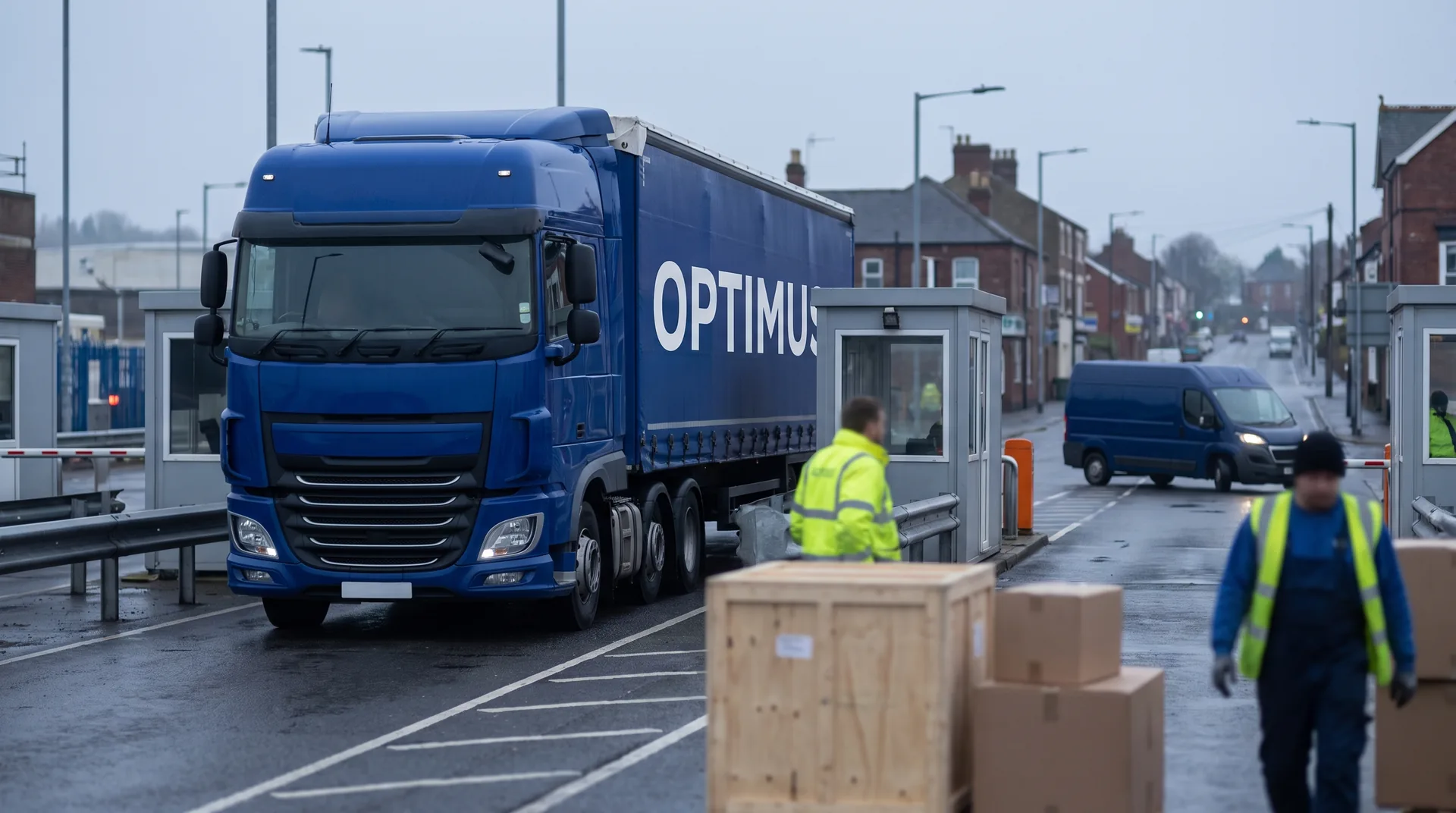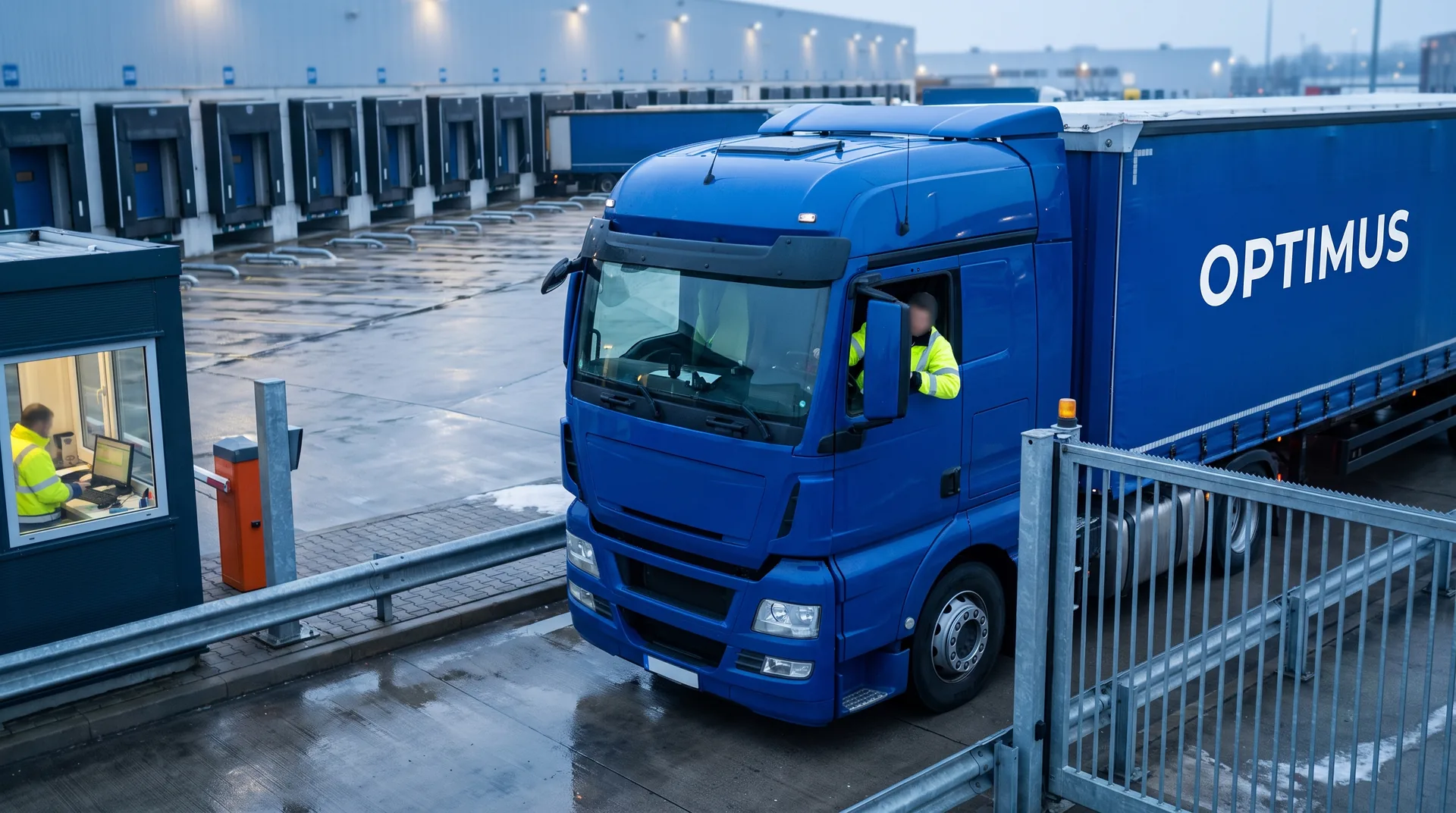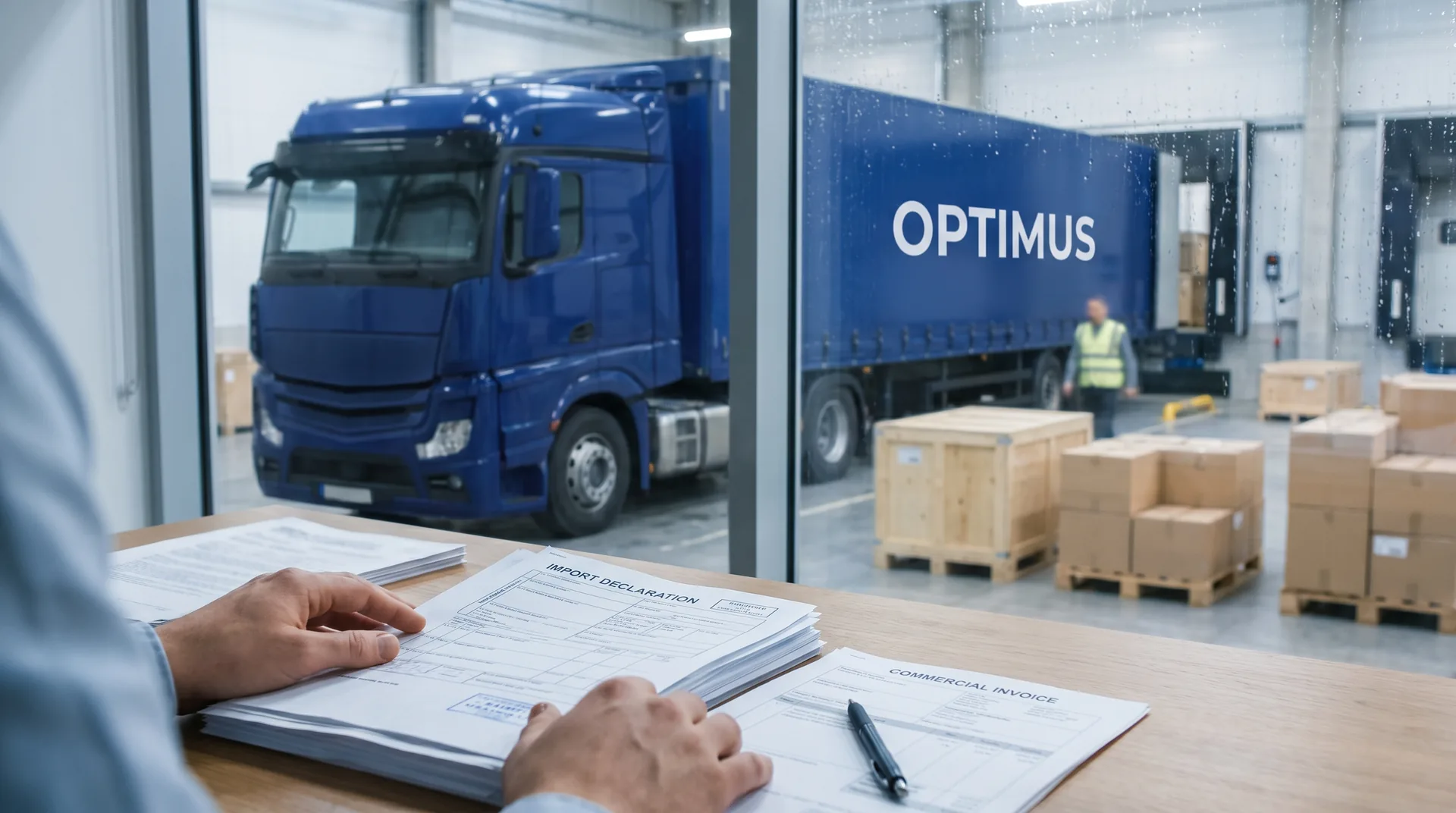
Amazon is not the importer of goods you send to its warehouse. The importer is the seller, or a party the seller nominates in the United Kingdom, and that party answers for the import entry, the duty and the import tax. Neither the carrier nor the customs agency takes the role over: they lodge the entry on the importer’s behalf, but responsibility for its content stays with the party bringing the goods in.
Why Amazon cannot be the importer
Amazon provides storage and order fulfilment; it does not buy the goods from you. The pallet standing in the warehouse remains yours. A party that does not acquire the goods has no basis to declare them for import in its own name and does not take on the customs charges. From that follows a rule worth remembering in one sentence: a delivery to an Amazon warehouse is an import on your risk and your details, which merely happens physically at somebody else’s address.
The practical consequence is that the delivery has to arrive with charges settled. A delivery term under which the consignee would pay duty and import tax does not work in this channel, because the consignee is not a party to the transaction. The differences between terms are set out in the article on DDP and DAP on UK deliveries.
What the importer needs on the British side
- An EORI number with the GB prefix, required to import goods into England, Wales and Scotland. An EU number does not substitute for it, as covered in the article on the EORI number for UK trade.
- Registration for British value added tax, where goods are to be sold from stock already held in the country. The extent of the obligation depends on the sales model and needs checking case by case.
- Tariff classification and customs value for every line in the shipment, consistent with the invoice and the packing list.
- Proof of origin, if you want a preferential rate. On import into the UK this is supported by a statement on origin made out by the exporter, or by the importer’s knowledge.
When the importer is not you
There are arrangements in which a separate British party takes the importer role: a subsidiary of the seller, a British distributor buying the goods before entry, or a specialist provider acting as importer. Each of these moves responsibility together with title or together with a contract, and each has to be written into the documents before loading, not after the border. Changing the importer mid-carriage is possible, but it costs time that a delivery with a booked appointment usually does not have.
What cannot be done is naming the carrier, the customs agency or a warehouse the goods merely pass through as the importer. Our site in England is an operating address and a storage location, not the party placing goods on the market, which we unpack in the article on the warehouse as a UK operating address.
What we do and what we do not do
We run clearances in cooperation with established customs agencies on both sides: the export entry in the EU, the import entry in the United Kingdom and the movement reference that ties it together at the crossing. The data comes from you and you answer for its accuracy, because it is your details on the entry. You can formally declare the import yourself, but in practice almost nobody does, because it needs access to British systems and current knowledge of the procedures.
The most common flashpoint is a missing or inactive number on loading day. The vehicle then stands with the goods ready and the receiving appointment is lost, which we describe in the article on a missing EORI on loading day. That is why we verify numbers before the vehicle is dispatched, not on the way to the crossing.
Sources
- GOV.UK: import goods into the UK, EORI numbers and declarations
- GOV.UK: statement on origin and importer’s knowledge
- Amazon: scope of the FBA service and cross-market fulfilment
Not sure who should be the importer in your setup? Describe the sales structure in the quote form and we will point out which numbers and documents are missing before the first shipment. The channel is described on the Amazon UK deliveries page.