A pallet for Amazon in the United Kingdom has to meet a few fixed conditions: a sound carrier matching the programme specification, goods that do not overhang, a height within the limit for that delivery type, stable wrapping and labels a scanner can read. Amazon changes the actual figures, so the only binding source is the specification in Seller Central on the day of delivery.
The rules that do not change
- Carrier: a pallet in good condition, no broken boards or protruding nails, of the type required by the delivery programme.
- Footprint: nothing overhangs the pallet edge. An overhanging carton means damage in handling and the simplest reason for refusal.
- Height: the limit depends on the delivery type and the centre. A few centimetres over can stop the whole pallet.
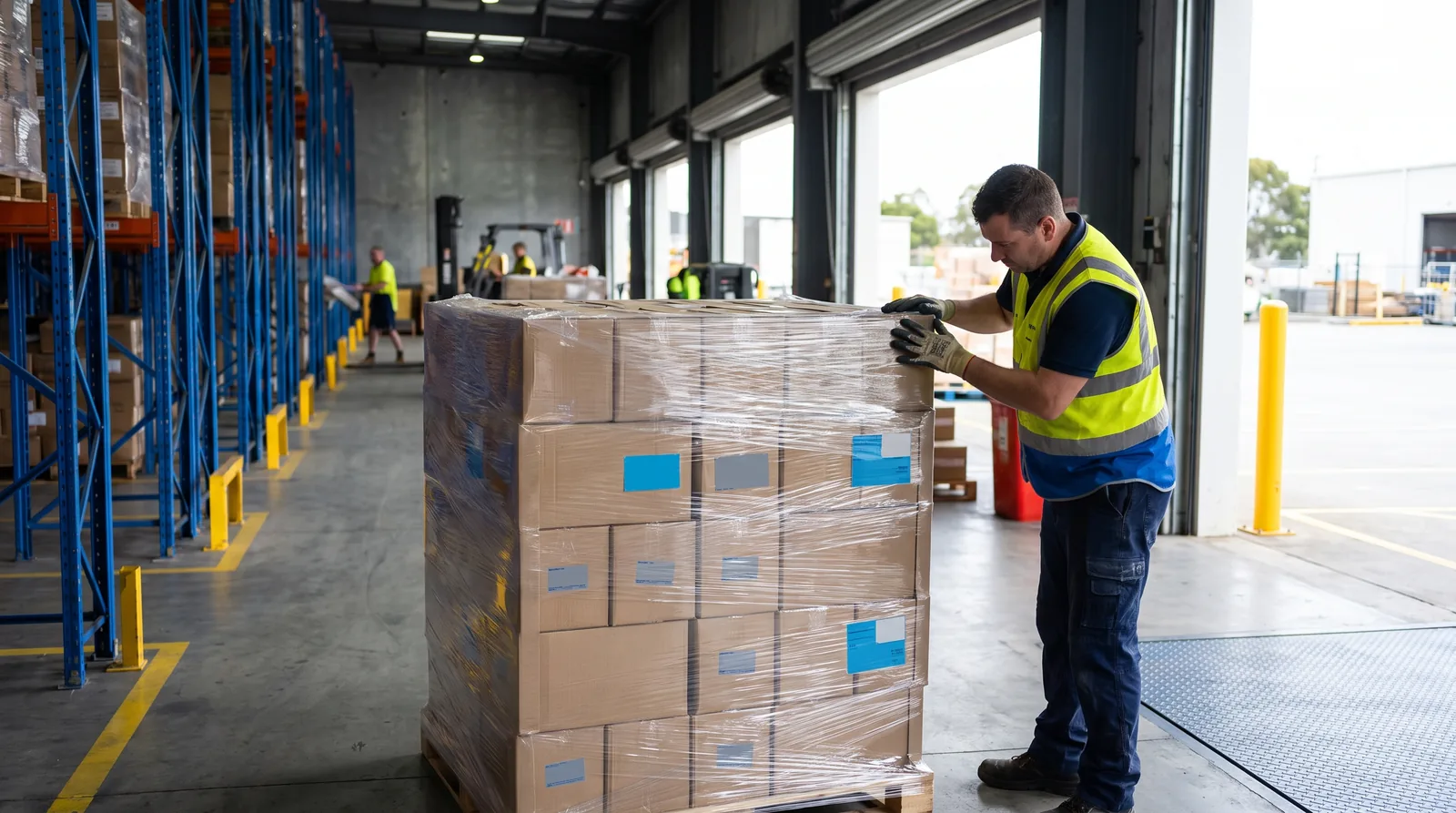
- Stability: wrap enclosing the goods together with the carrier, heavy cartons at the bottom, even layers with no voids.
- Weight: within the specification and within what the receiver's equipment can lift.
- Consistency: the pallet built in line with programme rules on mixing products.
Labels: where most deliveries are lost
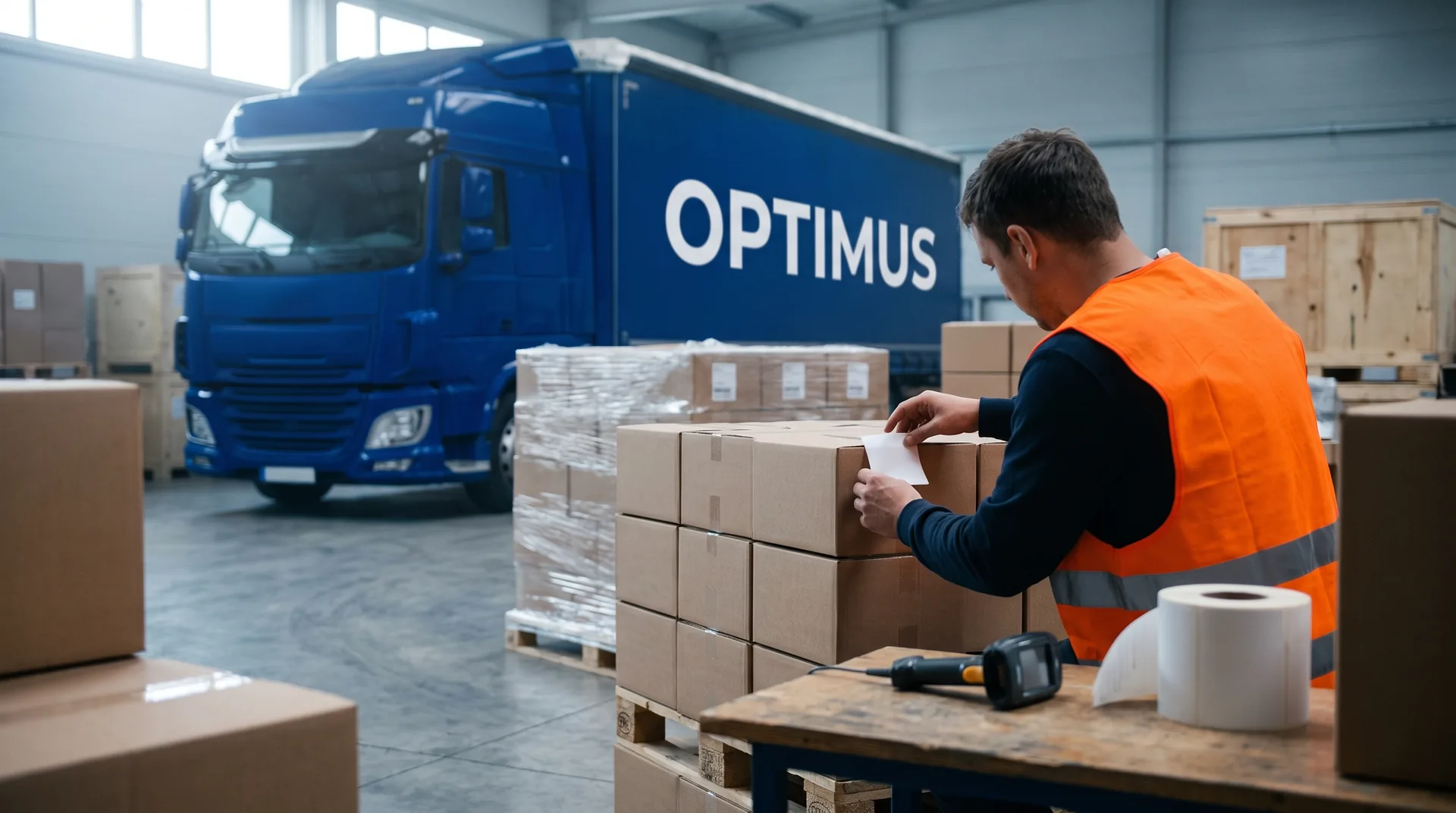
Every carton carries a label from the specific shipment, the pallet carries an aggregate label, and wrap must not cover the codes. A label stuck on tape, on a carton edge or across a fold is often unreadable to a scanner and works exactly like a missing one. The number of labels and where they go are set out in the panel when the shipment is created, and that version applies on the day of delivery. The practice is simple: label on a flat surface, clear of seams, not covered by wrap, repeated on the adjacent face for tall pallets. Logistics labelling standards are covered in our text on GS1 codes and SSCC labels.
Why we do not quote centimetres
Because those figures are not ours and they change without notice. For orientation: in its carrier material Amazon quotes a standard UK pallet of 1200 by 1000 millimetres and a maximum height of 1.8 metres including the carrier, but the specification in the panel on the day of delivery is always what binds. Our rule is to check the current requirements before every loading rather than trust memory or a year-old guide. The same rule applies to other receivers, covered in our text on UK retail pallet requirements.
Timber, ISPM 15 and the thing nobody thinks about
A wooden pallet shipped from Poland to the United Kingdom is subject to phytosanitary requirements based on the ISPM 15 standard: heat treatment and legible marking. That is a border requirement rather than an Amazon one, but the effect is the same problem, goods that did not arrive on time. A carrier without correct marking can hold up the consignment. We cover it in our text on ISPM 15 requirements, and the carrier's parameters in the article on the EPAL pallet.
How to build a pallet that passes first time
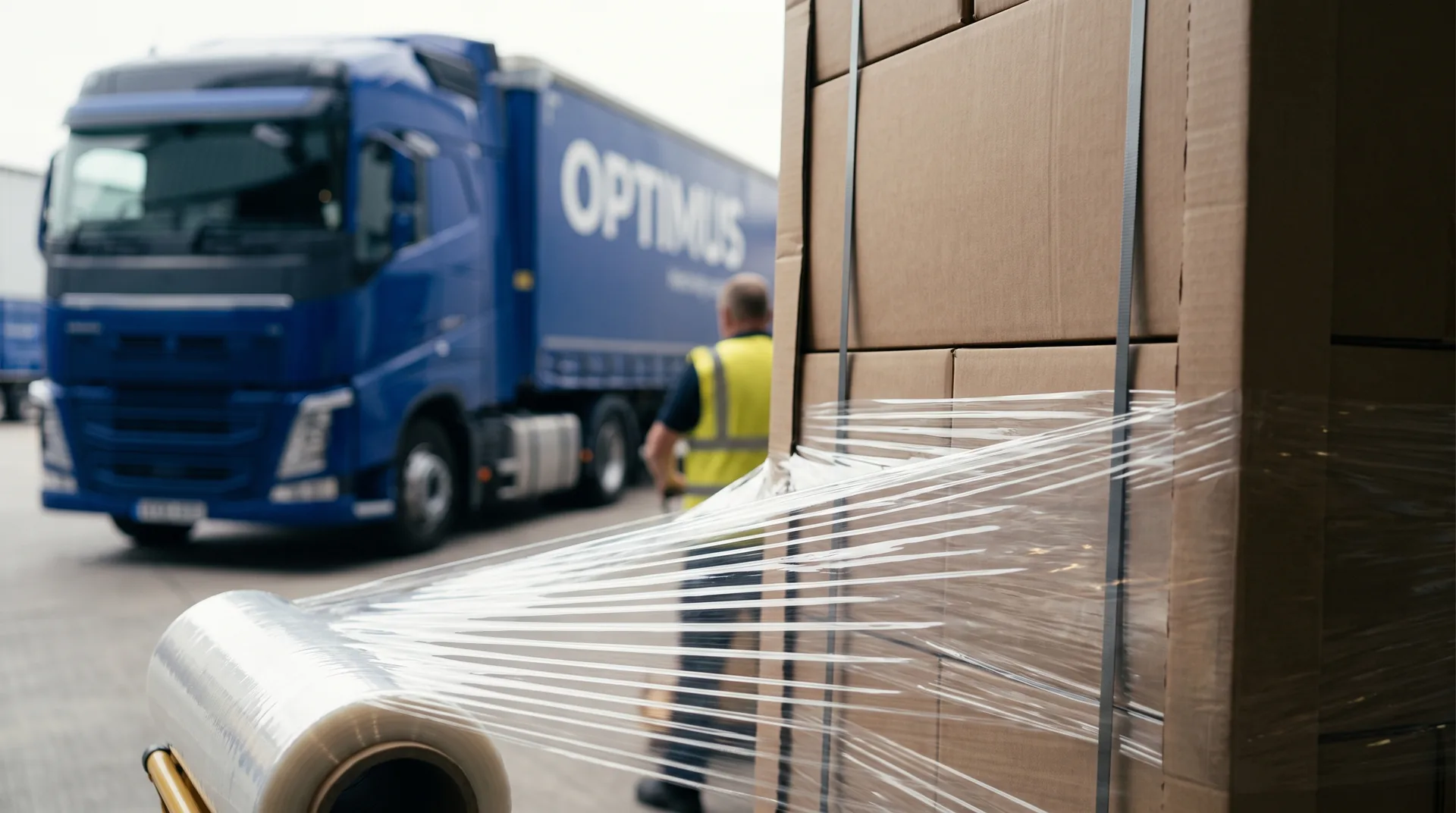
The sequence is simple and works whoever the receiver is. First the carrier, matched to programme requirements. Then stacking: heavy cartons at the bottom, even layers with no steps and no voids inside, corners squared to the pallet edge. Then securing: wrap pulled from the base of the carrier upwards, several full turns at the bottom, corner protection for heavy goods, and vertical banding on tall pallets. Finally labels and a check that the unit count matches the announced shipment. Pallet building is broken down in our texts on securing a pallet for export and on preparing a pallet for the UK.
What we do before loading, and when something is off
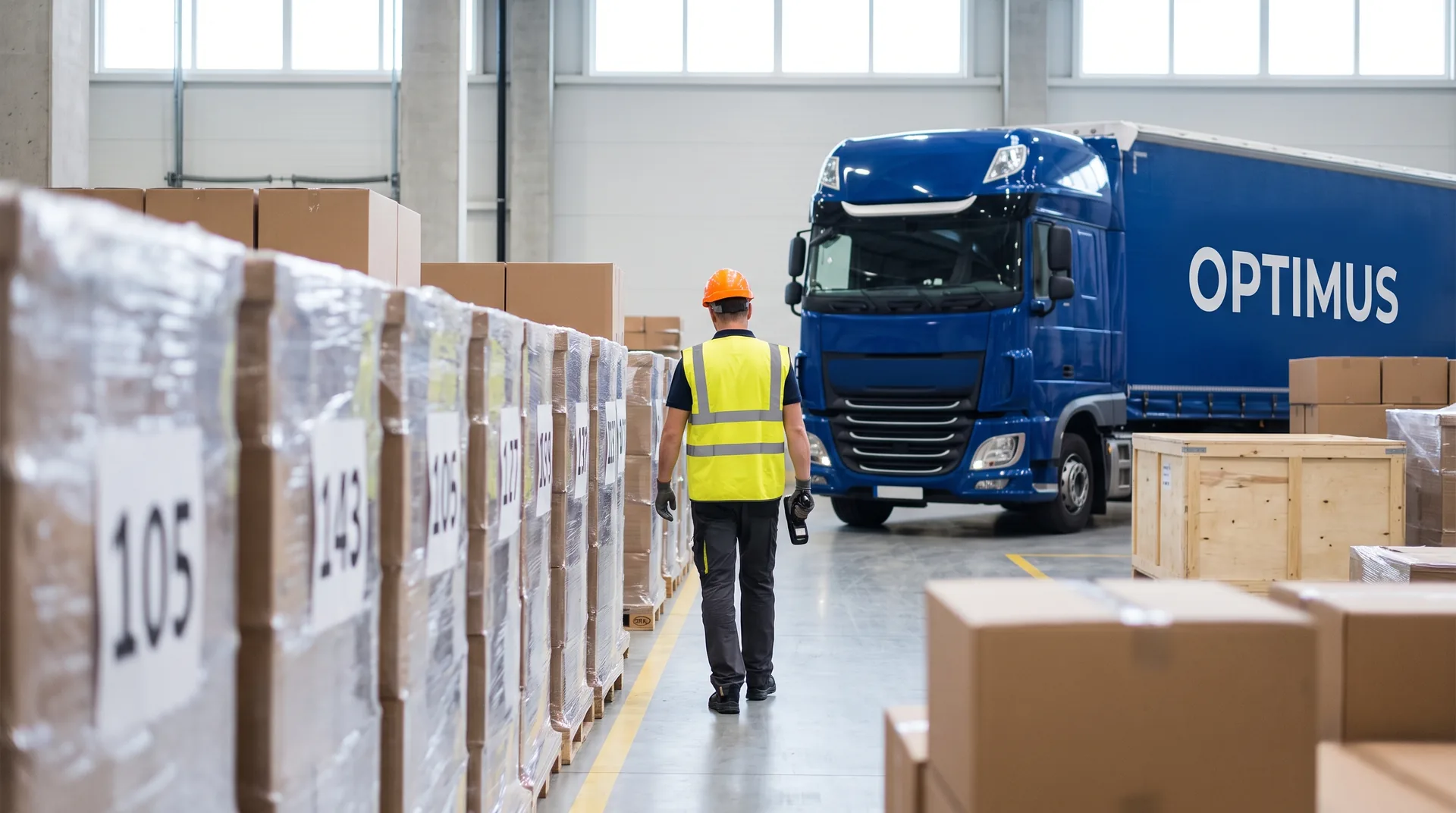
We check customer pallets before departure: footprint, wrap, labels, package count against the shipment. Where something deviates from the specification, the goods pass through our warehouse in Milton Keynes for re-stacking and labelling, instead of learning the requirements at the centre gate. That is cheaper than driving back and faster than arguing over a booking. What happens when a pallet is rejected anyway is covered in our text on a rejected FBA delivery, and a lost slot in the article on a missed delivery window.
Booking and paperwork on the border side
Delivery to a centre requires a booked window, and customs must be closed before boarding the crossing. Those are two independent deadlines and either can wreck the plan. So on Amazon deliveries we work backwards from the booking: unloading day, departure day, loading day, deadline for supplying declaration data. Warehouse bookings are covered in our text on booking in at UK warehouses, and channel work on the Amazon UK deliveries page.
Sources
Sending pallets to an Amazon centre in the United Kingdom? Describe the delivery through the quote form and we will review the preparation and plan the carriage with customs. The sales model itself is broken down in our text on FBA and FBM from Poland.