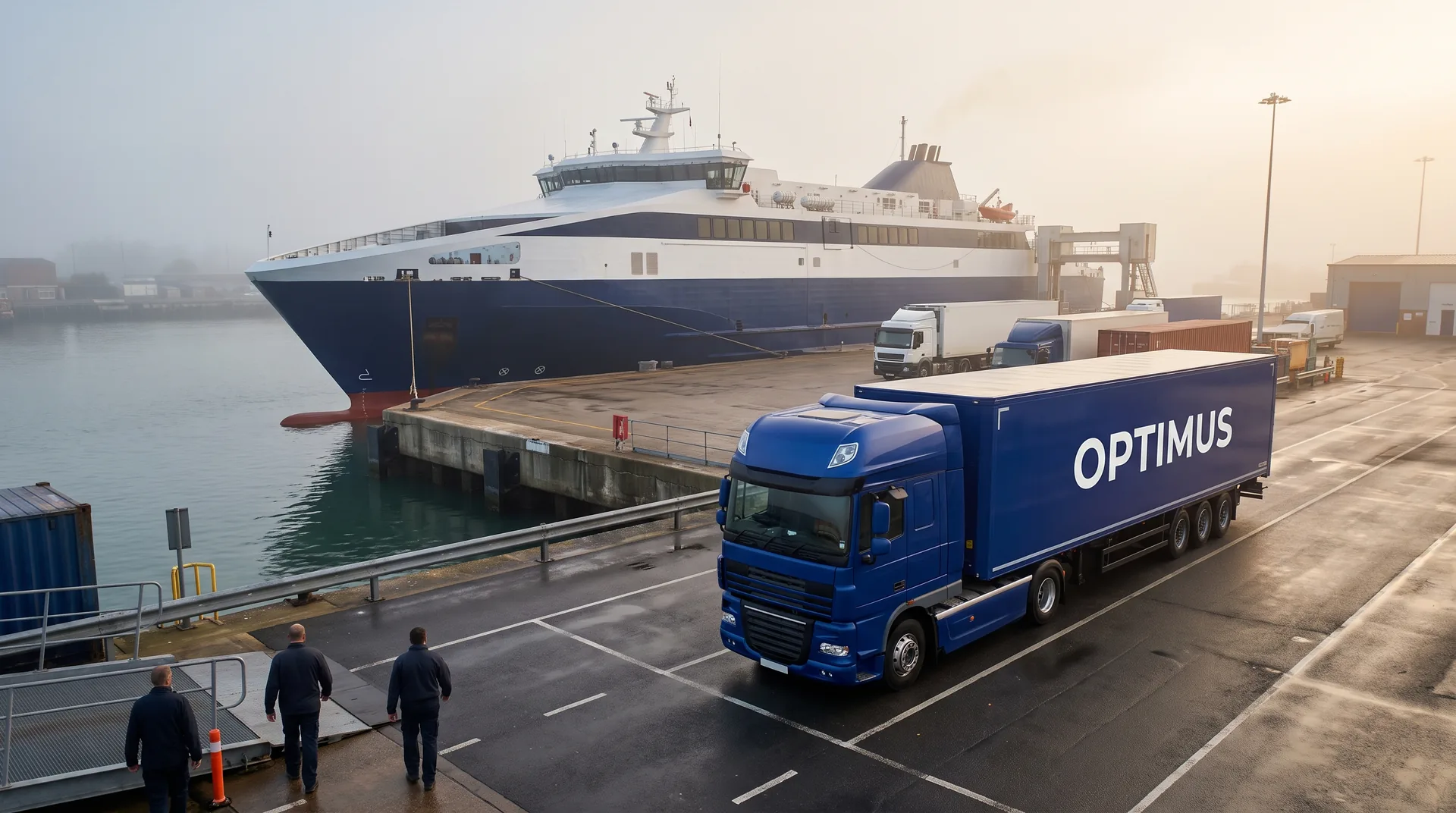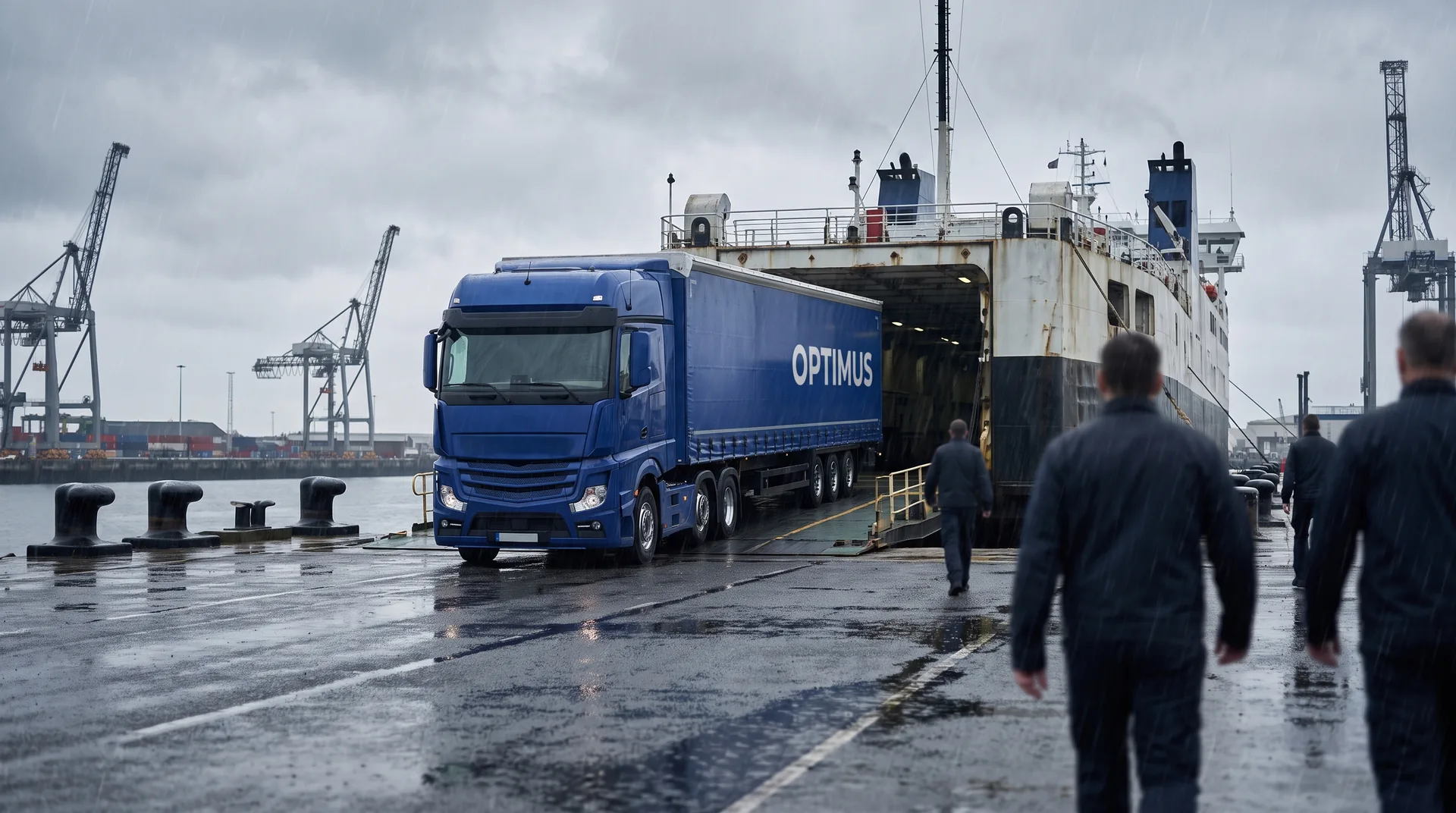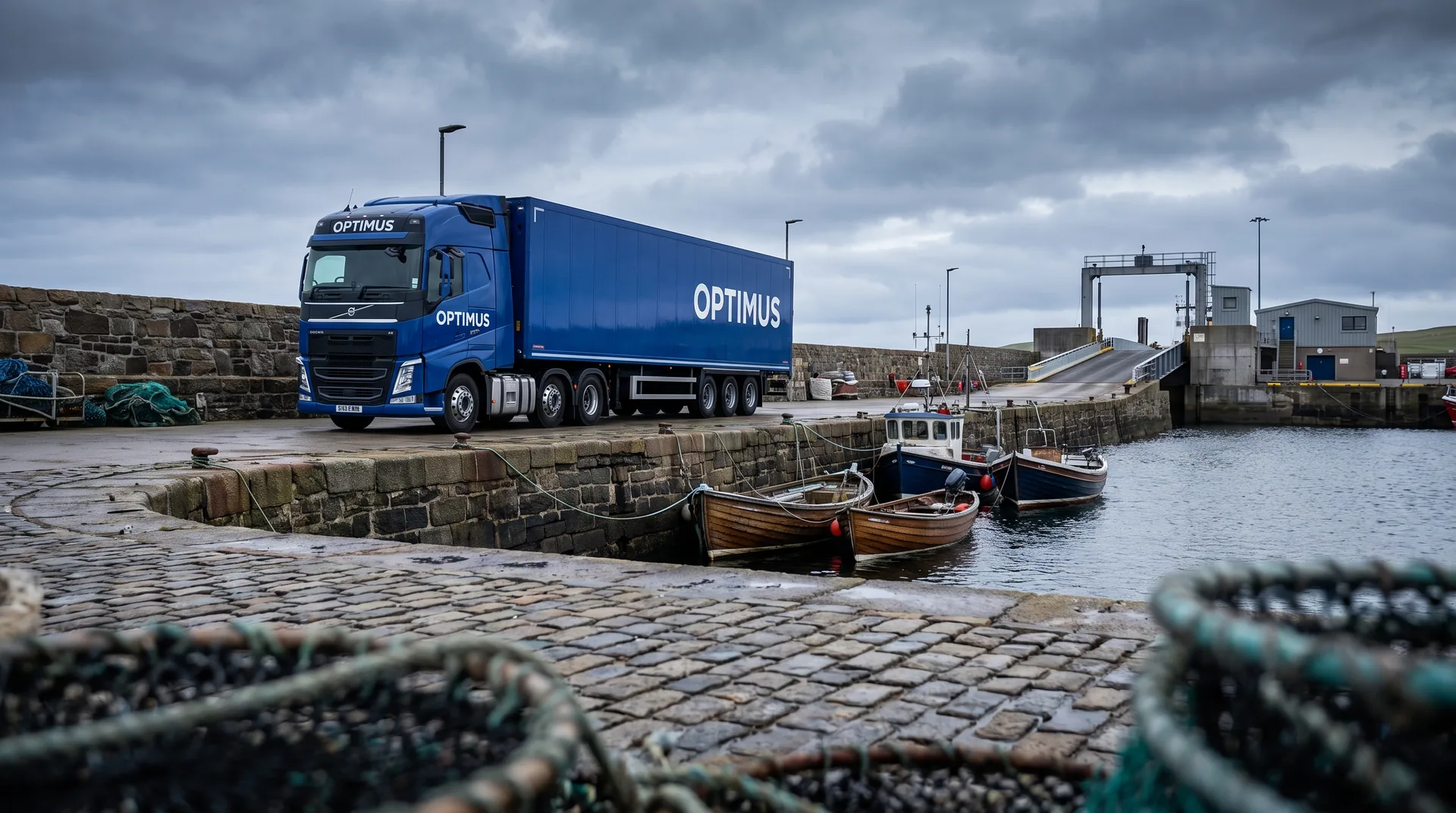
Shetland and Orkney are part of Scotland and therefore of the United Kingdom, with no separate customs status. Clearance looks exactly as it does for a delivery to Glasgow or Manchester. The whole difference is logistical: the final leg goes by ferry from Aberdeen or Scrabster, and the sailing schedule sets the real delivery date.
Status: these are not islands with a separate regime
Unlike the Isle of Man or the Channel Islands, Shetland and Orkney have no customs or tax status of their own. For a movement from Poland that means one import clearance on entry to the United Kingdom and ordinary British tax rules. There is no second border crossing, no extra declaration and no separate island paperwork. Anyone who has shipped to Scotland already knows the document mechanism; the differences begin only at the route planning stage.
Ferry logistics: from where and how long
Shetland is reached by ferry from Aberdeen to Lerwick. Orkney has two different routes: Aberdeen to Kirkwall, where the ferry berths at the Hatston terminal, or Scrabster on the northern tip of the Scottish mainland to Stromness. They are not the same kind of sailing. Aberdeen to Kirkwall is a long North Sea passage of roughly six hours; Scrabster to Stromness is a short crossing of about ninety minutes, but it runs several times a day. What they share is that they sail to a schedule, not on demand. The consequence is simple and has to be built into the plan: a vehicle running an hour late can mean a full day waiting for the next departure. So we plan these routes with a buffer, particularly in winter when North Sea weather can rearrange the timetable.
Getting to the departure port
Before the load reaches a ferry it has to get to the north of Scotland, which is a long leg in itself. Aberdeen sits well beyond Edinburgh, and Scrabster further still, on the northern coast. The last few hundred kilometres run on roads with lower capacity than motorways, and in winter through terrain prone to difficult conditions. We describe the Scottish lane in transport to Scotland and in transport to Aberdeen and northern Scotland.
Groupage or a full vehicle
Single pallets for Shetland and Orkney are consolidated through our Milton Keynes warehouse or attached to the Scottish flow and then delivered for a specific sailing. At larger volumes a dedicated vehicle running straight to the port often makes more sense, because it removes transhipment and allows precise timing to the departure. The choice depends on volume, deadline and whether the consignee can take the whole consignment at once.
What we carry to the archipelagos
The island economies rest on fishing and fish processing, farming, energy and marine services, alongside retail and construction for residents. From Poland travel building and finishing materials, fit-out for facilities, spare parts and technical equipment, furniture, packaging and stock for local shops. The tourist season adds deliveries for hospitality and accommodation. An overview of the other island destinations is gathered on the Islands page, and the west coast islands in transport to the Hebrides.
What to prepare for an enquiry
- Destination port: Lerwick or Kirkwall, plus the exact delivery address on the island.
- Pallet count with dimensions and weights, and whether they can be stacked.
- Your target date and whether it is fixed or flexible within a few days.
- Unloading conditions at the consignee: ramp, forklift, any need for a tail lift.
- Notice of goods needing special conditions, controlled temperature for example.
Sources
Have a delivery for Shetland or Orkney? Send the destination port, pallet count and date through the quote form and we will match the route, the sailing and the consolidation method. Customs is handled within the job; the scope is on the customs clearance page.