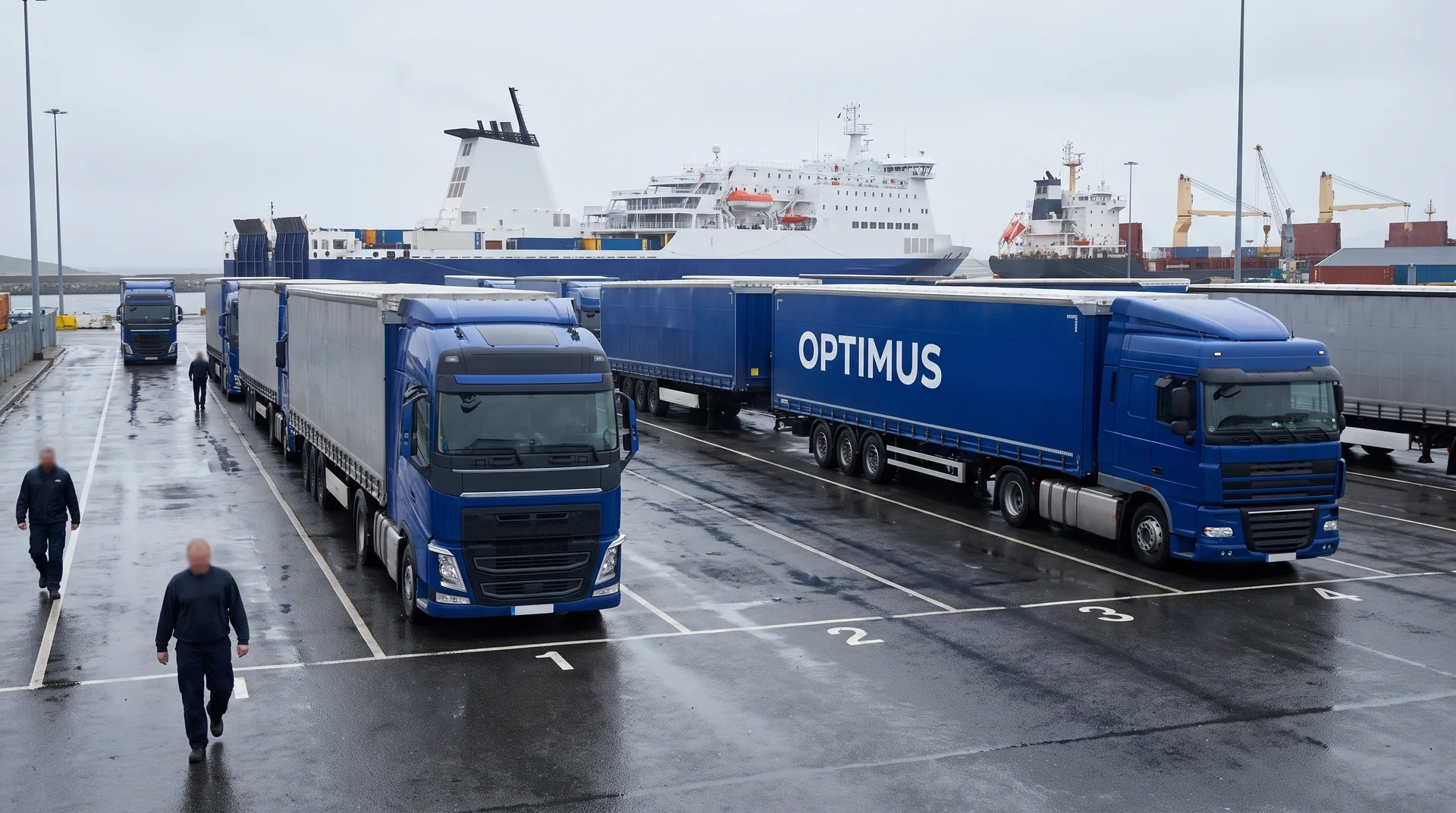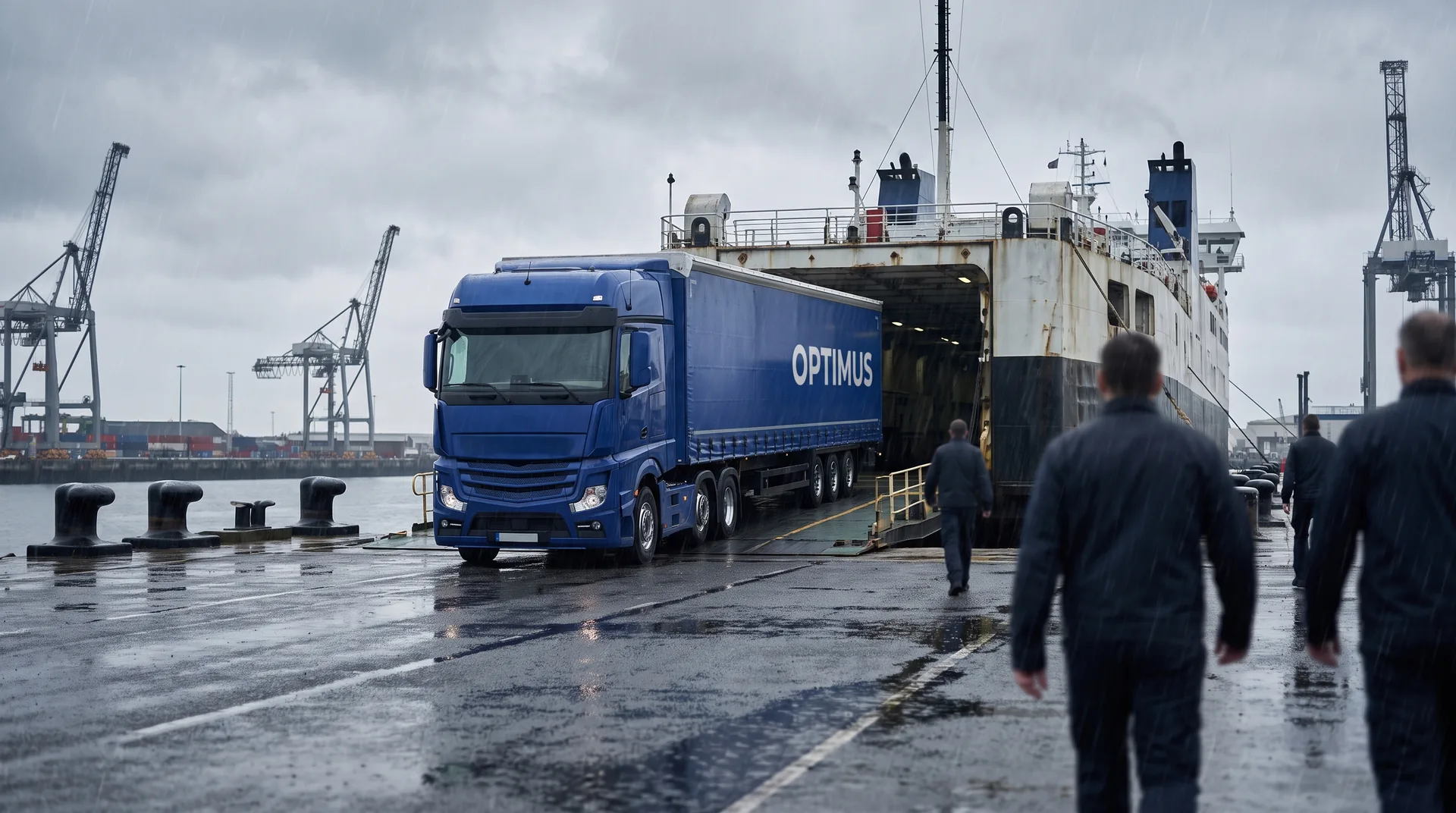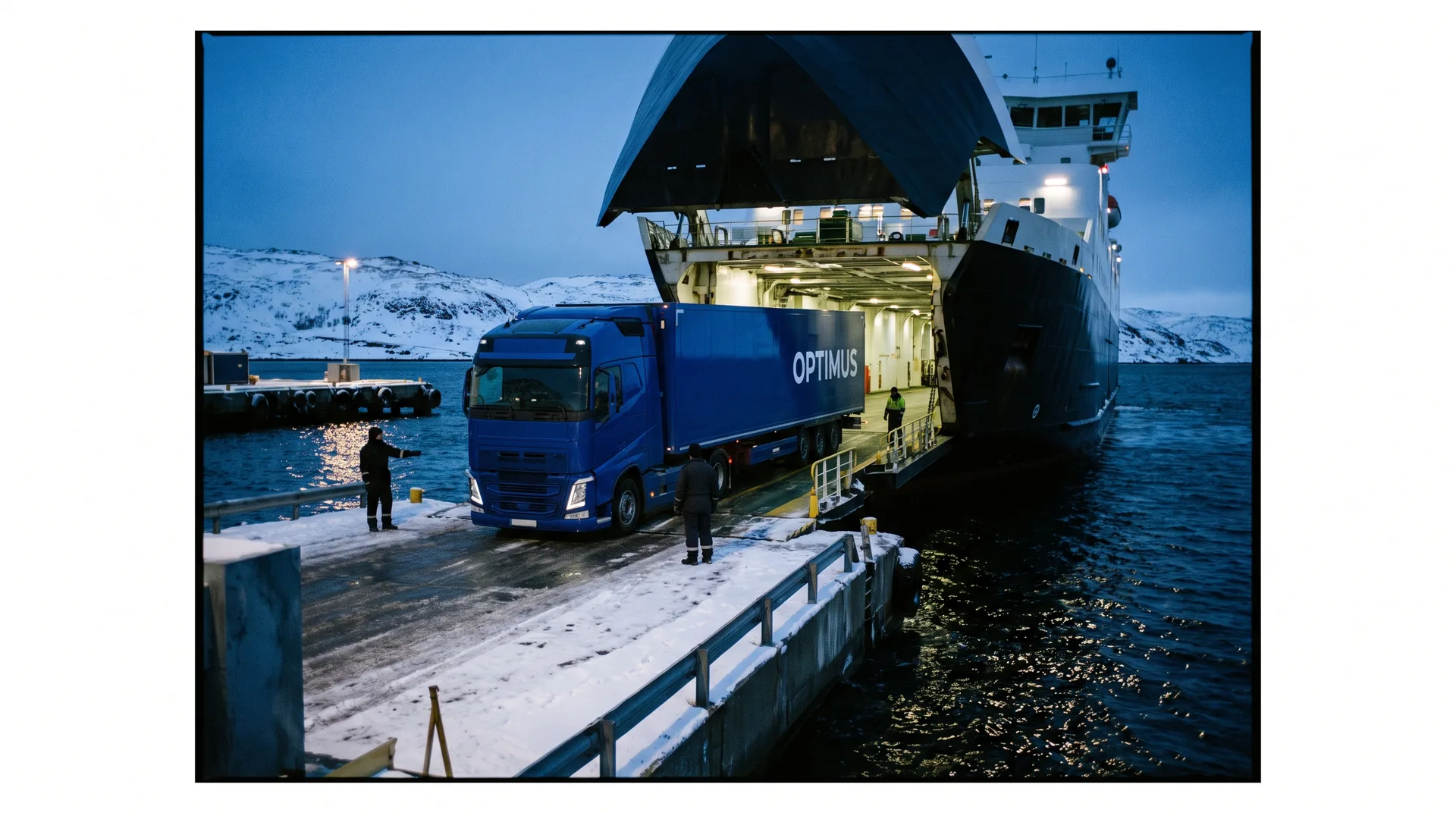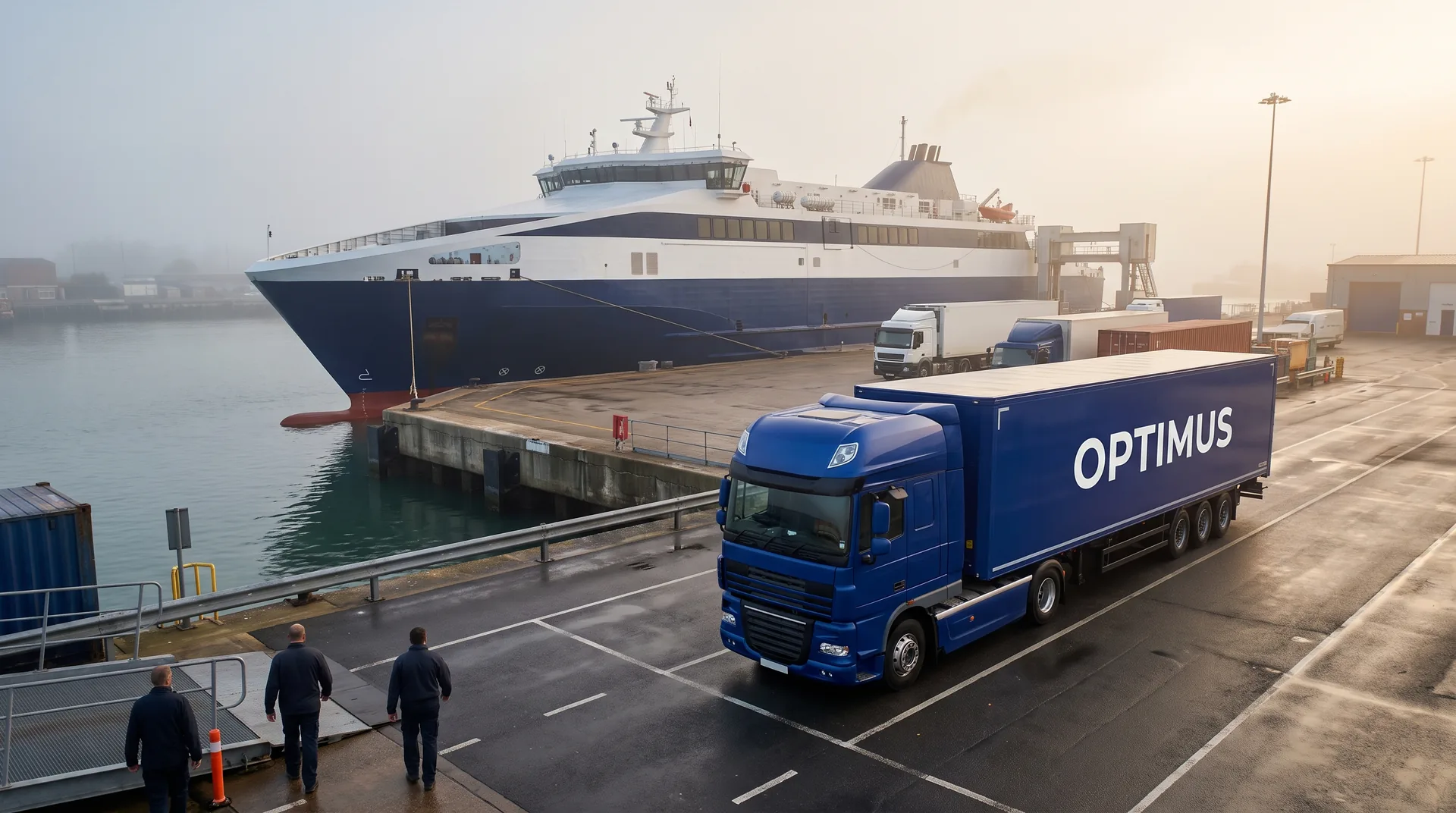
Freight links between the Channel Islands and England are now worked by two different operators. Jersey has been served by DFDS since 28 March 2025 under a long-term concession signed with the island government: sailings from Portsmouth, from Poole and from Saint-Malo in France, including a dedicated freight vessel. Guernsey stayed with the operator long known as Condor Ferries, which trades as Brittany Ferries Channel Islands after the takeover. Where trade goods are carried, the booking must be a freight booking, whatever the vehicle length.
Which ports run freight ferries?
On the English side the main ports are Portsmouth and Poole. DFDS sails to Jersey from both of them and from Saint-Malo in France, with freight carried among others by a dedicated cargo vessel that reaches the island in the early morning. Guernsey is served by Brittany Ferries Channel Islands, from Poole and from Saint-Malo, with a separate and limited inter-island link. The choice of port affects the road run in England and how the delivery fits our flow to the south of the country. The run into this region is planned within the routes described in our text on transport to Southampton and Portsmouth.
Does the vehicle sail with the cargo?
Both models are possible: accompanied carriage, where unit and driver sail together, and carriage in which the cargo is handed over and moves without the vehicle from Poland. The choice depends on volume, timing and cost — for one or a few pallets it almost never pays to send a full unit to the islands. The consequences of unaccompanied carriage are described in our article on unaccompanied trailers on island ferries.
When must you book as freight?
Both carriers state that a freight booking is required where trade goods are carried — regardless of vehicle length — and also for private vehicles above a set length. The practical consequence is that deliveries by van also need a freight booking if there are goods for a customer inside. Treating such a run as a private journey ends in a problem at the terminal.
Size constraints on this route
The Channel Islands are served by vessels of different types, including fast catamarans and conventional roll-on roll-off ferries. Their carrying capability differs fundamentally, and is further limited by conditions in the island ports. So for oversized units and heavy loads we check the parameters before confirming a date — the logic is described in our text on size and weight limits on island ferries.
Does the crossing need a separate customs declaration?
The Channel Islands sit inside the customs union with the United Kingdom but outside the UK VAT area. In practice that means carriage from England to the islands crosses no customs border, while the tax treatment differs from a domestic GB supply, and bringing goods into the islands is subject to declarations required by the island administrations. Jersey levies a local GST; Guernsey levies no tax on goods at all, and the introduction of a 3% GST from 2028 is still under debate in the States of Guernsey rather than settled. Because tax rules do change, we confirm them with a customs agent on every shipment. The detail is set out in our texts on transport to Jersey and on transport to Guernsey.
Can one pallet travel without a whole vehicle?
Yes, and most often that is exactly how it works. Single pallets travel as groupage LTL to consolidation on the British side, then join a sailing alongside other consignments. The model does demand good cargo preparation, because the pallet is rehandled: the rules are in our text on preparing a pallet for the islands. The smaller islands of the Bailiwick of Guernsey need an extra sea leg, described in our articles on transport to Alderney and on delivery to Sark.
How we build the date
The date is built by sailing availability, not by distance — the Channel Islands lie close to the coast, but cargo still follows the rhythm of the connections. Add the time needed for documentation, which must be complete before dispatch when goods leave the UK VAT area. How we plan margin is described in our text on the time buffer for island deliveries, and the cost structure in our article on the crossing cost in the quote.
What to prepare before shipping to the Channel Islands
- A commercial invoice describing the goods, value, currency and delivery terms — no vague entries such as "spare parts".
- A packing list that matches reality in piece count, weights and dimensions.
- Tariff classification for each item, since it determines the charges on the island side.
- The full consignee address with a phone number — on the islands delivery without a contact can be impossible.
- Agreement on who acts as importer and who settles local charges.
A complete set prepared before dispatch shortens the whole process more than any route optimisation. On this destination documentary gaps cost not hours but the next connection.
What we carry to Jersey and Guernsey
Hotel, restaurant and office fit-out, furniture, building and finishing materials, catering equipment, industrial goods, packaging and trade stock for local shops and wholesalers. The islands have a strong services, tourism and finance sector, so a large share of the flow relates to refurbishment and re-equipping. The market is small but regular, and deliveries are usually groupage rather than full loads.
Sources
- DFDS: the Jersey lifeline service, live from 28 March 2025
- Brittany Ferries Channel Islands (formerly Condor Ferries): freight booking rules
- States of Guernsey: moving goods and the bailiwick customs union
Shipping to Jersey or Guernsey? Describe the consignment in the quote form and we will prepare a carriage plan with the documentation. Our other islands are on the island transport page.