Carrier liability insurance covers the carrier within the limits of what it is liable for under the CMR convention and national carriage law, with caps and exclusions. Cargo insurance covers the goods themselves, regardless of carrier fault, and can respond to events for which nobody is liable at all.
Where the liability cap comes from
The CMR convention limits compensation for loss or damage by reference to the weight of the goods rather than their value. The cap is expressed in a unit of account and stands at 8.33 per kilogram of gross weight short. For heavy, low-value goods that is more than enough. For light and expensive ones such as electronics, cosmetics or precision parts, the gap between the cap and the invoice can be several times over. We set out the mechanism in carrier liability under the CMR convention.
What liability cover usually will not pay
- Loss caused by the consignor: defective packaging, poor loading, inaccurate information about the goods.
- Events excluded by the policy, such as carriage of listed excluded commodities or parking outside the required conditions.
- Consequential loss: a lost contract, contractual penalties, the cost of a stopped production line.
- Situations where the carrier is relieved of liability under the convention.
The typical exclusions are collected in liability insurance exclusions. Worth reading before despatch rather than after a loss.
What cargo cover adds
A cargo policy insures the goods for their actual value, normally the invoice value, and responds to the events listed in the wording regardless of fault. So it can also cover situations where the carrier is relieved of liability: certain fortuitous events, force majeure within the terms of the policy and, on wider covers, risks connected with standing and handling. The scope is described in cargo insurance. The period when goods sit in a warehouse is a separate matter, because carriage has ended there and a different legal relationship begins; we take it apart in insuring goods in storage rather than in transit.
When topping up makes sense
The practical rule is simple: take the value of the pallet and its weight. If the value clearly exceeds the cap implied by the weight, liability cover alone will not make you whole. That typically applies to electronics, cosmetics, pharmaceuticals, branded apparel, spare parts and seasonal goods that cannot be replaced in time. For those loads we recommend a policy on the specific movement. The arithmetic with worked examples is in when to add cargo insurance on the UK lane.
What happens after a loss
Whichever cover applies, what matters is the documentation created at the time. A note on the consignment note at delivery, photographs, a damage report, steps to prevent the goods deteriorating further: without those, even a well-founded claim can be impossible to pursue. Deadlines and form are covered in claims and the CMR damage report. On more serious events we run an inspection with a report for the insurer, described in the inspection report and on our cargo inspection and recovery page.
How this works with us
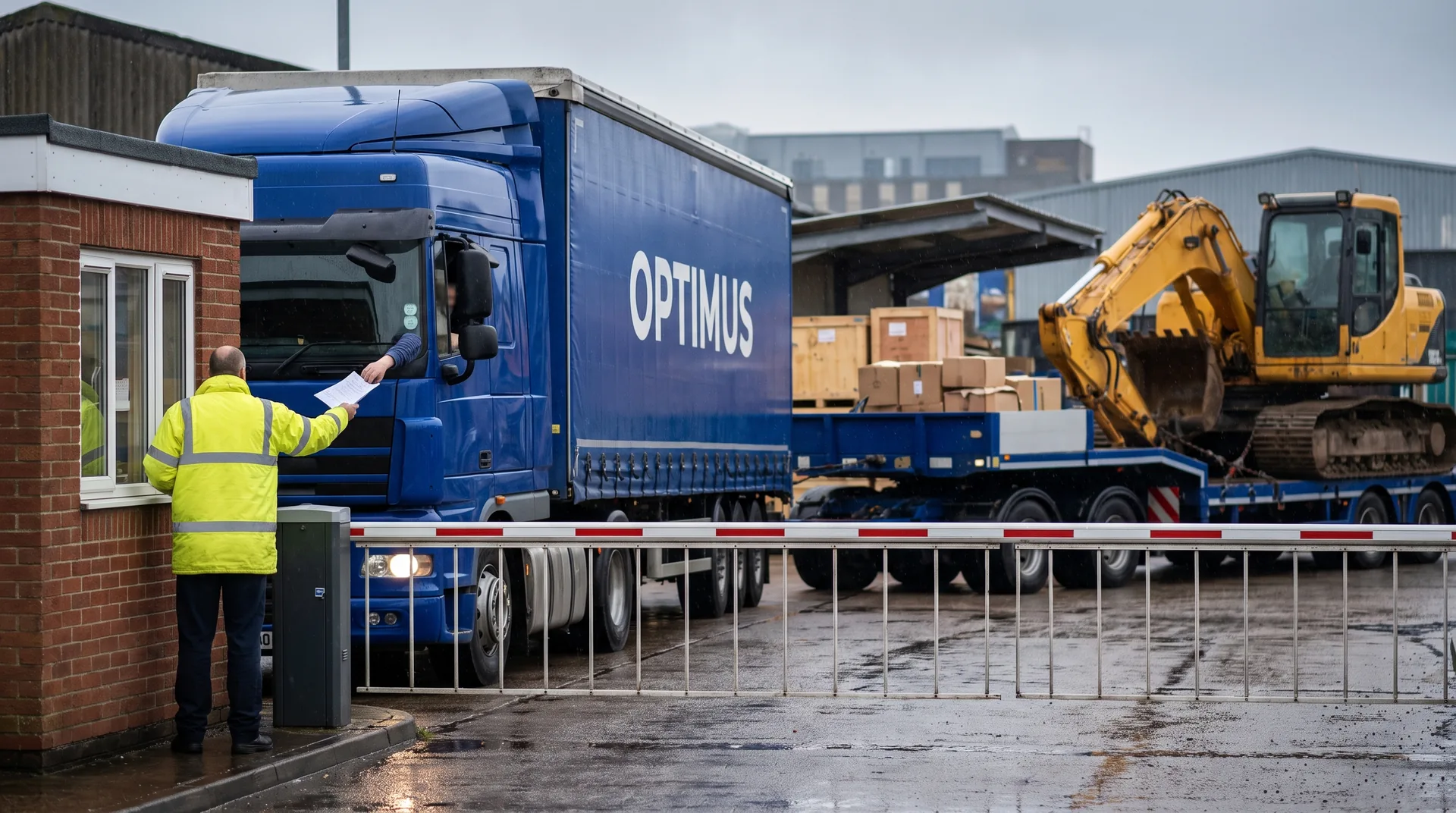
OPTIMUS TRANSPORT carries carrier liability insurance with a sum insured of EUR 1,000,000, covering international movements on the lanes we run. For high-value loads we offer an additional cargo policy on the specific movement, matched to the value and nature of the goods. The relationship between the two is set out in scope of liability cover against cargo insurance.
Checking a carrier cover before placing a job
A statement that insurance exists says nothing about its scope. Four questions are worth asking. First, the sum insured, and whether it applies per event or in the aggregate for the policy period. Second, the territorial scope: whether it covers the countries the route actually runs through. Third, the commodity exclusions, meaning the list of goods the policy does not cover, because electronics, alcohol and tobacco products often appear there explicitly. Fourth, the parking conditions, since many policies limit cover to secured parking, and breaching that removes the right to indemnity regardless of the circumstances. The certificate should be current on the date of carriage rather than the date the framework agreement was signed. Criteria for choosing a carrier are collected in how to choose a UK carrier.
Sources
This is general information, not insurance advice: every policy is defined by its own wording. Have a high-value load and want the right cover in place? Describe the goods and the value in our quote form and we will propose a transport plan together with a cover option.