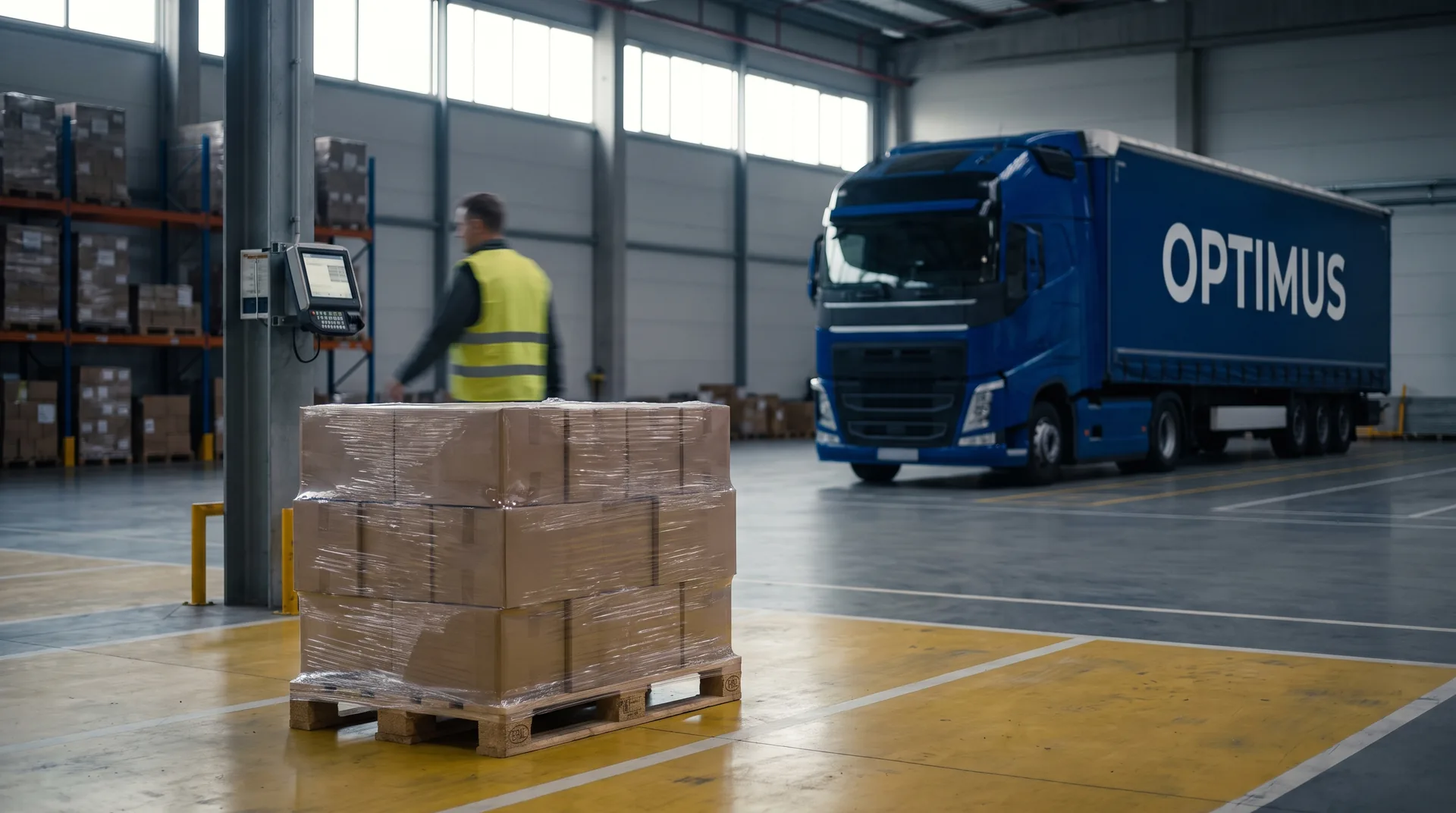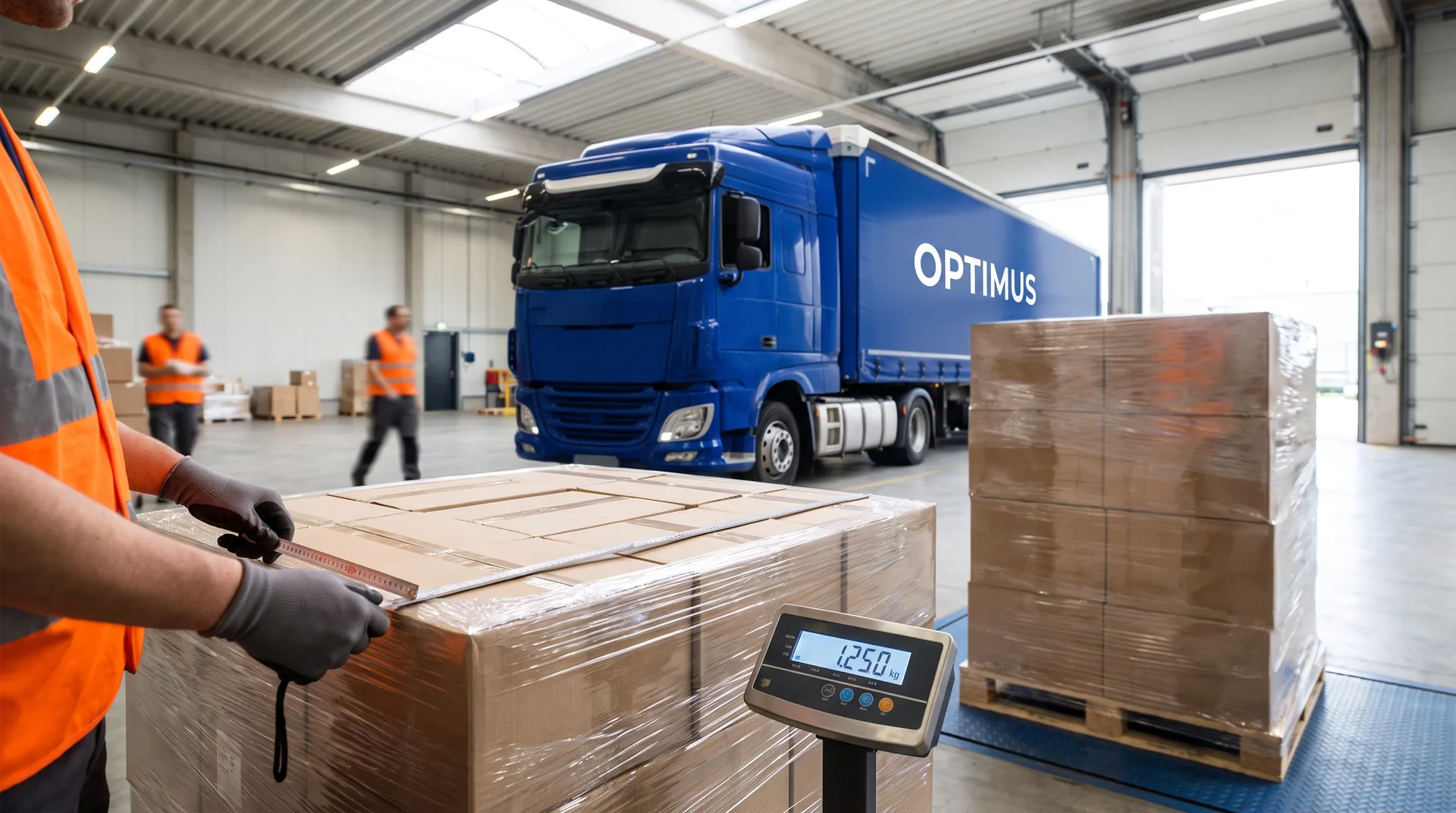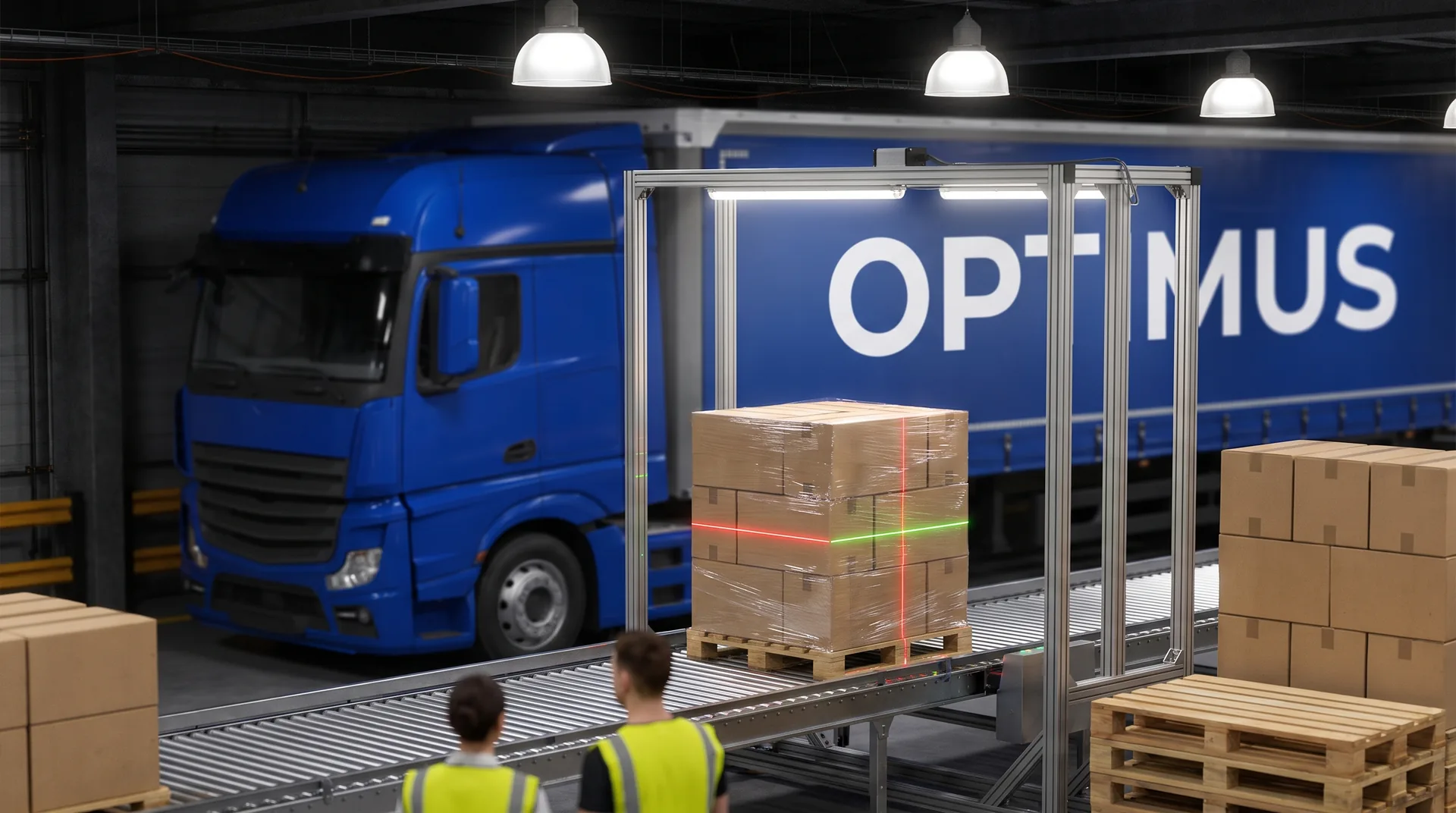
The cost of a carrier unit that never returned falls on whoever agreed to bear it in the order — and where nobody wrote it down, on the shipper, because it was their asset that left. So the fate of the pallet is settled before loading, in one sentence in the order, not afterwards by email. Three models: non-returnable, exchangeable with a balance, pooled.
Is a pallet part of the goods under CMR?
It depends on how the contract of carriage was built, and there is no single answer good for every situation. Practically speaking, if the unit was taken for carriage together with the goods and appears on the consignment note, its fate follows the consignment. If instead the pallet returns empty under a separate commercial arrangement between shipper and consignee, the carrier is not a party to that arrangement. The general liability rules and the mass-based limit are covered in carrier liability under the CMR convention.
The practical conclusion is simpler than the legal analysis: do not count on the rules settling this for you. Write it down yourself.
Three models and what each implies
Non-returnable unit. The pallet travels with the goods and does not come back; its cost is priced into the goods or shown as a separate line on the sales invoice. No balance, no notes, no conversations after the fact. It is the simplest model and, for irregular shipments to the islands, usually the cheapest on total cost, because the administrative overhead of an exchange loop often exceeds the value of the units.
Exchangeable unit with a balance. The consignee hands back units of the same type and grade, with settlement run on pallet notes and reconciled on a cycle. It works only with consignees who genuinely operate an exchange loop and have staff authorised to reconcile. The mechanics are in pallet exchange and pallet notes.
Pooled unit. The pallet belongs to an operator and settlement runs through their system, not through the carrier. Here the non-return charge is fixed in the contract with the operator and falls on the account holder. Detail in pooled pallets on UK exports.
How to value a lost unit
Do not guess, and do not take the price of a new pallet when a used one went out. A sensible method has three steps: establish the type and grade of the unit, take the current market price for that grade from a purchase invoice or a supplier offer, and if the unit was used, reflect that in the valuation. Attach the basis of valuation to the file, not just the figure — a figure without a basis is useless in a dispute. We quote no pallet prices here, not even indicative ones, because the pallet market moves faster than an article does.
The order wording that closes the subject
One sentence is enough, provided it is unambiguous. It must settle four things: unit type, settlement model, who bears the non-return cost, and by when accounting closes. A workable construction for the non-returnable model reads roughly: "Carrier unit: one-way 1200×800 pallet, non-returnable, cost borne by the shipper, no obligation to return or exchange." For the exchange model, add unit grade and the reconciliation cycle. For pooling — the operator's name and the consignee's account number.
The same wording goes into the consignment note remarks, so the document travelling with the goods says what the order says. A mismatch between the two is the commonest handhold in a dispute; how to complete the note properly is in the CMR consignment note.
Where carrier liability starts and stops
A carrier is answerable for what it took for carriage and for performing what it was instructed to do. If the order required returnable units to be collected and the carrier did not collect them, that is the carrier's omission. If the consignee refused to release units and the driver recorded the refusal on the pallet note and the consignment note, the risk moves to the shipper-consignee relationship. If a unit went missing during carriage together with the goods, the matter runs under transport damage rules rather than pallet accounting — that procedure is in the CMR claim and damage report.
When it is cheaper to price the pallet into the goods
The maths is simple and worth doing once on your own numbers. On the exchange side: the value of units in circulation, the cost of the space returning pallets take on the vehicle, dispatch and accounting time spent reconciling, losses on the grade of returned pallets, and the cost of units that will not come back anyway. On the non-returnable side, one item: the price of a unit on each shipment. On small, irregular UK flows the first column usually beats the second — and that is the point nobody sees until they add it up. How to read the individual lines of a transport quote is explained in reading a carrier quote.
Sources
- EPAL: euro pallet parameters that unit grading refers to
- CHEP: responsibility for a unit until a registered transfer
Want carrier accounting set up so it does not come back at you six months later? Describe the relationship in the quote form and we will propose the wording. The lane is described on our transport to the United Kingdom page.