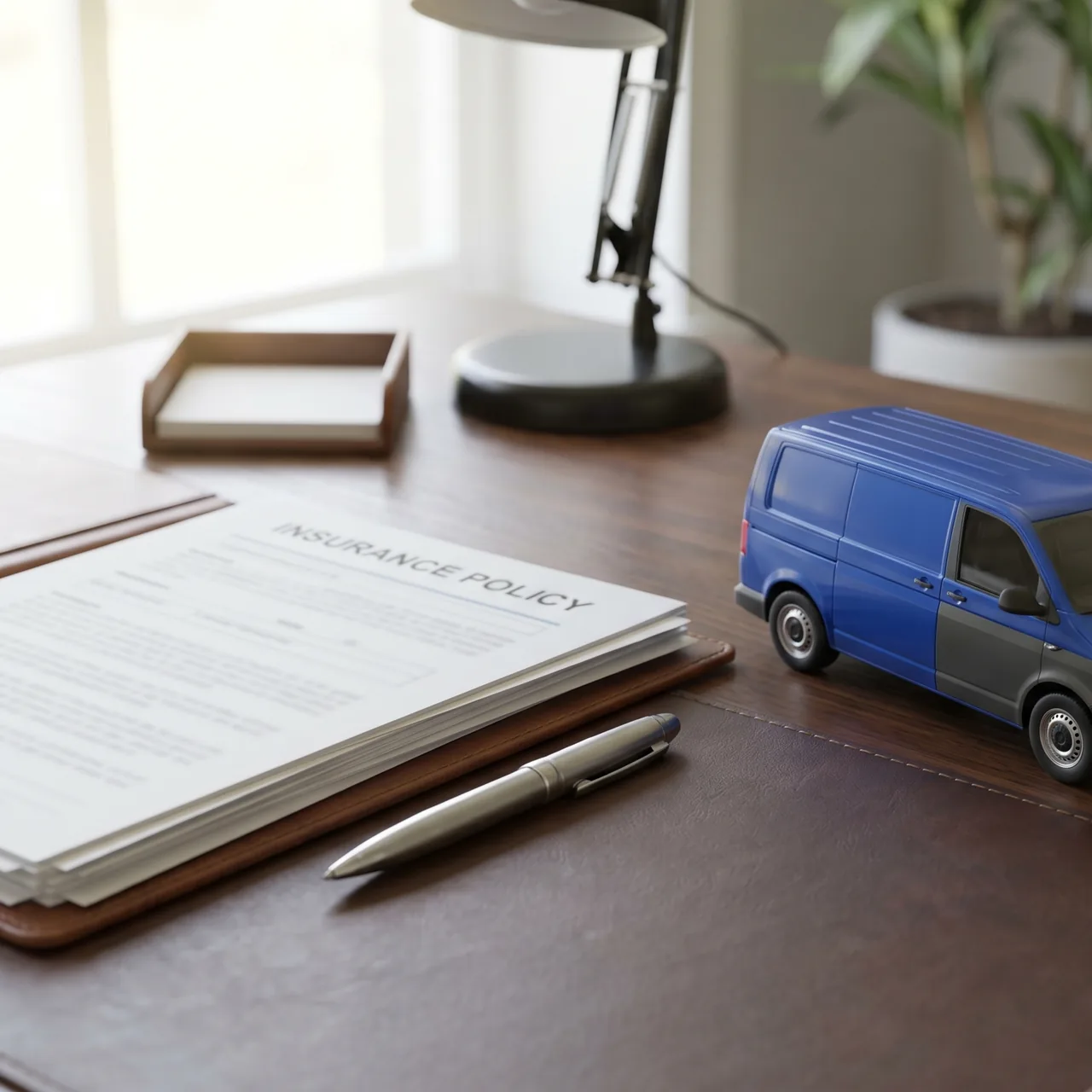
Cargo insurance protects the goods themselves in transit, whether or not anyone is at fault. That is the fundamental difference from carrier liability cover, which responds only where the carrier is liable and only up to the limits of the CMR Convention. Cargo cover is taken out by the owner of the goods or by someone with an insurable interest in them.
Cargo and carrier liability are not two names for one thing
A carrier liability policy protects the carrier against claims, not the owner against loss. If damage arose from a cause the carrier is not liable for, for example inherent vice of the goods, poor packing by the sender, or circumstances the carrier could not avoid, the owner recovers nothing from the carrier's policy. Even where liability is undisputed, compensation is calculated on the weight-based limit in the CMR Convention rather than on invoice value. For light, expensive goods that gap can be dramatic. We break it down in our texts on the difference between carrier liability and cargo cover and on the CMR liability limit.
What a cargo policy typically covers
- Damage to and destruction of goods in transit, including through road incidents.
- Total or partial loss of the load, including theft, to the extent the policy allows.
- Damage during loading, unloading and transhipment where the wording covers those operations.
- Damage during temporary storage in the course of transit, within the scope and period stated.
- Salvage and cargo protection costs after an incident where the wording provides for them.
The scope varies with the option chosen. Wider wordings cover all risks except stated exclusions; narrower ones cover only listed perils. The distinction matters in practice and is worth checking before shipping rather than after a loss.
What a cargo policy usually excludes
Standard exclusions cover inherent vice, natural loss in weight or volume, inadequate packing prepared by the sender, delay as such, and purely financial loss such as lost profit or a contractual penalty imposed by the buyer. War and civil commotion risks are often excluded unless an extension is bought. Theft-attractive goods are treated separately, with insurer requirements on stops, parking and security. How to think about exclusions is shown in our text on insurance exclusions.
When it is worth adding cover
A simple rule: the higher the value per kilogram, the wider the gap between the CMR limit and the actual loss. Electronics, cosmetics, pharmaceuticals, branded clothing, measuring instruments and precision parts are the classic cases where a carrier's policy will not cover the value of the goods. The second signal is sensitivity to transport conditions: temperature-controlled loads, fragile goods, machines vulnerable to shock. The third is contractual, for example delivery terms under which risk passes to the buyer only on arrival. The practice is broken down in our text on when to add cargo cover on UK traffic.
Cover on the carrier side
OPTIMUS TRANSPORT holds a carrier liability policy with a sum insured of one million euro. That is meaningful protection, but it remains liability cover rather than property cover, so it does not replace a cargo policy where an owner wants the value of the goods protected regardless of fault. The relationship between the two is set out in our text on the scope of carrier liability against cargo cover.
What to do once damage has occurred
The order of steps decides the outcome. The consignee enters a reservation at delivery where damage is apparent, or notifies it in writing within the period set by the Convention where it emerges later. Photographs are taken, a report is written, the goods are secured and packaging is not removed before examination. The insurer needs a full file: the consignment note with reservations, the invoice, the packing list, photographs and an inspection report. What such a report should contain is described in our text on the report for the insurer, and the claims procedure in the article on the claim and damage report. The goods themselves can often be largely saved, covered under cargo recovery in Milton Keynes.
How to set this up before shipping
When booking transport, tell us the value of the load and whether you want cargo cover arranged. Give the type of goods, the packing method, temperature requirements and any restrictions on stops. That information shapes the carriage anyway, and it also lets us judge whether the CMR limit will be enough. This text is general and does not replace the wording of a specific policy.
Shipping high value goods to the UK and want cover set up sensibly? Describe the load through the quote form and we will arrange the transport and show where carrier liability ends. Route risks are collected on the transport risks page.