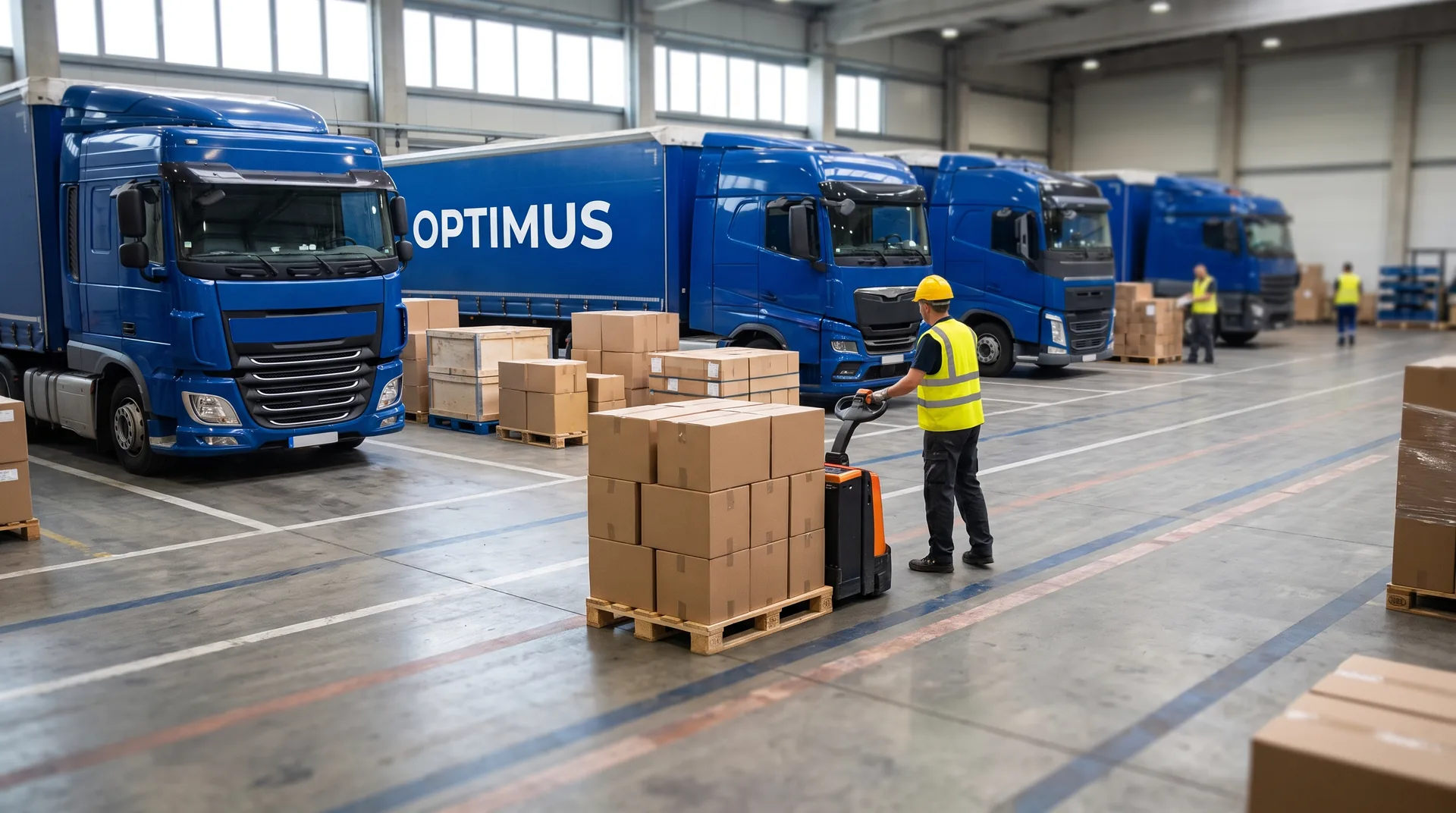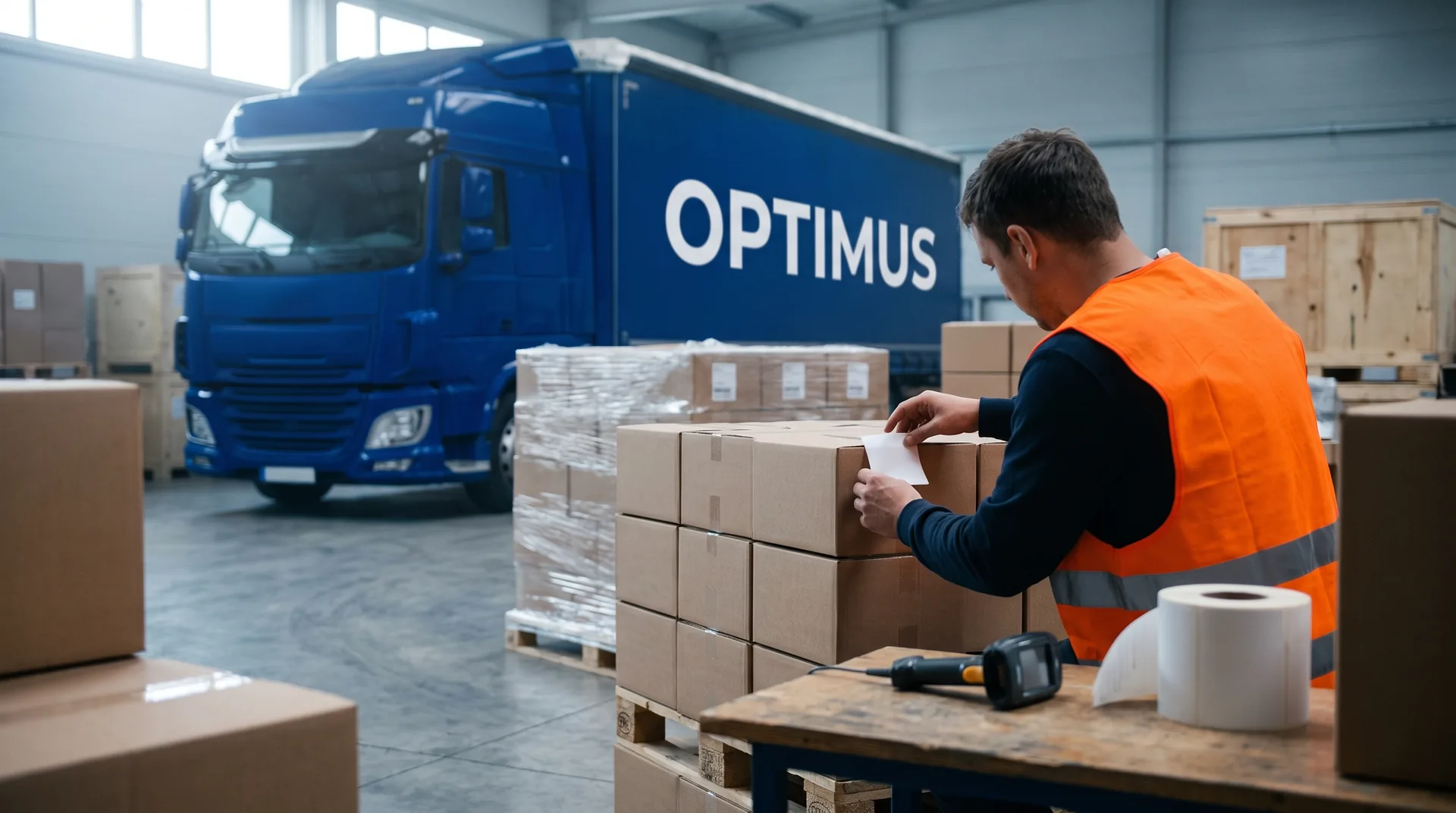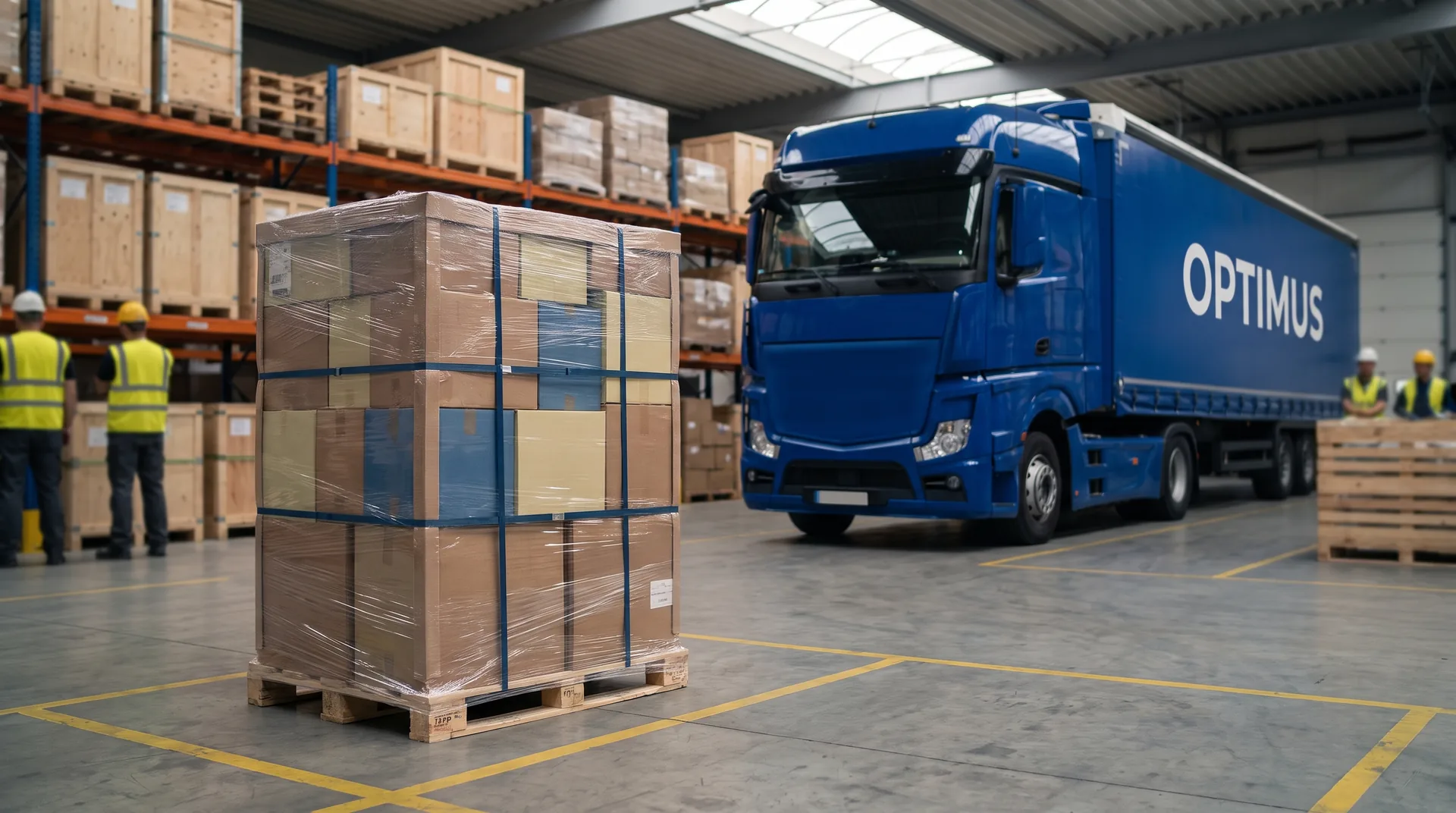
Amazon allows several SKUs on one pallet where order quantities do not permit a single-SKU unit, but it requires the pallet to be marked as mixed and the SKUs to be separated so they can be told apart at receipt. The hard boundary is the shipment: a box may belong to only one shipment, so a pallet cannot combine goods bound for two sites.
What Amazon allows on one pallet
The base rule reads: all items on an individual pallet must be the same item or similar items, when quantities allow. That qualifier matters, because it expressly contemplates the case where an order for one SKU does not fill a unit and mixing becomes a necessity rather than a convenience.
A marking duty comes with it. Pallets holding mixed but visually similar product must be labelled as mixed merchandise or mixed SKUs. On shipments prepared through the seller account Amazon goes further: it asks for the pallet to be marked as a single ASIN pallet when it holds units of only one ASIN, and where several SKUs travel together it requires them to be separated on the pallet so they are easy to tell apart at receipt.
The hard boundary: one shipment
There is no room for interpretation here. Amazon requires each box to contain inventory from only one shipment ID and forbids combining items from multiple shipments in one box. The consequence for the pallet unit is obvious: a pallet bound for one site cannot carry boxes planned for another, even when both travel on the same vehicle on the same day.
That is the most common reason for splitting a pallet before despatch from Poland. The seller looks at the order and sees one batch, the shipping plan divides it across two sites, and physically the batch stands on three part-filled pallets. The answer is not adding boxes wherever they fit but rebuilding units by destination site, which we cover in the article on sorting pallets by destination site.
When we split a pallet at the hub
- When a unit carries boxes from two shipments — always split, without exception.
- When a unit exceeds the height or weight limit — build two rather than rely on tolerance.
- When SKUs are interleaved layer by layer — rearrange into solid blocks so receipt does not require dismantling the pallet.
- When the base does not match the format required on the British market — restack the load, as covered in the article on restacking to a consignee spec.
Every such operation changes the number of units, which drags two things with it: a correction to the appointment, because the delivered quantity must match the one entered in Carrier Central, and a correction to the transport paperwork. The documentary consequences are unpacked in the article on a changed pallet count and customs paperwork.
How this differs from a mixed pallet for retail
The difference lies in what identifies the unit. On retail deliveries the unit is described by a GS1 serial number and its contents are itemised in an electronic pre-advice. With Amazon the unit is tied to a shipment number, and the contents follow from the shipping plan created in the account rather than from the label. In other words the pallet label says this is that shipment, not there are so many units of SKU X inside.
The practical result: a unit built for a retail consignee cannot go to Amazon without reworking its markings, and the reverse holds too. The retail standard is unpacked in the articles on mixed pallets in retail deliveries and on UK retail pallet requirements.
How we build them on consolidation from Poland
On groupage collected from several senders for one seller we build units only after establishing which boxes belong to which shipment. The order is always the same: first the split by shipment and site, then layering in blocks by SKU, and last the markings and the measurement. Reversing that order produces a pallet that has to be taken apart. How the consolidation flow works is described in the articles on groupage LTL from one pallet and on LTL groupage.
Sources
- Amazon Seller Central: pallet labelling and mixed merchandise
- Amazon Seller Central: box contents and shipment assignment
- Amazon Seller Central: single ASIN and multiple SKU pallet marking
Several SKUs and part-filled pallets? Describe the batch in our quote form and we will build units to the receiving requirements and split them by destination site.