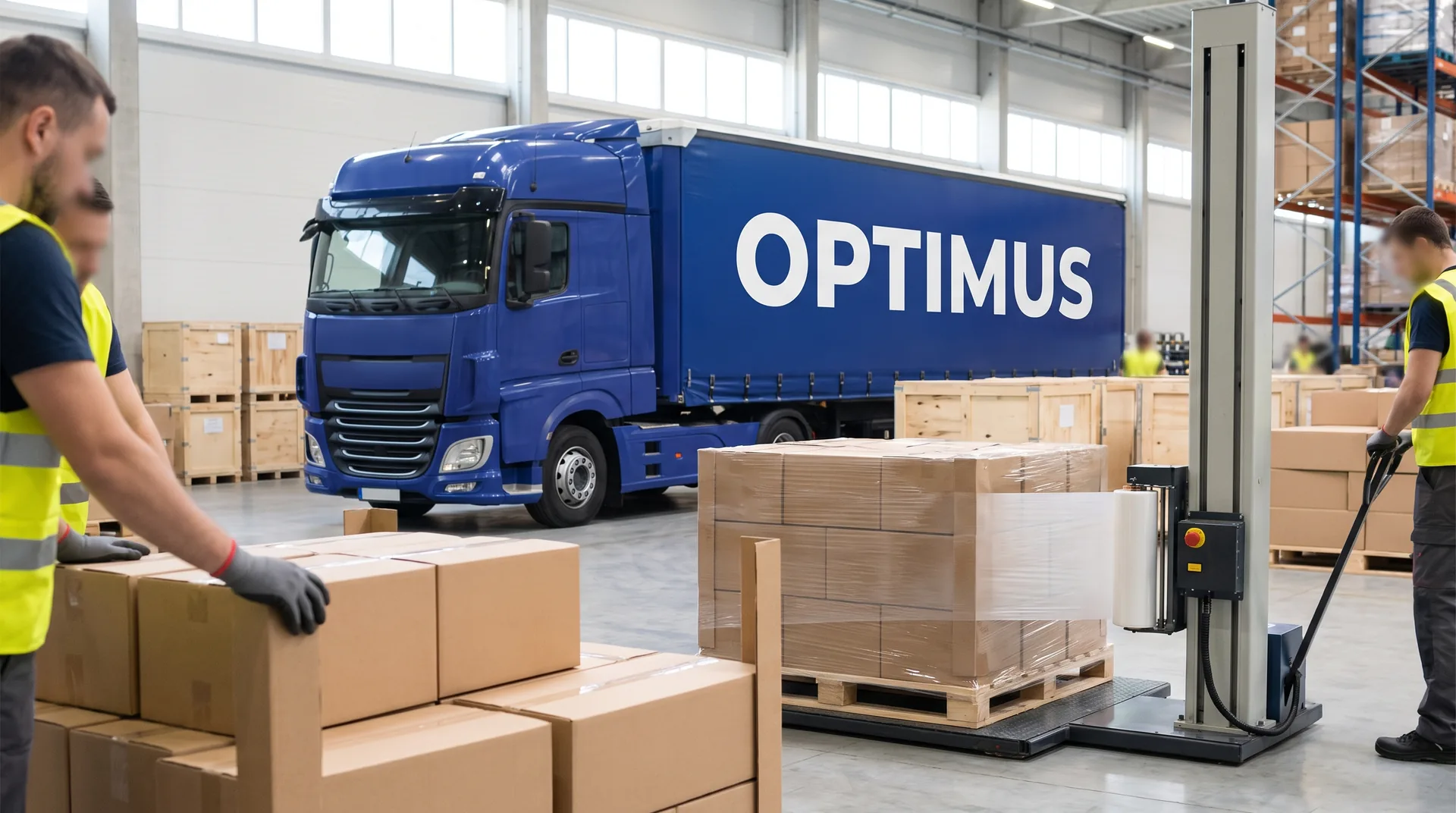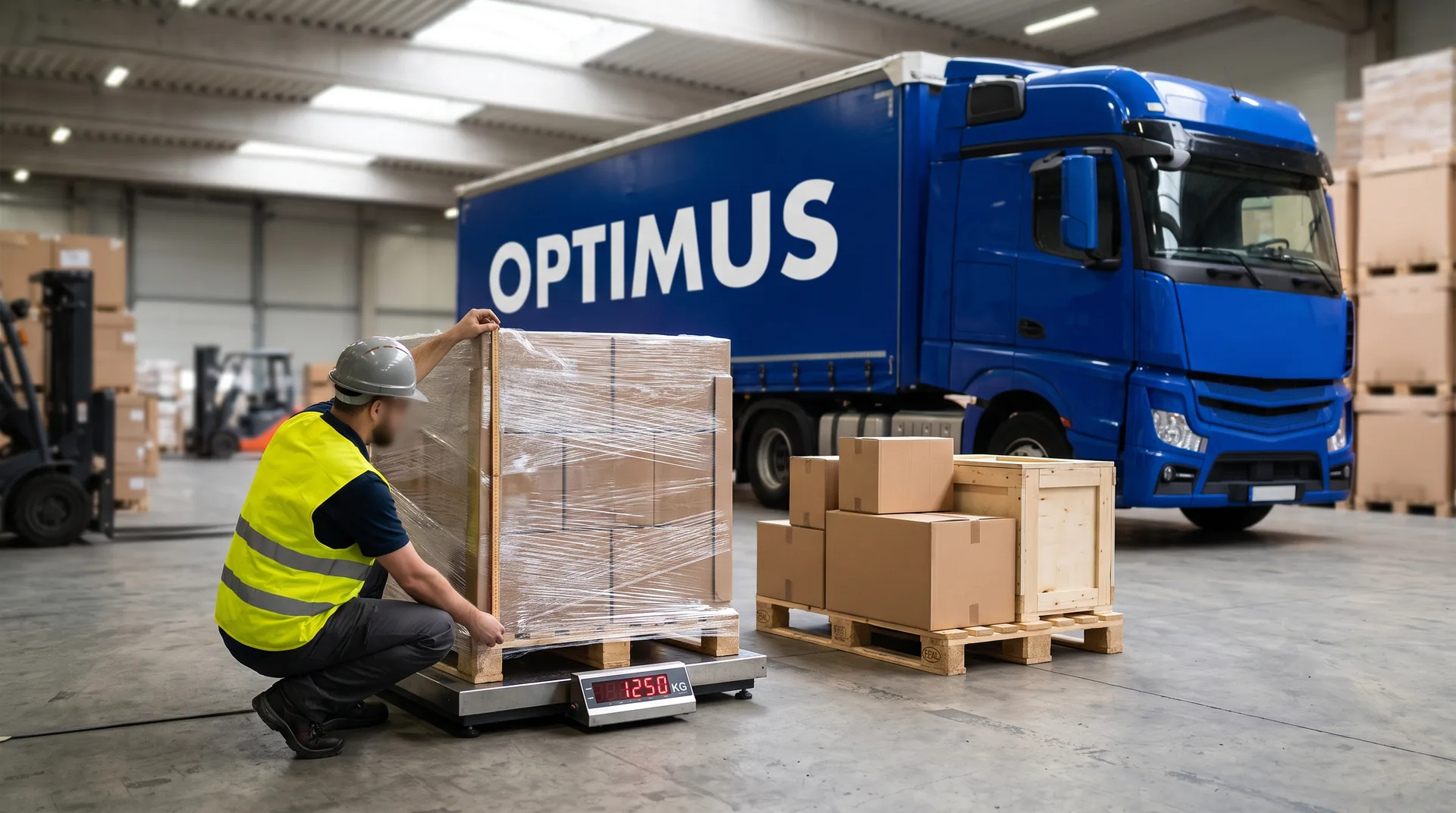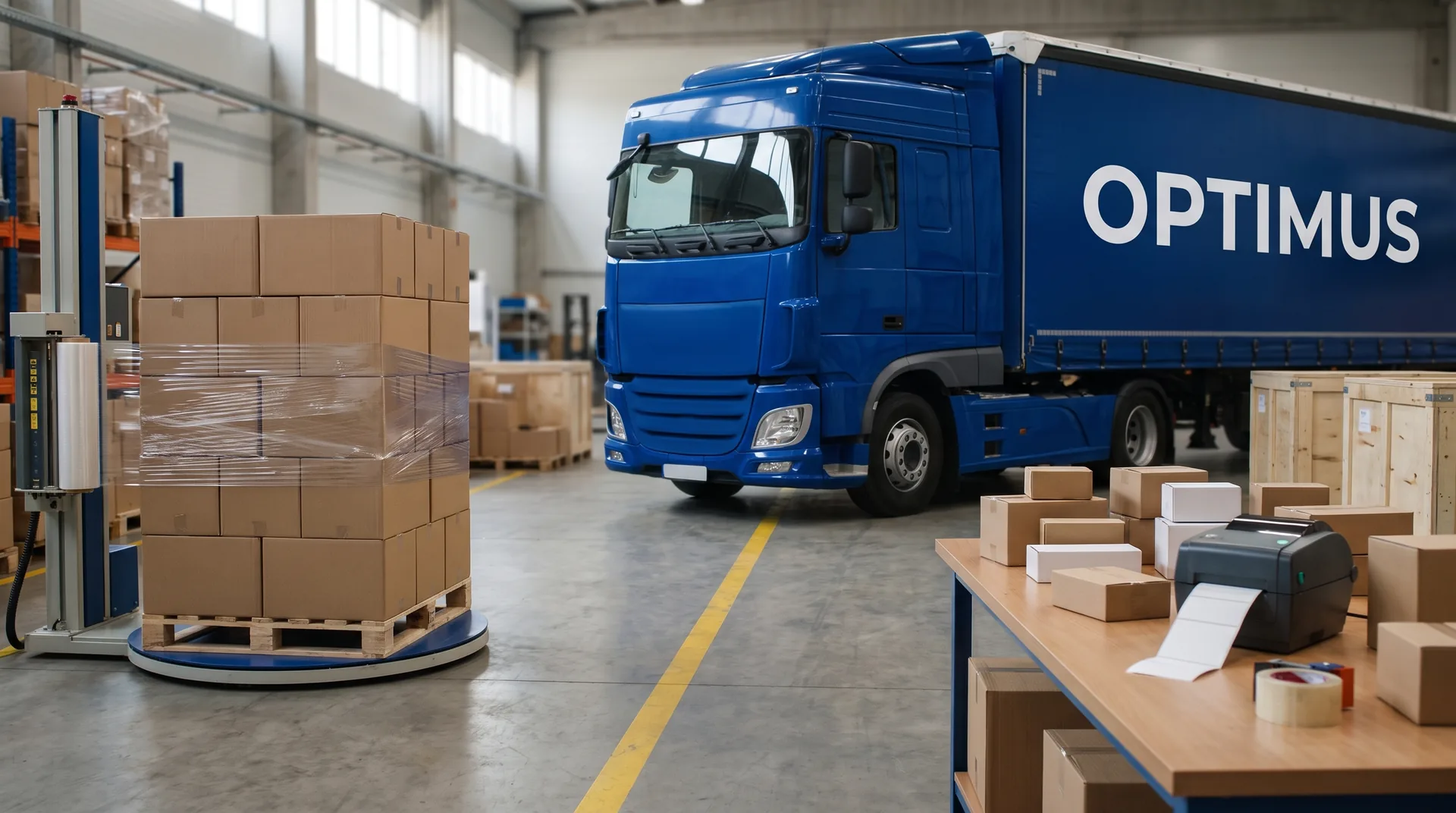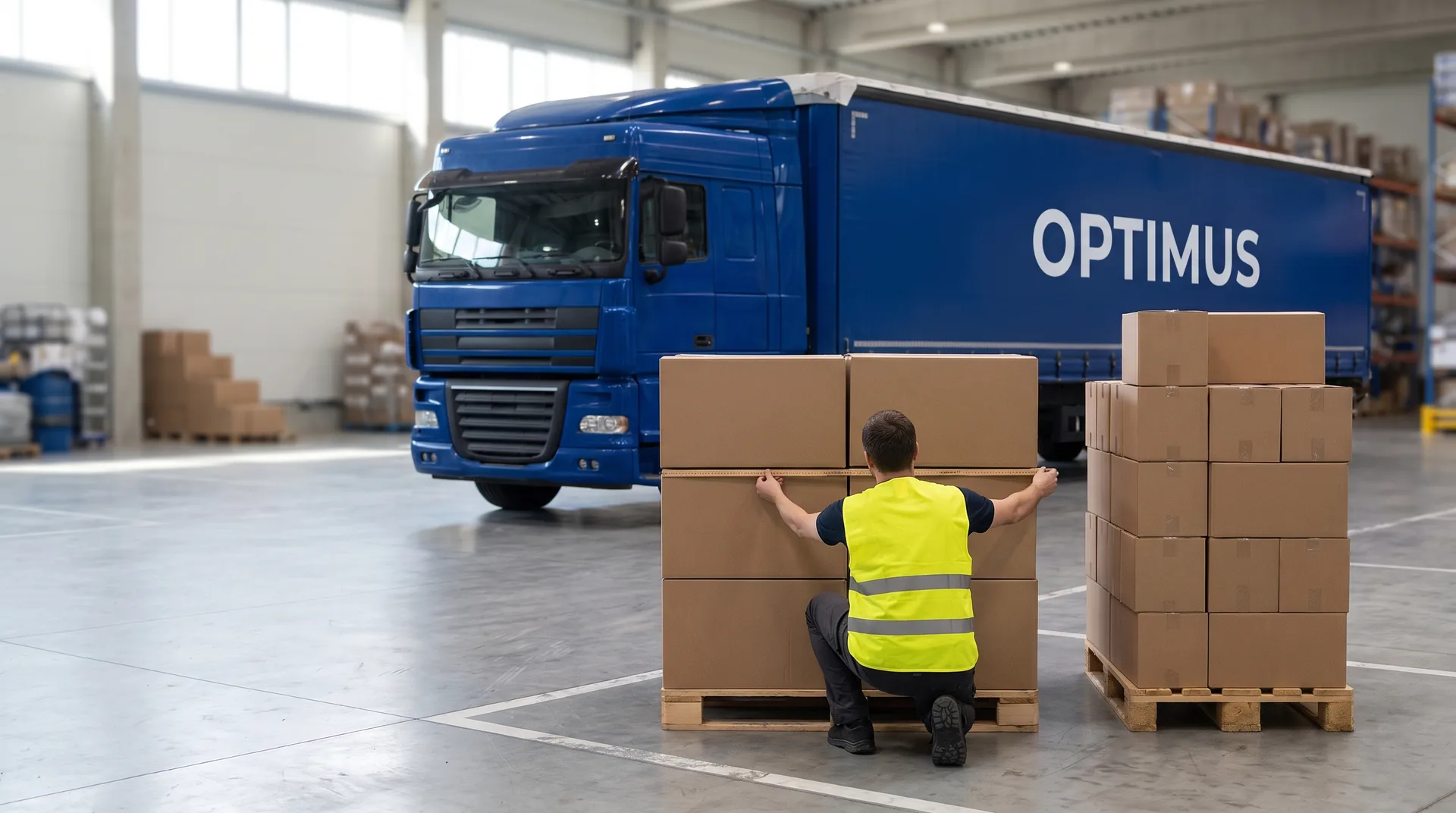
Going from a 1200×800 euro pallet to a 1200×1000 unit is not a one-for-one move. The footprint grows by a quarter, so the same cartons form fewer layers and a lower unit, and the pallet count on the paperwork usually falls. We run the operation at our Milton Keynes warehouse, before the domestic delivery.
Why does the British consignee insist on 1200×1000?
Because that is how the warehouse is built. Beam spacing, the cradle in an automated store, aisle width and the goods-in program are designed around one footprint, and a pallet of different dimensions either does not fit or fits with so much slack that it blocks the neighbouring location. Add picking ergonomics: at 1200×1000 the operative reaches in from the short side and has a wider face. The requirement comes from infrastructure, not whim — and it is practically never negotiable for a single delivery. Hard goods-in requirements are covered in our piece on UK retail pallet requirements.
How many layers fit after the change?
Start with arithmetic, not intuition. A euro pallet gives 0.96 m² of usable area, a 1200×1000 unit gives 1.20 m². The ratio is exactly 1.25. If eight cartons made a layer on the euro pallet, ten will fit on the British unit — provided the carton module allows it. That is the crux: the area gain only materialises when the carton divides the new footprint without a remainder. A 400×300 mm carton fits 1200×800 perfectly (eight) and 1200×1000 well (ten). A 600×400 mm carton gives four on the euro pallet and five on the British one, but the fifth either overhangs or leaves a void.
The effect on height is inversely proportional. The same hundred cartons that made twelve and a half layers on a euro pallet make ten on a 1200×1000 unit. The unit becomes lower and wider, therefore more stable — the centre of gravity drops. For a load that previously scraped the consignee's height limit at goods-in, the format change can be the fix in itself.
What happens to the unit count?
It usually falls, but not by a neat 1.25. Four full euro pallets cover 3.84 m2, which is 3.2 British pallets at a 1.2 m2 footprint each — in practice you get four units with the last one barely started, or three full ones plus a remainder that has to go somewhere. And that is where the paperwork problem starts: the consignment note, packing list and customs entry all say "4 pallets", and three leave our ramp. How to set this up so documents survive the operation is covered separately in the article on repacking versus customs paperwork. The short version: declare the number of packages at carton level and treat the pallet as supplementary information.
Where to do it: Poland or England?
It depends on whether the format change also makes sense for the road leg. A 1200×1000 unit takes 0.5 loading metres, a euro pallet turned crosswise 0.4 — fewer British units fit a full trailer than euro pallets, which we compare in the article on how many pallets fit on a trailer. So for a single consignee it usually pays to carry the goods to England on euro pallets, use the trailer space fully, and restack only at the Milton Keynes warehouse, just before the domestic run.
The reverse holds when there are several consignees, all wanting the same format, and a dedicated vehicle is running: then restacking at the Polish shipper saves one handling. One condition — the shipper must have 1200×1000 units on site, and in Poland those are not sitting in every yard.
How the restacking itself runs
We strip the film, lay the layers out on a work table, check carton condition and count the pieces. The new unit is built from scratch: heavier and fuller cartons at the bottom, a module chosen so there is no overhang beyond the footprint, an interlayer wherever the load is slippery. Then wrapping to the parameters that pass inspection at a retail DC, a new logistic label and a fresh measurement. All of it goes into the repacking record with before and after photos — without those you cannot later establish whether a crushed carton arrived that way or happened here.
How long it takes depends on what is inside and how even the module is; a uniform pallet of one box size goes fast, a mix of a dozen SKUs can take a multiple of that. So for a first delivery we ask for a photo of the pallet at the shipper: it shows whether the job is half an hour or a full one.
Who bears the cost of changing the carrier unit
That is contractual, not customary. In practice, across most of the lanes we run, the cost falls to the supplier, because it is their goods that must meet the consignee's goods-in spec. Still, put it in writing before the first delivery reaches the ramp: who pays for the units, who for the labour, and what happens to the euro pallets left over. If they are to return to Poland, they travel as a back load and have to enter the balance — see the article on pallet notes.
Sources
- EPAL: euro pallet 1200×800×144 mm, own weight approx. 25 kg
- EPAL: the EPAL 3 pallet in 1200×1000 mm format
Got a consignee who wants a different unit from the one you pack on? Describe the load in the quote form and we will work out whether restacking pays in Poland or only on the islands. The lane is described on our transport to the United Kingdom page.