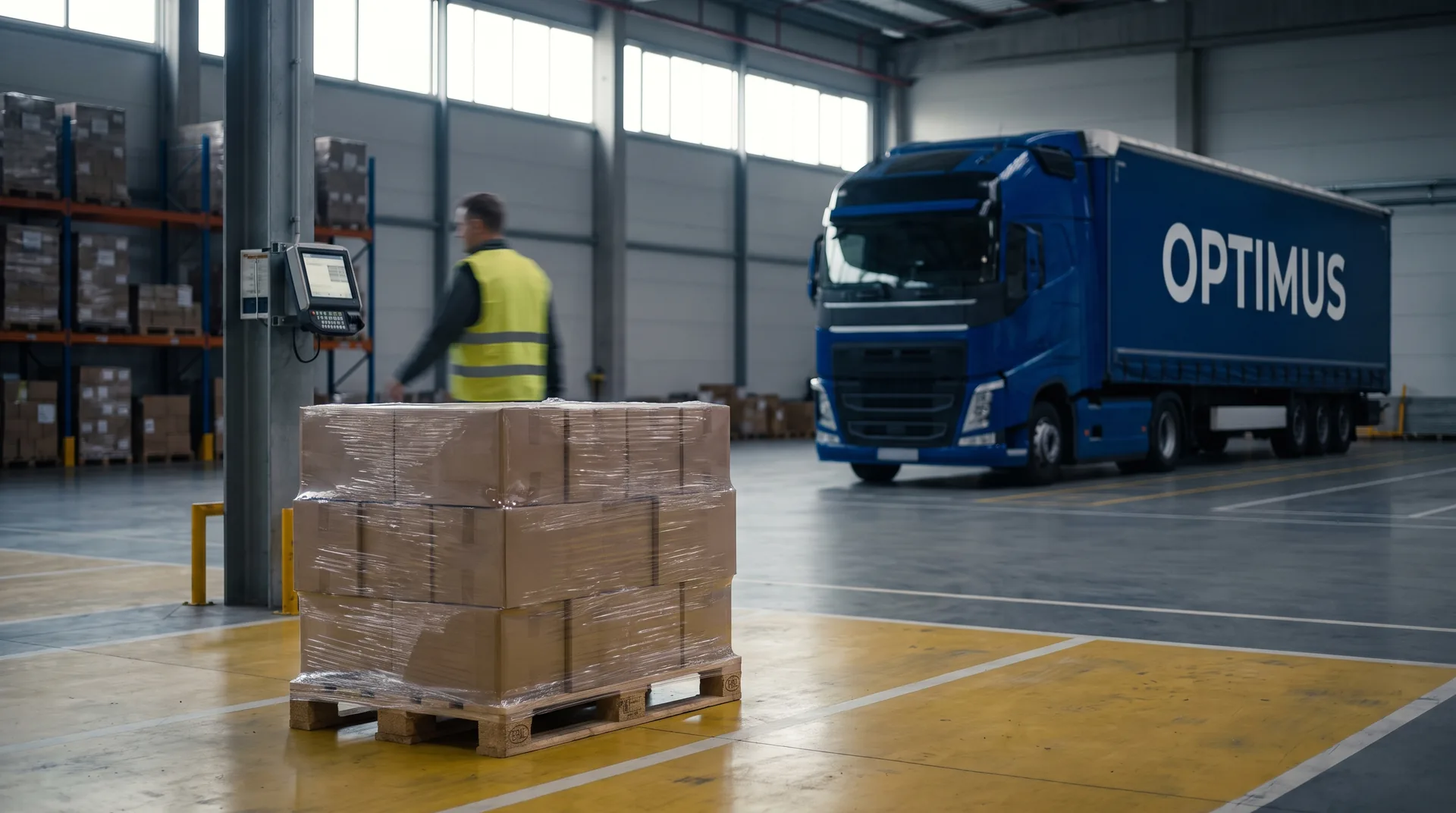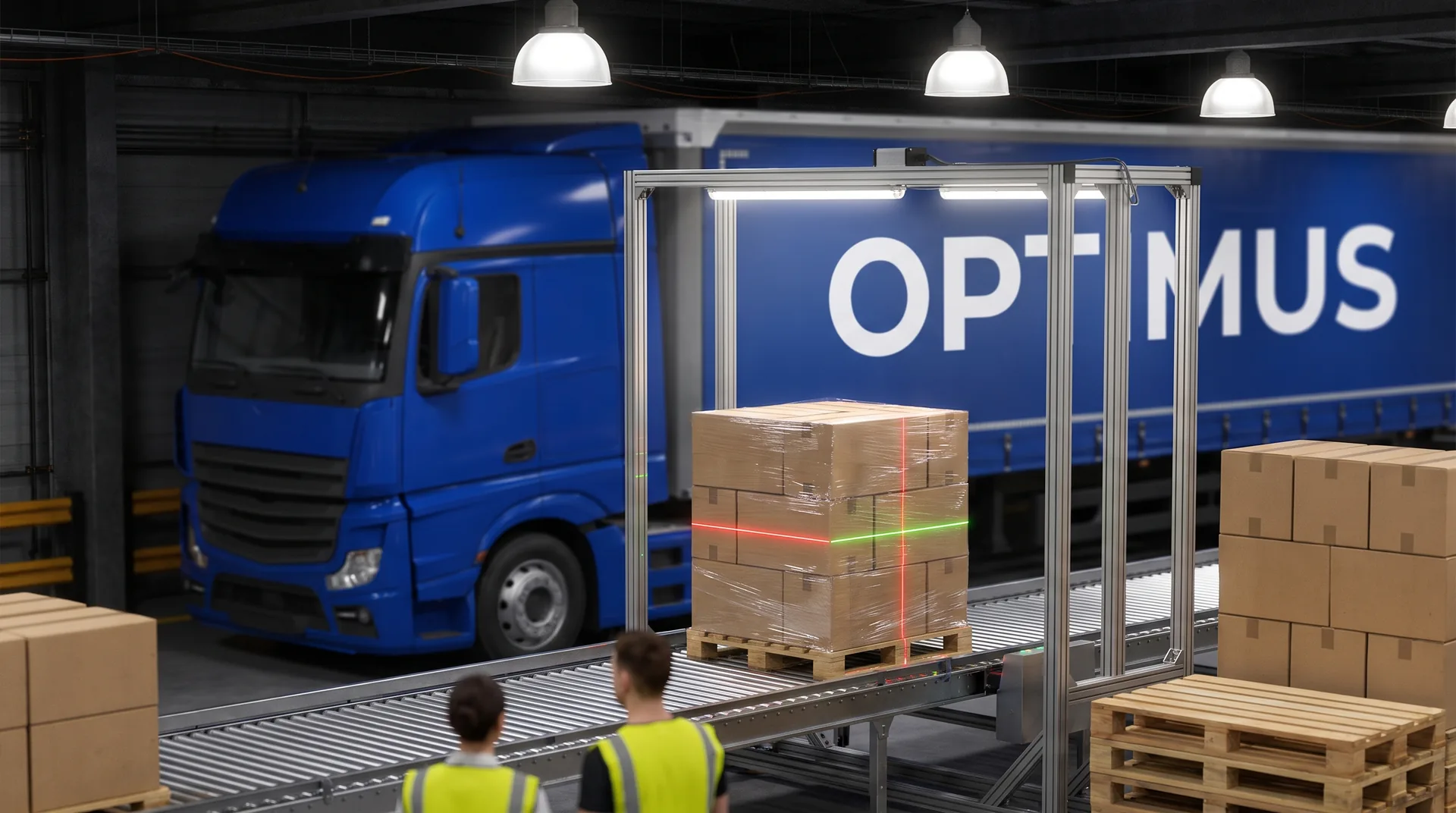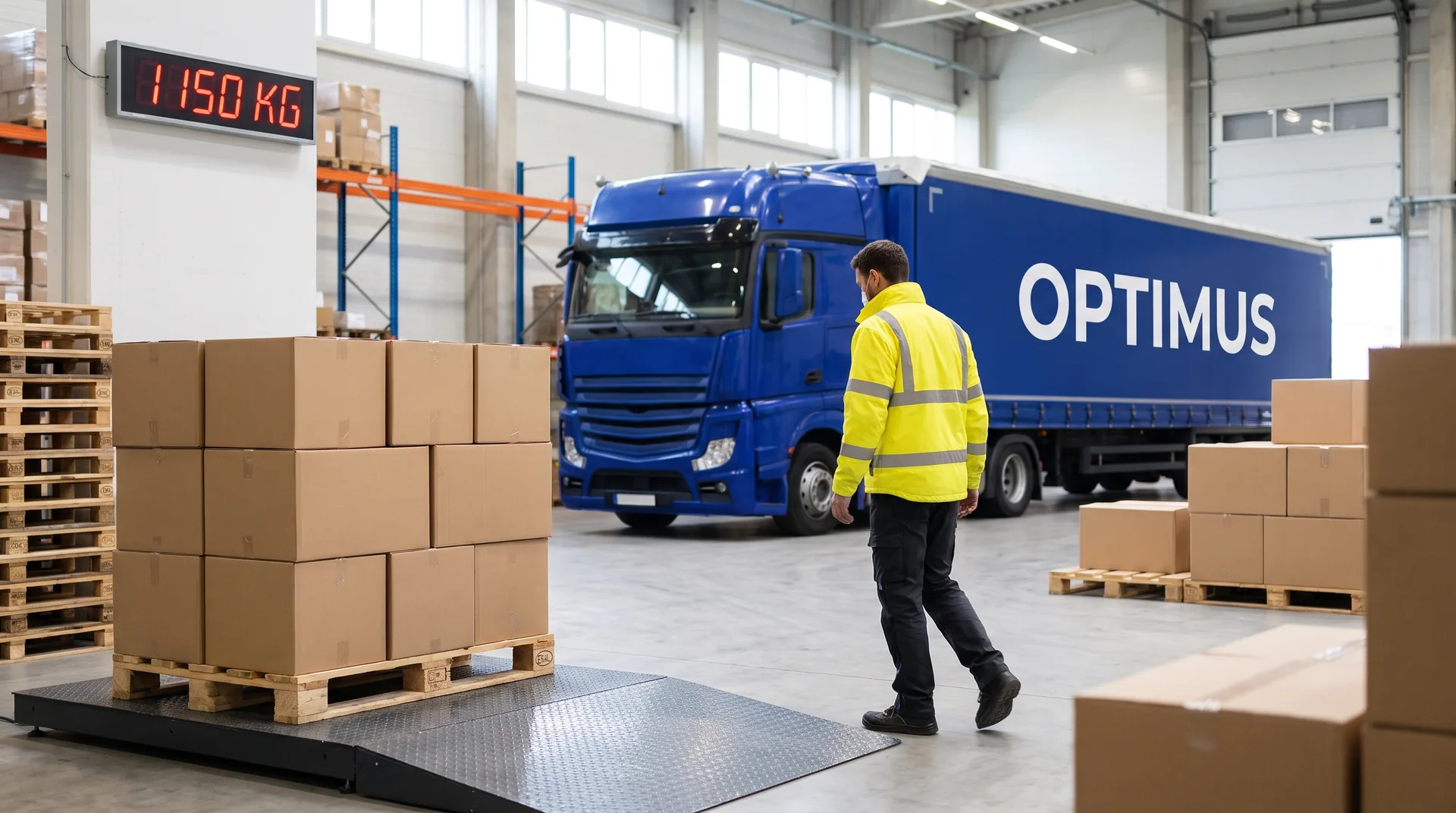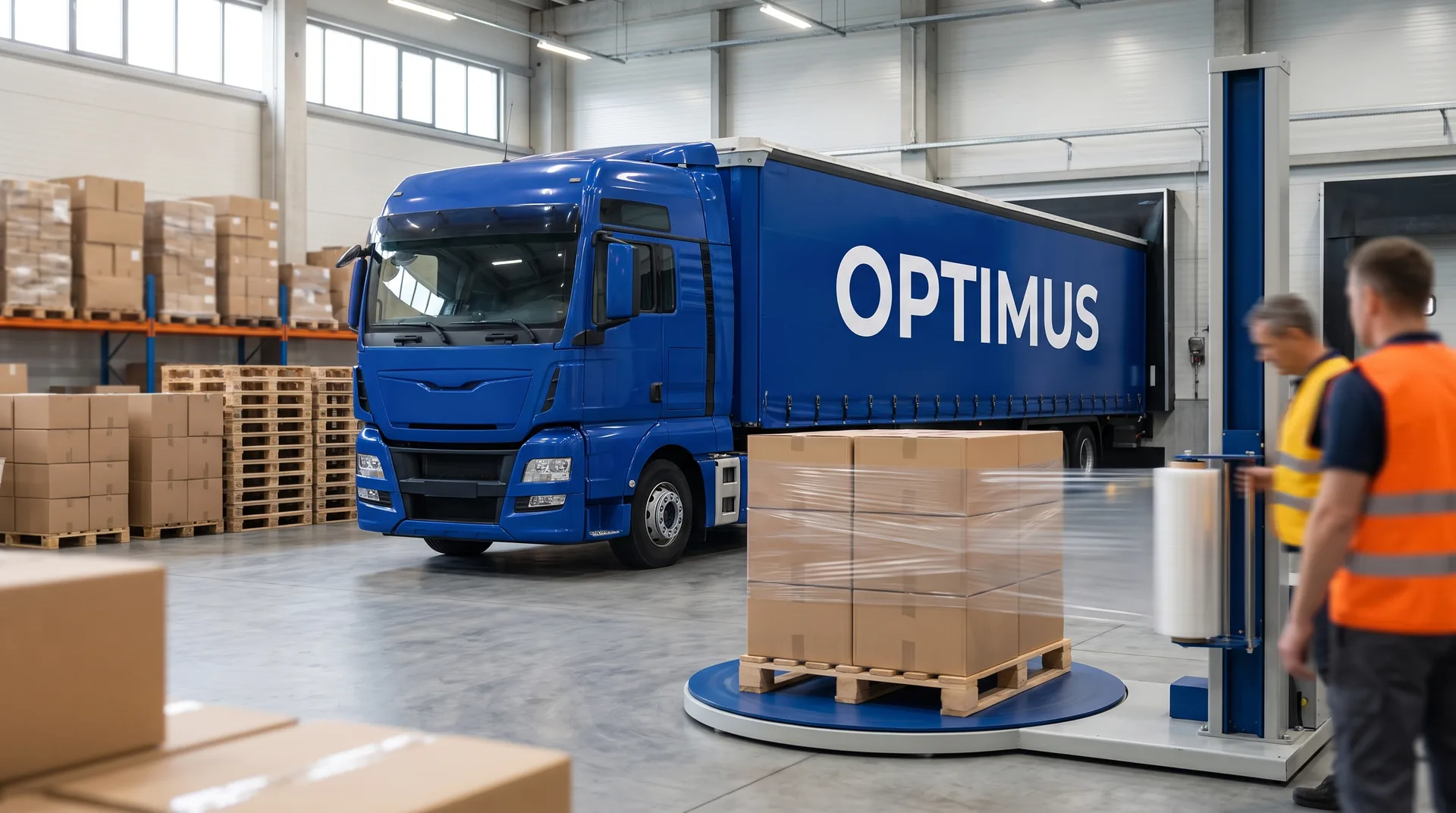
A mixed pallet clears goods-in without a piece-by-piece recount when each SKU sits in a solid block, layer order matches the order of breakdown, and the unit carries its own SSCC linked to a despatch advice. Without that link the operative has to break the pallet down by hand, which costs time and produces discrepancies.
When a mixed pallet pays, and when it only looks like a saving
It pays when a single SKU does not fill even one layer and there is one consignee. Instead of five quarter-full pallets in LTL groupage, one full unit travels: fewer loading metres, fewer carrier units to reconcile, less risk of an underloaded unit toppling. It stops paying when there are several consignees — a mixed pallet then forces a breakdown en route, exactly the operation it was meant to avoid.
The second case where mixing does not pay is loads under different regimes: food with chemicals, excise goods with ordinary ones, temperature-controlled with ambient. The problem there is not logistical but documentary and legal — separating costs less than explaining one unit described by two regimes.
How to build the layers
Rule one: one SKU per layer whenever order size allows. The operative lifts a layer and knows instantly what it is. Rule two: when a layer has to be mixed, split it into solid blocks, never a chequerboard. Three cartons of A side by side and four of B side by side scan faster than seven alternating.
Rule three concerns vertical order and follows from what happens at the end: whatever comes off last goes on the bottom. If the consignee breaks stock down by zone, arrange the SKUs in reverse of the picking route. Rule four is physical: heavy and rigid low, light and soft high, liquids never above electronics, and an interlayer between layers of different module so weight spreads evenly. When the built unit is visibly uneven, add corner boards and strapping, because film alone will not level differences between block heights.
What a mixed pallet label must carry
The base is the SSCC — the serial shipping container code, the single mandatory element of a GS1 logistic label. It identifies that particular pallet, not what is inside it. Contents are described outside the label: in the despatch advice or packing list, where the SKU and quantity breakdown sits under that SSCC. This is why a mixed pallet label must not carry a GTIN with a piece count the way a homogeneous unit does — that would read as "the whole pallet is item X".
The practical minimum we apply when building mixed units: SSCC in barcode and human-readable form, a clear "MIXED PALLET" wording at the top of the label, the consignee's order number, the delivery address with postcode, total carton count, number of SKUs, and the SKU-quantity breakdown if it fits. We apply the label to two adjacent faces so it reads without turning the pallet. Standard detail is in our article on labelling and GS1 SSCC codes.
Why retail chains dislike mixed pallets
Because their goods-in is designed around a homogeneous unit: one SSCC scan, one line, one put-away location. A mixed pallet breaks that rhythm — it has to be pulled aside, broken down, counted and entered as several lines by hand. So many supplier specifications either require mixed pallets to be flagged in advance, or cap how many are allowed per delivery, or route them to a separate door. The hard requirements are collected in our article on UK retail pallet requirements, and slot mechanics in the piece on RDC deliveries.
The consequence of an error is always the same and always measurable: a mismatch between advice and reality, meaning a shortage or an overage. What the procedure looks like on both sides is covered in shortage and overage at UK unloading.
Mixed pallets, packing lists and customs
On the packing list a mixed unit needs its own line with contents spelled out, not a single row reading "1 pallet, mixed goods". Checks on the British side test description against contents, and a blanket description is the simplest way to have a load held — we cover that in an incomplete packing list. If the unit is rebuilt en route, the pallet count on the paperwork stops matching; how to handle that is explained in changed pallet counts and customs paperwork.
How we build mixed pallets at the hub
When consolidating several shippers to one British consignee we build the mixed unit ourselves: we receive loose cartons or part pallets, scan them, stack them in blocks by SKU, print a new label with a new SSCC and record the old-number to new-number link in the documentation. The consignee gets a unit built for their goods-in, and the shipper keeps a trace of where each carton joined. We run this at the Milton Keynes warehouse or at the consolidation stage in Poland, depending on where the flows meet.
Sources
- GS1: SSCC — Serial Shipping Container Code
- GS1: logistic label guideline (supplier, customer and carrier segments)
Consolidating several SKUs to one consignee on the islands? Describe the order in the quote form — we will build the unit to the consignee's goods-in requirements. The whole lane is on our transport to the United Kingdom page.