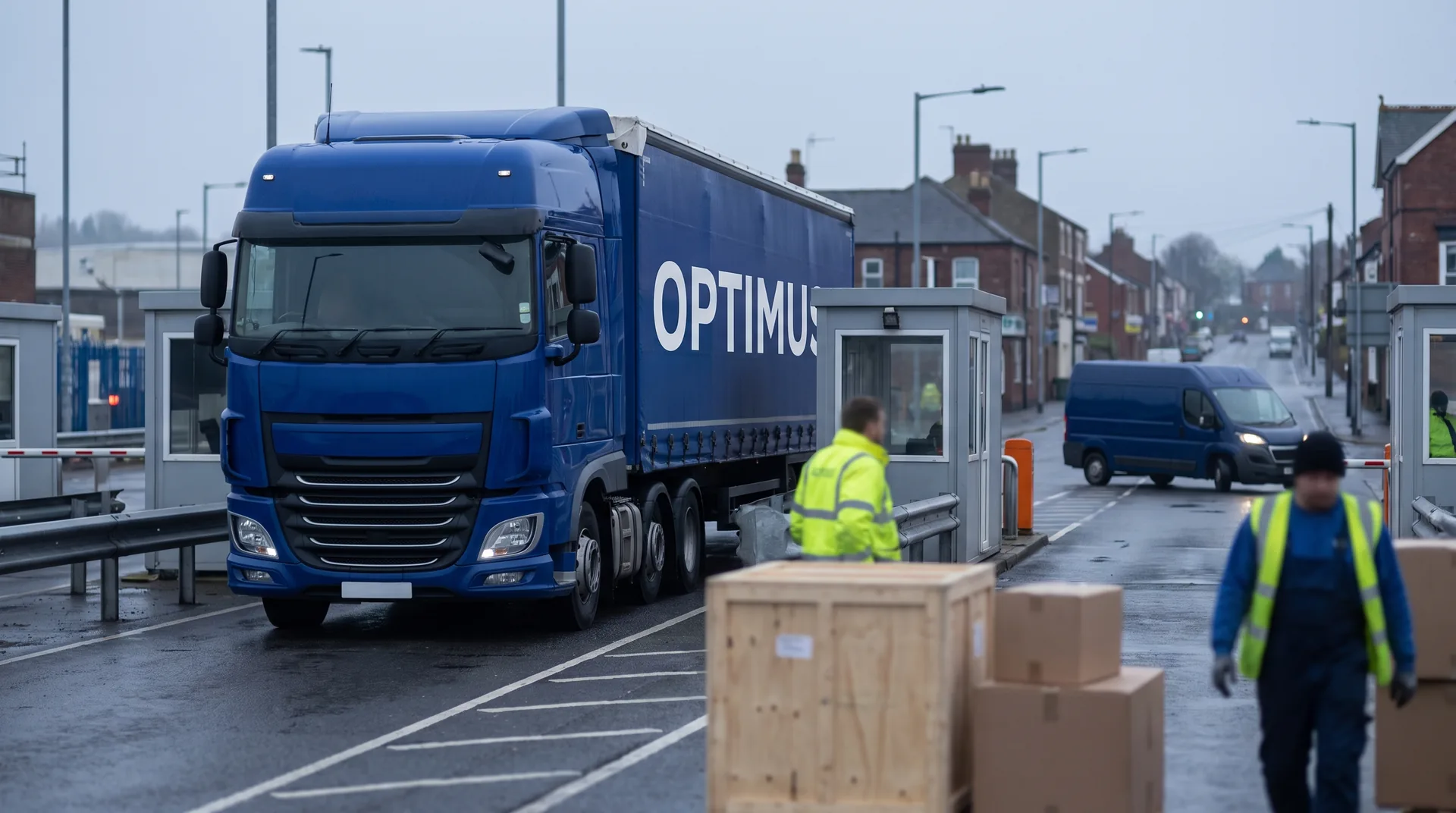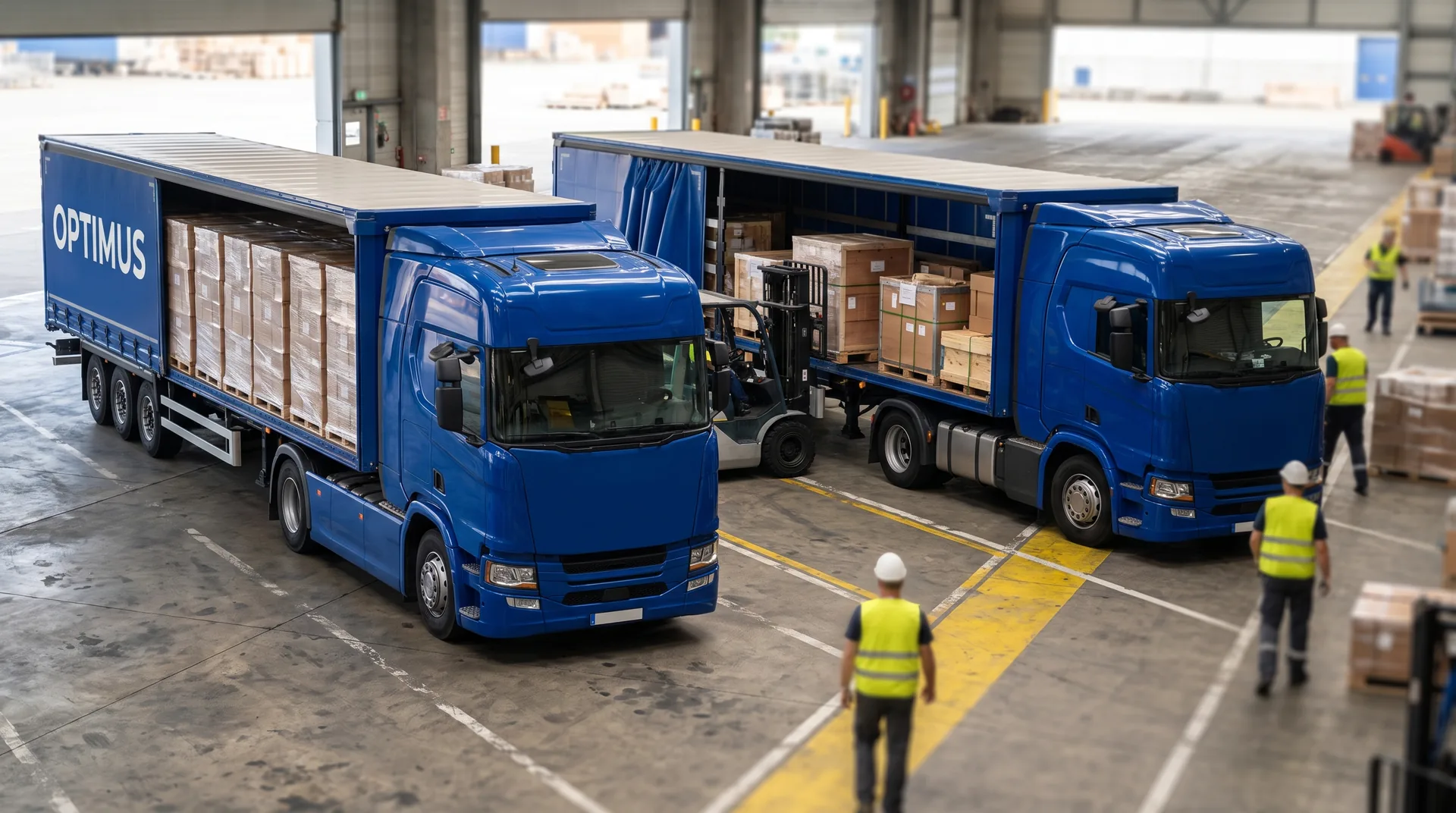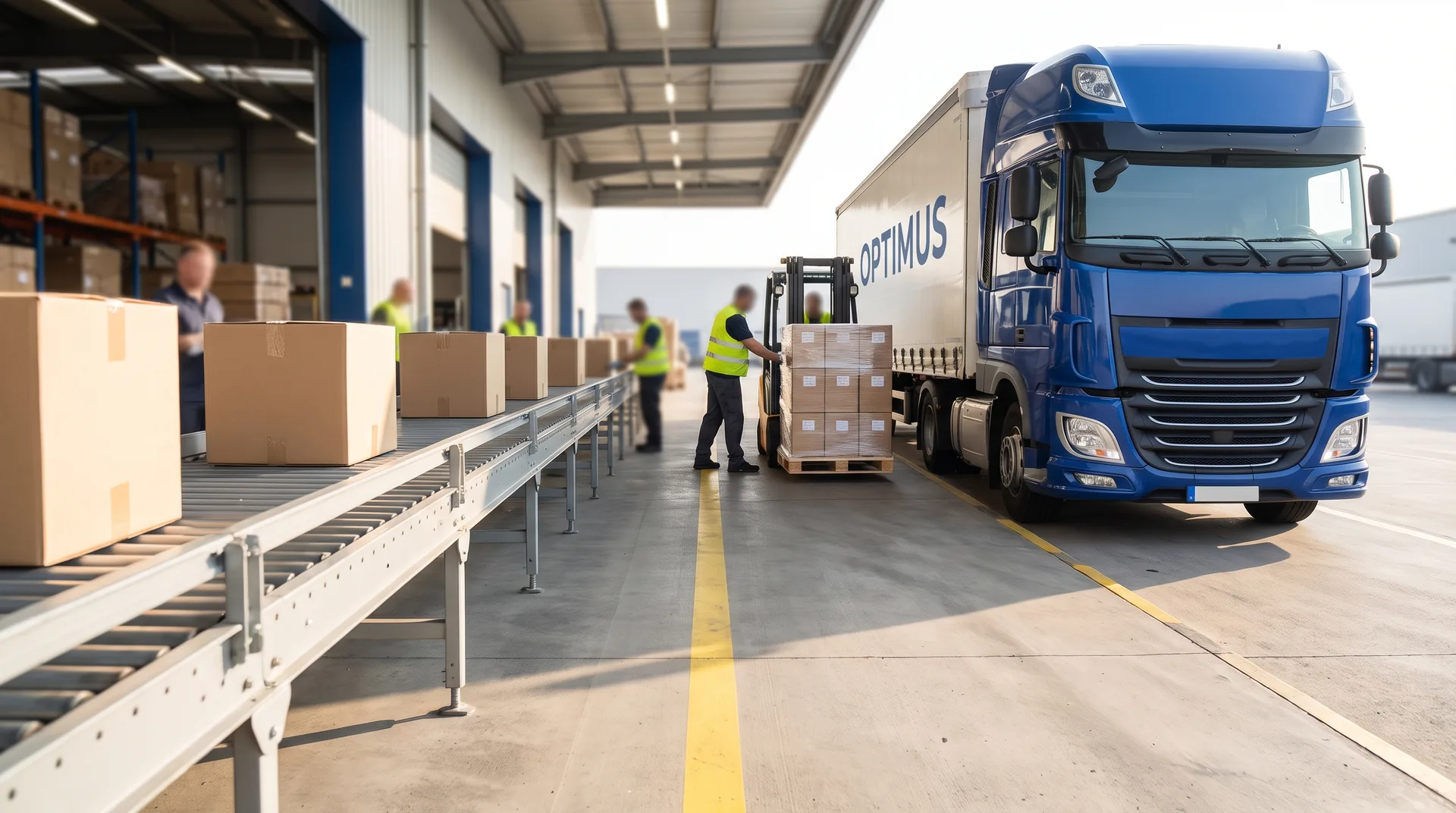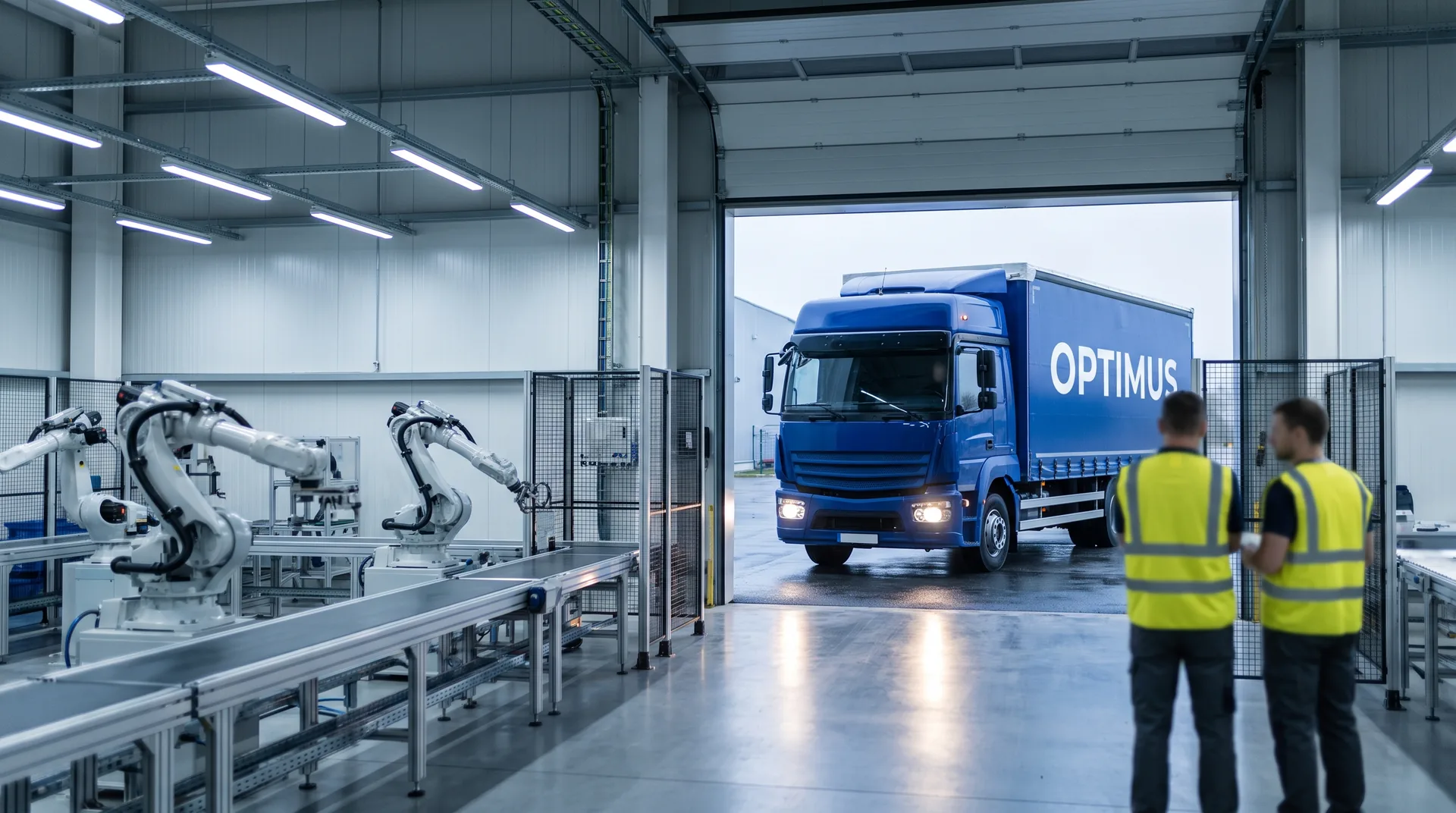
With a production line stopped we send a dedicated vehicle to the United Kingdom: a van, a rigid or an articulated set, depending on the weight and volume of the parts. Customs documents are prepared in parallel with dispatching the vehicle, so it never waits for paperwork. The goods travel with no transhipment, straight from the shipper's ramp to the plant's.
Hour zero: what we establish on first contact
- Exactly what is moving: dimensions, weight, number of pallets or crates, whether it can be stacked.
- From where to where: loading and delivery postcodes plus the working hours of both ramps.
- Who issues the invoice and packing list, because without them clearance cannot start.
- Contacts on both sides, available in the evening and overnight.
- The hour beyond which delivery stops making sense, so we know whether we are fighting for today or tomorrow morning.
Choosing a vehicle instead of waiting for groupage
In emergency mode there is no consolidation. One consignment gets one vehicle: a van for small light parts, a rigid at a few tonnes, an articulated set at full dimensions. On longer routes a two-driver crew allows the vehicle to keep moving where a single driver would have to stop. The rules behind that are described in drivers' hours on the Poland to UK route, and the mechanics of larger operations in multi-vehicle express.
Documents prepared in parallel
This is usually where the largest time saving hides, larger than in the driving itself. The export declaration and the data for the import entry are prepared by the customs team while the vehicle is on its way to load. The movement reference is ready before the port, so the driver reaches the ferry or the shuttle without hunting for an agent at the border. How that reference works and who creates it is explained in the GMR. One condition applies: the shipper must send the goods data immediately, not after loading.
The border and the last leg
We choose the crossing on the situation of the day rather than on habit. The tunnel can be faster and does not depend on the sea, the ferry takes a wider range of cargo and offers more departures per day. The criteria are taken apart in how we choose the crossing. On the British side the driver goes straight to the plant. Unloading in the middle of the night has to be confirmed with the consignee beforehand, which is why we ask about ramp hours on the first call: a gate closed at three in the morning cancels out all the work done earlier.
When express costs less than its price
The arithmetic with a stopped line differs from an ordinary delivery. You are not comparing transport against cheaper transport, but transport against downtime: idle staff, orders pushed back, and contractual penalties towards downstream customers. In that setting a dedicated vehicle usually beats any cheaper option that delivers the part a day later. We describe the same mechanism for spare parts in urgent car parts transport.
How to stop needing express
Emergency deliveries are a symptom, not the disease. If they recur regularly it is worth looking at the supply structure: whether a buffer on the British side would cost less than repeated rescue movements, and whether components from several suppliers should travel in one planned flow. The slot delivery model is described in automotive transport on slots. The express service itself is described on the express transport page.
What we honestly do not promise
Twenty-four hours is realistic for loading in Poland and unloading in England, but it depends on the start time, the loading location and the situation on the Channel. Instead of a rigid promise you get a plan with specific hours before the job is confirmed, and a phone call whenever anything on the route changes. The second is often more valuable than the first, because it lets the consignee replan a shift before people are standing at the line.
Sources
Is the line down or about to be? Describe the part and the addresses through the quote form or call us, and you will get the vehicle type, the collection hour and a realistic arrival time.