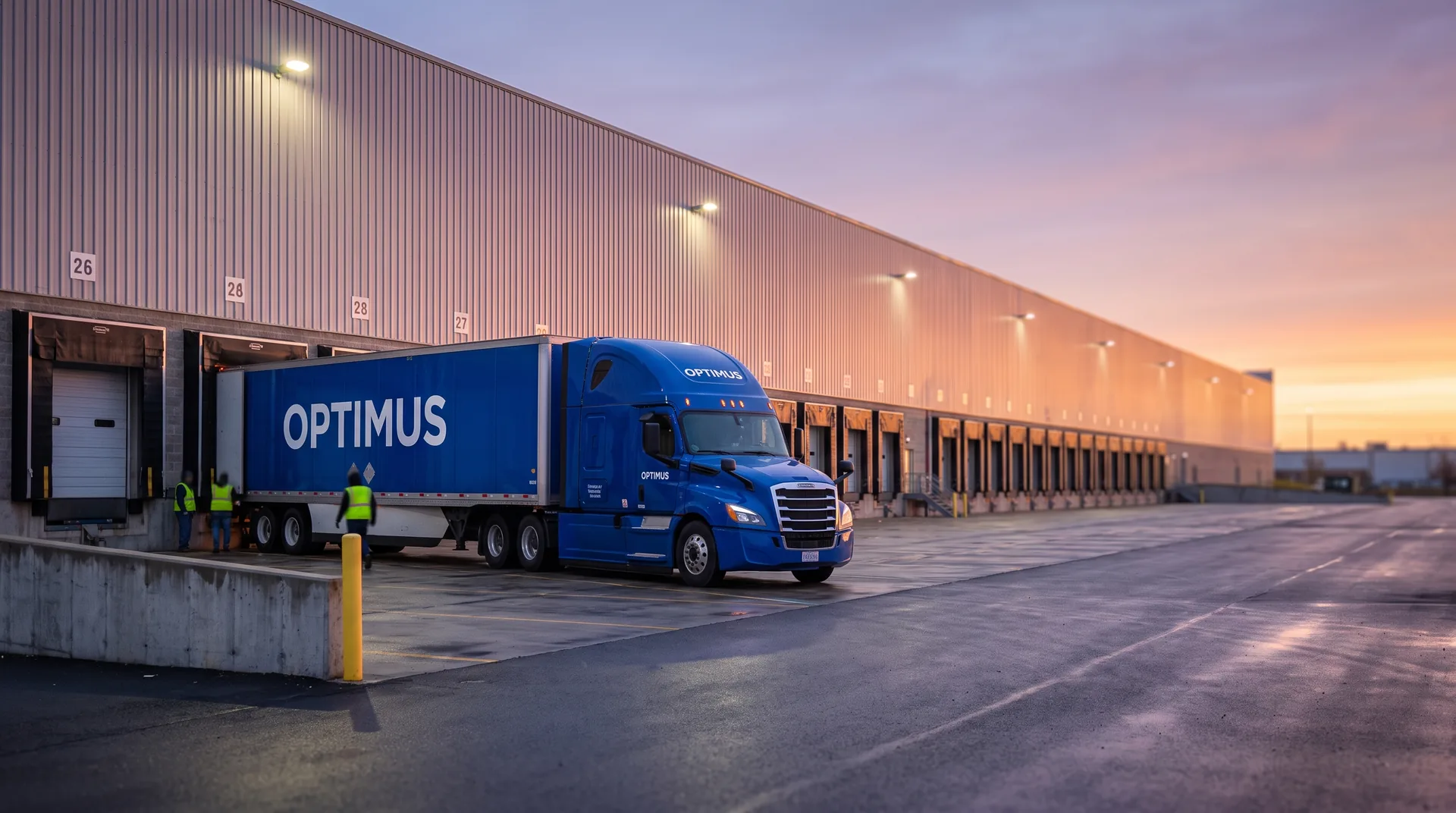
A regional distribution centre run by a UK retailer accepts goods only within a pre-booked time window. A vehicle without an appointment, or a late one, can be turned away, and the next free window is sometimes days later. The financial consequences of a failed delivery flow from the supplier trading agreement with the retailer, not from a carrier tariff.
How a distribution centre window works
- The booking is made in advance, through the retailer portal or by phone, stating pallet count, purchase order number and vehicle details.
- The window is narrow: arriving early means waiting on a park, arriving late risks a turnaway.
- At the gate consistency is everything: this vehicle, this driver, this pallet count, this order number. A mismatch on any of them can end in refusal.
- Unloading is normally done by the retailer team, with the driver waiting in a designated area.
The general rules for appointments at UK warehouses are covered in appointments and booking-in.
The documents and data intake depends on
The purchase order number is the key: without it the warehouse has nothing to match the pallet against in its system. On top of that come logistics labels on cartons and pallets and, for several retailers, an electronic advance shipping notice sent before arrival. We collect those requirements in GS1 and SSCC labelling and in advance shipping notices and EDI. After unloading, a properly annotated delivery document matters too, which we cover in clausing delivery documents.
Lateness and refusal
Retailers measure suppliers on delivery timeliness and completeness, and a failed window damages those measures regardless of whether the carrier, the traffic on the ring road or an error in the booking was at fault. The consequences are set by the trading agreement between supplier and retailer: from a rebooking through administrative charges to the effect on the relationship. From a transport point of view, though, something else matters most: after a refusal the vehicle is standing with goods that need a home immediately, because the next jobs are waiting.
Pallet requirements: a frequent cause of rejection
Retailers publish their own pallet specifications: maximum height, wrapping, condition of the base, no overhang, stacking rules. A pallet that is technically sound but outside the specification can be refused at intake despite arriving on time. We have collected the requirements in UK retail pallet requirements. Before a first delivery to a new receiver it is worth reading their specification rather than assuming the market shares one standard.
A buffer in the Midlands
Our own warehouse in Milton Keynes sits in the English Midlands, on the corridor serving a large share of the country distribution centres. When a window is lost the goods come to us rather than going back to Poland: we hold them for the new slot, correct pallets or labels if those were the problem, and re-present the delivery on the next window. The vehicle goes back to work and the pallet waits on the floor rather than on a trailer. The distribution centre belt is described in deliveries into Midlands distribution centres.
Improving the odds of a first-time acceptance
- A booking confirmed in writing with a reference number, passed to the carrier before departure.
- Slack in the route plan: better an hour early at the gate than fifteen minutes late.
- Pallets and labels matching the retailer specification, checked before departure rather than at the gate.
- An emergency contact at both ends: when a run falls apart a booking can sometimes be moved, but only before the window passes.
- A clear agreement on who covers standing time, described in waiting time charges on UK transport.
When the delivery is refused anyway
Then speed of decision is what counts: whether the goods return, wait for a new slot or go into recovery. With food and sensitive products time and temperature come into play, and the options are set out in recovering loads rejected by retailers. The full range of support in those situations is on our cargo inspection and recovery page.
Peak season: when the windows disappear
Window availability is not constant through the year. Ahead of the Christmas period, during promotional activity and at seasonal range changes, distribution centres run at full stretch and free intake slots can be well out. In those periods the booking is made well in advance and the transport plan is built around the window rather than the other way round. Leaving the booking to the last minute risks goods reaching England and then waiting days for a chance to unload. Planning in the busy period is covered in the pre-Christmas peak.
Supplying UK retailers and want a plan B written into the job? Describe the delivery and the receiver requirements in our quote form and we will propose the transport together with a warehouse buffer in England.