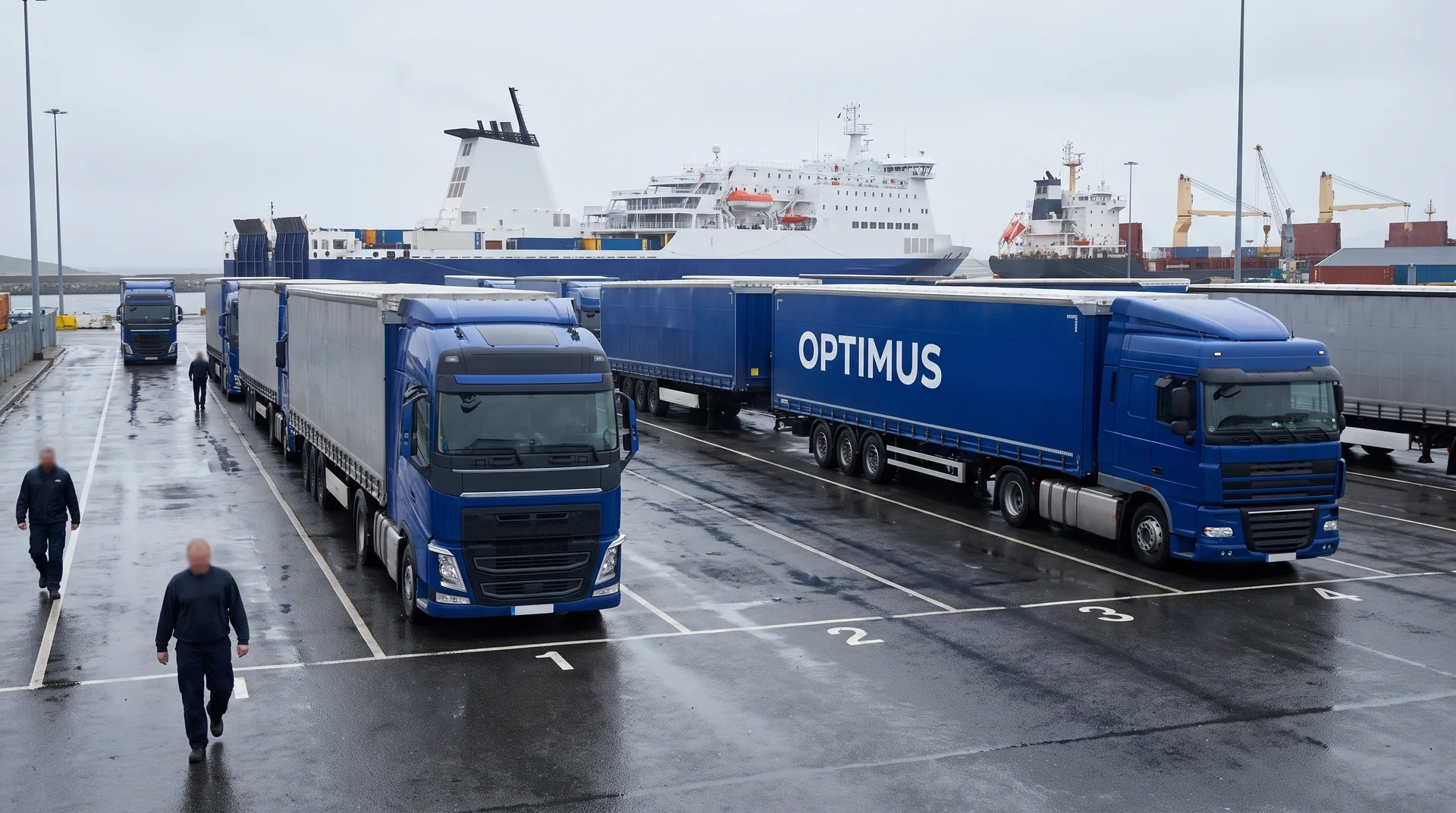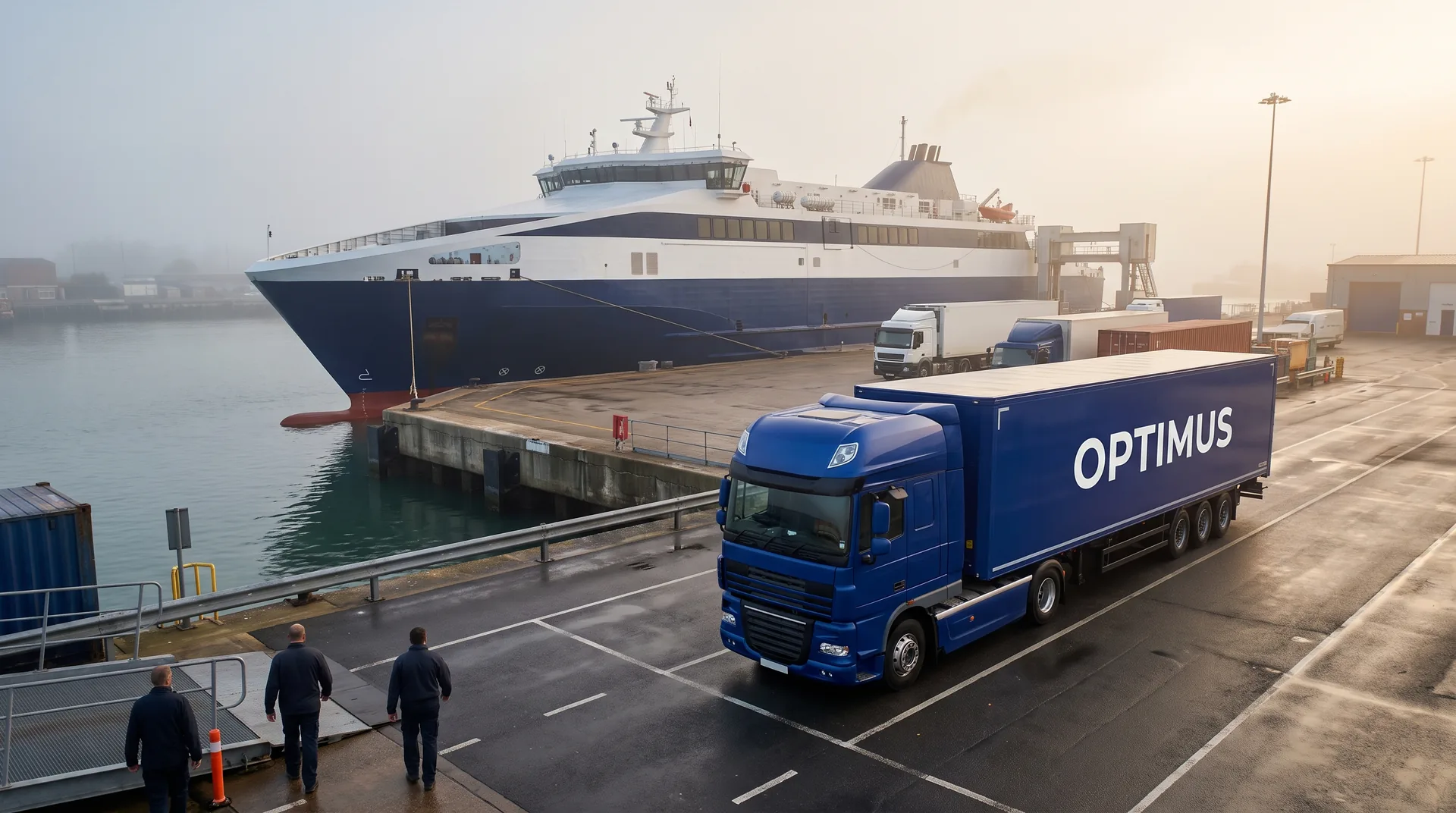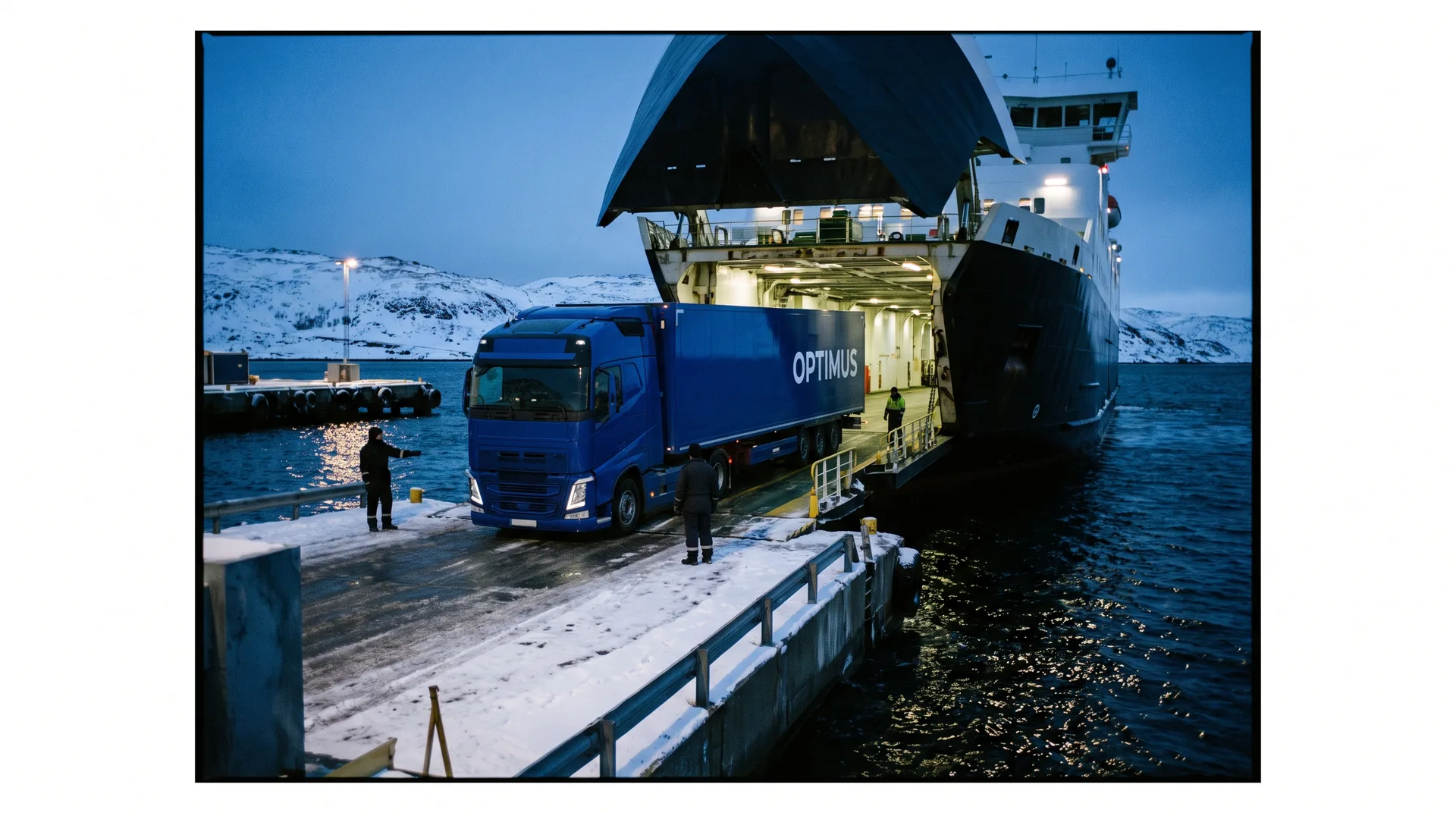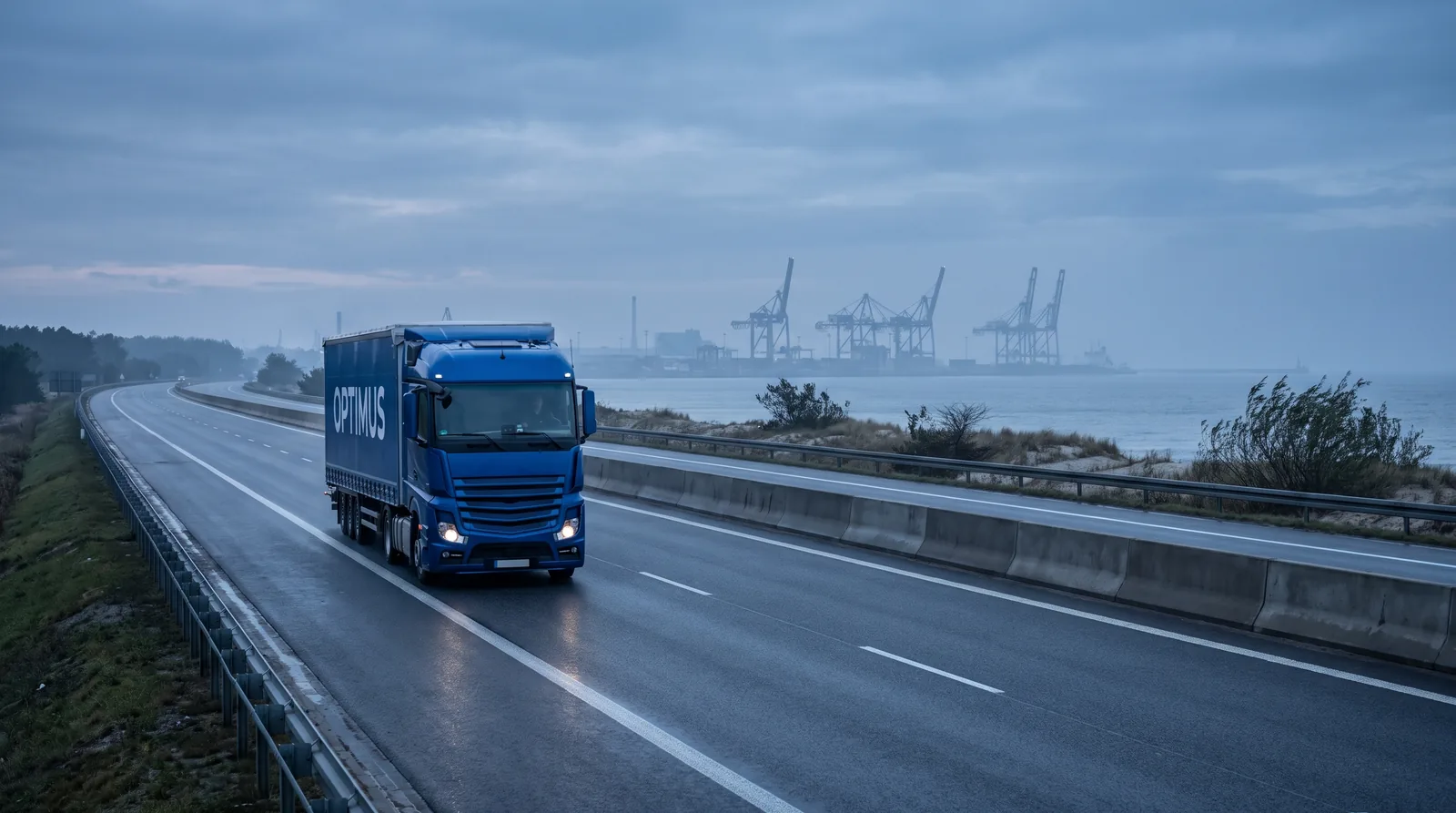
From the Tricity and Pomerania we collect England-bound cargo with trucks running the A1 axis and consolidate it at our Kielce hub, which sends it on a scheduled departure to the crossing. For pallets the road is faster than sea freight from the ports: it counts in days, not weeks. Groupage from 1 pallet, full loads straight from the ramp.
Sea or road: what should you choose from the Tricity?
That question comes up in Pomerania more than anywhere else, because the ports are around the corner. Sea freight makes sense for full containers of time-insensitive goods: schedules counted in weeks, port handling on both sides and rigid windows. Road transport wins wherever deadlines and flexibility matter: a pallet collected from a Gdynia warehouse travels without port handling, through our hub, straight to an address in England. We are not sea forwarders and do not pretend otherwise: we move goods on wheels, and this comparison is meant to support an honest decision. The port location has one more consequence: the Gdansk exhibition centre receives exhibits arriving by sea, which we cover in AmberExpo in Gdansk.
What do we carry from Pomerania to the UK?
- Furniture: Pomerania and neighbouring Kujawy form one of Europe's biggest furniture clusters; the cargo's specifics are covered in furniture and oversized goods to the UK, and the range on our furniture and home page.
- Food and fish processing: chilled and frozen goods travel by refrigerated transport with temperature records and the border documents food requires.
- Steel structures and shipyard subcontracting: welded elements, sections and fittings; the scope is described on our metals and fabrications page.
- Cosmetics and consumer goods: wrapped pallets for British distribution and e-commerce.
How does a collection from the Tricity work step by step?
- You send dimensions, weight and postcodes through the quote form.
- A local truck picks up from a warehouse in Gdańsk, Gdynia, Sopot or the region's smaller towns.
- The goods run down the A1 axis to the Kielce hub and consolidate with other UK-bound cargo.
- Our own team closes export clearance and the UK import.
- Delivery to the given address in England, with notification and proof of delivery.
How long does transport from Gdańsk to England take?
The scheduled rhythm from Pomerania looks like this: collection on day one, an overnight run to the hub, the line-haul departure and the crossing, delivery in England usually on day three or four depending on the region. Urgent consignments up to 2.5 tonnes go by dedicated van with transit from 24 hours, straight from the shipper's ramp, without consolidation. When planning, keep in mind the seasonal peaks on the crossings, described in our article on the pre-Christmas peak.
Pomerania without its own hub, but with its own rhythm
We have no warehouse in the Tricity and say so openly: collections run on line-haul trucks and local approaches, and consolidation happens in Kielce or, for part of the westbound flows, in Legnica. In practice Pomeranian shippers get the same departure timetable as clients from central Poland, and the loop is closed by return loads from England to northern Poland; the mechanics of the return direction are covered in return loads from the UK. The port location can be an asset in our model too: goods from sea imports are repacked onto pallets and carried on to the UK as ordinary groupage. The westbound flow runs down the S3 axis from Szczecin and feeds the Legnica hub, which we cover in transport to England from Szczecin and West Pomerania.
Contract furniture and the season: Pomeranian specifics
Pomeranian furniture largely works to retail chain contracts and hotel projects, which forces a specific transport rhythm: deliveries against an investment schedule, consolidation of many items to one address and zero tolerance for damage, because one missing element halts the fit-out of a whole interior. We plan such orders backwards: first the assembly date in England, then the crossing window, finally the factory collection dates, often several at once. Consolidation runs at the hub, and on long projects part of the goods waits at our Milton Keynes warehouse, arriving on site exactly when the crew is ready. The second regional trait is processing seasonality: fish and fruit plants ship in waves, and the reefer must be booked before the wave arrives. We agree temperature-controlled windows a week ahead: the reservation costs a phone call and guarantees the vehicle when goods really leave the line.
Shipping from Gdańsk, Gdynia, Słupsk or Tczew? Send your load data through the quote form and we will plan a collection within groupage LTL or provide a dedicated vehicle.