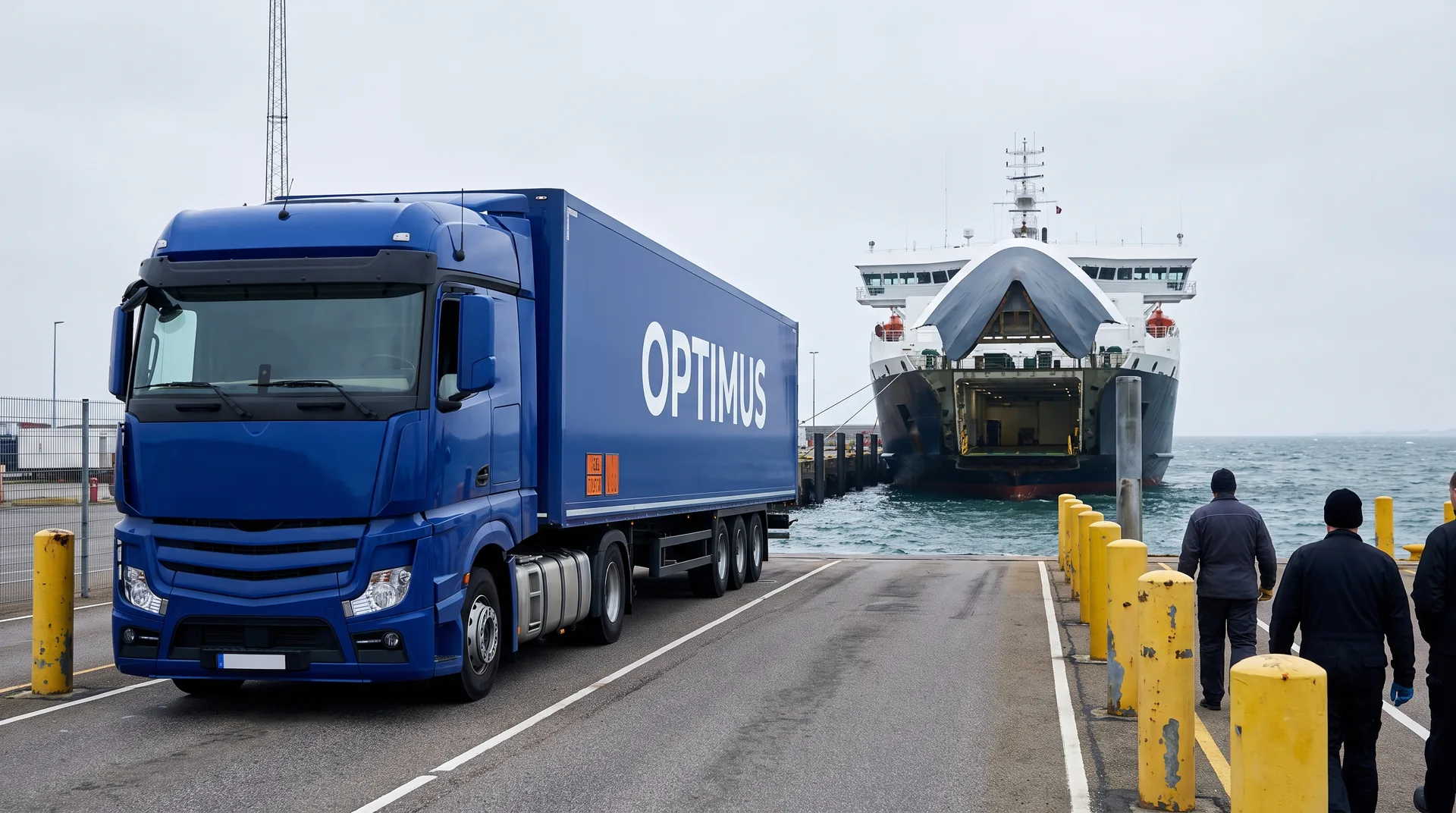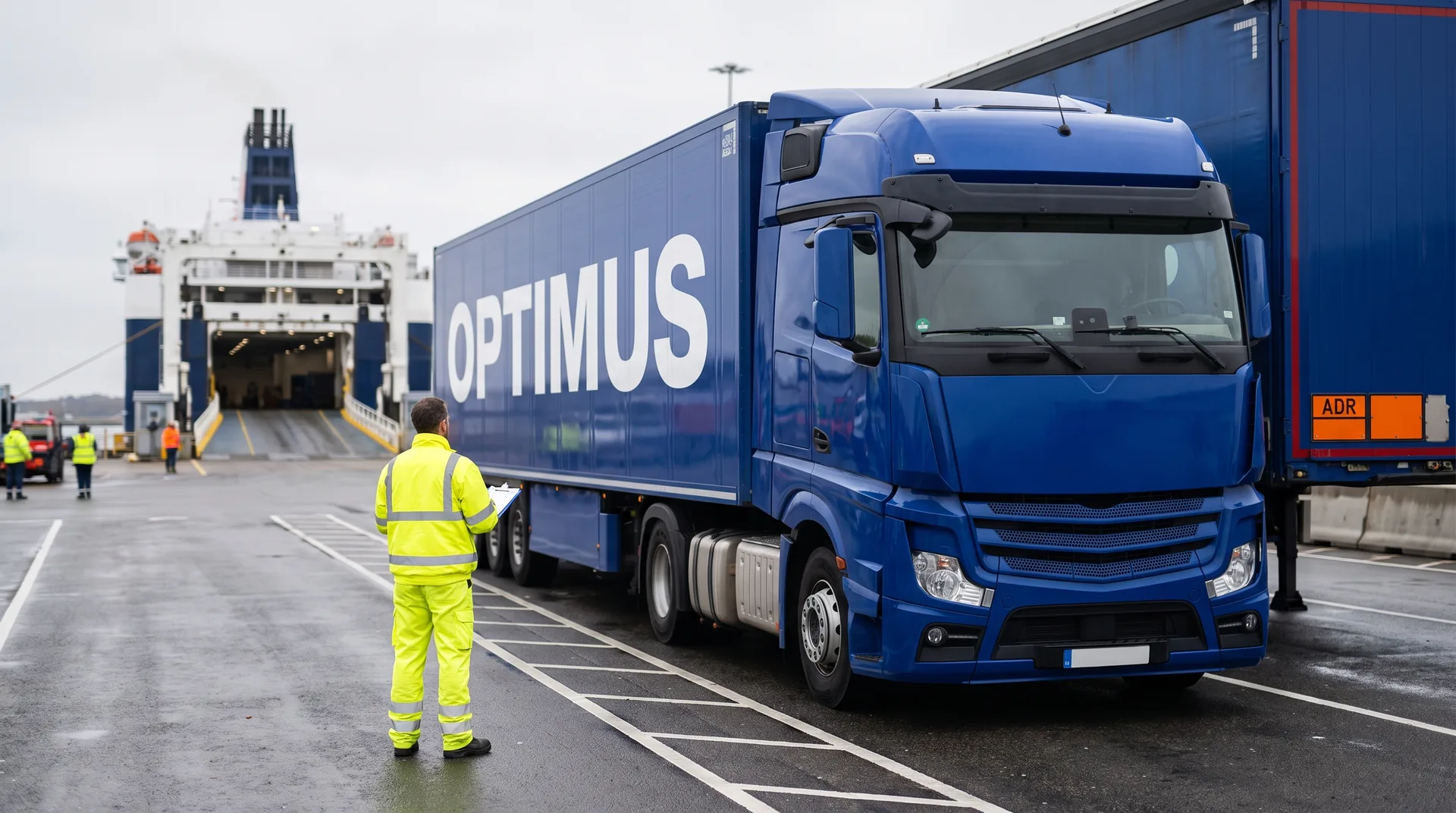
We move ADR dangerous goods across the Channel by ferry or Eurotunnel, but not every class is accepted on every crossing. Eurotunnel applies its own dangerous goods policy, stricter than ADR alone, and ferries fall under the maritime IMDG Code with a DG declaration required before port check-in. So we start the choice of crossing from the class and UN number.
Eurotunnel: its own rules, not just ADR
ADR carriage through the Channel Tunnel runs only on freight shuttles and follows the operator's own regulations, updated every two years alongside ADR. The rules are tighter than on the road: class 1 explosives and class 7 radioactive materials are as a rule excluded, and goods requiring more than one hazard label are not accepted, with exceptions defined for class 2. Every DG load, including quantities covered by road exemptions, must be declared to the operator before carriage. The binding reference is always the current Eurotunnel list, which we check when planning any dangerous goods movement.
Ferries: at sea the IMDG Code rules
On a ferry an ADR load additionally falls under the maritime IMDG Code, which differs from ADR in detail, for example in flashpoint thresholds or the marking of substances harmful to the marine environment. In practice it looks like this:
- Every dangerous good must be notified to the ferry operator before sailing, whatever the quantity; the DG note is usually lodged no later than a day before the planned departure.
- The driver must present a full DG document set matching the declaration at ferry check-in; a mismatch ends in refusal of carriage.
- The operator assigns DG loads to specific sailings: some classes travel only on selected crossings, mainly freight ones, and are segregated on deck.
What this means for the delivery date
An ADR load has fewer departures to choose from than neutral cargo and needs its paperwork closed earlier, so with dangerous goods we do not promise fixed hours, we plan the crossing around the specific class (as at August 2026). How we choose a crossing for ordinary loads is described in ferry or Eurotunnel. The basics of ADR to the UK after Brexit are in our article on ADR to the UK, the class overview in ADR classes 1 to 9, and combining ADR with groupage in ADR in LTL groupage. Small quantities can be relieved of some road requirements, as covered under LQ exemptions, but at sea and in the tunnel the declaration still applies.
What to prepare so the dangerous goods notification goes through first time
- The UN number and proper shipping name of every entry, exactly as it appears on the transport document, not the product's trade name.
- The class, any subsidiary hazard and the packing group.
- The net mass of dangerous substance and the number and type of packages in each entry.
- The packaging type with its markings, and for larger quantities the stowage and segregation arrangement in the vehicle.
- The safety data sheet, because without it borderline cases cannot be settled, and industrial chemistry produces plenty of those.
We gather this set before booking the crossing, because the operator decides on the basis of the notification, not on the description in a commercial invoice.
It is limited quantities, so surely nothing needs declaring
This is the most common misunderstanding on a first dangerous goods movement across the Channel. Limited quantity exemptions simplify the road requirements: some vehicle marking and some documentation fall away. They do not remove the duty to notify the load to the crossing operator, because ship and tunnel run on rules of their own, independent of the reliefs that apply on the road. The practical conclusion is simple: if the packaging carries any dangerous goods marking at all, tell us at the enquiry stage, even where the quantity sits inside an exemption. Silence at that point ends in refusal of carriage at check-in, and then the vehicle stands with everyone's groupage on board, not just one pallet.
Sources
- LeShuttle Freight: carriage of dangerous goods terms
- LeShuttle: legal information on dangerous and hazardous goods
- GOV.UK: moving dangerous goods (ADR and IMDG)
Carrying goods with an ADR label to the UK? Give us the class, UN number and quantities in the contact form and we will check which crossing your load can realistically take and on what terms.