ADR sorts dangerous goods into nine classes according to the dominant type of hazard. The class determines marking, packaging requirements, which other loads may travel alongside, and whether a consignment may use a given route. Some classes we carry as a matter of course, others need extra conditions, so every shipment is assessed on its own.
The nine classes in brief
- Class 1: explosive substances and articles.
- Class 2: gases, split into flammable, non-flammable non-toxic and toxic.
- Class 3: flammable liquids, from solvents to some paints and adhesives.
- Class 4: flammable solids, substances liable to spontaneous combustion and substances emitting flammable gases on contact with water.
- Class 5: oxidising substances and organic peroxides.
- Class 6: toxic and infectious substances.
- Class 7: radioactive material.
- Class 8: corrosive substances, including acids and hydroxides.
- Class 9: miscellaneous dangerous substances and articles, including lithium batteries.
Why the class alone is not enough to quote a movement
The class tells you the type of hazard but not the scale of the requirements. Two products in the same class can have completely different quantity thresholds, packaging requirements and routing restrictions, because those follow the specific UN entry and packing group. So when quoting we ask for the UN number rather than the product name. Trade names can mislead: the same kind of product may be classified differently depending on composition and concentration.
Packing group: the second dimension of classification
Within most classes there is a further division into packing groups reflecting the degree of danger: high, medium and low. The group affects packaging construction requirements and the quantity thresholds for exemptions. That is why carrying two similar flammable liquids can look entirely different: one fits inside the small-quantity relief, the other does not. We take the limited quantities mechanism apart in ADR and limited quantities.
What can travel together and what cannot
In groupage the class has one more practical meaning: it decides acceptable neighbours. Mixed loading prohibitions apply to certain combinations, reflecting the risk of reaction between substances if packagings are damaged. That is why not every line vehicle will take every ADR consignment, even when both fit within the limits. Consolidation rules are described in ADR in groupage LTL.
Class and route: crossings and tunnels
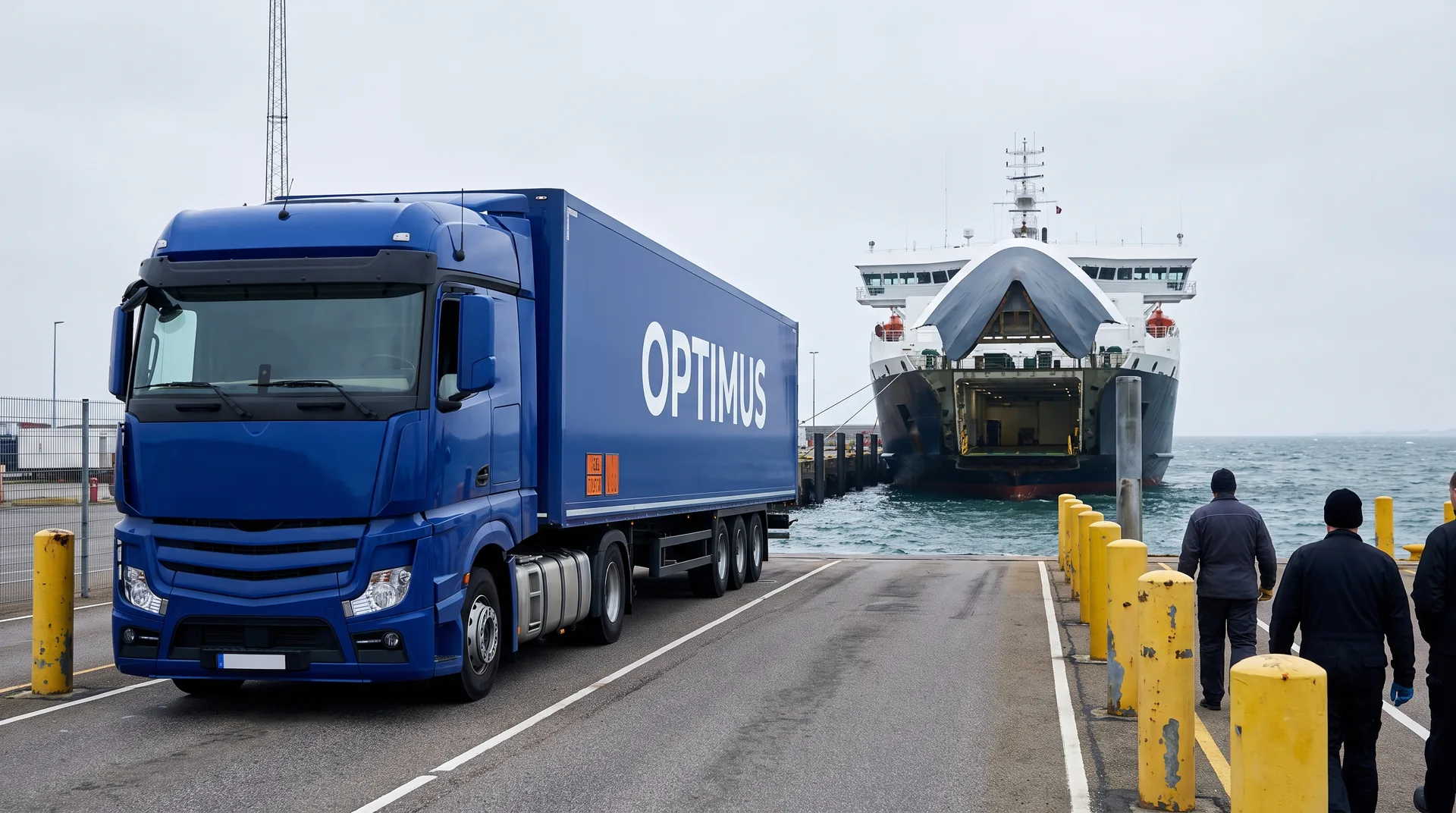
Routing restrictions are where the class translates directly into the choice of crossing. Carriage through a tunnel is subject to separate, stricter rules than carriage by ferry, and crossing operators publish their own requirements for declaring dangerous goods before sailing. So with ADR cargo the crossing is chosen before loading, not en route. We take the subject apart in ADR by ferry and Eurotunnel.
Class 9 and surprises in everyday shipments
Class 9 causes the most confusion, because it collects things nobody associates with hazard: lithium batteries inside equipment, some substances harmful to the aquatic environment, elevated-temperature materials. A seller of electronics or cordless tools is often surprised to learn the consignment falls under ADR. Battery rules are covered separately in shipping lithium batteries, and the basics of the whole system in ADR transport. Among exhibition freight the typical example is an e-bike with the battery fitted, covered in e-bikes and lithium batteries at KIELCE BIKE-EXPO.
How to check it at your end
The practical order: find the product safety data sheet, read off the UN number, class and packing group, check the net mass of dangerous substance and the method of packing. That is enough for us to assess the options and choose a variant. The service scope is on the ADR transport page and the cargo types on the ADR and chemicals page.
Sources
- UNECE: the ADR agreement, classification and rules
- HSE: carriage of dangerous goods in the United Kingdom
Tell us what you are shipping and we will check the options. Attach the safety data sheet through the quote form and we will come back with an assessment and a transport plan. This text is informational and does not constitute legal advice.