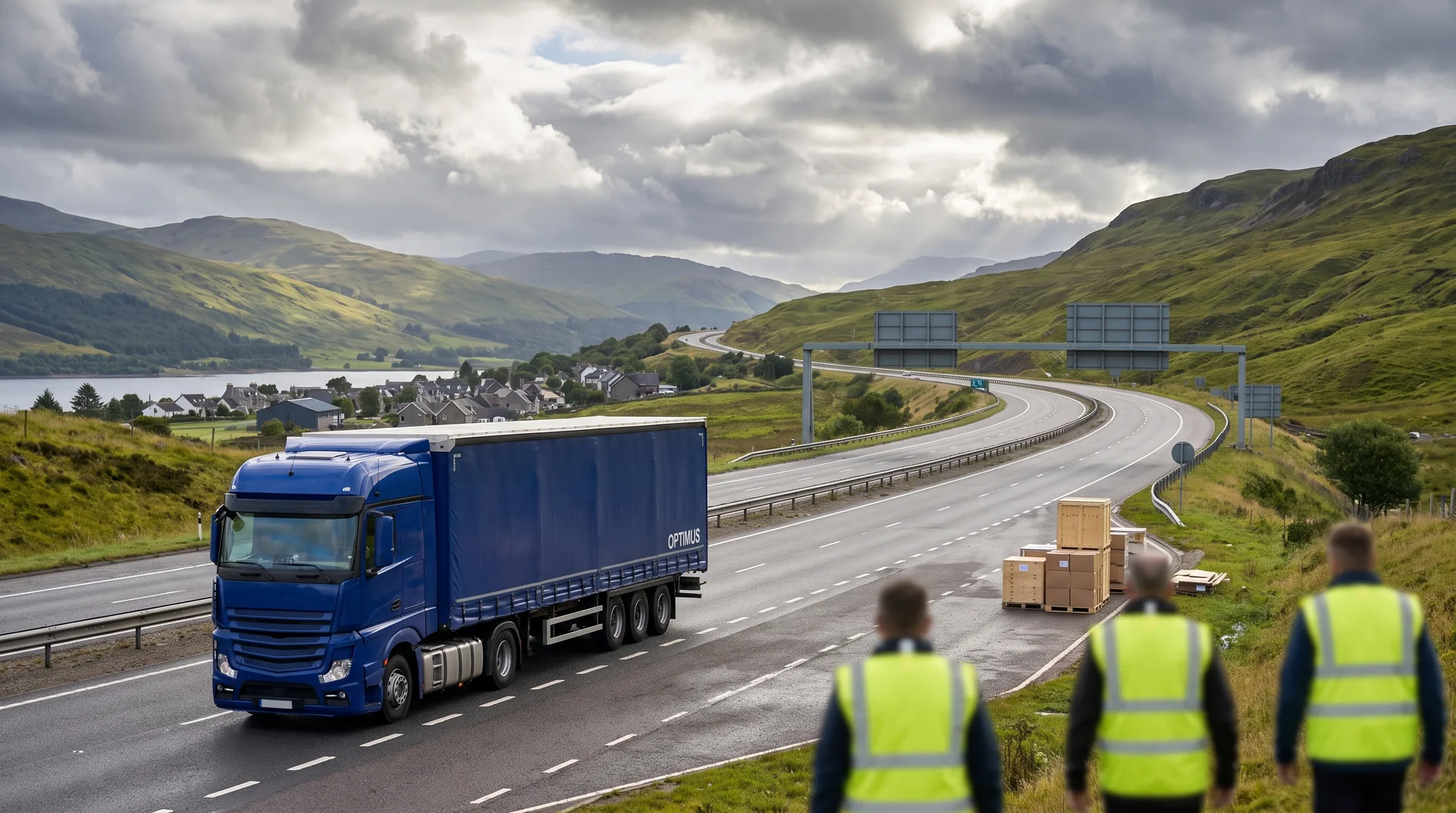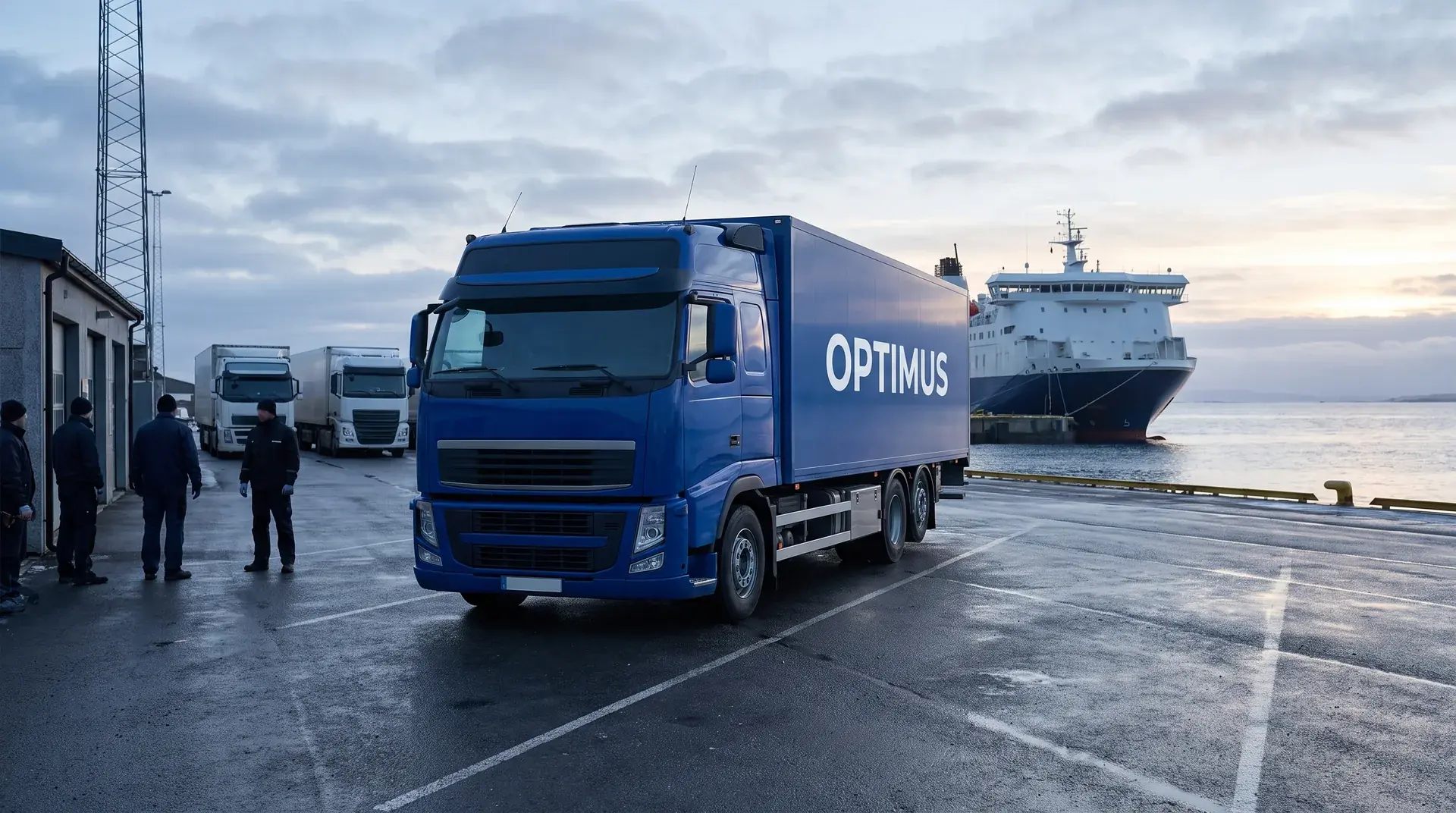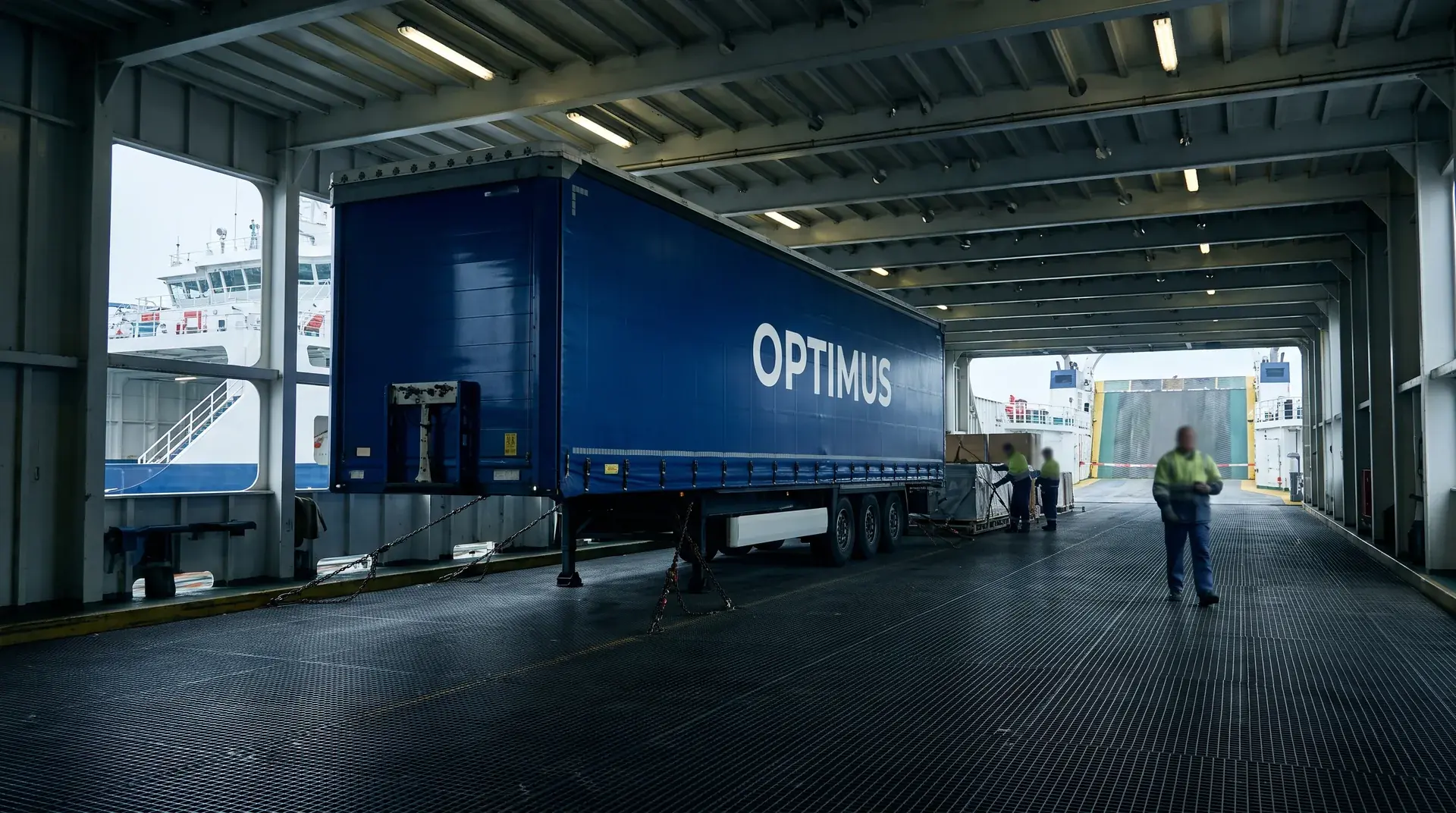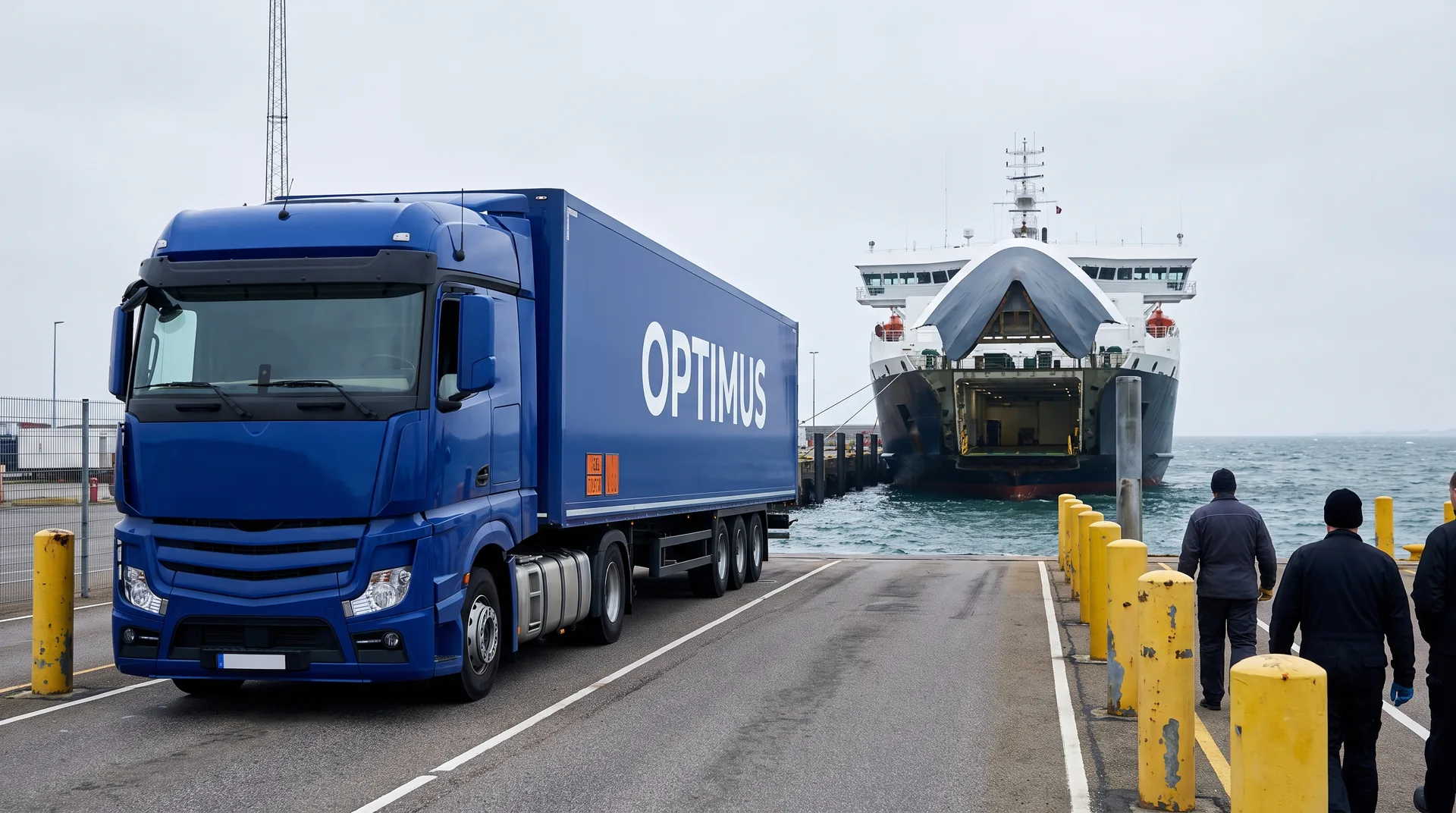
On island ferries, acceptance of dangerous goods is decided by maritime rules and operator procedures, not by ADR compliance alone. The cargo must be declared before the sailing with the correct documentation, and the operator may decline it on a particular vessel. A refusal means waiting for the next connection, not the next hour.
Will an island ferry accept an ADR load?
There is no single answer for all routes. On this subject CalMac points to Maritime and Coastguard Agency regulations and the IMDG Code, requires dangerous goods to be declared and vehicles to be placarded to IMDG requirements, and requires lashing points on vehicles above a stated weight on all routes. NorthLink lists dangerous goods among the cargo categories it handles. That is only the starting point: the accepted classes and quantities are established for the specific route and vessel, at booking. We do not publish lists of permitted and prohibited classes, because such a list without a date and a source is useless and sometimes dangerous.
What has to be declared before the sailing?
In practice a dangerous goods declaration is required, covering the proper shipping name, UN number, class, packing group, net weight of the dangerous substance and the shipper and consignee details, together with the packaging type. Add vehicle placarding and the documentation required on the road side. What matters most is that the data in the maritime declaration and in the transport documents are identical — a discrepancy in a UN number or a weight is a classic cause of refusal. The documentary basics are described in our texts on ADR classes 1-9 and on ADR in groupage LTL.
Do limited quantities follow the same rules?
Limited quantity exemptions are a construct of road law and do not transfer automatically to sea carriage. The practical conclusion is that a consignment enjoying simplifications on the road may require declaration on the crossing — and conversely, the operator may apply its own thresholds. So for every load with dangerous components we ask not only about classification but also about quantities and packaging. The road rules are described in our text on LQ exemptions.
Lithium batteries, gas and fuels
These are the three categories that cause the most trouble on crossings. Lithium batteries are subject to detailed packing and marking requirements, and sea carriers treat them with growing caution because of fire risk on board. Gas cylinders and liquid fuels are the classic declarable category and are often quantity-limited. In each case we settle matters before accepting the job, not on the day of departure. Cargo categories are described on our ADR and chemicals page.
What happens if the sea carrier refuses?
On a Channel crossing a refusal means changing sailing within the same day. On an island route it means waiting for the next connection, and on thinly served routes realistically several days. Add the question of secure standing for dangerous cargo, which is not left in any convenient lay-by. So for ADR loads to the islands we work to one rule: confirmation from the operator before departure from Poland, not after arrival at the port. The consequences of an interrupted sailing are described in our text on what happens when a storm cancels a crossing.
How this differs from Channel crossings
On the Channel there are many sailings, several operators and a tunnel as an alternative. To an island there is usually one route and one operator, and no alternative at all. That changes the risk calculation: what is an inconvenience on the Channel is a stopped delivery to an island. The comparison with Channel conditions is in our article on ADR by ferry and Eurotunnel, and the choice of crossing in our text on how we choose the crossing.
How to prepare an ADR job to an island
- Give UN numbers, classes and packing groups for every item, not just the trade name.
- Give net weights of the dangerous substance and the packaging type.
- State whether the consignment relies on exemptions, and on what basis.
- Leave time for confirmation with the ferry operator before loading.
That data set lets the route be checked before the vehicle moves, rather than after it reaches the quay.
Sources
- CalMac: carriage of dangerous goods (MCA and IMDG requirements)
- IMO: the IMDG Code for sea carriage of dangerous goods
- NorthLink Ferries Freight: cargo categories handled
Have an ADR load for an island consignee? Give the UN numbers and quantities in the quote form and we will check the route conditions before confirming a date. Island destinations are gathered on the island transport page.