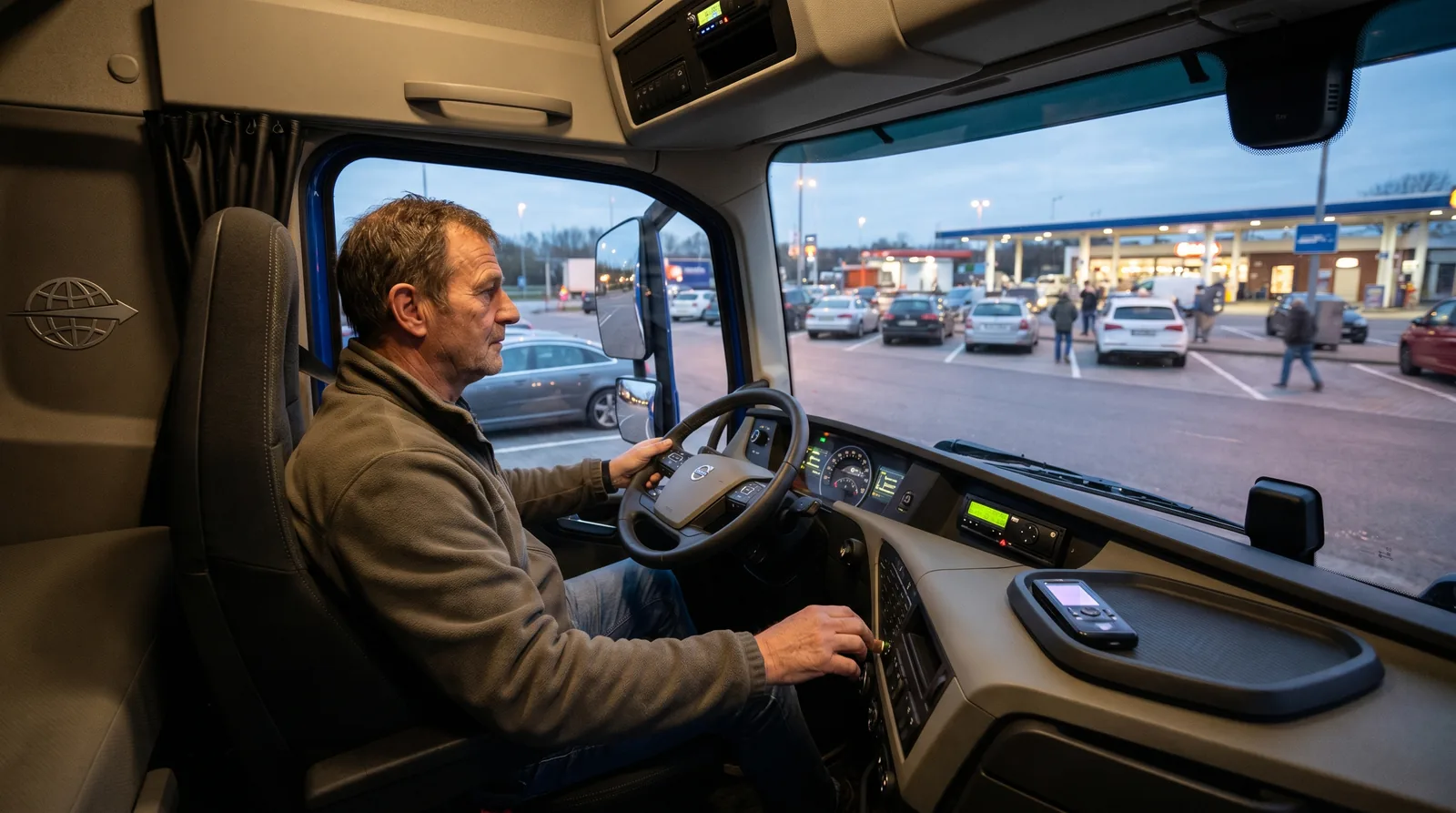
Regulation (EC) No 561/2006 sets daily driving at 9 hours, extendable to 10 hours twice a week, and a 45-minute break after 4.5 hours at the wheel. Daily and weekly rest periods sit on top. Those limits, not the speed of the vehicle, determine the real transit time from Poland to the UK.
The limits to know when planning a delivery
- Daily driving: 9 hours, extendable to 10 hours twice a week.
- Break: 45 minutes after 4.5 hours of driving, splittable into 15 then 30 minutes.
- Daily rest: 11 hours, reduced to 9 hours no more than three times between weekly rests.
- Weekly driving: up to 56 hours, and up to 90 hours across two consecutive weeks.
- Weekly rest: 45 hours, reducible to at least 24 hours, with compensation owed.
Why the Poland-UK run has its own arithmetic
From central Poland to the English Midlands a truck crosses four countries and one stretch of sea. With nine hours of driving a day and a compulsory break in the middle, one driver covers fewer kilometres per day than a distance calculator suggests. On top of that sit activities that are not driving but still consume the driver's day: loading, waiting at the bay, customs, port checks and the crossing itself. The practical conclusion: a delivery date is planned backwards from the receiver's unloading window, not forwards from departure in Poland. How that translates into days is set out in how long transport from Poland to the UK takes.
Ferry crossings and rest
The rules allow a regular daily rest to be interrupted when the driver accompanies a vehicle carried by ferry or train, provided a bunk is available and the interruptions stay within the permitted scope. In practice a night sailing across the North Sea is often more efficient than a truck stop: the driver rests on board and starts the working day on the British side in the morning. The corridors and their effect on the day plan are compared in choosing the crossing.
When one driver is not enough
On urgent work measured in hours rather than working days, single-driver arithmetic stops working. Then we use a double-manned vehicle or a handover between vehicles at an agreed point. The second option is described in multi-vehicle express. Ordinary time-critical consignments run on express transport, and the choice between a van and a line-haul unit is covered in vans under 2.5 tonnes.
Since Brexit there is a border in the way
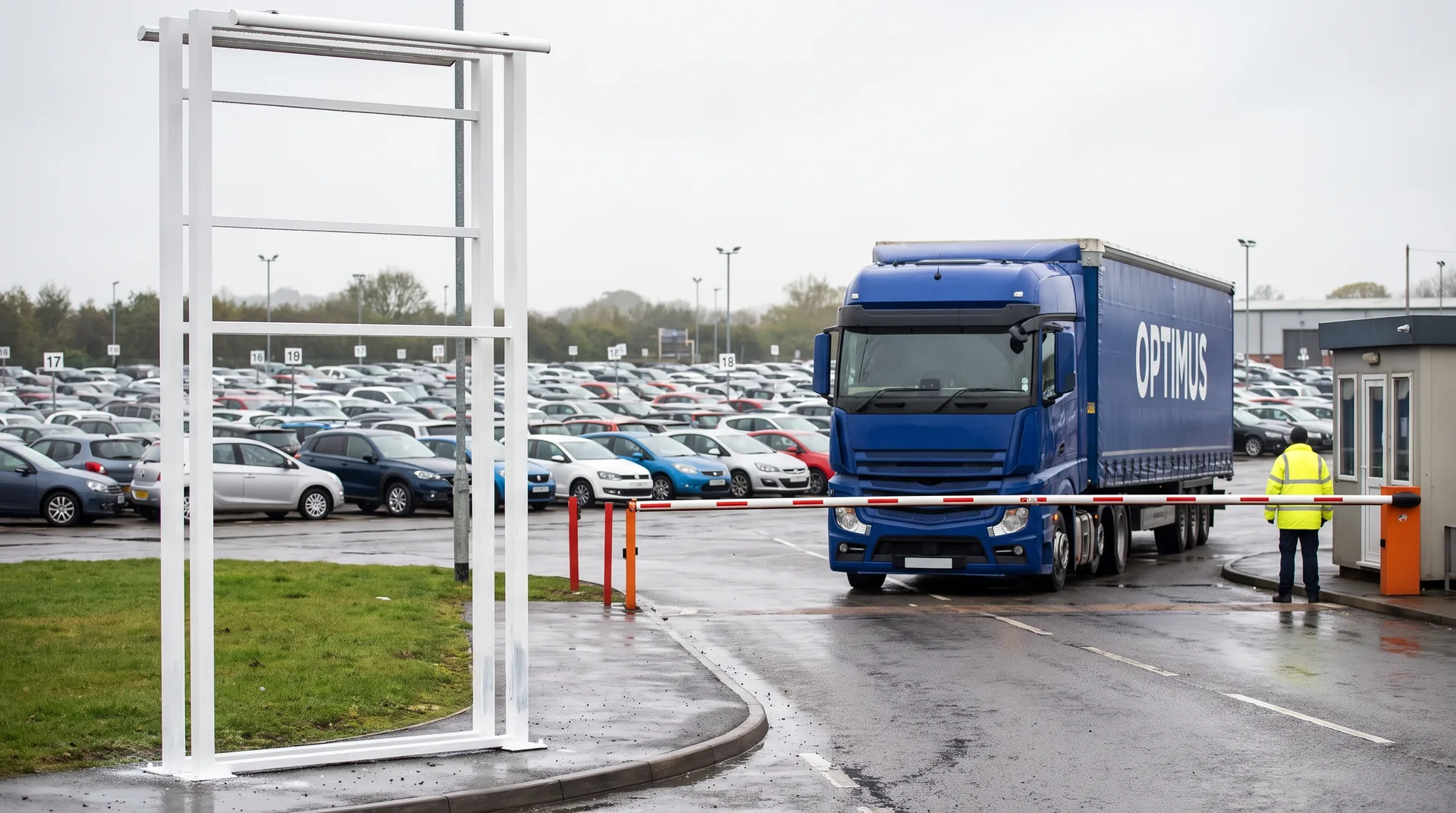
Customs formalities are not driving, but they consume the driver's day. A vehicle stuck outside the port with an incomplete GMR loses not only its sailing but part of the next day's allowance. That is why documents are prepared before loading, not en route. The border's effect on route planning is unpacked in drivers hours on the Poland-UK route after Brexit.
What changes for vans
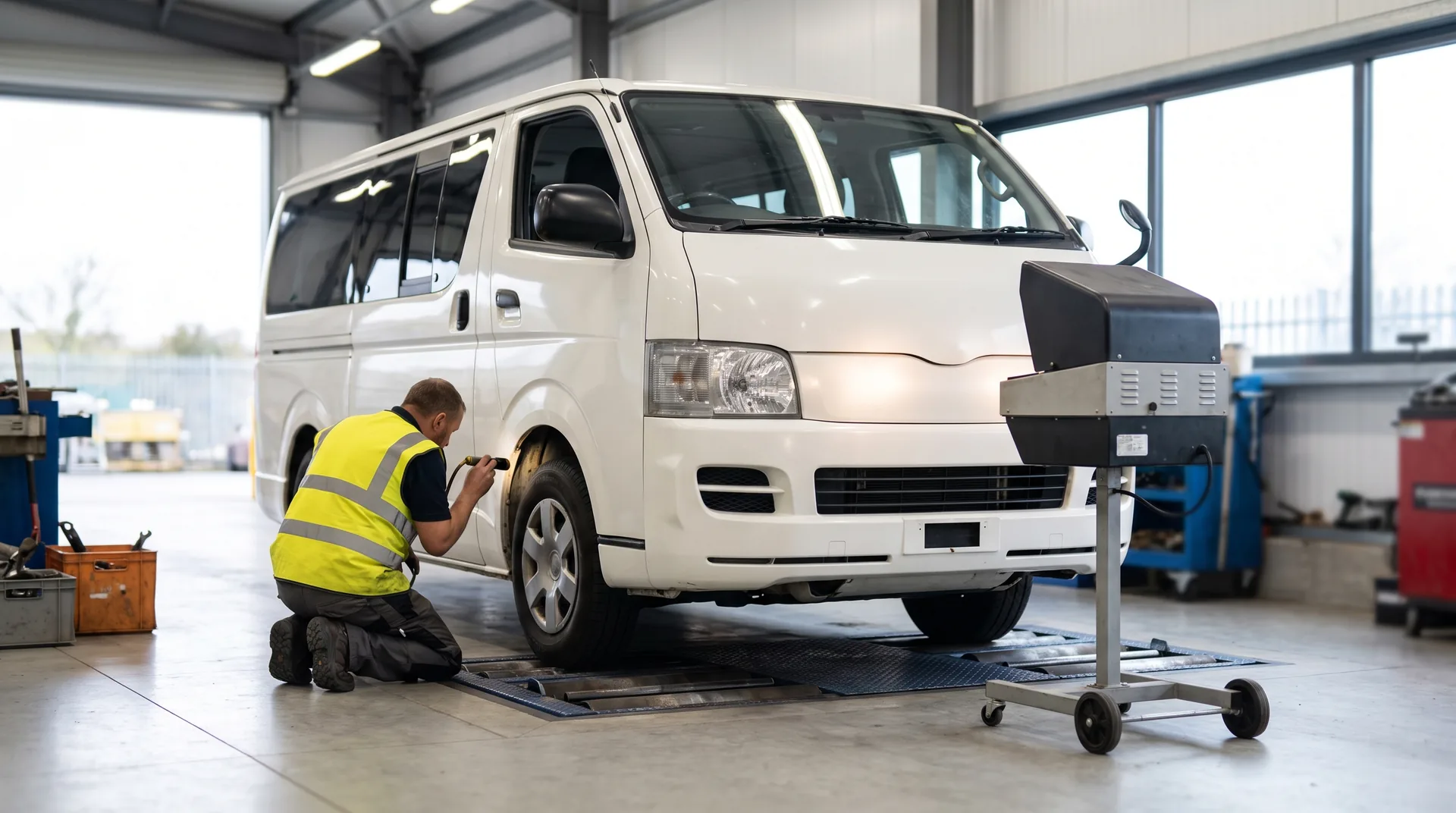
From 1 July 2026 the tachograph obligation and drivers hours rules also cover light commercial vehicles above 2.5 tonnes maximum permissible mass used in international hire-and-reward transport. For a shipper that means one thing: express by van is planned under the same rules as a truck. The change is described separately in tachographs in vans.
How a shipper can use this
- Give a realistic loading window; time spent waiting for a bay eats the daily allowance just like driving.
- Flag booking-in requirements at the receiver, so the driver does not arrive at a closed gate.
- On hard deadlines, ask about crewing and handover options before you commit a date to your customer.
- Never plan a date from distance alone: a driver's day is not a calendar day.
Sources
This is general information, not legal advice. Have a delivery with a hard deadline in the UK? Describe it through the quote form and we will build a realistic route plan around drivers hours.