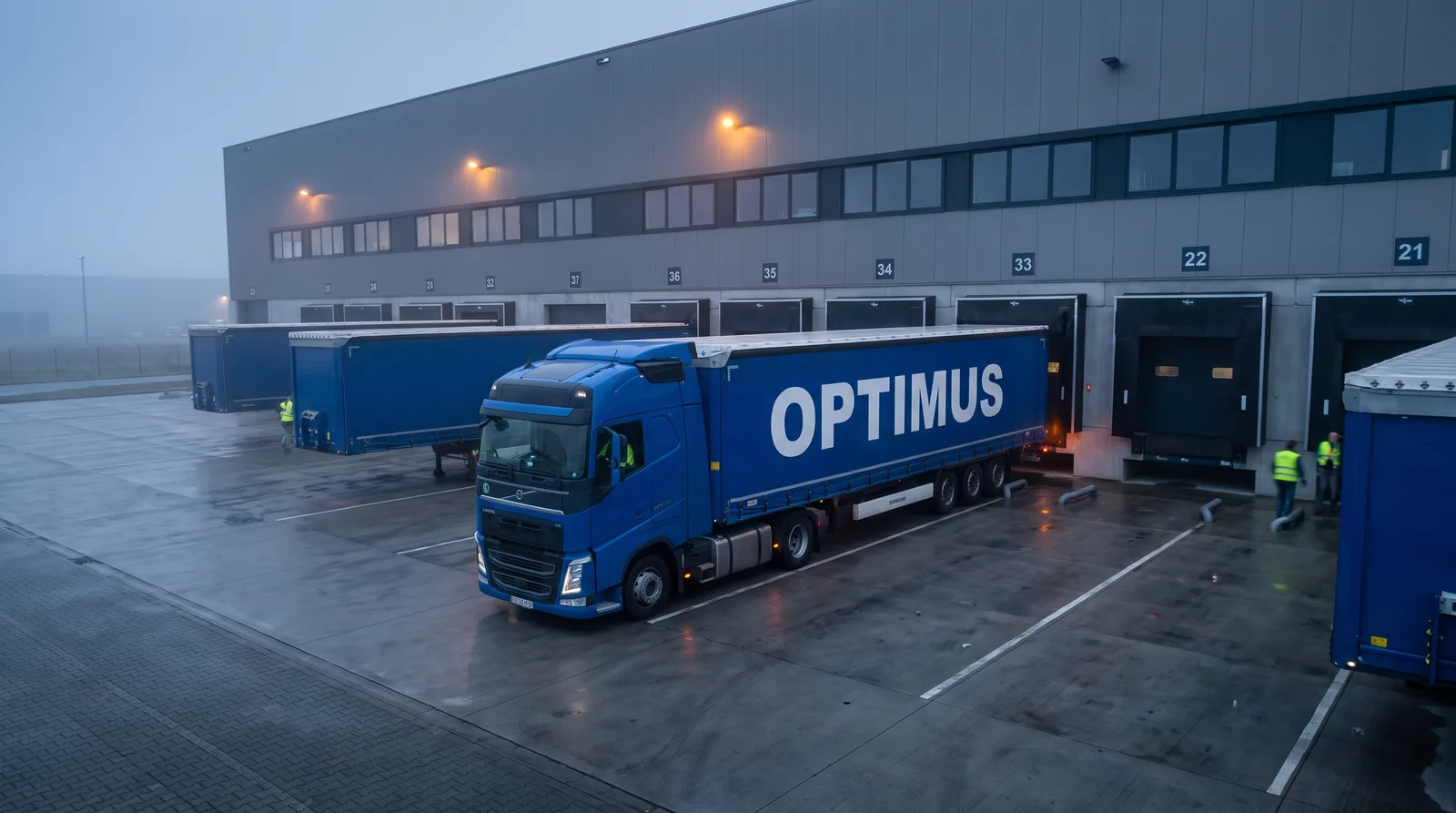
Food deliveries to British retail chains go through RDC distribution centres on slots booked in advance: the truck must arrive in its window, with pallets and documents to the consignee's standard. Instead of aiming a slot straight from Poland, we bring the goods to our Milton Keynes warehouse and run the short final leg to the RDC exactly on time.
Why is food the hardest slot-bound cargo?
With food, the usual slot discipline is joined by durability dates and temperature. Chains police minimum remaining shelf life: a batch that lost too many days on the road can be rejected even after arriving on time. Chilled goods need a continuous temperature record, and a broken cold chain ends in refusal. Being late does not mean unloading with a delay, it means a new booking, sometimes days away, which for fresh goods can be terminal. For missed slots and shortages, chains charge contractual penalties under their own tariffs.
How does booking into an RDC work?
- The chain's order sets the date, the RDC and the requirements: pallet standard, labels, documents.
- The supplier or its operator books a slot in the consignee's booking system.
- Before delivery an ASN advance notice is sent with the shipment contents.
- The truck reports in its window, passes the gate check and docks at the assigned ramp.
- After unloading the supplier receives a goods-received confirmation with any remarks.
The booking and document mechanics are covered in more depth in RDC deliveries to UK retail chains and ASN and EDI in UK retail deliveries.
The Milton Keynes buffer: how do we remove route risk?
The route from Poland to England crosses a border, a sea passage and English motorways, and each stage can add hours. Aiming a slot straight from loading in Poland means one delay eats the entire margin. So we bring the goods to our Milton Keynes warehouse first: the batch arrives with safe lead time, passes its checks and waits at the right temperature. It leaves for the RDC on a short leg planned for the specific window, with minimal risk en route. When the chain moves the slot, the goods wait with us, not in a lay-by.
Preparing the delivery to the chain's standard
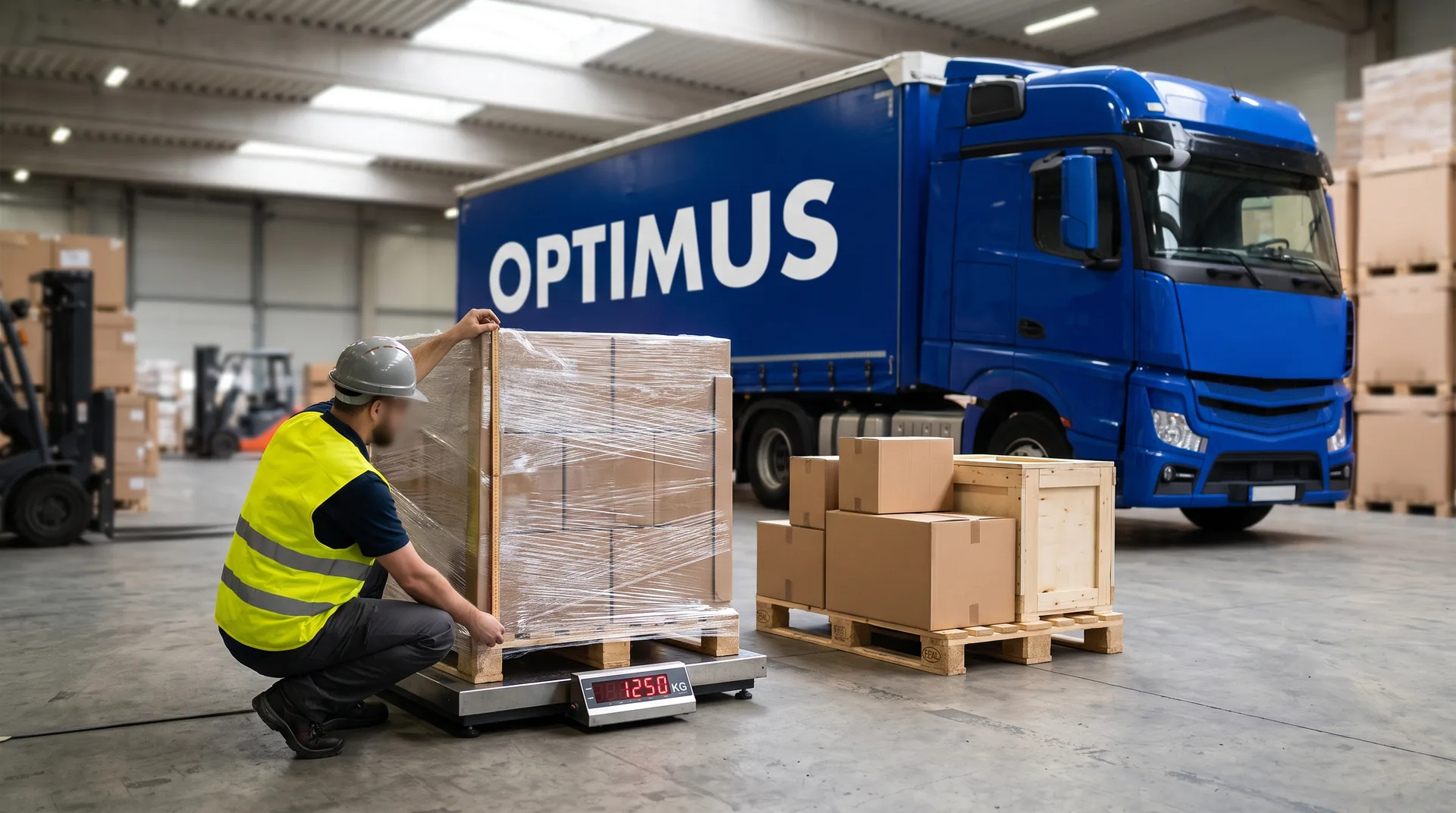
In the buffer we bring the delivery up to the consignee's requirements: pallets to the chain's standard, height and stability to specification, logistics labels, documents complete. Retail pallet requirements are described in UK retail pallet requirements, and food checks and documentation in food inspection and preparation in Milton Keynes.
Seasonal peaks: when do slots become scarce?
Before Christmas, Easter and the barbecue season, retail booking systems fill up days ahead, and a late truck has slim chances of a quick new date. At peak, the warehouse buffer stops being a convenience and becomes a condition: goods must be in place before the slots run out, and RDC deliveries are planned a week ahead. How the peak calendar works and when to book transport is covered in the pre-Christmas peak in transport to the UK. Producers of seasonal food ship stock to us weeks in advance, and we release it to the chains as orders come in.
When a delivery is rejected anyway
A refusal does not have to mean losing the whole batch. The goods come back to our warehouse instead of circling lay-bys: we establish the rejection reason, sort the batch into fit and unfit parts, fix what is fixable and book the delivery again. With food, speed matters because the dates keep running; decisions come in hours, not days. The full rescue process for such batches is described in rescuing loads rejected by UK chains. For the supplier the difference is simple: instead of a loss notification they get a recovery plan with a new delivery date.
The slot delivery checklist
- The slot booked in the consignee's system and confirmed before the truck leaves the warehouse.
- The ASN sent and matching the actual pallet contents.
- Pallets to the chain's standard: type, height, stability, wrapping.
- SSCC logistics labels on every pallet, legible and correctly placed.
- Delivery documents complete and matching the order line by line.
- Durability dates above the consignee's minimum threshold.
- The temperature record for chilled goods, ready to show at the ramp.
Seven points, the seven most common refusal reasons. We walk this list at every dispatch from the buffer, because checking in the warehouse is cheaper than explaining at the RDC gate.
Sources
Delivering food to a British chain and not keen to risk slots straight off the road? Use the contact form and we will set up deliveries through the Milton Keynes buffer.