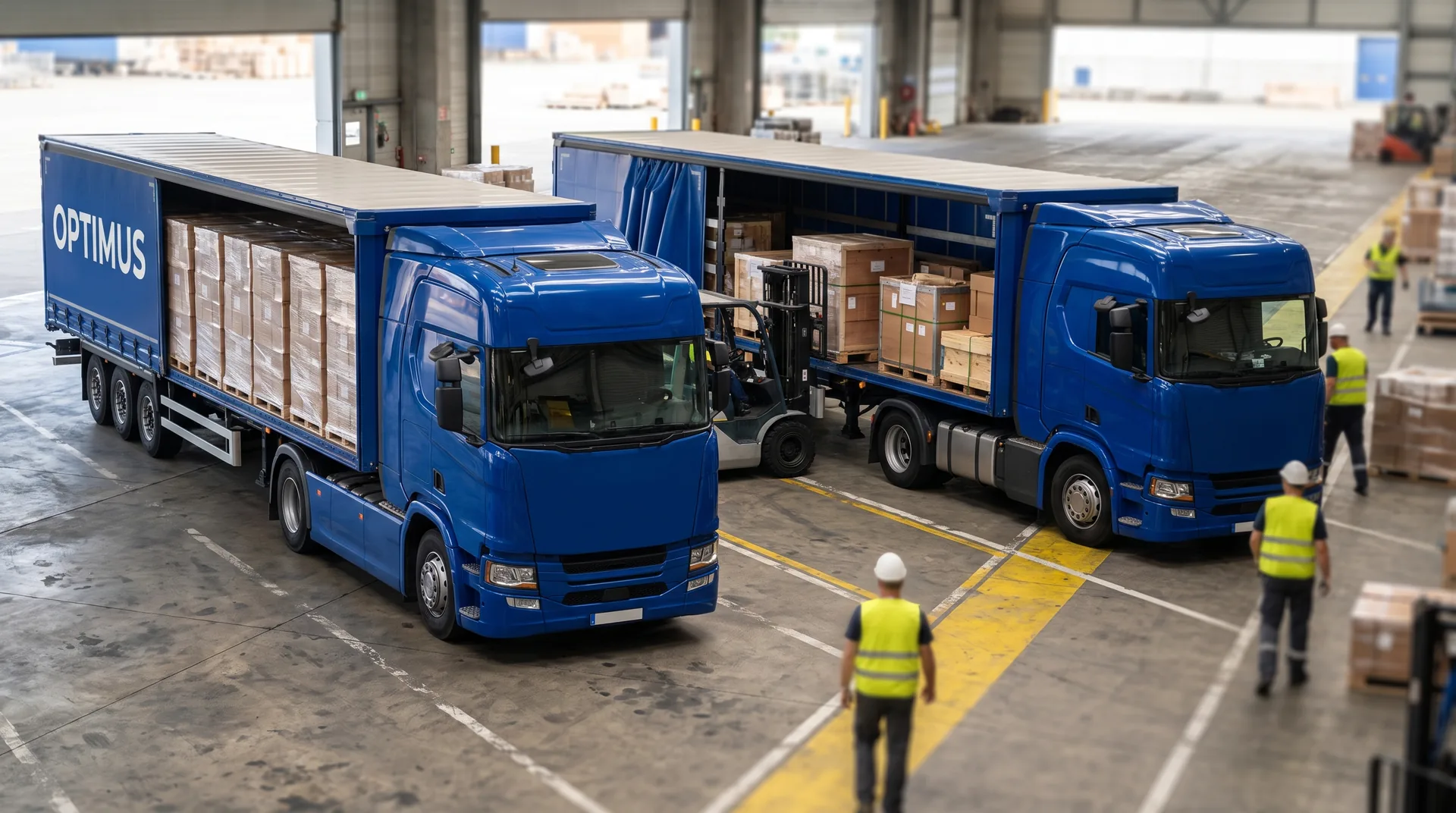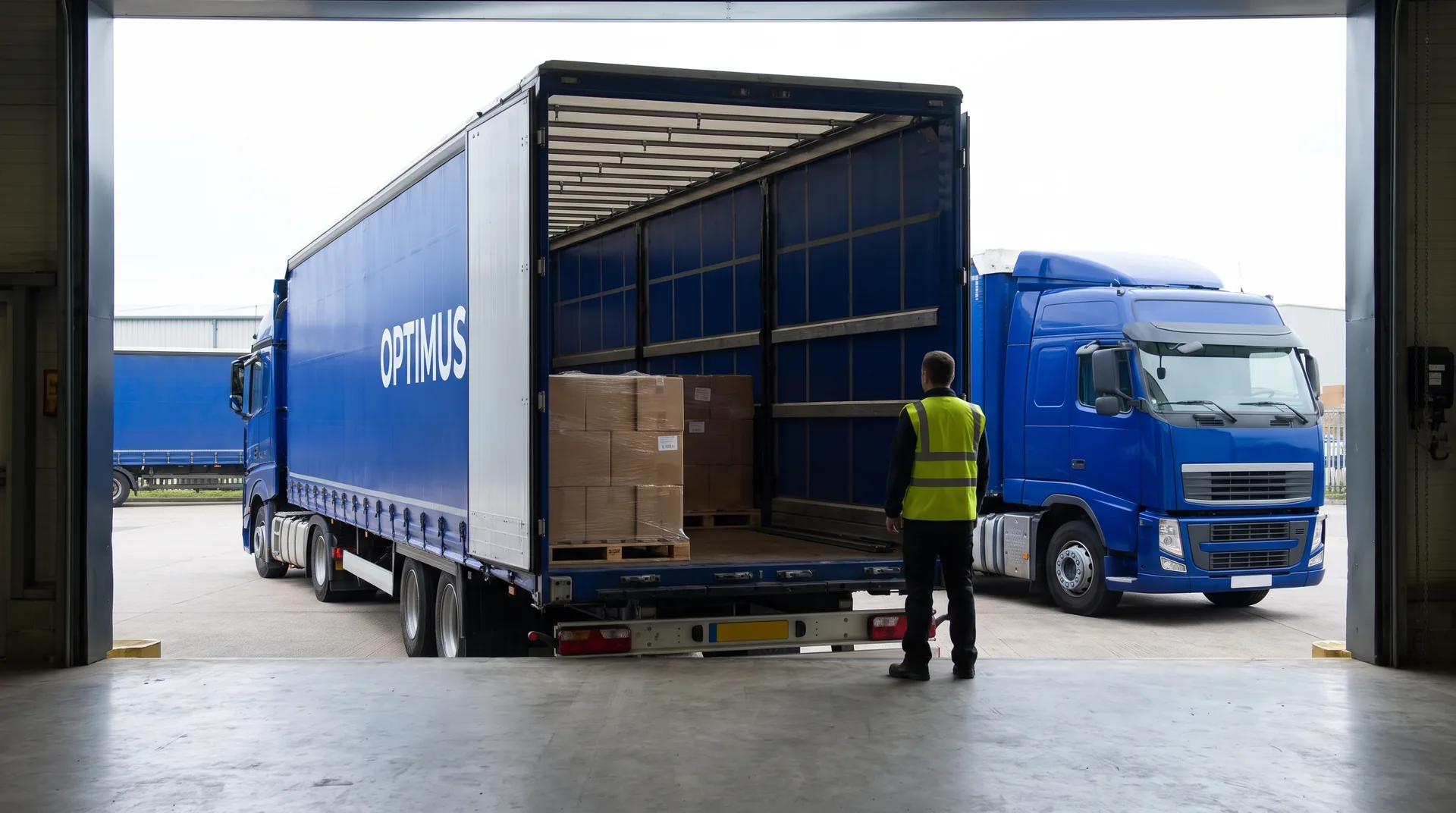
A groupage departure runs to a fixed schedule, not to the fill level of the trailer. A vehicle with space left departs on the planned date, because confirmed unloading slots in the United Kingdom stand behind it. Postponements happen for reasons other than an empty corner of the trailer, and we always warn the shipper in advance.
Does a groupage vehicle depart even when it is not full?
Yes. The departure to the UK is planned ahead and tied to specific unloading dates on the British side, to a booked crossing and to driving time rules. Holding such a vehicle back to add one more pallet would cost more than the empty space itself: it would move every drop, upset the following departure and expose the other shippers. So a shipper who met the cut-off travels on the announced date, no matter how many other clients booked that departure.
So when do postponements happen?
- the goods were not ready in time, or the pallet count did not match the booking,
- documents needed for the export declaration were missing,
- the shipment needed handling at the hub and there was no time left before loading,
- disruption on the way: an inspection, congestion at the crossing, weather,
- the cargo turned out different from the booking and did not fit the planned space.
The first three sit with the shipper, which is why we put so much weight on the readiness deadline described in the article on the departure calendar and cut-off. The rest are rare, but they happen to every carrier on this route.
Where does the myth of the carrier waiting for a full load come from?
From a model in which departures are not fixed but organised around gathered cargo. There the first pallet really does wait for the last one, and the delivery date becomes a function of other people orders. A fixed schedule reverses that: the cargo fits the departure, not the departure the cargo. The difference shows most clearly on flows from abroad, where collecting from several suppliers needs a firm plan anyway, described in the article on collecting from several suppliers in one run.
Does a part-loaded vehicle mean a higher price for my pallet?
No. The terms confirmed in the order apply regardless of how many shippers ended up on board. The risk of underfilling sits with the carrier, and that is precisely the part of the service the transport organiser answers for. Were it otherwise, every groupage quote would be conditional and no shipper could plan anything. What builds the quote itself is covered in the article on groupage and part loads from Poland to the UK.
Wait for the next departure or pay for a dedicated vehicle?
That question only makes sense when the deadline really is fixed: a production line is down, a shop opening is set, an installation crew is waiting on site. We then compare three options and say plainly which of them can still make it:
- the next groupage departure - the cheapest way to move one or a few pallets, with a date set by the calendar,
- express - the shipment travels with no transhipment, from 24 h, sensible for urgent and smaller loads,
- a dedicated FTL vehicle - full control over date and route, justified for a large consignment or a very tight delivery window.
We break the choice between groupage and a full vehicle down in the article FTL or LTL. We do not push dedicated transport as a precaution: on most consignments groupage delivers on time, and the difference in cost is better left in your pocket.
How will I learn about a postponement?
From your account manager, at the moment we learn about it ourselves rather than on the planned delivery day. The operations team works around the clock, so news of a disruption does not wait until morning. Along with the message we give a new date and, where one exists, a fallback. The checkpoints at which we confirm status as standard are described in the article on where your pallet is between collection and the UK departure.
What you can do to reduce the risk of a delay
Three things give the biggest effect. First, book the shipment ahead rather than on the readiness day: reserved space is the simplest protection for your date. Second, give real dimensions and weights, because a pallet taller than declared may not fit the planned space and can drop out of the load. Third, prepare the documents together with the goods, not after collection. On repeat flows it pays to set a fixed booking rhythm, described in the article on groupage LTL with regular departures.
Have a pallet with a date that cannot move? Describe the situation in the quote form and we will say plainly whether the next groupage departure makes it or another option is needed. The groupage offer is gathered on the groupage LTL page.