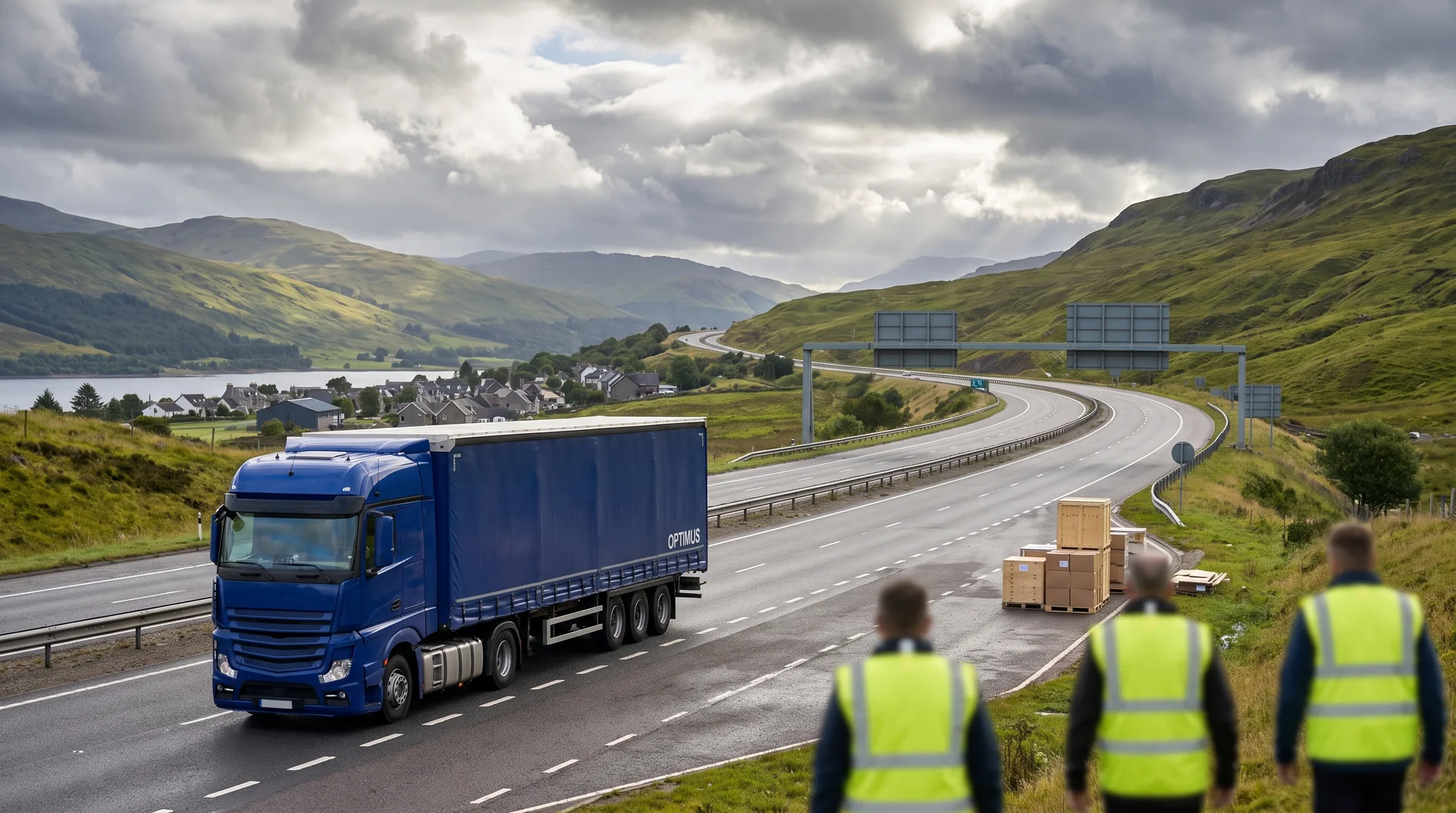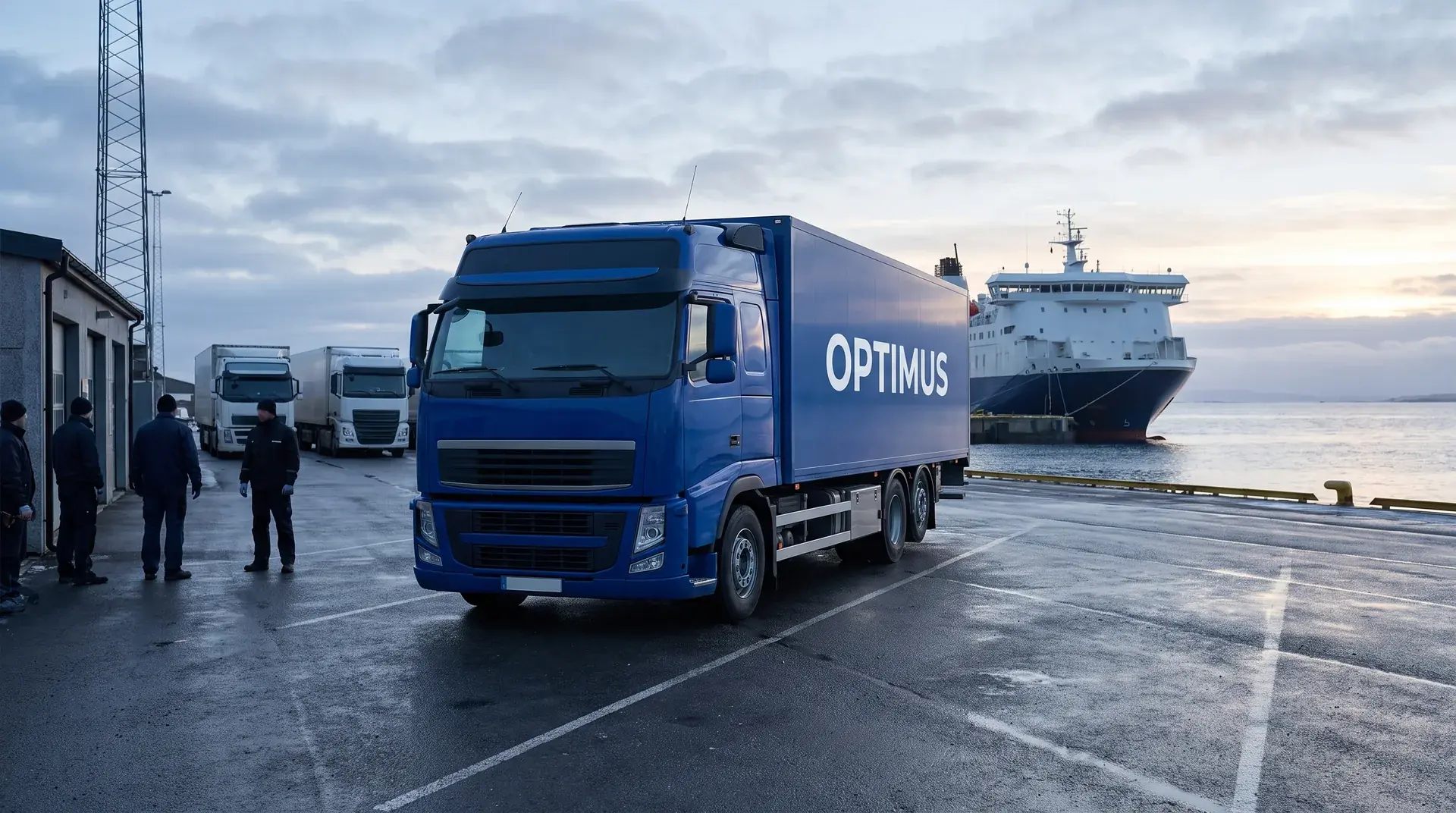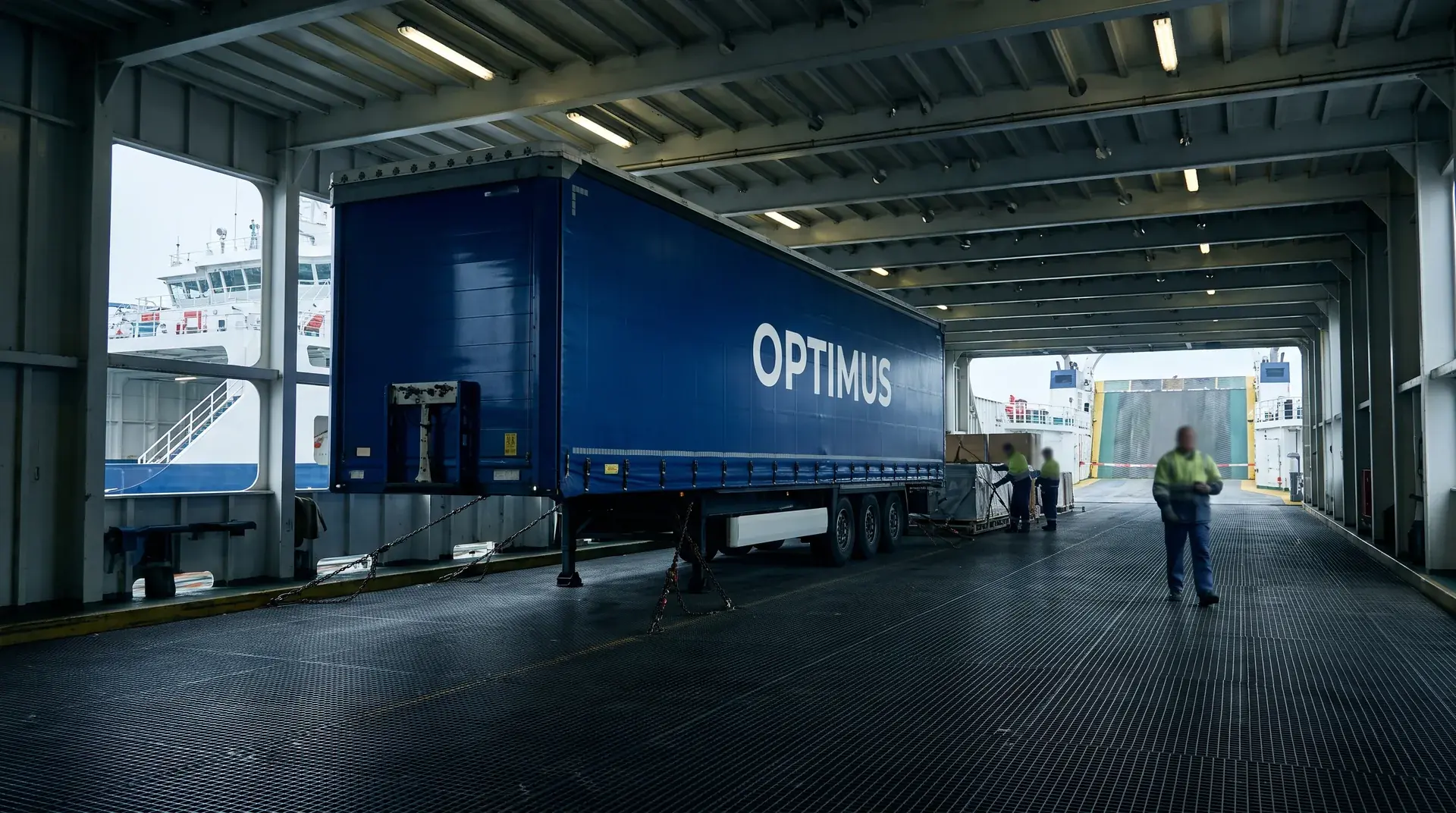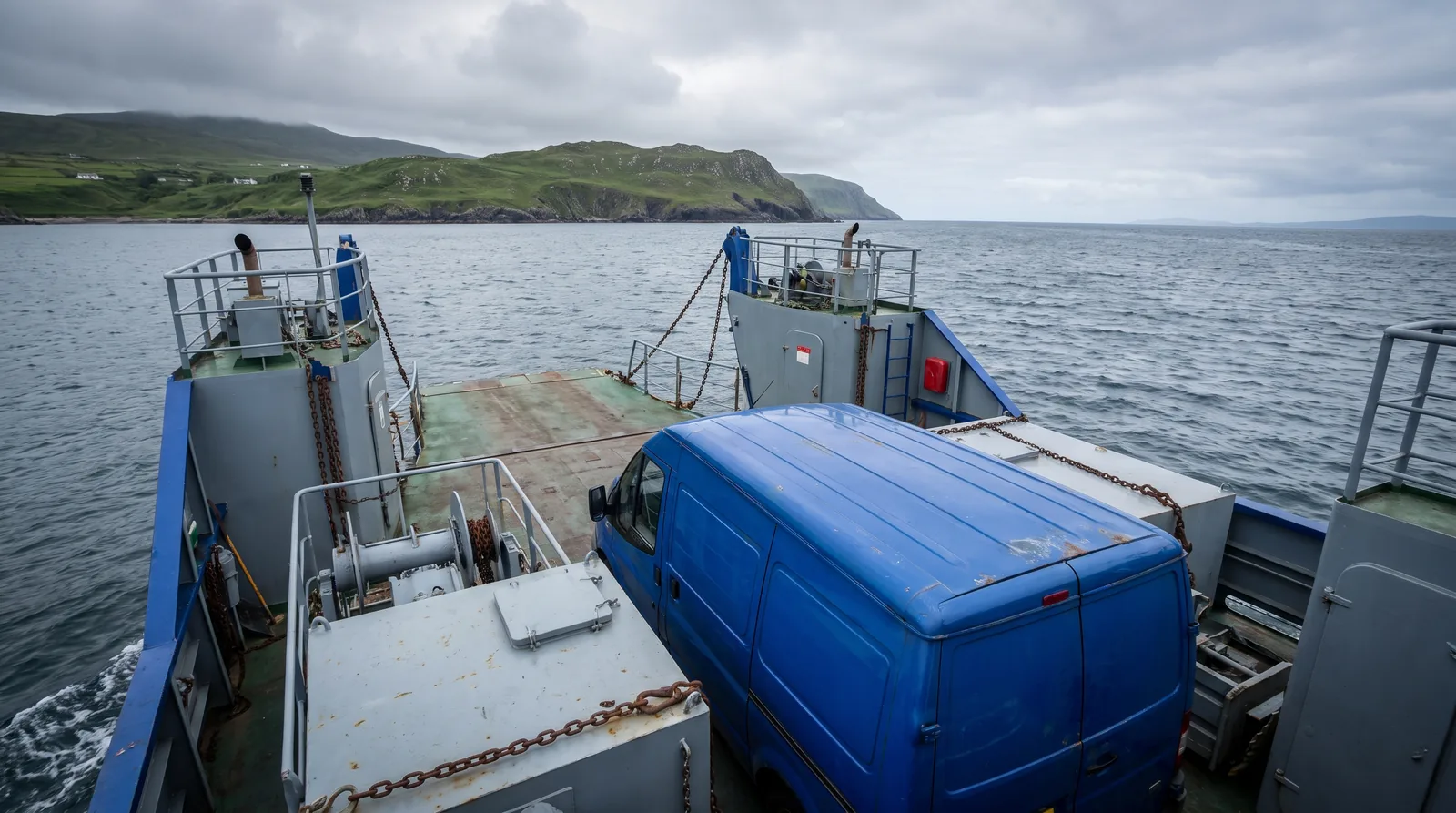
The Isle of Wight, Anglesey and the Isles of Scilly belong to the United Kingdom, so once goods have cleared on entry into the UK, carriage to them is domestic, with no further customs border. What differs is access: on Wight the vehicle drives onto the ferry with its load, Anglesey is joined to the mainland by road bridges across the Menai Strait, and Scilly needs the cargo transhipped, because no ferry there takes lorries.
The Isle of Wight: close, but across water
Wight sits opposite Portsmouth and Southampton, and the crossings are short and frequent, which makes a timed delivery easy to plan. The constraints are freight capacity in the summer season and narrow island roads that limit vehicle choice. In practice we run larger loads outside the tourist peak and distribute smaller consignments from a mainland buffer. The port region is described in transport to Southampton and Portsmouth. Which port suits a specific island address and how much the last leg adds to the schedule is set out in transport to the Isle of Wight.
Anglesey: an island without a crossing
Anglesey is joined to Wales by two bridges across the Menai Strait, so access is an ordinary road journey. That simplifies everything: no sailing to book and no risk of a cancelled crossing. The island also hosts Holyhead, one of the main ferry ports for Ireland, which makes Anglesey a transit point for Irish traffic. The route across north Wales is covered in transport to Wales.
The Isles of Scilly: the furthest destination
Scilly lies west of Cornwall and is served by sea from Penzance on a limited number of sailings. There is no roll-on roll-off ferry for lorries: goods travel on a cargo vessel, on pallets craned aboard, with a weight limit per lift. So the vehicle from the continent is unloaded at Penzance and only the cargo goes on to the islands. That makes booking space on the ship essential in advance, and the date is planned from the sailing time rather than from loading. On top comes the road leg across the whole of south-west England, which alone takes a driving day from the Midlands. The region is described in transport to Bristol and the south-west.
What to plan before despatch
- The exact island address and the handling equipment available; on smaller islands manual or tail-lift unloading is common.
- A booked crossing wherever sailings are limited, above all for Scilly.
- The dimensions and weight of the largest item, because vehicle availability on the island can be restricted.
- Time in hand for weather: a storm can suspend sailings for many hours.
- The season: in summer tourist traffic competes with freight for deck space.
Clearance: only on entry into the UK
Because the formalities arise at the British border, goods travel to the islands after clearing on arrival, with no further declaration. The document sequence is described in UK customs clearance after Brexit, and the full scope on the customs clearance page. Islands with a different status, including the Isle of Man, Jersey and Guernsey, are gathered in the British islands.
How we choose the delivery method
For single pallets, groupage LTL with drayage to the sailing makes most sense. For larger volumes and for cargo that should not be transhipped, we use a dedicated FTL vehicle. Where the receiver accepts goods only on certain days, the cargo can wait at our Milton Keynes warehouse and leave exactly on time.
What not to assume about domestic islands
No customs border is often mistaken for no complications. In practice the last leg can be harder than the whole run from Poland: narrow roads, weight limits on bridges and causeways, no handling equipment at the receiver, seasonal competition for deck space. So on a first delivery to a given island we ask about access right up to the address, not just the postcode. A quarter of an hour on the phone saves a day lost to a failed delivery attempt.
Sources
Have cargo for Wight, Anglesey or Scilly? Send the island, address and date through the quote form and we will match the route and the crossing. The full picture is on the Islands page.