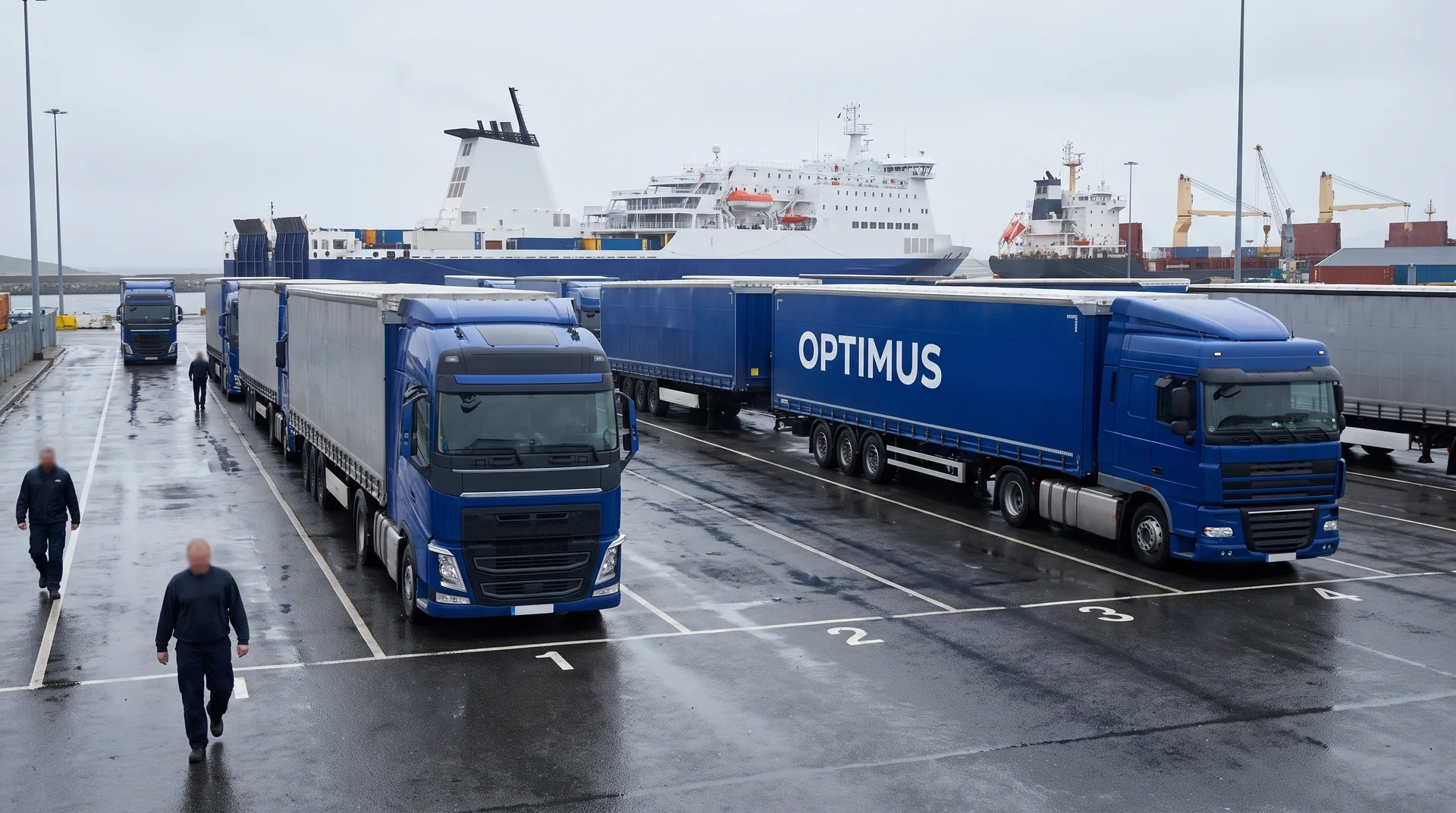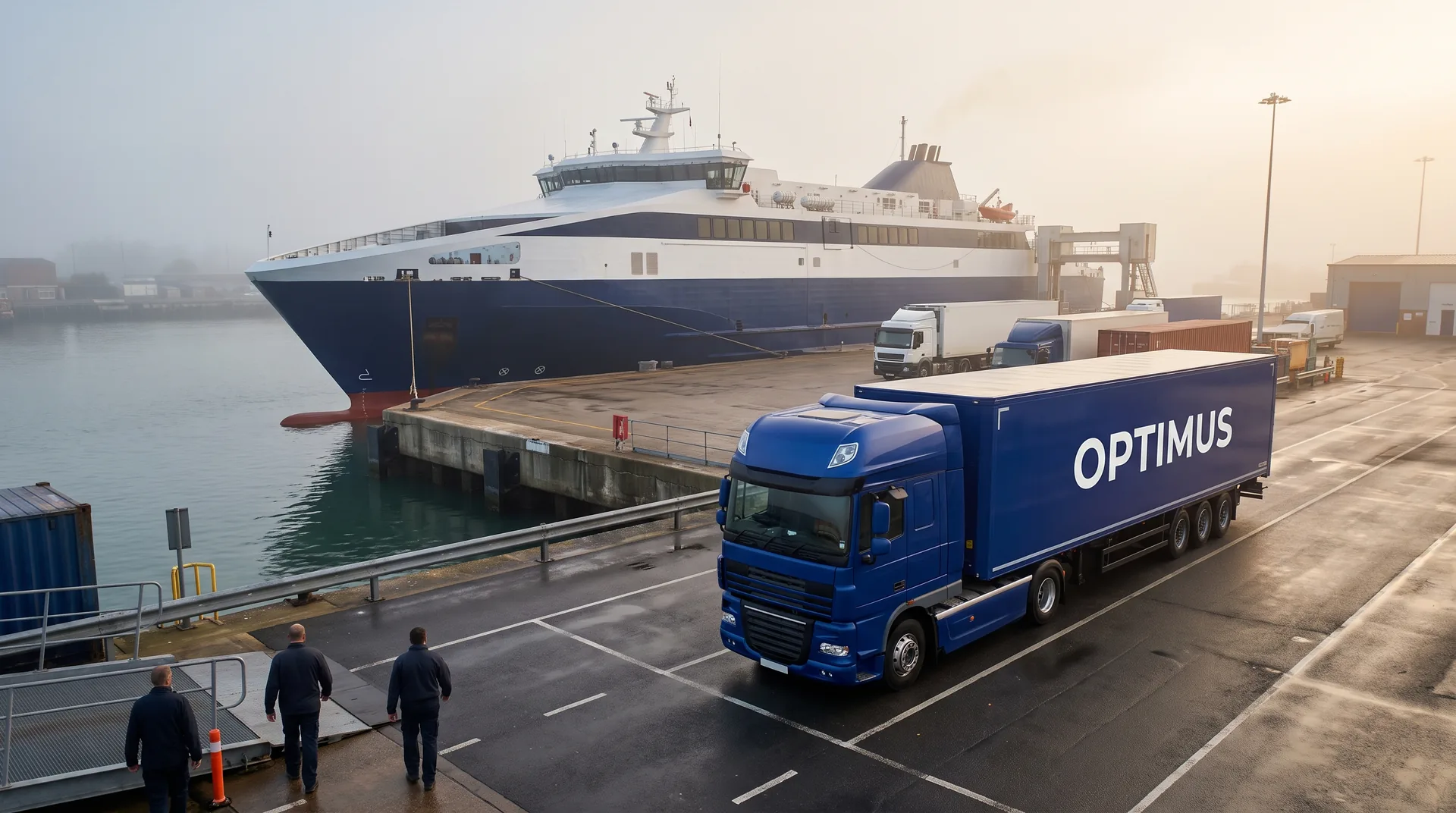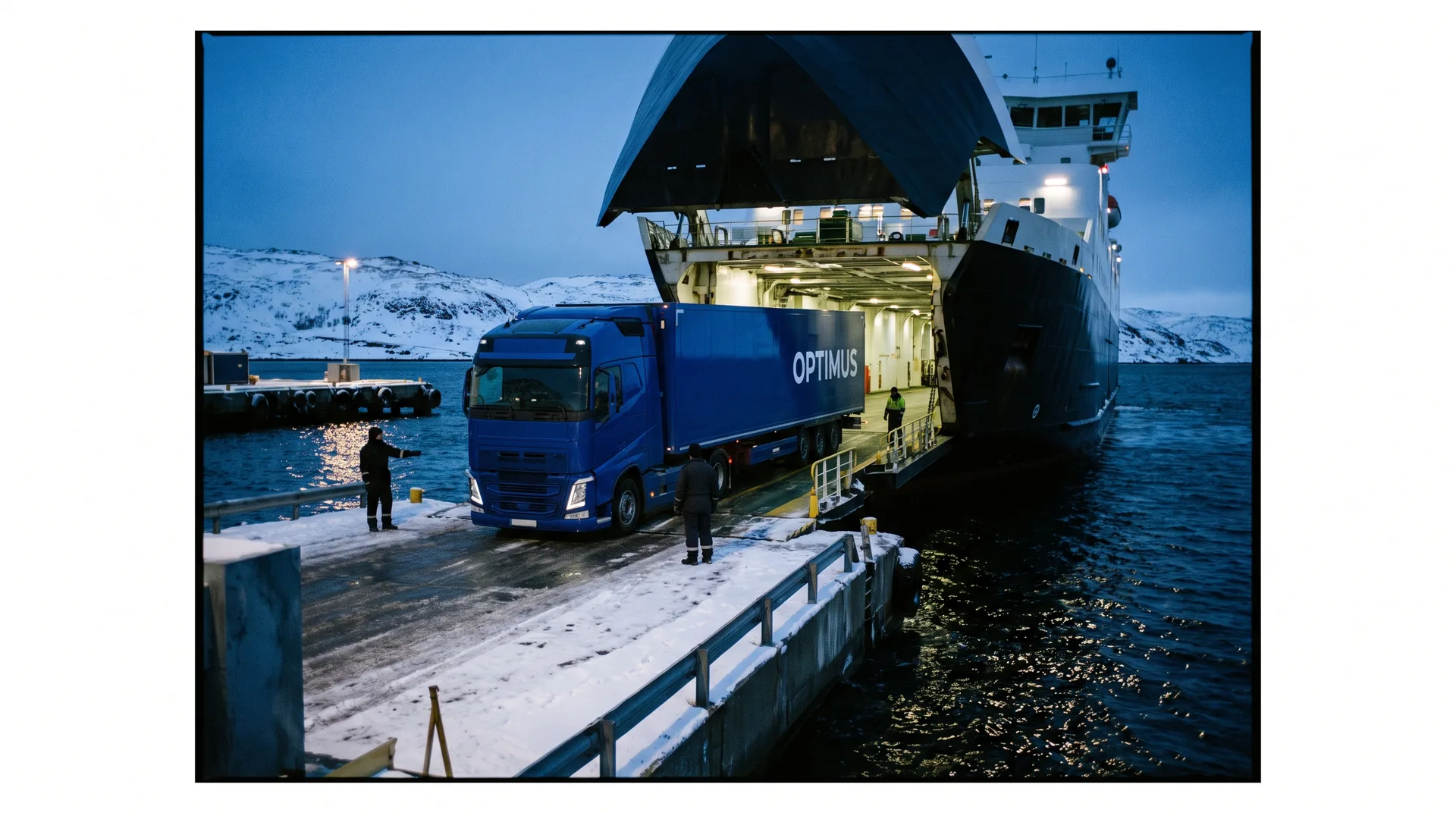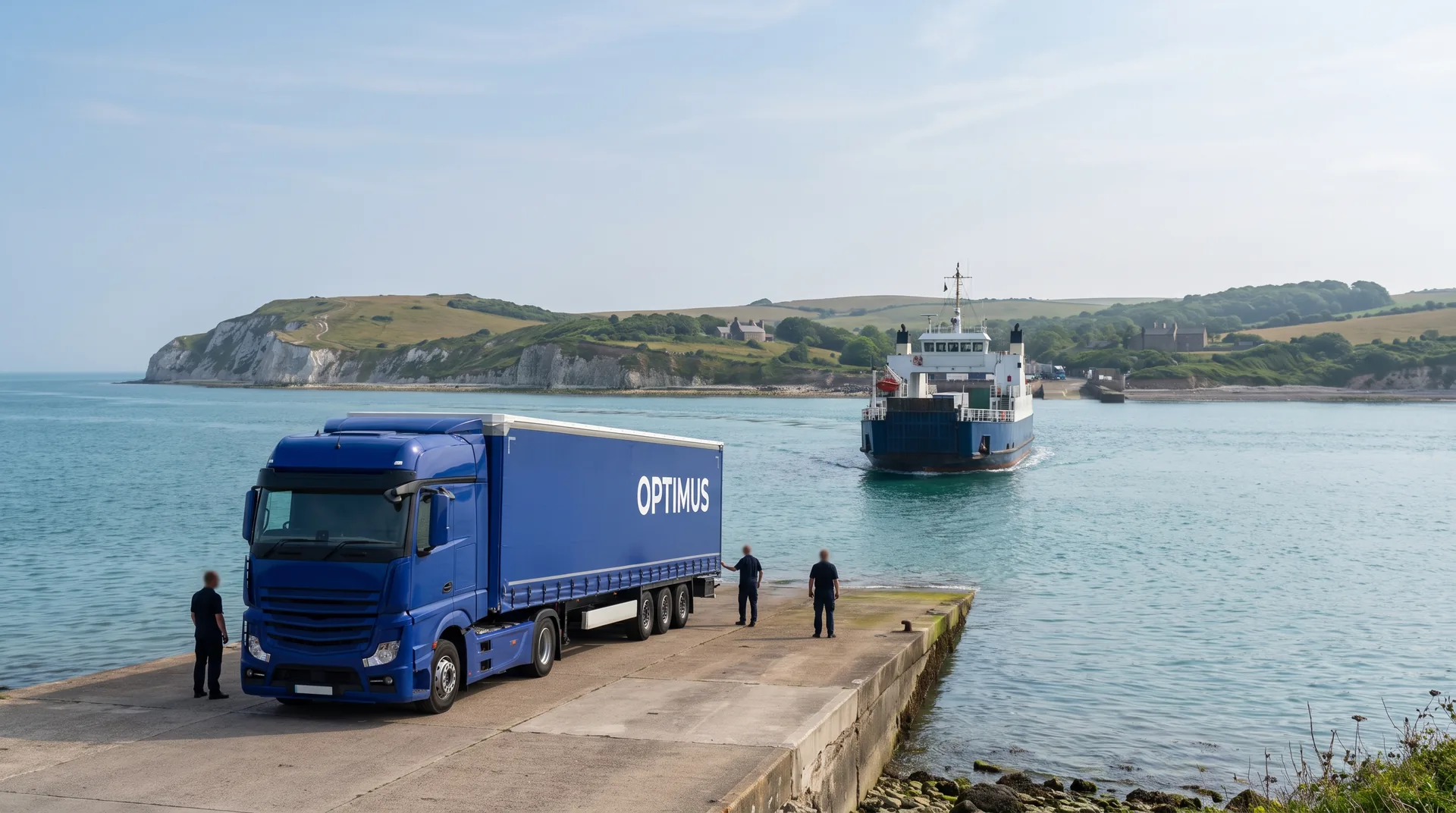
The Isle of Wight is ordinary UK territory: for customs and tax purposes it is no different from Southampton or Portsmouth. Import clearance happens once, on entry to GB, and what follows is simply a crossing of the Solent from a mainland port. That last leg is booked separately and costed separately into the delivery date.
Does a delivery to the Isle of Wight need a second customs clearance?
No. The customs border sits at the point of entry into the United Kingdom, not on the quayside in Portsmouth. The import declaration, the paperwork and any checks are handled once, at the GB entry port, exactly as for a delivery to Manchester. The crossing to the island is a domestic sailing: no customs entry, no separate tax, no declaration for the consignee to file. That sets Wight apart from the Channel Islands and the Isle of Man, which often get lumped into the same conversation while sitting on a completely different side of the tax border. We set out the full comparison in our piece on Wight, Anglesey and Scilly as domestic islands and in the guide to transport to the UK islands.
Which ports run freight crossings to the island?
Three vehicle ferry routes serve the Isle of Wight, run by two operators. Wightlink sails Portsmouth to Fishbourne and Lymington to Yarmouth; its freight pages state that it carries the full range of commercial vehicles, from vans upward. Red Funnel runs Southampton to East Cowes with vehicle ferries and keeps a separate freight vessel. There is no default route here: the choice depends on where the consignee sits on the island and where the vehicle is coming from after its previous drop.
Which port suits which address?
The island is roughly 40 km across at its widest, but the roads radiate from Newport in the middle, so leaving the wrong ferry can cost an hour. In practice, addresses in the east — Ryde, Sandown, Shanklin, Bembridge — are served most easily through Fishbourne. Cowes, East Cowes and the industrial belt along the river Medina are the natural hinterland of the Southampton crossing. The west of the island, meaning Yarmouth, Freshwater and Totland, is closed off by the Lymington route. We ask for the delivery postcode not out of politeness: it decides the crossing, and the crossing decides the price and the unloading hour.
Will an articulated trailer reach the island?
Usually yes — the Portsmouth and Southampton routes are worked by vessels that take heavy goods vehicles, and the island has a normal market for wholesale, construction and retail deliveries. That does not mean every unit fits every sailing: smaller vessels have length, height and axle-load constraints, and the number of commercial vehicle places per sailing is finite. We check those parameters before accepting the job, not on the ramp at the port; the mechanism is described in our article on size and weight limits on small island ferries. Where the load does not fit the route, the alternative is transhipment onto a smaller vehicle on the mainland side.
How much does the last leg add to the schedule?
The Solent crossing itself is short, but it is not what governs the date. The booking does: commercial vehicle space is tied to a specific sailing, and a truck running late from Poland waits for the next one. Add to that the goods-in hours at the consignee, often narrower on the island than in mainland logistics parks. That is why we plan island deliveries with a buffer on the British side — the reasoning is broken down in our text on the time buffer for island deliveries. Cargo with a hard deadline leaves a day early rather than relying on everything working first time.
Why is the crossing a separate line in the quote?
Because it is a variable cost that cannot honestly be hidden inside a per-kilometre rate. It depends on the route, on the vehicle class and on whether space is booked ahead or at the last minute. We show it separately so the client sees what is being paid for and can choose consciously — for example delivery to the mainland port with the consignee arranging collection on the island. The principle is explained in our article on the island crossing as a separate quote line.
Can a single pallet go to the Isle of Wight?
Yes. A single pallet travels as groupage LTL in our UK flow, and the island leg follows consolidation. With one pallet it almost never pays to send a full unit to the island — a smaller vehicle out of one of the Hampshire ports makes more sense, and that is where our Southampton and Portsmouth deliveries converge anyway. The same pattern works in reverse: island collections are timed so the pallet reaches the mainland before the line-haul vehicle leaves for Poland.
What to include in an Isle of Wight enquiry
- The delivery postcode — it drives the choice of crossing.
- Pallet count, dimensions and weight, plus packed height for anything non-standard.
- Whether the consignee has a ramp and forklift, or a tail lift is needed.
- Goods-in hours and any booking requirement.
- The hard date by which the goods must be on site.
The earlier we have those details, the more confidently we book sailing space instead of working around whatever is left.
Sources
- Wightlink: freight services (Portsmouth-Fishbourne and Lymington-Yarmouth)
- Red Funnel: vehicle ferries (Southampton-East Cowes)
Have a load for the Isle of Wight? Send the details through the quote form and we will come back with the port, the date and a cost breakdown including the crossing. Every island we serve is listed on the island transport page.