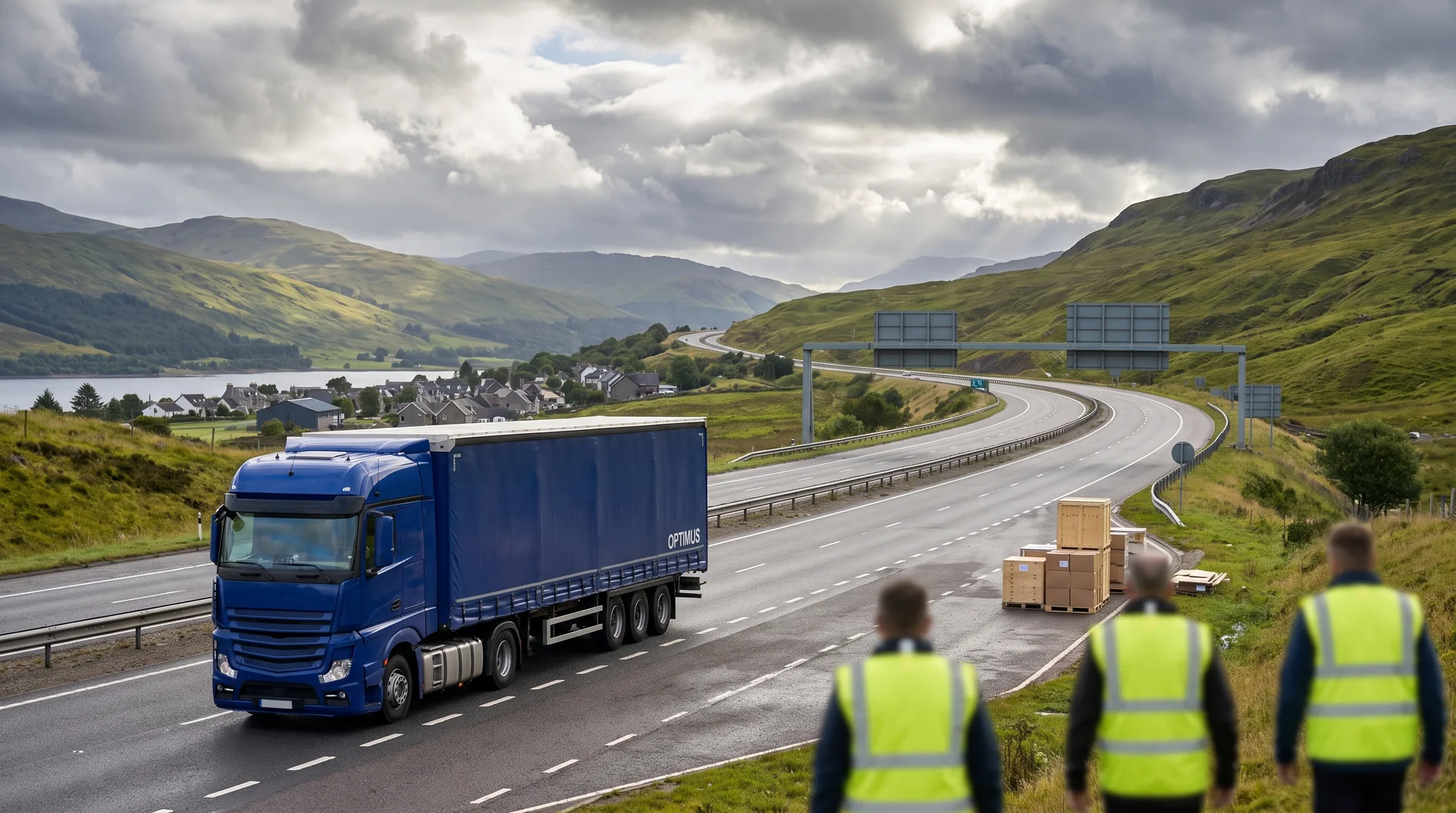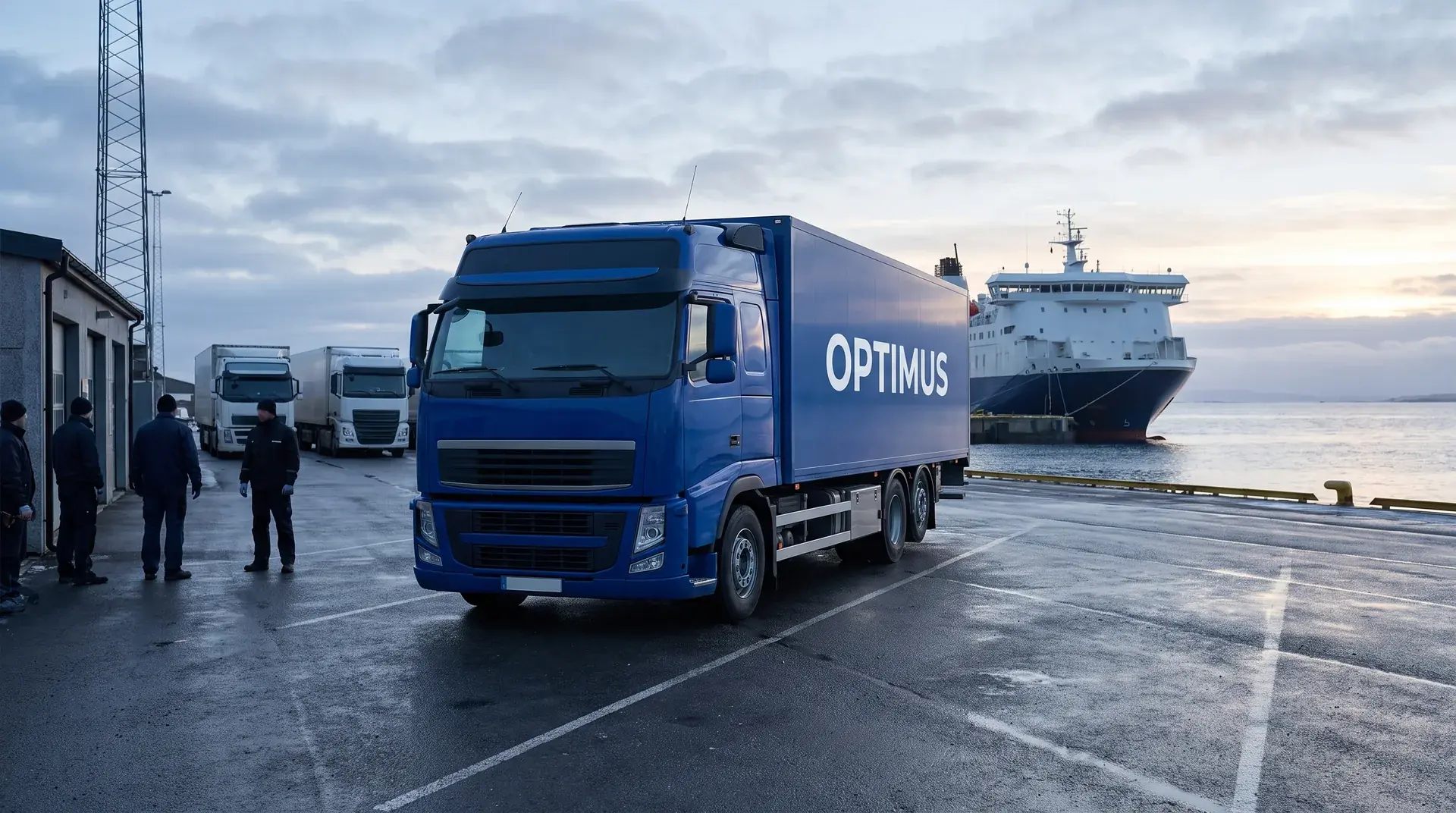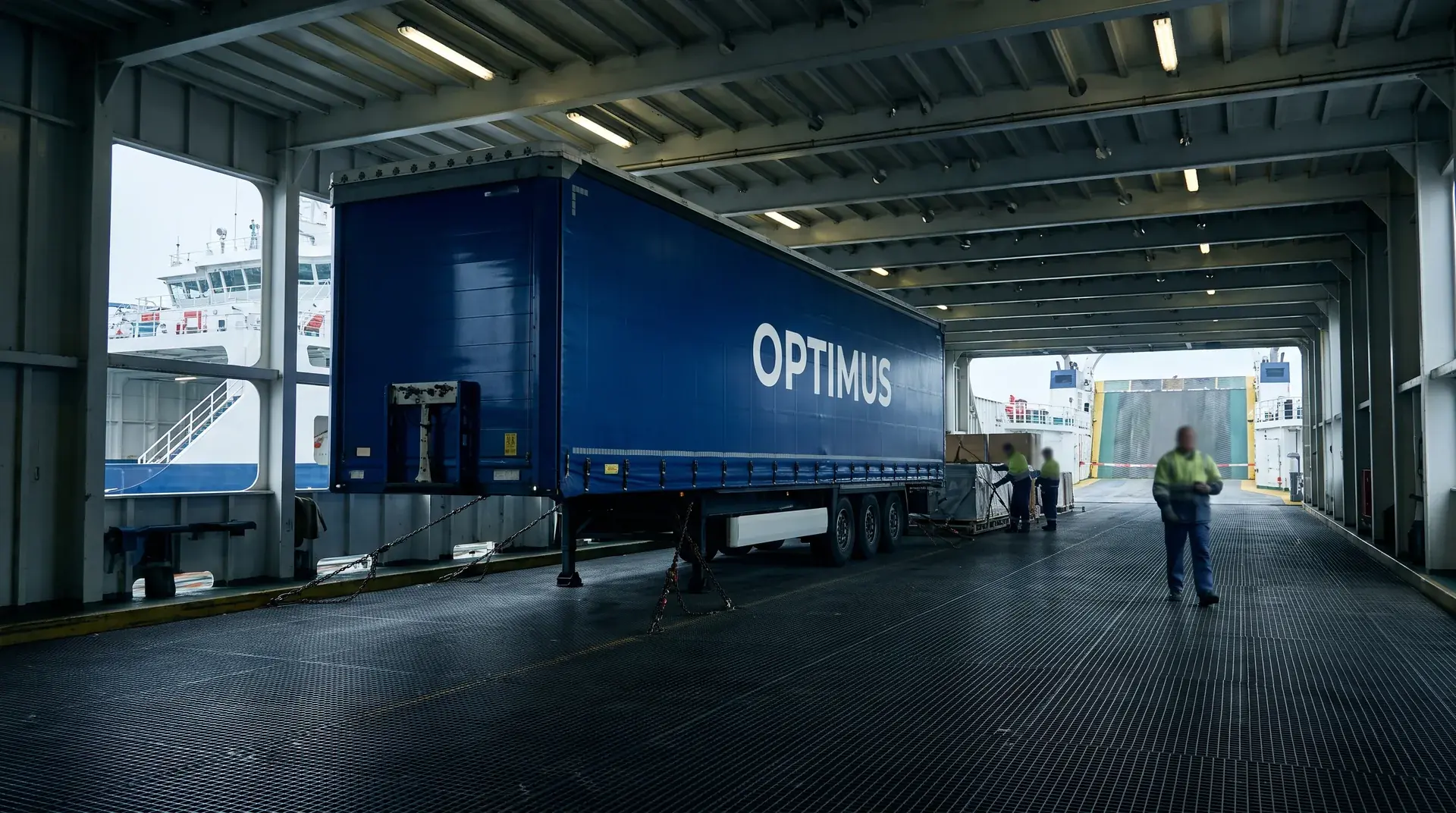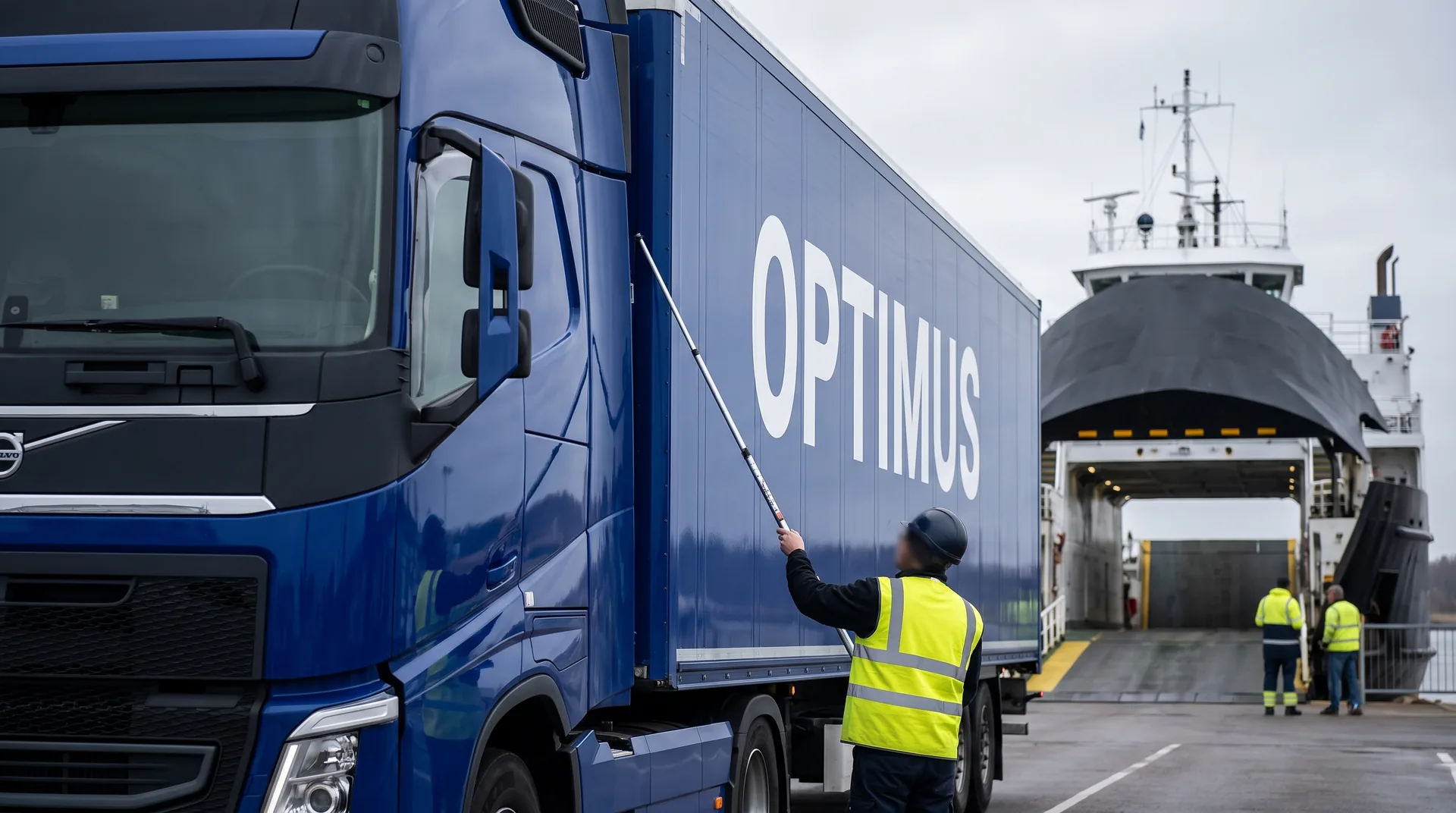
On island ferries the vessel sets the limit, not the road. What counts is vehicle length and height, gross weight, axle load, ramp approach angle and the availability of lashing points. Parameters differ between vessels working the same route, so we check them before accepting a job, not on the quayside.
What does an island ferry limit?
- Vehicle and combination length — the most common cause of refusal; on fast craft the limits can be dramatically lower than on conventional ferries.
- Height — decides whether a unit fits an enclosed deck; mega trailers can be a problem here.
- Gross weight and axle load — the ramp and deck have their own capacity, independent of road approvals.
- Approach angle — low suspension and a long rear overhang can prevent boarding even where the dimensions comply.
- Lashing points — for cargo requiring securing on deck, operators set requirements for lashing points on the vehicle.
Where to check the limits
With the operator only, and only for the specific route and vessel. Sea carriers publish operating parameters for their ships — NorthLink makes them available in the freight section of its service, while CalMac handles commercial traffic through the ports and a business accounts team, where conditions for longer vehicles are confirmed. The Isle of Man Steam Packet splits capability between a conventional vessel and a fast craft, where vehicle length limits are far tighter. There is no single table covering all islands, and anyone publishing such a table without a date and a source is misleading you.
What we do when the load does not fit
We have three real paths and take them in this order. First: splitting the load across two smaller vehicles, often cheaper than hunting for a special sailing. Second: transhipment onto a smaller vehicle on the mainland side before the crossing — the standard remedy for addresses with narrow access, described in our text on the last leg on the island. Third: carriage of the cargo without the vehicle, where the route does not take articulated units at all, as with deliveries to the Isles of Scilly. Each requires a decision before loading in Poland, because it shapes the palletisation.
Does the limit apply to the vehicle or to a single piece?
To both, but at different moments. The vehicle limit decides boarding. The single-piece limit surfaces at transhipment — on routes where cargo is lifted off the vehicle and moved by ship or local equipment. In carriage without the vehicle it is precisely the weight and size of one piece that governs, because the lifting equipment sets the ceiling. That is why for such destinations we ask for dimensions and weights of individual pieces, not just a pallet total.
Who checks the limits before loading?
We do, at the quoting stage. It is part of accepting the job, not something a driver does at the ramp. In practice that means three steps: establishing the route and vessel, comparing the unit's parameters with the operator's conditions, and contacting the sea carrier where anything is unclear. Only then do we confirm a date to the client. The result of that order is fewer surprises and fewer loads standing on a quay.
Abnormal loads to the islands
Steel structures, machinery, tanks and energy sector components travel to the islands regularly, but they require prior agreement with the sea carrier. That is a technical conversation, not a standard quote. Road aspects are covered in our text on oversized transport to the UK, trailer selection in tautliner, mega or curtainsider, and cargo categories on our project cargo page.
Common mistakes in submissions
- Quoting trailer height instead of loaded height — on deck what counts is the highest point of the combination, not the catalogue dimension of the vehicle.
- Ignoring rear overhang and front-mounted items — overall length is often greater than the sum of the figures on the registration document.
- Rounding weight down — the ramp weighs reality, and the difference can block boarding.
- Omitting that the load is indivisible — if the goods cannot be split, the simplest way out disappears and another vessel has to be found.
- Declaring parameters only after loading — by then the only option is often unloading and rebuilding the consignment.
Every one of those mistakes costs the same thing: one sailing cycle. A few minutes spent measuring accurately before the quote saves several days once the vehicle reaches the quay.
What we do when the operator cannot confirm
Sometimes a vessel's parameters are not published, or staff cannot confirm them for an unusual combination. In that case we do not accept the job on trust: we propose the safer option, meaning a smaller vehicle or a split load, and tell the client why. An honest "we have no confirmation" is cheaper than a load turned back from the port at the customer's expense.
Sources
- NorthLink Ferries Freight: vessel operating parameters
- CalMac: commercial handling and longer vehicles
- Isle of Man Steam Packet: commercial and freight
Not sure whether your load will board a ferry? Send the dimensions and weights through the quote form and we will check the conditions of the specific route before confirming a date. Island destinations are gathered on the island transport page.