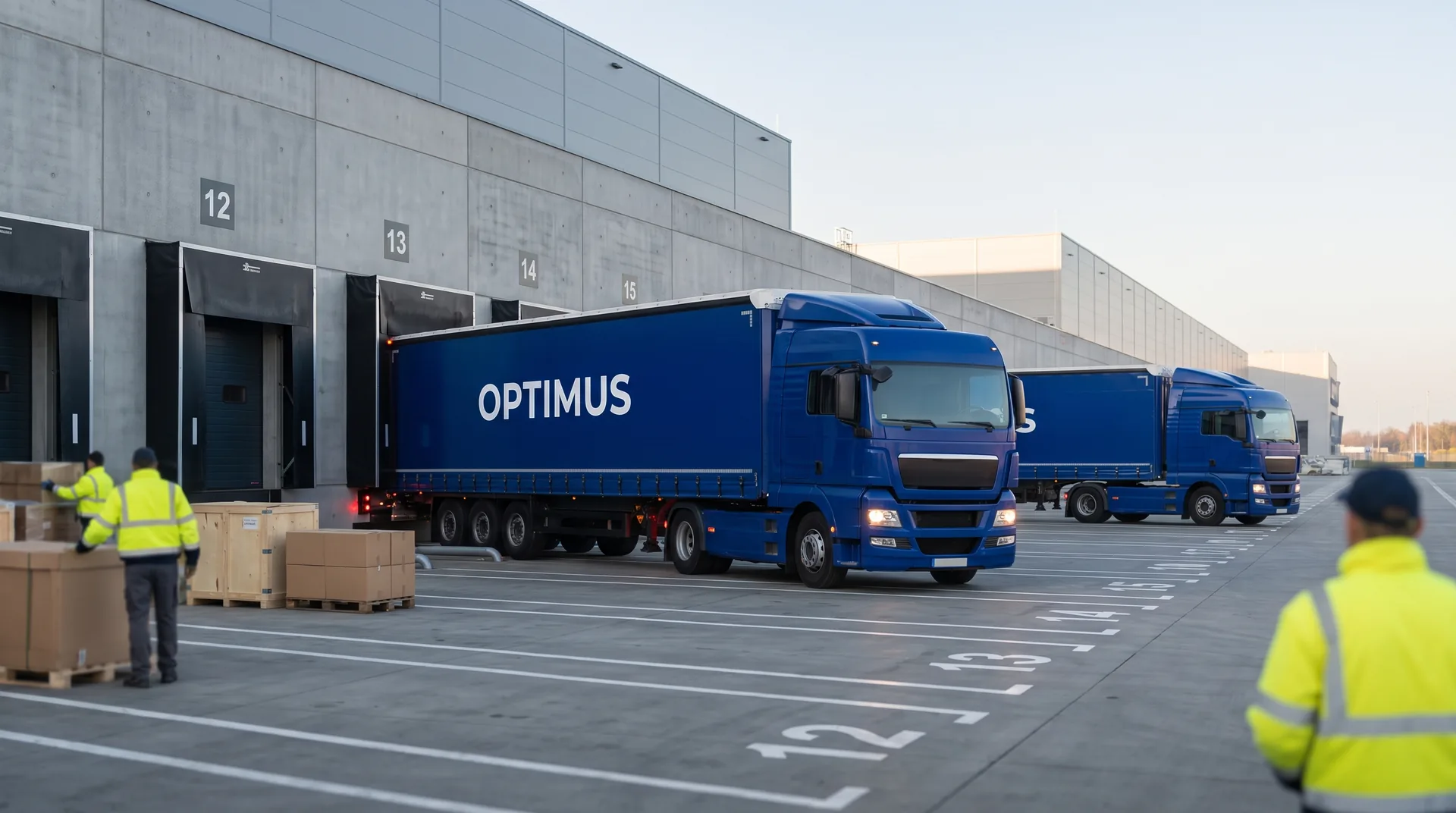
Access to the Targi Kielce site runs on documents issued by the organiser: identification cards during build-up and breakdown, and parking cards while the show runs. The rules, document types and how they are issued are published by the organiser in the site entry regulations and in the regulations for each show.
Which documents apply on site
In practice there are three separate things. First, the document authorising access during build-up and breakdown; at Targi Kielce that role is played by identification cards issued by the site administration, free for exhibitors building their own stands and chargeable for stand contractors. Second, the parking card, on which vehicles enter the site while the show runs; the completed card goes behind the windscreen. Third, the vehicle access rules set out in the site entry regulations.
The details, charges and issuing procedure are published by the organiser for each show, which is why before arrival we read the regulations for that show rather than a general write-up. The same goes for whether a vehicle may remain on site after unloading: the answer depends on the event and the zone.
What you submit when declaring a vehicle
As standard: tractor and trailer registration numbers, combination dimensions and mass, driver details, exhibitor name and the hall and stand number the freight is going to. For unusual loads, add the handling equipment required and whether the combination needs manoeuvring space. The earlier that reaches the organiser, the better the chance of entering at a convenient hour, because entry order is coordinated rather than random.
Changing the vehicle or driver after the declaration is normal and can be notified, but it needs the data updated before arrival. A driver who is not on the list loses time at the gate, and at a large show that time means losing a place in the queue.
How long you get to unload
The rule on site is that a vehicle leaves after unloading to free space for the next one. The specific time limit and standing rules are set by the organiser. For a carrier that means unloading has to be planned as an operation rather than an activity: equipment and people must be ready when the vehicle is presented, not summoned once it arrives. If nobody from the exhibitor is there, the freight passes to the venue crew, which we cover in the article on the official fair forwarder versus your own carrier.
How this differs from booking in at a UK warehouse
Fundamentally in mechanism and consequences. At a British warehouse or distribution centre a booking is a reserved slot, and lateness means refusal or a charge. At a fair the slot works differently and it depends on the venue: some organisers assign specific unloading windows, as at Targi Kielce, while others open one build-up window for everybody and settle the sequence on site. You check which applies in the rules of that particular show. What does apply everywhere is that missing documents mean no entry at all. The warehouse mechanics are covered in the article on booking in at UK warehouses.
Breakdown: same documents, more pressure
On breakdown day the same access rules apply as at build-up, but conditions are harder: everyone wants in at once, doors stand open and the site gets crowded. Have the documents ready in advance and book the return vehicle together with the delivery rather than after the hall closes. The method for planning both windows is in the article on the build-up and breakdown calendar, and the options after closing in the piece on what to do with a stand after breakdown.
How a buffer changes things at the gate
Freight standing minutes from the fairground can be presented exactly when a stand comes up in the sequence, instead of holding a combination in the queue from early morning. That shortens time on site and reduces the risk of a driver spending the daily driving allowance waiting. The mechanism is in the article on the buffer warehouse next to Targi Kielce, and the general picture in the piece on delivery to Targi Kielce. On local collections the route is built backwards from the assembly sequence, which we set out in collecting from an exhibitor in Kielce and delivering into the hall.
What to confirm before arrival
Site opening hours on build-up and breakdown days. The type of access documents and how they are collected. Where they are collected and who may do it. The standing zone and the unloading time limit. Whether a vehicle may remain on site. Whether an abnormal combination needs separate approval. Six items, all on the organiser side, all to be confirmed in writing before the vehicle leaves the loading point.
Sources
- Targi Kielce: site entry regulations (PDF, Polish)
- Targi Kielce: participant regulations for individual shows
Need a delivery inside the build-up window in Kielce? Send the show name, hall and stand through the quotation form and we will handle the vehicle declaration and the entry plan. See also the exhibition logistics page.