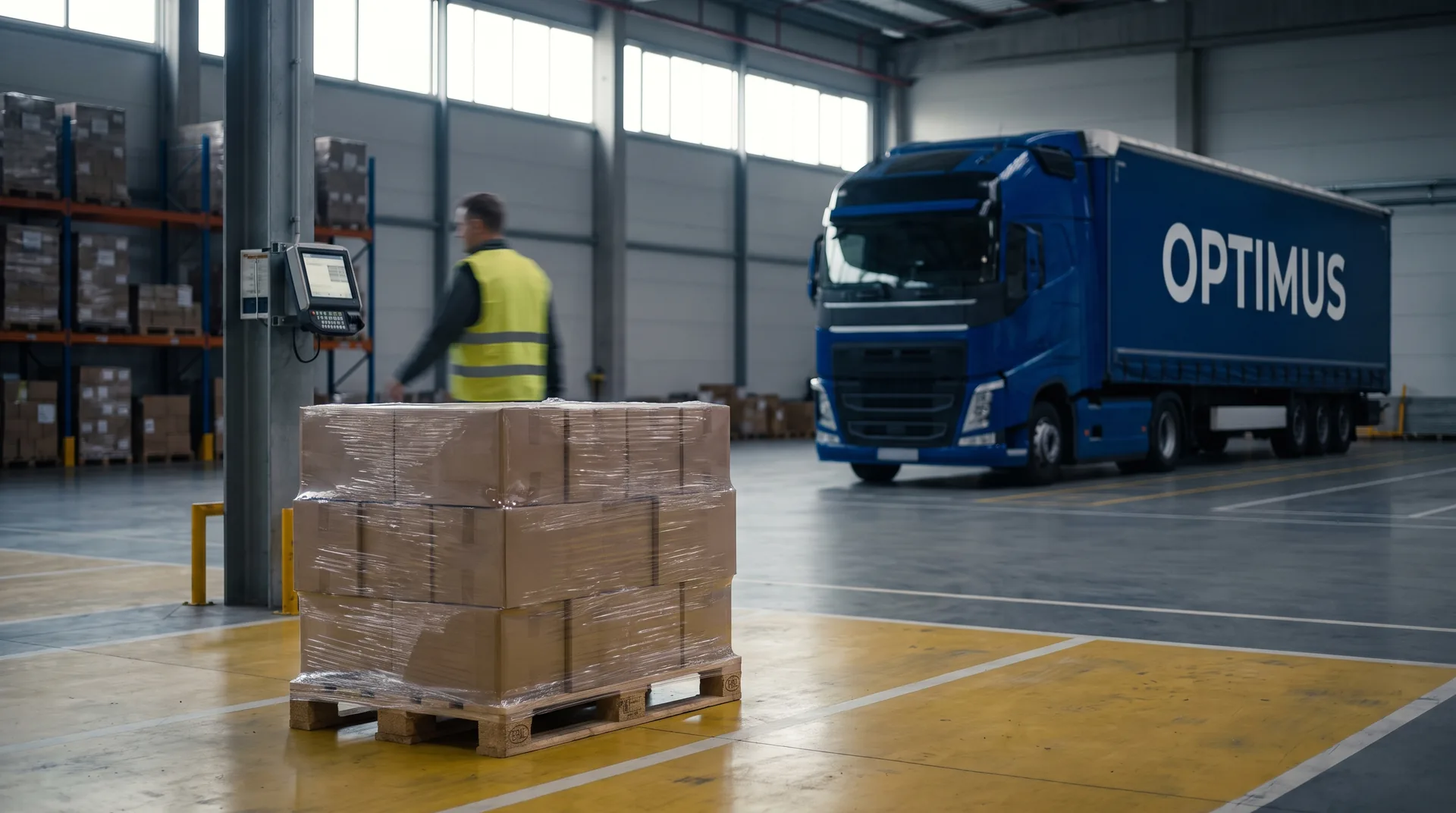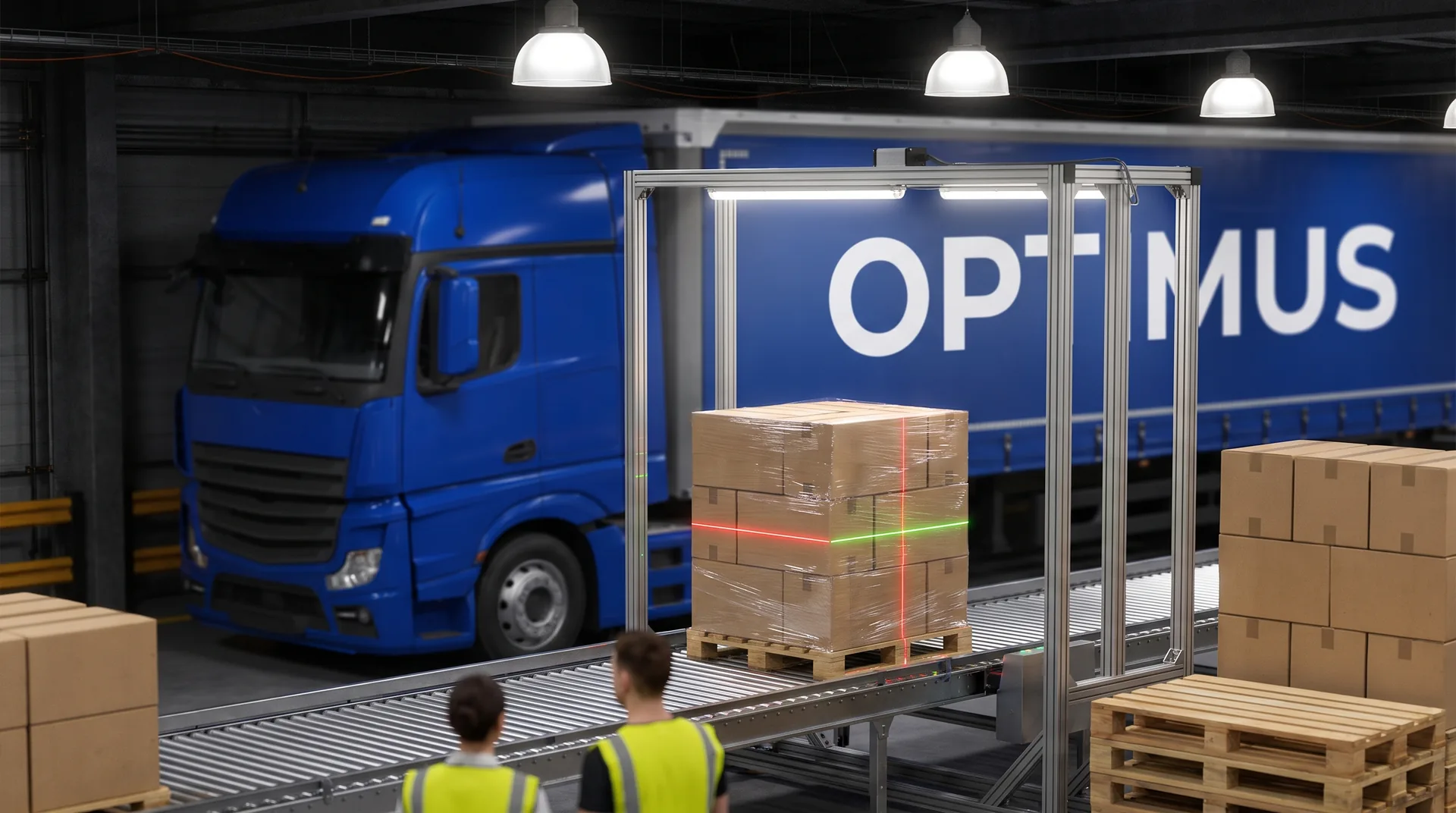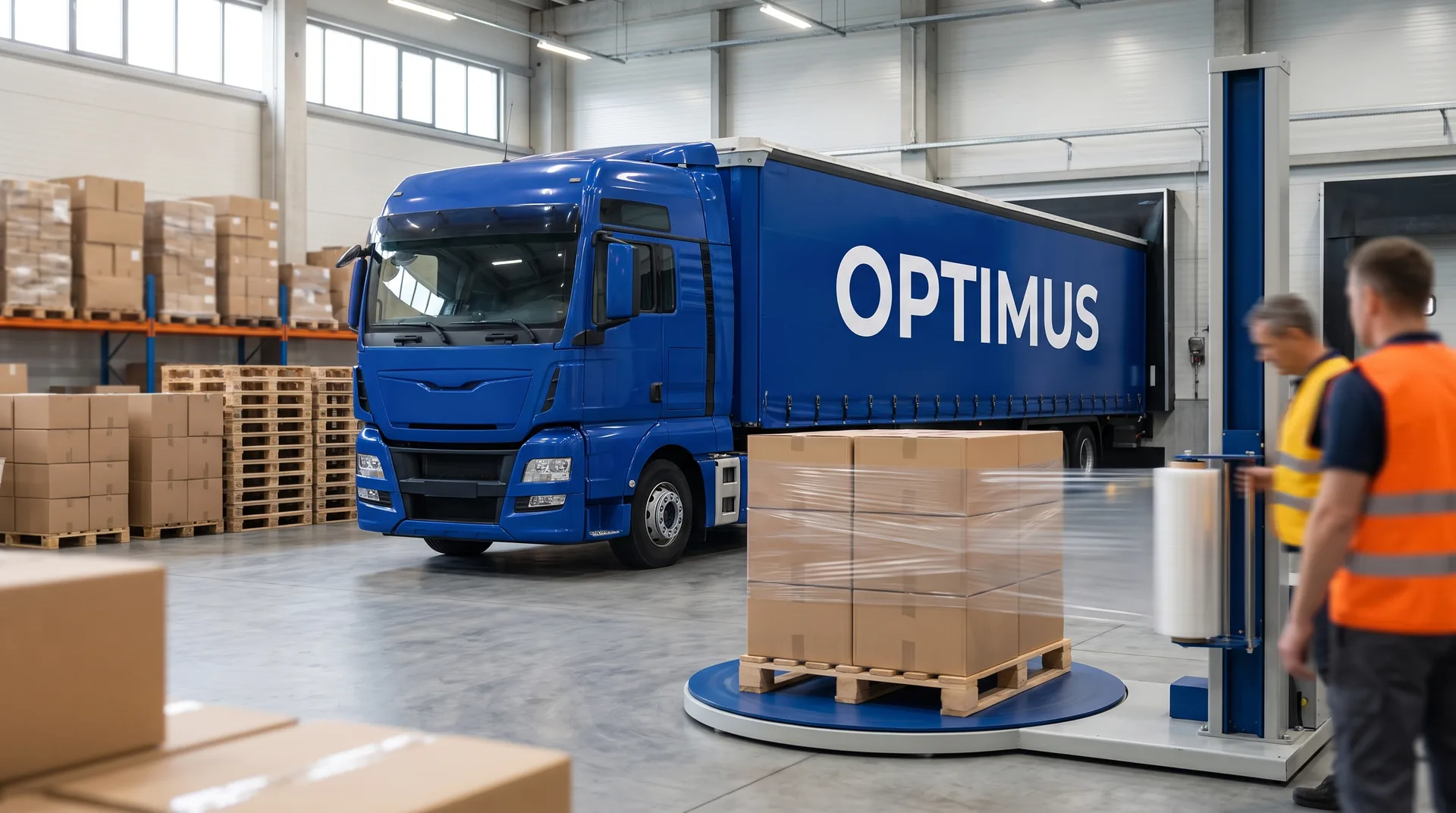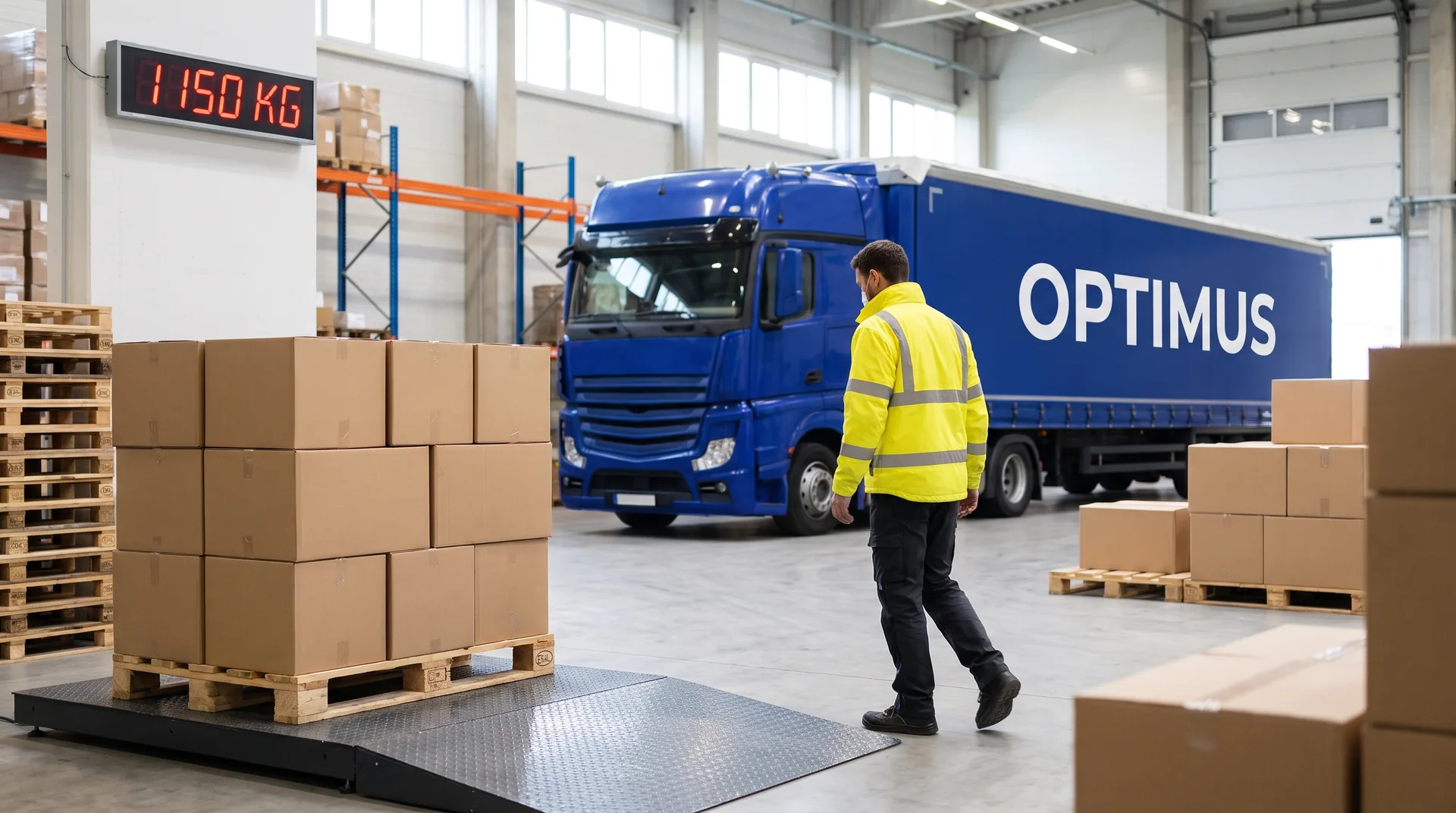
On Poland–United Kingdom lanes pallet exchange is the exception, not the rule: most British consignees run no exchange loop and treat the carrier unit as part of the delivery. If you do agree on exchange, you need a pallet note at every unloading and a hard date for closing the balance. Without both, the balance is fiction.
Is pallet exchange practised in the United Kingdom?
Rarely and unevenly. The dominant British model is a one-way unit priced into the goods, or a pooled unit inside an operator's loop. Warehouses receiving goods from the continent usually hold no stock of euro pallets of comparable grade to the ones they have just received, and ramp staff have no authority to reconcile carrier units. The result is predictable: the driver asks for an exchange, hears "we do not do that", and either drives on without pallets or stands there.
So before a first delivery to a new consignee we settle one thing in writing: whether the unit is non-returnable, exchangeable or pooled. The pooled model follows an entirely different logic and is covered separately in pooled pallets on UK exports. Choosing the model is the shipper's commercial decision, not a matter of ramp custom.
What a pallet note must contain
The document can be a single page, but it needs a full data set so something can actually be calculated from it three months later. Date and place. The consignment note number it relates to. Vehicle registration and driver name. Units handed over, broken down by type: EPAL, industrial 1200×1000, one-way, pooled with the operator named. Units taken back, in the same breakdown. Grade of the pallets accepted. Running balance. Signatures from both sides with a legible note of who signed and in what capacity.
If no exchange took place, the note is still produced — zero taken back, and an open item is created. That is its most important use: it evidences not only the exchange but its absence. Recording unit counts in the remarks box of the consignment note is a sensible supplement, not a substitute; how to fill that box is in our article on the CMR consignment note.
Pallet grade: the root of most disputes
Like-for-like exchange silently assumes both pieces are of the same quality. In practice a sound pallet goes out and a unit with a cracked block and a splintered board comes back. Formally the balance nets to zero; economically the shipper loses. So in any exchange agreement we record the acceptable grade of returned units and the consequence of refusing anything below it. Quality grades and euro pallet construction are documented by EPAL, and we cover the subject more broadly in the EPAL euro pallet, its dimensions and exchange.
Sub-standard units carry another easily forgotten cost: they have to be repaired or disposed of, and both take space and time. We repair pallets at the Milton Keynes warehouse, as described in damaged pallet repair.
What to do when the consignee refuses to exchange
The driver has no mandate to negotiate and should not have one. The procedure we use: the driver records the refusal on the pallet note and in the consignment note remarks, photographs the unloaded unit and moves on. Dispatch takes it from there and contacts the shipper the same day. We do not block the ramp and do not escalate on site, because that costs more than the units are worth and damages the relationship with a consignee who usually has no idea what the argument is about.
Three exits follow. The shipper accepts the open item and settles later. The shipper switches to a non-returnable model and prices the unit into the goods on future deliveries. Or — rarest — the consignee agrees to buy the units, which is also a solution and closes the matter cleanly.
How to close a balance after a dozen deliveries
A balance nobody closes becomes, six months on, a dispute rather than an account. So three things go into the framework agreement: a reconciliation cycle (monthly works best), a cut-off date after which an unreconciled item goes onto an invoice, and a named person on each side responsible for confirming. The statement is built from the notes, not from memory — one sheet with columns for date, consignment number, out, back, and running balance.
On a steady UK flow it is worth considering the solution that removes the problem at source: units travel non-returnable and their cost sits in the price of the goods. No balance, no notes, no monthly reconciliation. When that maths works is set out in losing pallets on UK lanes and who pays.
Returning pallets as a load
Empty pallets heading back to Poland are cargo like any other: they take space, they have mass and they need securing. A stack of empty euro pallets has a high centre of gravity and can spread under braking, so we band it and secure it under the principles set out in cargo securing to EN 12195. Carrier mass counts against payload and on a full vehicle it is not negligible — the arithmetic is in pallet tare.
Sources
- EPAL: euro pallet data sheet, dimensions and load limits
- LPR: differences between pallet exchange and pooling
Want to tidy up carrier accounting on your UK lane? Describe the relationship in the quote form and we will propose a model and the wording for the order. The lane is described on our transport to the United Kingdom page.