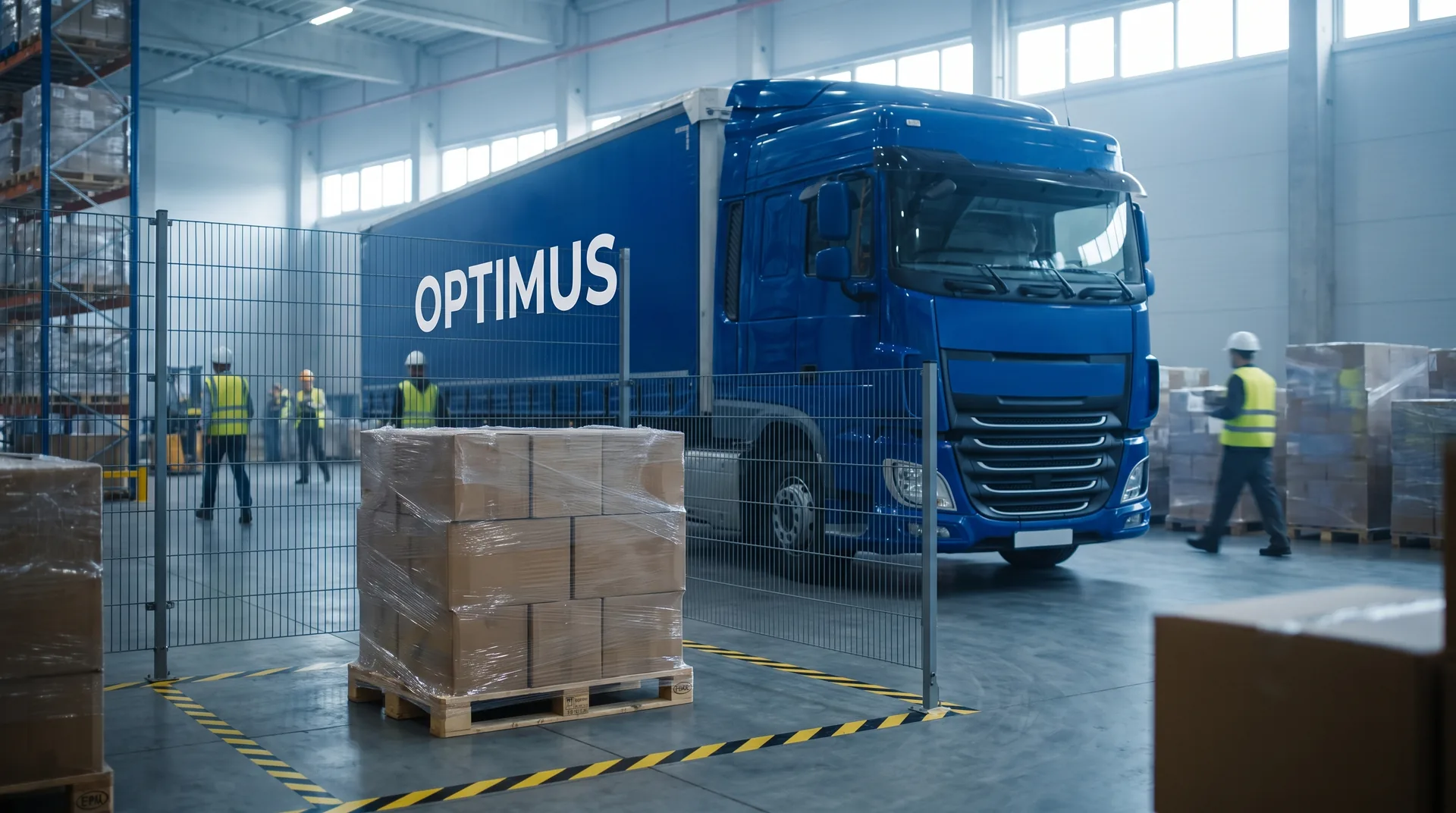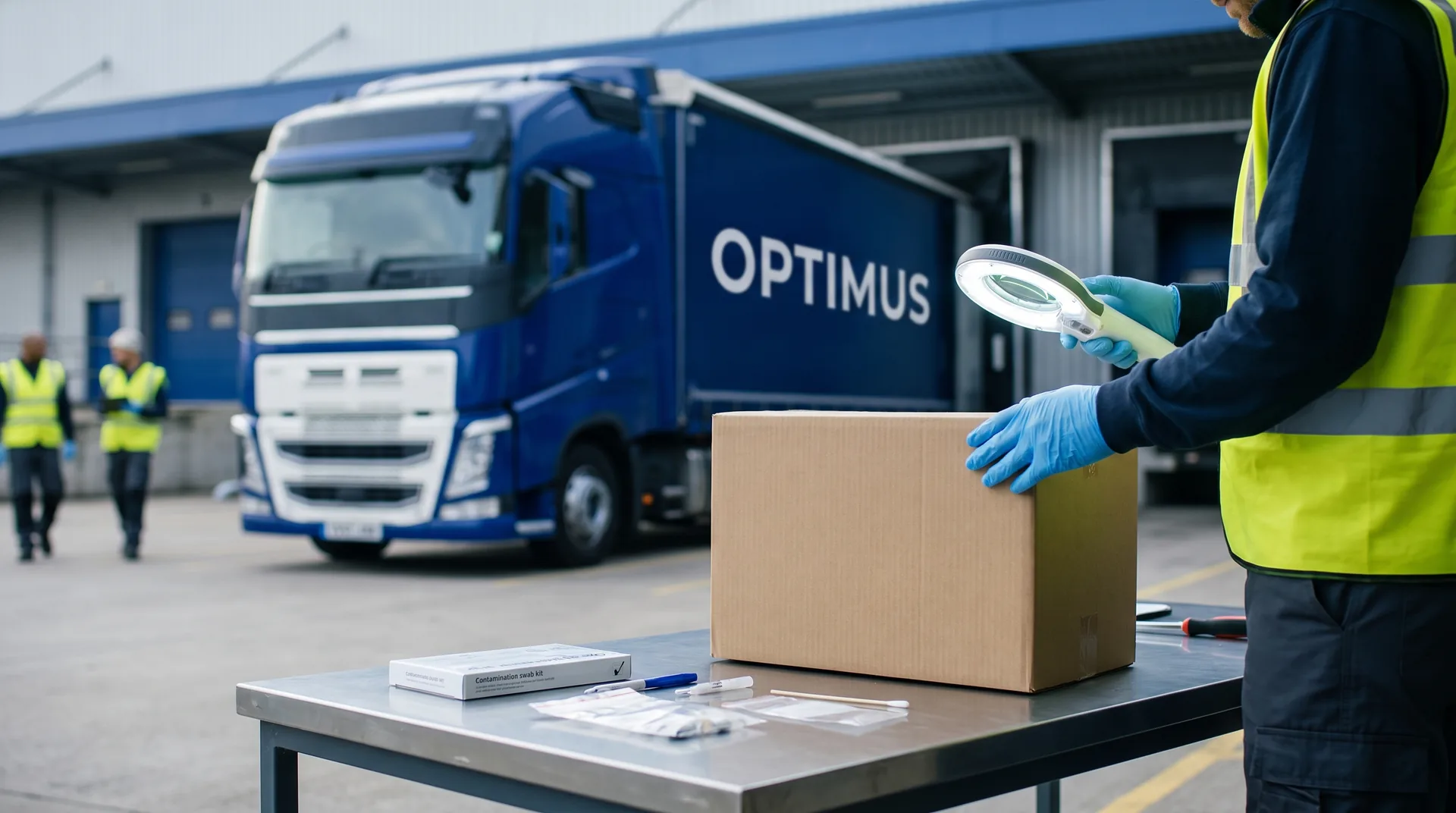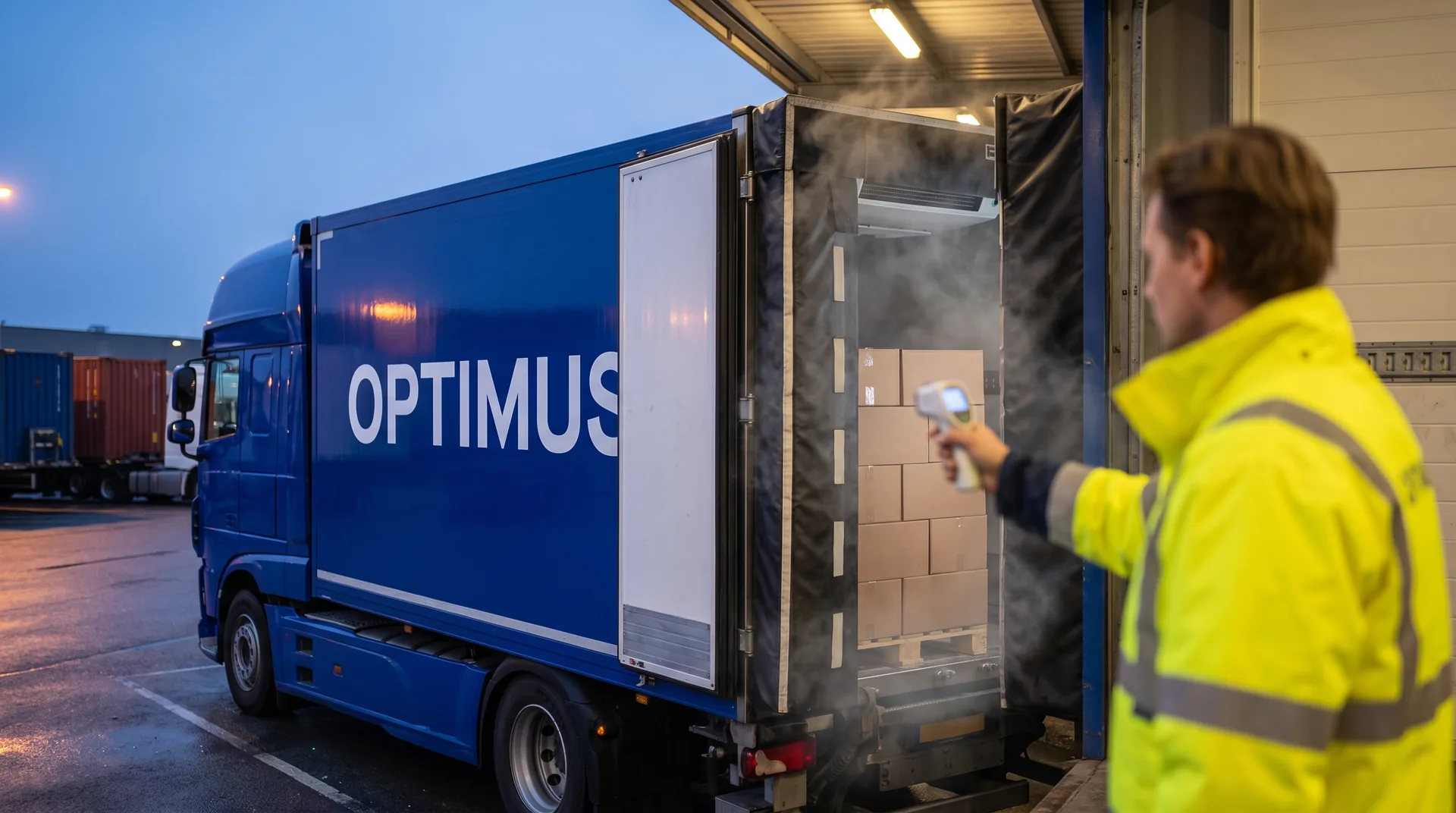
Temperature-controlled recovery means reviewing, sorting and restacking a load inside a chilled or frozen zone, without taking the goods outside their required range. Temperature is documented throughout the work, and the outcome is handed over as a schedule of units with photographic documentation.
Why this cannot be done on the ramp
Because a ramp sits at ambient temperature and a review takes time. A pallet of chilled goods left out for half an hour on a warm day stops meeting its requirement before anyone has counted the first layer. Even if the product loses nothing physically, it loses its record, and without that a UK retail receiver will not accept the delivery. The consequences of leaving the range are covered in a broken cold chain. So the whole recovery happens inside the zone, not beside it.
What working inside the zone looks like
Different from dry goods, because the pace is set by people rather than by the load. Work in a chilled room is slower, needs rotation and breaks, so reviewing the same number of pallets takes longer than in the main hall. We plan it accordingly: the batch is split into portions that can be reviewed in one entry, target carriers are prepared in advance, and the number of outer packs opened is kept to the necessary minimum. The sorting itself follows the same rules as for dry cargo, described in load filtering.
Restacking pallets without leaving the range
It can be done, provided carriers, film and labels are prepared beforehand and the target pallet waits in the same zone. The most common mistake is bringing a pallet into the zone empty-handed and hunting for materials mid-task. The second is restacking layer by layer while setting goods down on the floor: part of the load then stands longer than it should and the review result becomes uneven. We work the other way: everything on one unit is finished before the next one starts.
What to do when part of a pallet has warmed
Split it and record it. Units that stayed within range continue as the saleable pool with a full temperature record. Units that left the range go to the held pool and do not come back, even if after re-chilling they look identical. Their fate is the owner decision, because only the owner knows whether their sales channel accepts such goods. We never mix the pools, because one undocumented unit can undermine the credibility of everything else.
How we document temperature
We record conditions in the zone throughout the work and attach the log to the schedule. Photographic documentation is added: the incoming condition of the pallet, any damage or moisture, and the outgoing condition after restacking. That pack goes to the goods owner and doubles as material for the insurer, as described in the inspection report for the insurer. Storage rules for sensitive loads are covered separately in temperature control for sensitive cargo.
How quickly work must start
The sooner the better, but the exact window depends on the product and cannot be given as one number. The practical rule is this: stabilise conditions first, inspect second. Putting the pallet into the right zone stops the damage deepening and buys time for a decision, while inspecting on the ramp does the opposite. So when a failure is reported, our first act is to take the load into the zone and only the second is to agree the scope of the review.
How this differs from responding to a reefer failure
Temperature-controlled recovery is planned work: what happened is known, the load is already in the zone and we are working towards a result. A reefer failure en route is a rescue scenario with a clock running, where the first task is getting the goods somewhere they can be stopped. That scenario is covered in reefer failure en route to the UK. Regular temperature-controlled transport is described on the refrigerated transport page.
Have chilled cargo that needs reviewing without leaving its range? Report it through the quote form. The zones and facilities are on the Milton Keynes warehouse page.