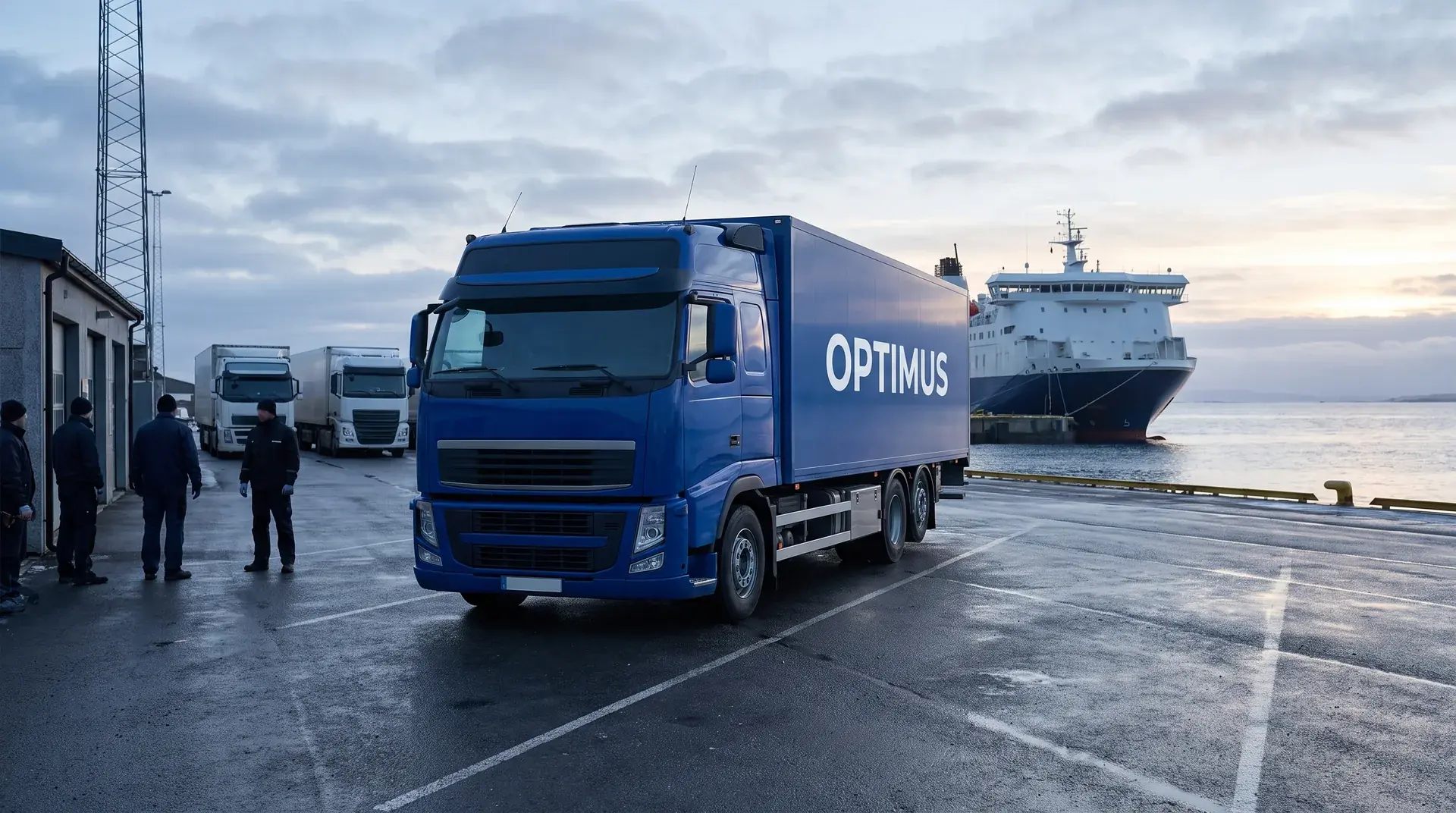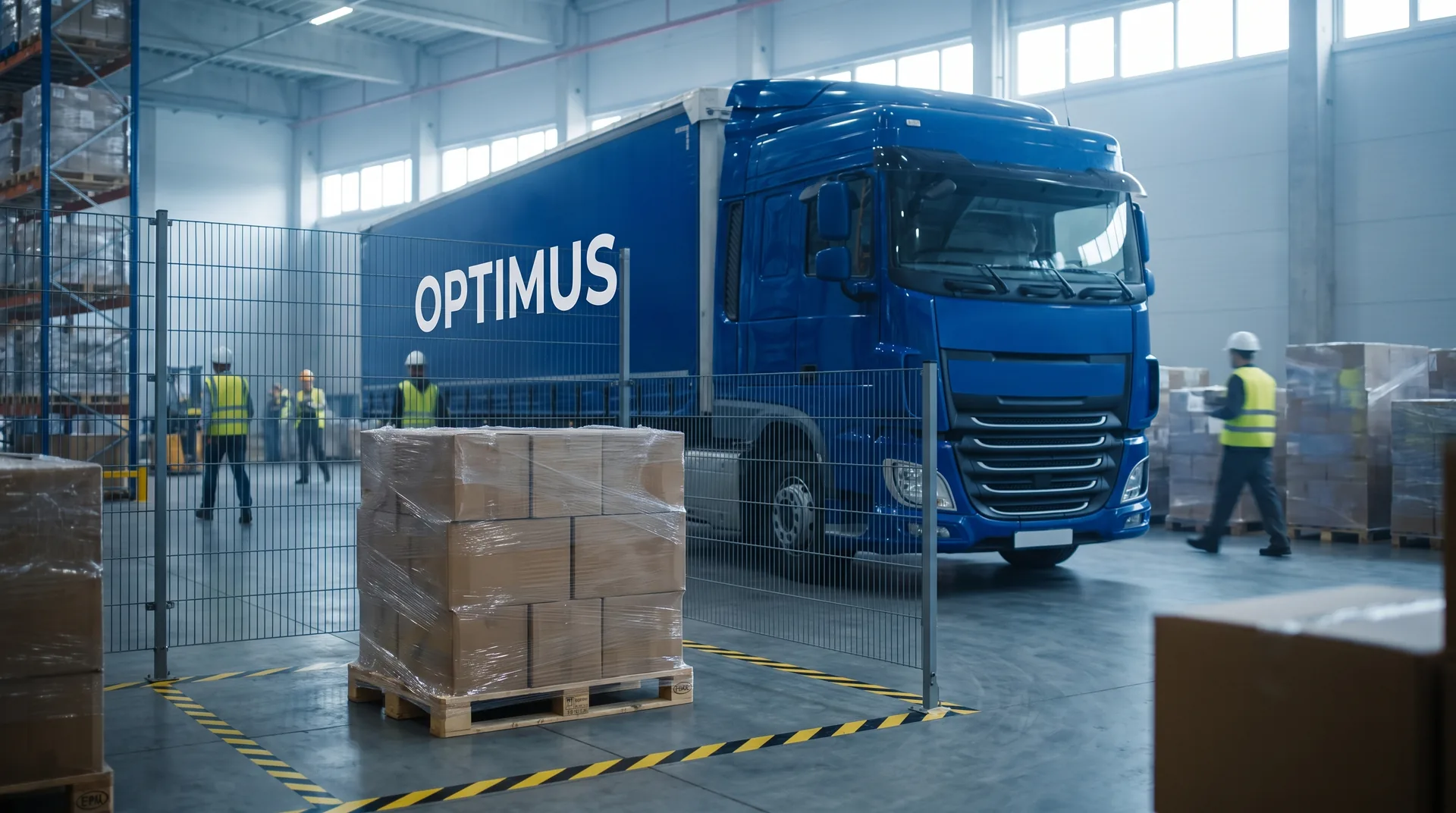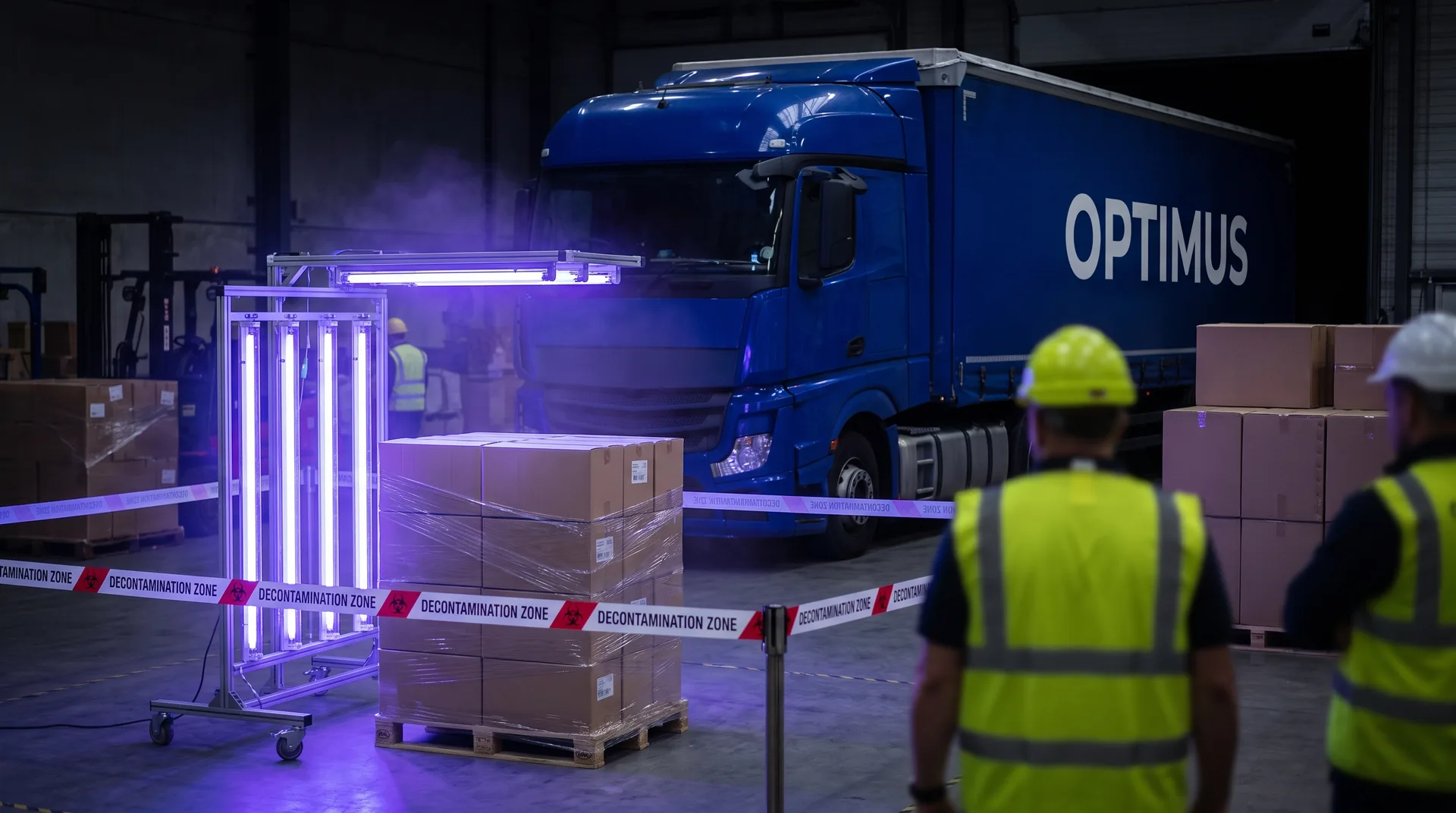
After a reefer failure the order matters: stop the damage deepening first, assess the goods second. The fastest route is placing the load into a frozen or chilled zone at the Milton Keynes warehouse, which accepts such deliveries around the clock. Fitness assessment and sorting then happen inside the zone, not on the ramp.
The first hour: what to do before counting losses
Three things at once. Establish whether the unit can be restarted where it stands, because if it can, everything else is unnecessary. Record the time it stopped and the last known temperature reading, because that is where the timeline begins on which every later conversation with an insurer will rest. Find the nearest place where the load can stand at the required temperature and call ahead. Order matters: phoning the goods owner is important, but it does not stop the thawing, whereas getting into a zone does.
Why the clock beats the diagnosis
Because frozen cargo does not spoil in a step but gradually, and most of the loss accrues during the time spent working out who is at fault. With frozen goods each hour moves the batch closer to the line beyond which a retail receiver will refuse the delivery regardless of how the product looks. The consequences are described in a broken cold chain. Establishing liability is necessary, but it is done after the load is safe, not instead of it.
Will the warehouse take the load without notice
We will, provided you call before arrival, even an hour ahead. Round-the-clock working means you do not wait for a gate to open, but it does not mean zone space stands empty for every occasion. On the call we need four things: type of goods, required temperature, pallet count and expected arrival time. Which operations genuinely run out of hours is covered in a 24/7 warehouse in practice.
Can thawed goods still be saved
That depends on the product and how far the thawing went, and the answer comes from the goods owner, not from the warehouse. Our role ends with establishing the facts: what was outside range and for how long, what condition the packaging is in, and whether the damage covers the whole batch or part of it. Very often the result is uneven: pallets from the middle of a trailer hold temperature longer than those by the doors, so one delivery splits into several pools. Sorting follows the rules described in load filtering.
Work after the load is standing: reviewing inside the zone
Once the load is stabilised, further review happens inside the zone, so that an already weakened record does not gain another excursion out of range. How that operation runs is described in temperature-controlled recovery. The zones as a storage offer are covered in multi-temperature storage, but in an emergency a different fact matters: that the zone is available now, not that it exists at all.
How to document the temperature history
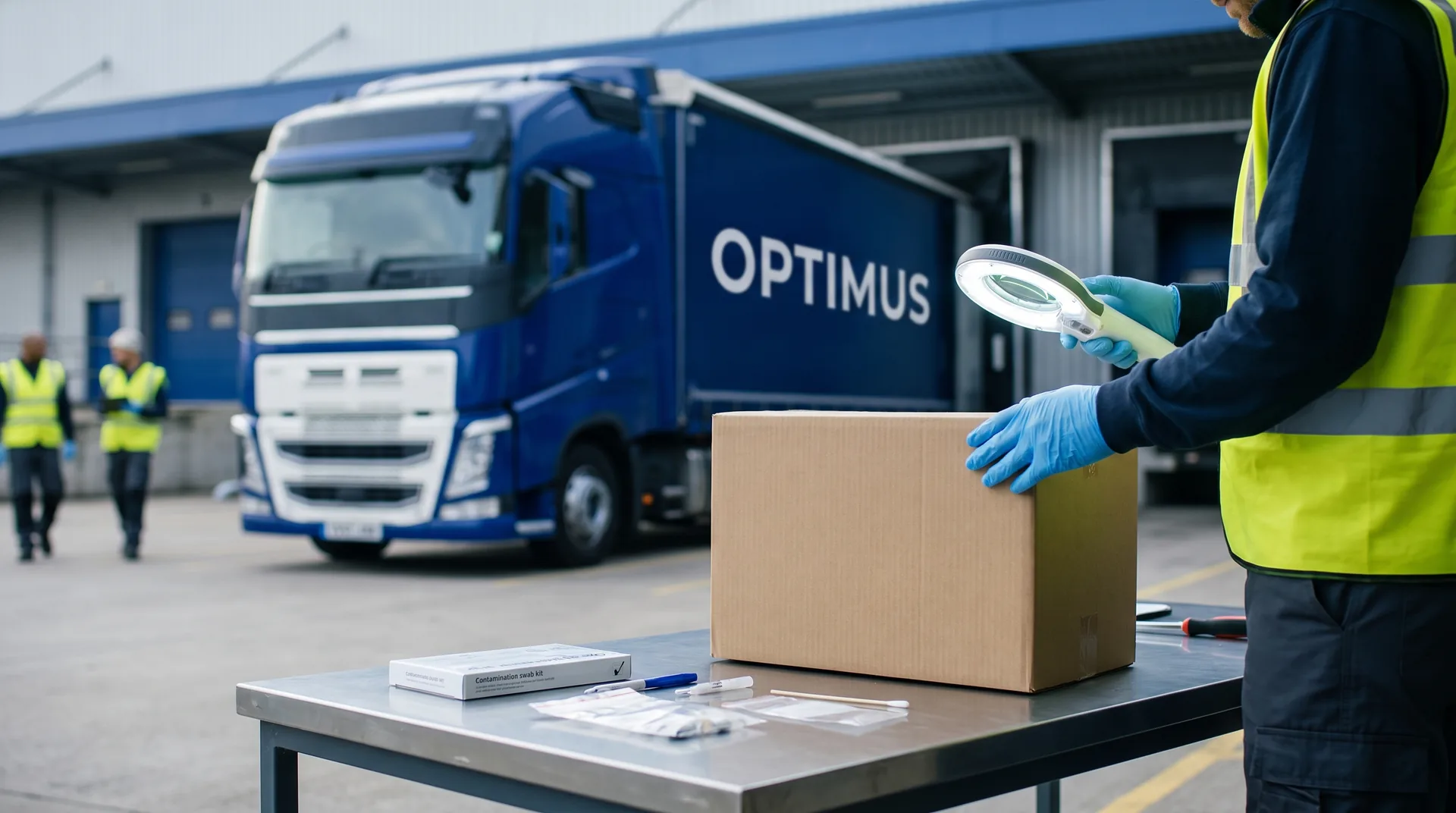
Collect everything that shows the timeline: the printout or download from the reefer recorder, the time it stopped, the arrival time at the warehouse, the reading at receipt and the log of conditions in the zone. Add photographic documentation of pallet condition at unloading. That pack forms the core of the material for the insurer, whose requirements are set out in the inspection report. Gaps in the timeline are the most common cause of dispute, because without them nobody can separate damage caused on the road from damage caused while waiting for a decision.
Who is liable for the loss
Liability is settled under the contract of carriage and the circumstances of the failure, not by where the goods eventually stood. A warehouse taking goods in on an emergency basis does not thereby assume liability for the failure itself. That is worth remembering, because fear of admitting a problem is a common reason drivers delay putting a load away and lose the most valuable hours. The compensation discussion runs in parallel and has no bearing on whether the goods can still be saved.
Have a failure on the road and need somewhere to put the load? Report it through the quote form or see the Milton Keynes warehouse page. Regular temperature-controlled transport is on the refrigerated transport page.