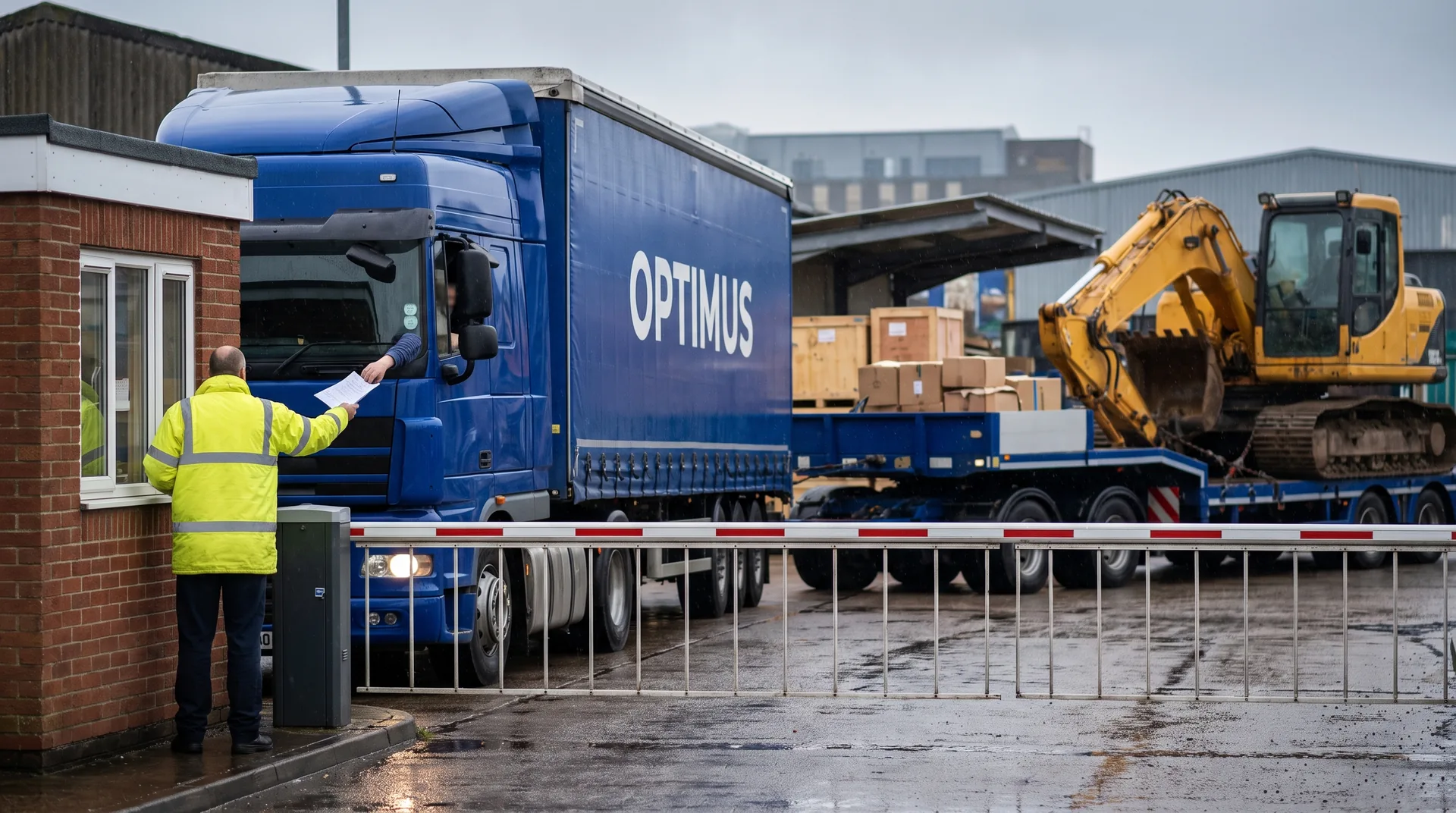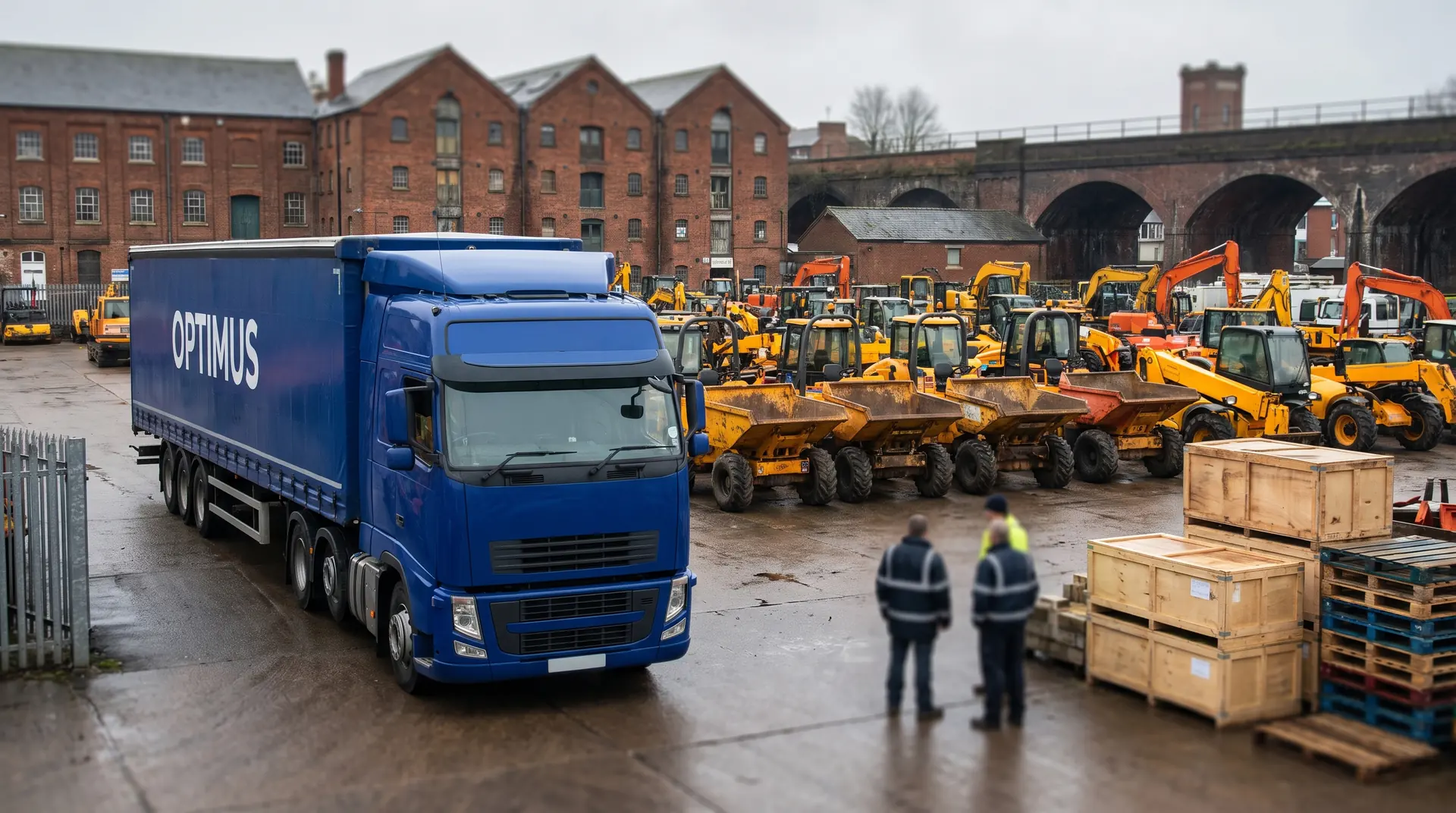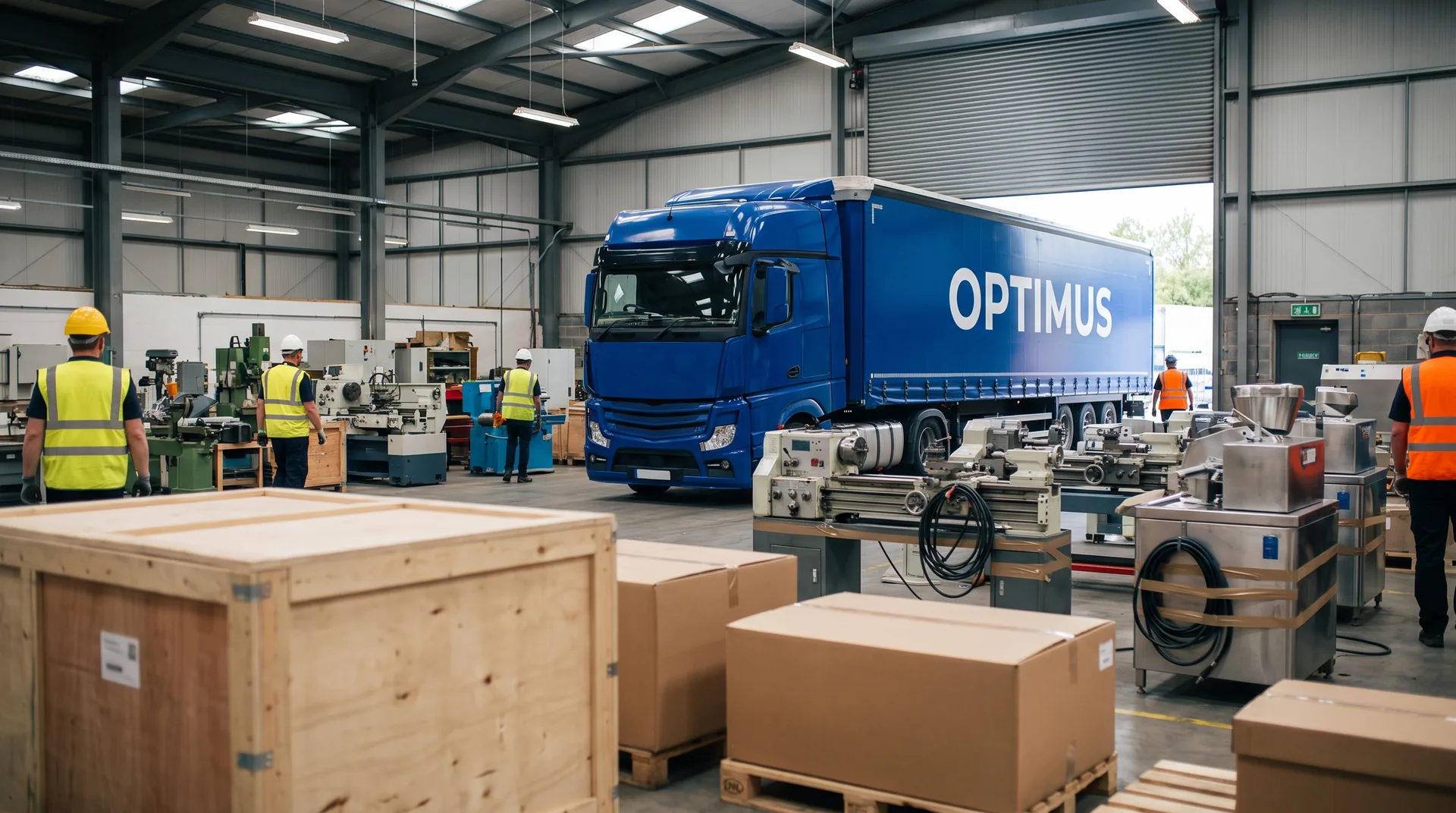
BTG Eddisons sells business assets: plant, food processing and catering equipment, machine tools, woodworking machinery and commercial vehicles, largely from insolvency and closure sales. The fundamental difference from a classic auction house is that the machines stand at the vendor premises rather than on an auction yard, and removal requires safety documentation from the buyer.
An important change of name
The firm trades today as BTG Eddisons and runs its sales under that name. It states itself that a company-wide rebrand in February 2026 turned Begbies Traynor Group into BTG and Eddisons into BTG Eddisons; Eddisons was acquired by Begbies Traynor in December 2014, and the firm traces its origins to an auctioneering business in Huddersfield in 1851. The asset auctions are run by an arm called BTG Eddisons Asset Sales, and the conditions of sale name Eddisons Commercial Limited as the auctioneer. The head office is in Leeds at 10 Wellington Place. A buyer searching under the old name simply will not find the current calendar.
An insolvency sale is a different transport scenario
The lot listing shows equipment scattered across various UK locations, and the conditions of sale are written around the concept of the Location, meaning the premises where the lots actually stand. This is exactly the scenario where a machine comes out of a production hall rather than off a yard: it needs dismantling, disconnection of services, agreed access and removal inside a window that closes when the closure does. We set it out in our article on machinery sold in situ.
Risk assessment and method statement, on the buyer
The conditions are unusually specific here and this is the point that catches Polish buyers out. Removal of lots from the location is undertaken by the buyer entirely at its own risk and without any liability whatsoever to the company, and the buyer bears all costs and expenses of removal. Risk of damage to or loss of the lots passes to the buyer immediately upon conclusion of the sale. The buyer must hold insurance in respect of its indemnity. And most importantly: the buyer must prepare a risk assessment and method statement complying with the British construction design and management regulations and with the hazardous substances regulations, and hazardous waste removal must be carried out by licensed contractors. Payment in cleared funds must be made before removal.
What that means for a carrier
It means the carrier cannot be the only contractor on the buyer side. We arrive for items prepared for removal, secure them and haul them; we do not dismantle, we do not disconnect installations and we do not draw up work safety documentation. The buyer, or the buyer dismantling team, has to close that first. We build the transport plan from an item list with weights and dimensions, because one machine usually breaks into several loads; how the equipment is chosen is covered in our article on loading a machine, and large main frames bring in the route described in our piece on oversize transport.
The customs strand: who imports and where to clear
On closure sales the batch is often large and multi-item, so the question of who formally brings the goods into the Union stops being theoretical; we settle it in our article on importing a machine bought through an agent. Entry to the Union need not happen in Poland. Procedure 42 allows clearance in the country of entry with a simultaneous intra-Community supply, so the tax is accounted for in the country of destination instead of being paid at the border. The name comes from the importer entering a procedure code beginning with the digits 42 on the declaration, as the European Court of Auditors described in its special report on the control of that procedure. The conditions are hard: the importer VAT number in the country of clearance or that of his tax representative, the customer VAT number in the destination country, evidence that the goods are to travel on to another member state, and listing the supply in a recapitulative statement. Miss one of them and the whole structure collapses. More in our articles on customs procedure 42 and on clearing in the Netherlands.
What we could not confirm
We could not confirm that the firm previously traded as Eddisons CJM; what is documented is the change from Eddisons to BTG Eddisons. Nor could we confirm whether the auctioneer provides loading: the conditions place removal on the buyer and demand safety documentation from him, but say nothing about lifting the machines. We do not quote premiums or removal deadlines, because the conditions of the particular sale set them. We are not a representative of this auction house.
Sources
- BTG Eddisons Asset Sales: the range of assets sold
- BTG Eddisons Asset Sales: conditions of sale, removal and risk assessment
- Eddisons: company history and the February 2026 rebrand to BTG Eddisons
- Companies House: EDDISONS COMMERCIAL LIMITED, 03280893
- European Court of Auditors: Special Report 13/2011 on the control of customs procedure 42
Bought plant out of a UK closure? Send the item list and the site address through the quote form. See also John Pye Auctions.