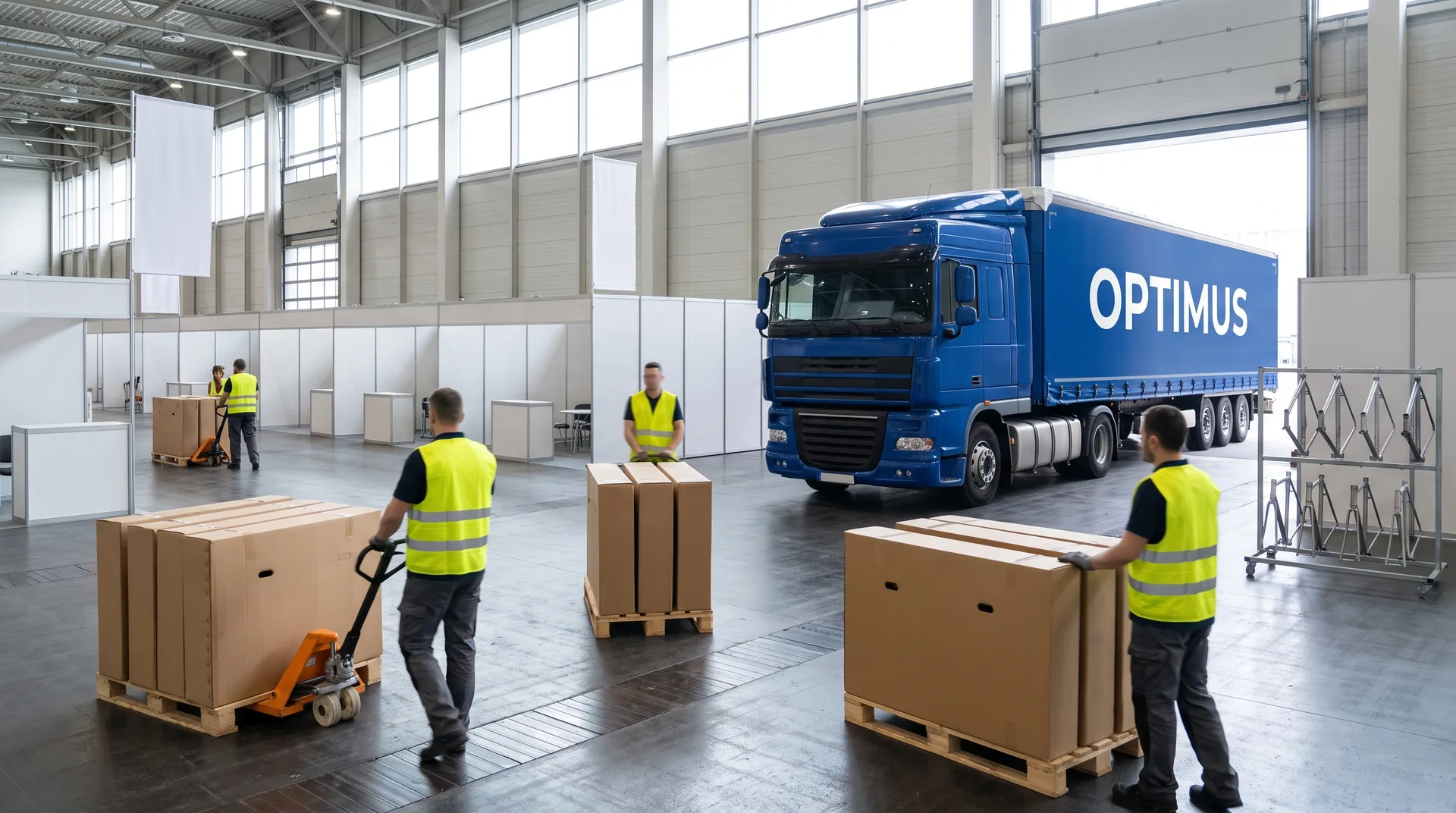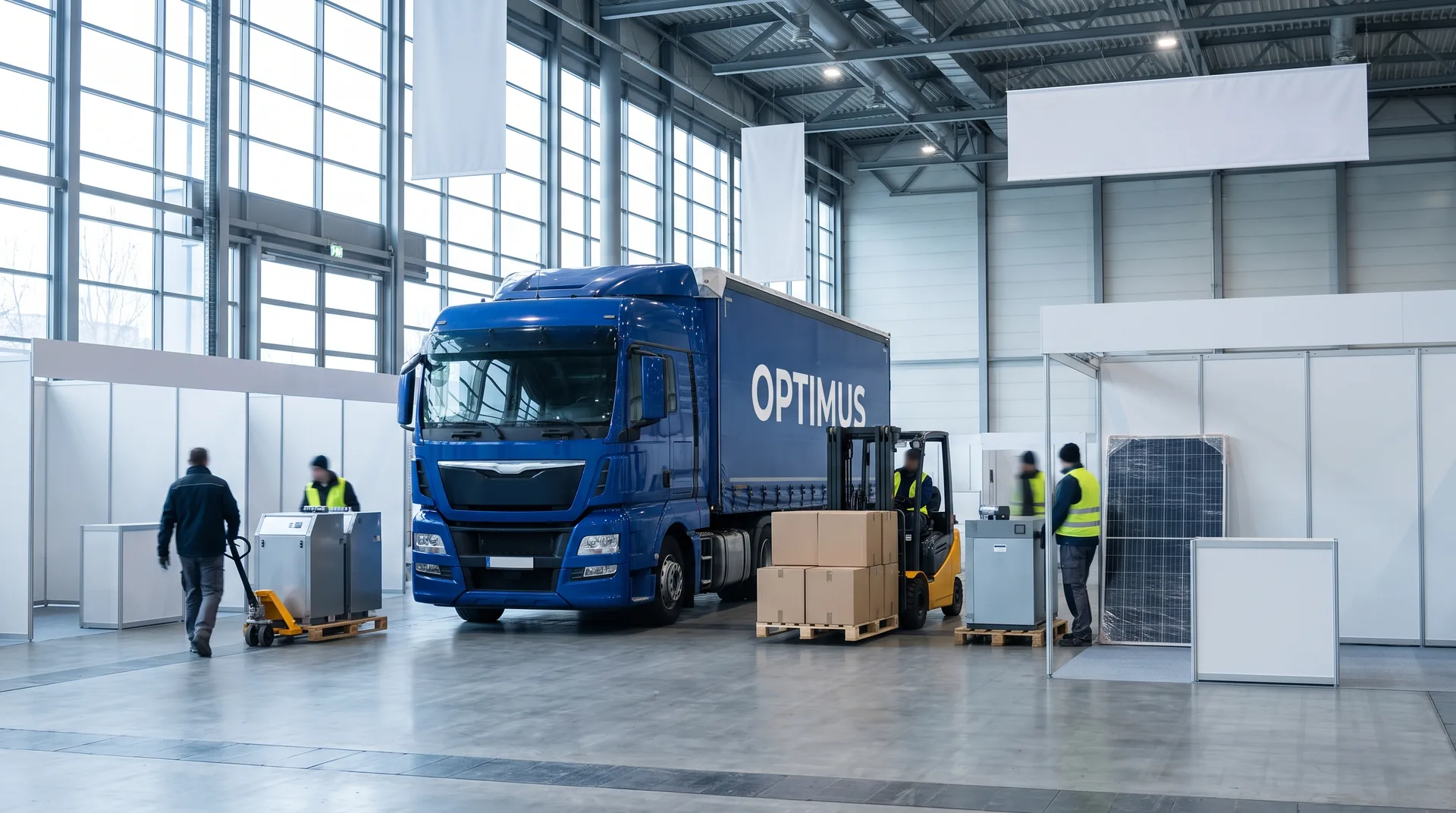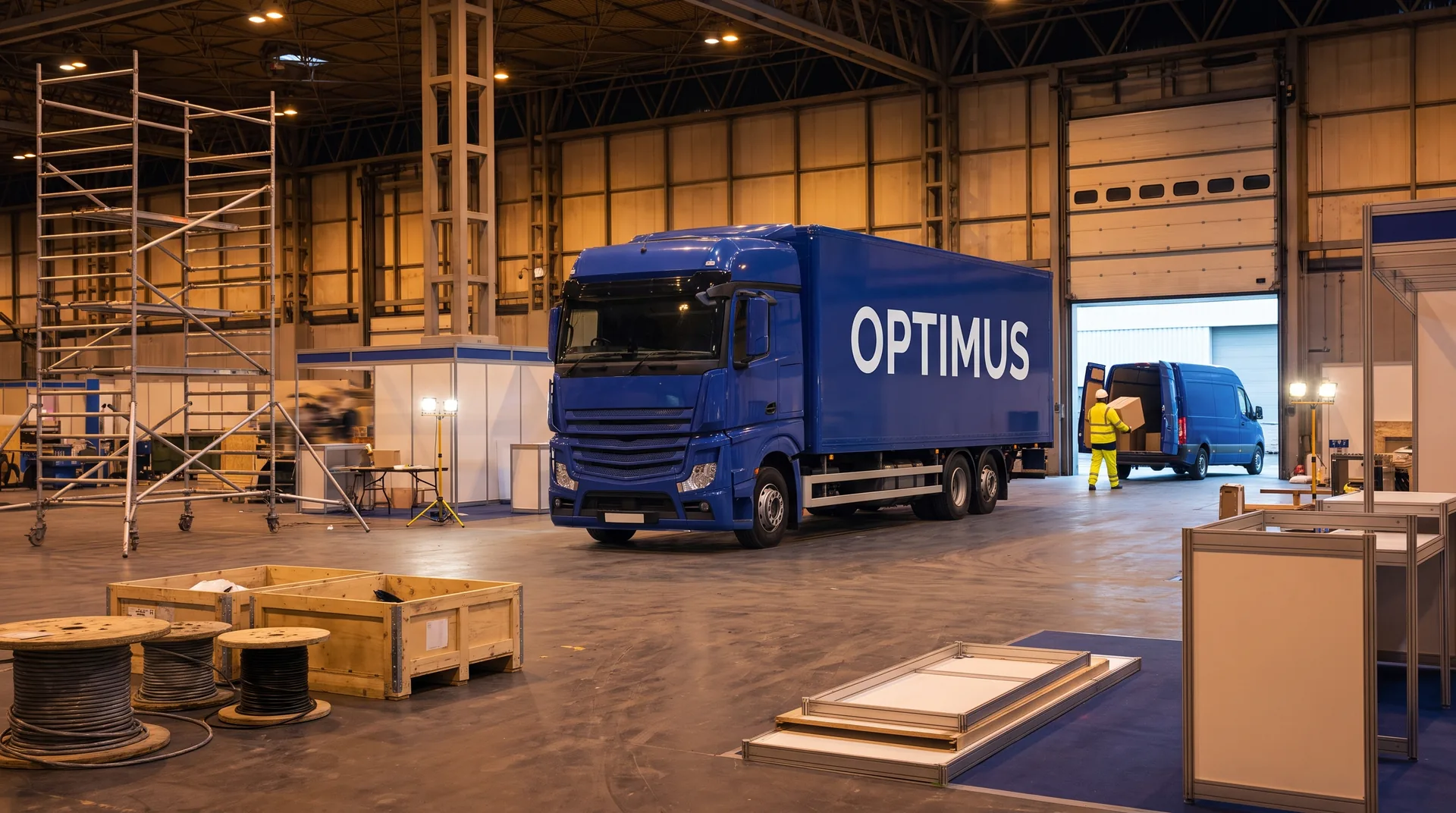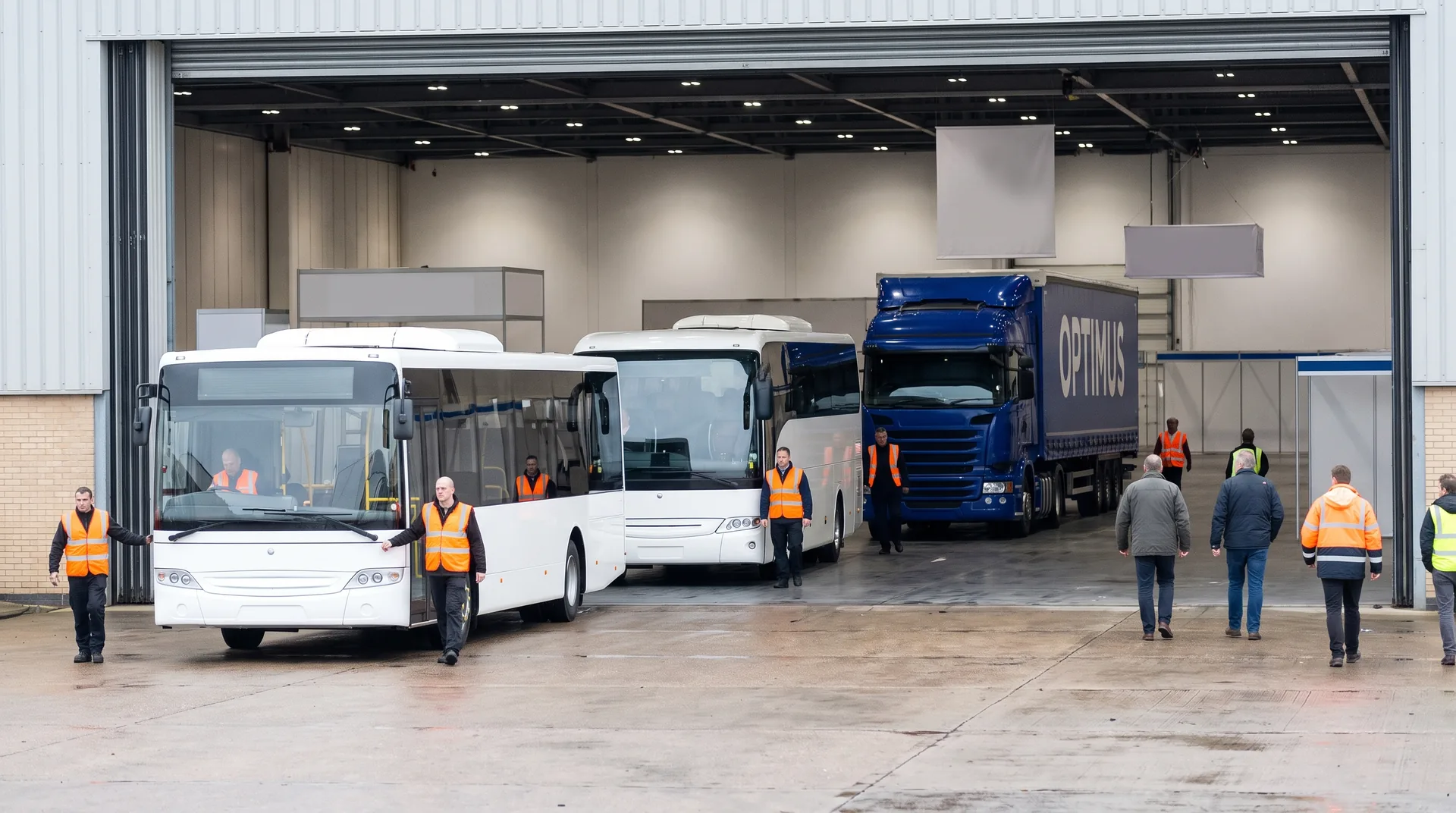
A bus can reach TRANSEXPO under its own power or on a low loader, and the choice depends on the condition of the vehicle, its registration and the venue rules. Components, meaning engines, axles, battery modules and interior parts, travel conventionally on pallets and in frames, often on a different vehicle and a different date from the bus itself.
Drive it or trailer it: what decides
A registered, roadworthy and insured vehicle can drive to Kielce on its own wheels. That is the simplest and usually the cheapest option, but it has three conditions: a suitably licensed driver, a valid roadworthiness test and certainty that the vehicle may be brought onto the site. An unregistered prototype, a vehicle with parts removed or a unit built purely for display meets none of those and must travel on a low loader.
The second criterion is surface condition. A bus driven halfway across the country arrives dirty, with insects on the front panel and salt on the sills, so it needs washing and preparation on site. A unit carried under a curtain arrives as it left the plant. At a model launch that argument often outweighs cost.
Getting a vehicle into the hall
Whether a bus fits inside a hall is decided by the door opening and clear height, not by vehicle length. Roof height with air conditioning, a pantograph or CNG tanks is often greater than the brochure suggests. Door parameters for each hall are published by the organiser and that is where the stand conversation starts. Separately, confirm whether the venue allows a vehicle to be driven inside under power or requires it to be pushed in with the engine off. The rules for entering the Targi Kielce site are published in the venue entry regulations, but the details for a given hall and show are confirmed by the organiser.
The technical side of the final metres, meaning floor loading and turning radius in the aisle, is covered in the article on unloading an oversized exhibit.
Fuel, batteries and fluids in the exhibit
A vehicle standing in a hall for several days is a fuel tank, a battery and a hydraulic system in an enclosed space. Venue rules usually require the fuel quantity to be limited, leaks to be prevented and sometimes the battery to be disconnected for the duration. The exact scope is set by the organiser in the show regulations; we ask for it before loading, because it determines the condition the vehicle must arrive in. With electric buses there is the further question of state of charge and whether charging on the stand is allowed.
Components travel differently from the vehicle
An engine, a drive axle, a wheel set or a battery module is cargo with concentrated mass that needs its own frame. An engine on a bare pallet tips at the first braking, and an axle stood upright can punch through pallet boards. So components travel in steel frames or crates, strapped through the lashing points the manufacturer provides rather than thrown over the housing.
Interior parts, meaning seats, panels, displays and validators, are the opposite: bulky and easily scuffed. They travel wrapped and interleaved, often on mixed pallets. Where the stand set is small, groupage LTL makes more sense than a dedicated vehicle, as covered in the article on a small stand and a single pallet.
Traction battery modules: when it is dangerous goods
Lithium-ion batteries are classified in class 9 for road carriage, and the detailed rules sit in special provision 188 of the ADR agreement together with related provisions. A new, functional battery, properly packed and protected against short circuit, with ratings within the limits of that provision, may be carried outside the full ADR regime. A bus traction module does not meet those limits: it is a large, high-energy unit, so it falls under the full regime, with the corresponding packaging, marking, transport document and vehicle equipment.
A separate category is a damaged or returned battery, for which the rules impose stricter conditions. It is not something to slip into a groupage load unannounced. Classification basics are gathered in the piece on ADR classes 1 to 9, and the practice of carrying such items in consolidated freight in the article on ADR in groupage LTL. Delivery itself is described on the ADR transport page.
Two dates instead of one
The bus and the components rarely travel together. The vehicle usually enters early in the build-up window, while there is still room to manoeuvre in the hall, and groupage and materials arrive later, once the stand is up. That means two orders, two windows and two sets of passes. Scheduling backwards from build-up day is covered in the article on the build-up and breakdown calendar, and entry formalities in the piece on vehicle booking and site passes. Planning deliveries against fixed windows in the automotive industry is described in the article on automotive deliveries to slots.
Sources
- Targi Kielce: TRANSEXPO, International Public Transport Fair
- Targi Kielce: site entry regulations (PDF, Polish)
- UNECE: the ADR agreement, text and special provisions
Exhibiting a vehicle or components in Kielce or at a UK show? Write through the quotation form and tell us whether the exhibit should arrive on its own wheels or on a trailer. Our fair support is on the exhibition logistics page, and UK-bound freight on the United Kingdom page.