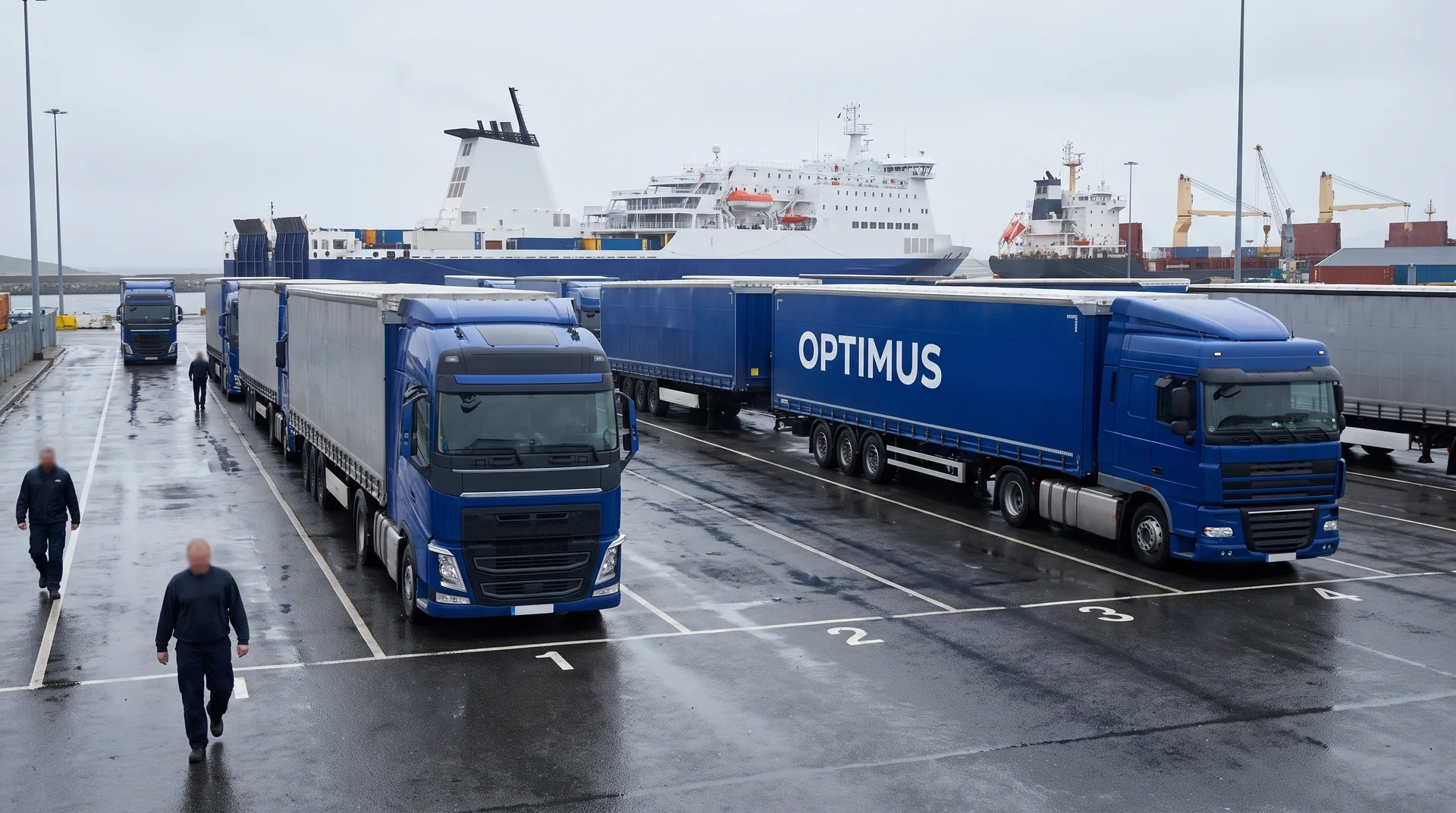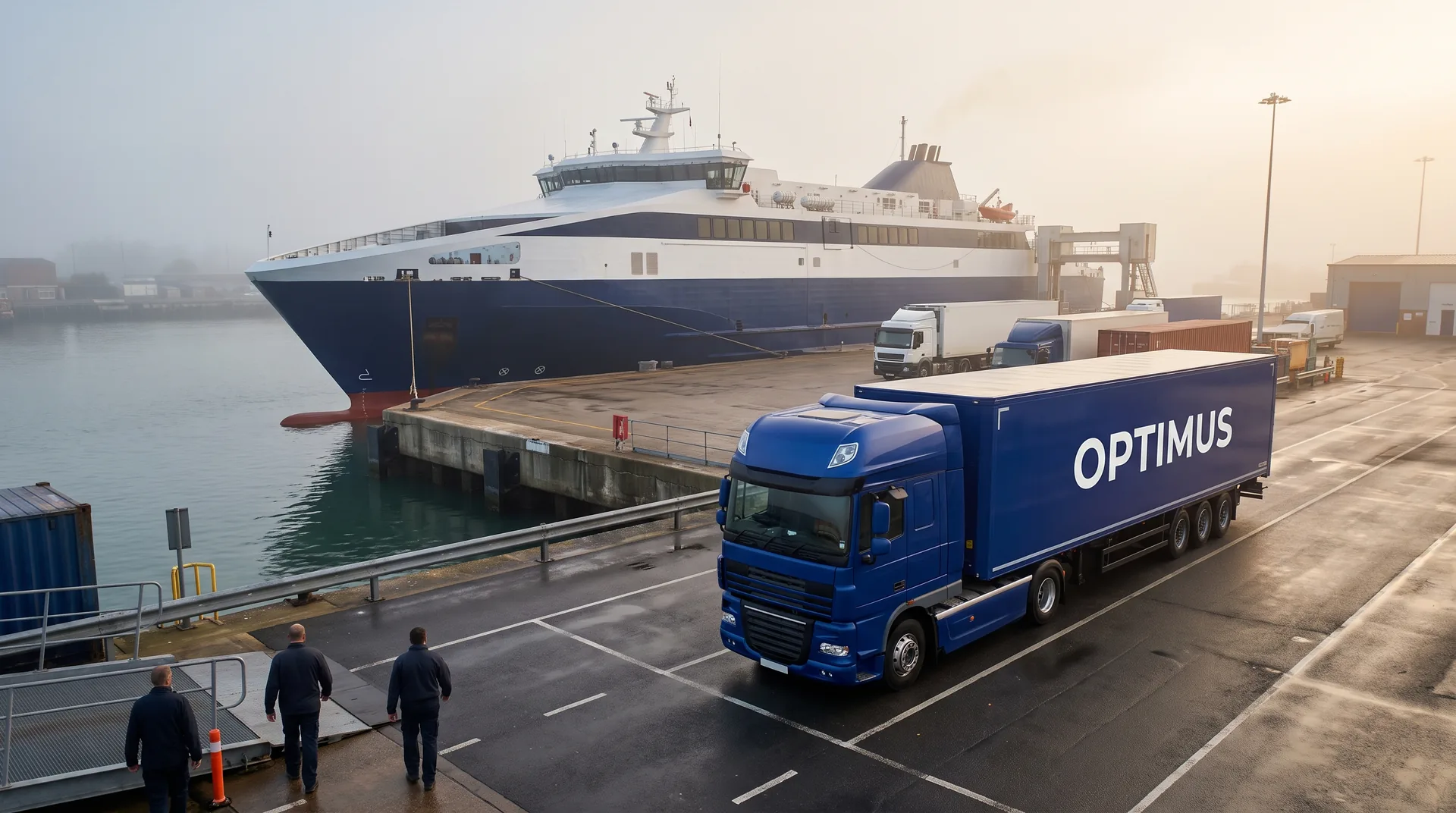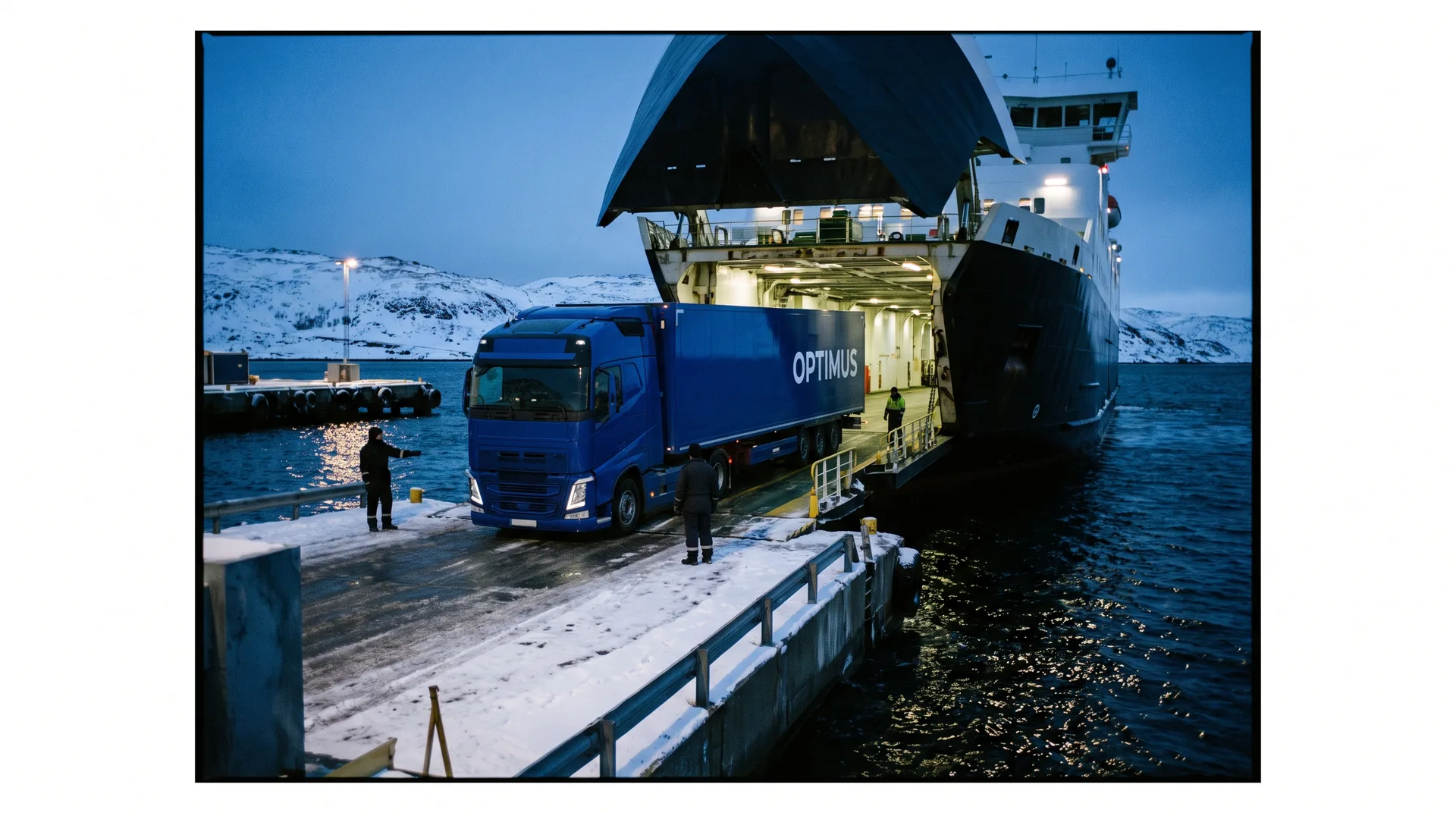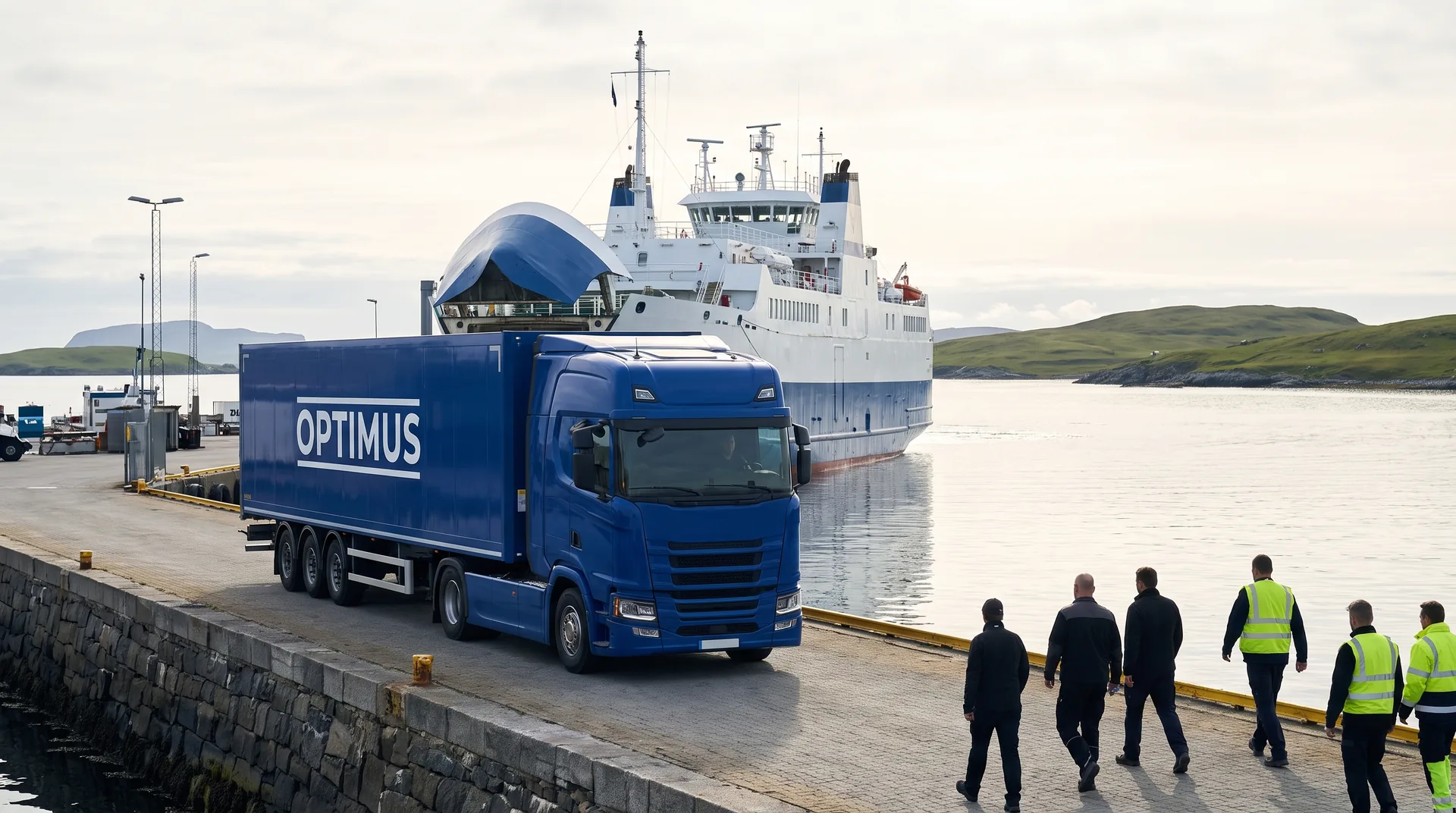
Two different ways lead to Orkney: a short crossing of the Pentland Firth from the northern tip of Scotland, and a long sailing from Aberdeen. The first is worked by NorthLink Ferries on Scrabster-Stromness and by Pentland Ferries on Gills Bay-St Margaret's Hope; the second by NorthLink from Aberdeen to Kirkwall.
Which crossings serve Orkney?
The short route crosses the Pentland Firth from the northern tip of the mainland. Two companies work it: NorthLink Ferries from Scrabster to Stromness, and Pentland Ferries from Gills Bay in Caithness to St Margaret's Hope on South Ronaldsay. The long route runs Aberdeen to Kirkwall and is operated by NorthLink. All are vehicle crossings and all take freight, but they land at completely different points and demand completely different road runs on the Scottish side.
How do the options differ in practice?
The short crossing means a long road run the length of Scotland up to Caithness, then a short sea leg. The Aberdeen sailing inverts the proportions: less road, more time at sea. For planning purposes this is not a choice between faster and slower but between two different risk profiles. The Caithness route depends on road weather and on space availability across more frequent but smaller sailings. The Aberdeen sailing depends on one long connection — miss it and the loss is bigger.
How does the crossing affect driver hours?
This is a real factor, not a detail. A long sailing lets the driver rest during carriage, which, planned properly, reshapes the working day and allows arrival on the island with a full driving allowance. A short crossing offers no such thing: the driver reaches the port after a long run and still has to deliver after rolling off. For a morning delivery slot the difference can decide the job. The rules are covered in our texts on drivers' hours and on driver hours on the Poland-UK route.
Does a longer sailing mean a cheaper delivery?
Not necessarily. Crossing cost depends on the route, the vehicle class and the booking lead time, not on how many hours the sailing lasts. Then there is the road cost: a shorter crossing means more kilometres and more driver hours, a longer sailing means fewer kilometres but a higher unit cost at sea. That is exactly why we compare the options separately at every Orkney quote instead of sticking to one pattern. How we present the line in a quote is described in our article on the crossing cost in the quote.
Booking freight to Orkney
NorthLink runs a separate freight service and requires that a vehicle used for commercial purposes be booked as freight — regardless of whether it is a van or an articulated unit. That matters, because clients sometimes assume a small van will board like a private car. It will not. The procedure is described in our article on NorthLink Ferries freight. Pentland Ferries works the Pentland Firth route commercially and also carries freight traffic; we verify the conditions with the operator on each job.
What we carry to Orkney
The archipelago has substantial agriculture and livestock, food processing, drinks production, and a strong marine energy and renewables research sector. From Poland the flow includes building materials, steel structures and components, packaging, plant equipment, machinery and spares, and trade goods. The return direction is mainly food products and goods from local producers. For chilled loads we settle conditions on board in advance — the reasoning is in our text on temperature-controlled transport.
Can a single pallet be sent to Orkney?
Yes, as groupage LTL. With one pallet groupage almost always beats a dedicated vehicle, because the crossing cost is then spread across several shippers. The condition is advance notice: the consignment has to catch a flow already heading that way. The run into northern Scotland is planned within the routes described in our article on transport to Aberdeen and northern Scotland.
Sources
- NorthLink Ferries Freight: freight service (Aberdeen-Kirkwall, Scrabster-Stromness)
- Pentland Ferries: Gills Bay-St Margaret's Hope crossing
Have a load for Orkney? Give us the postcode and date in the quote form and we will compare crossing options and show the cost of each. Our other islands are on the island transport page.