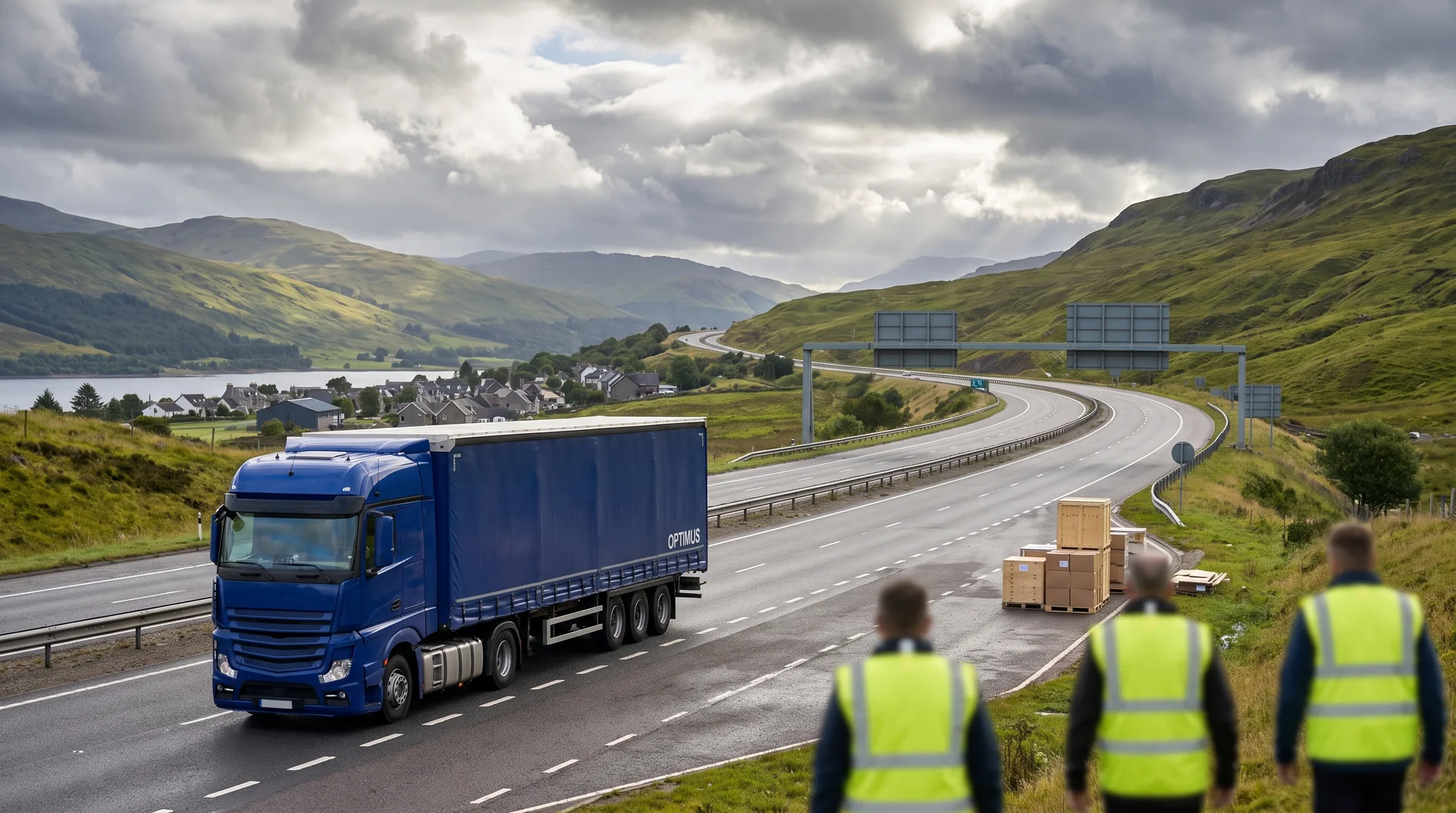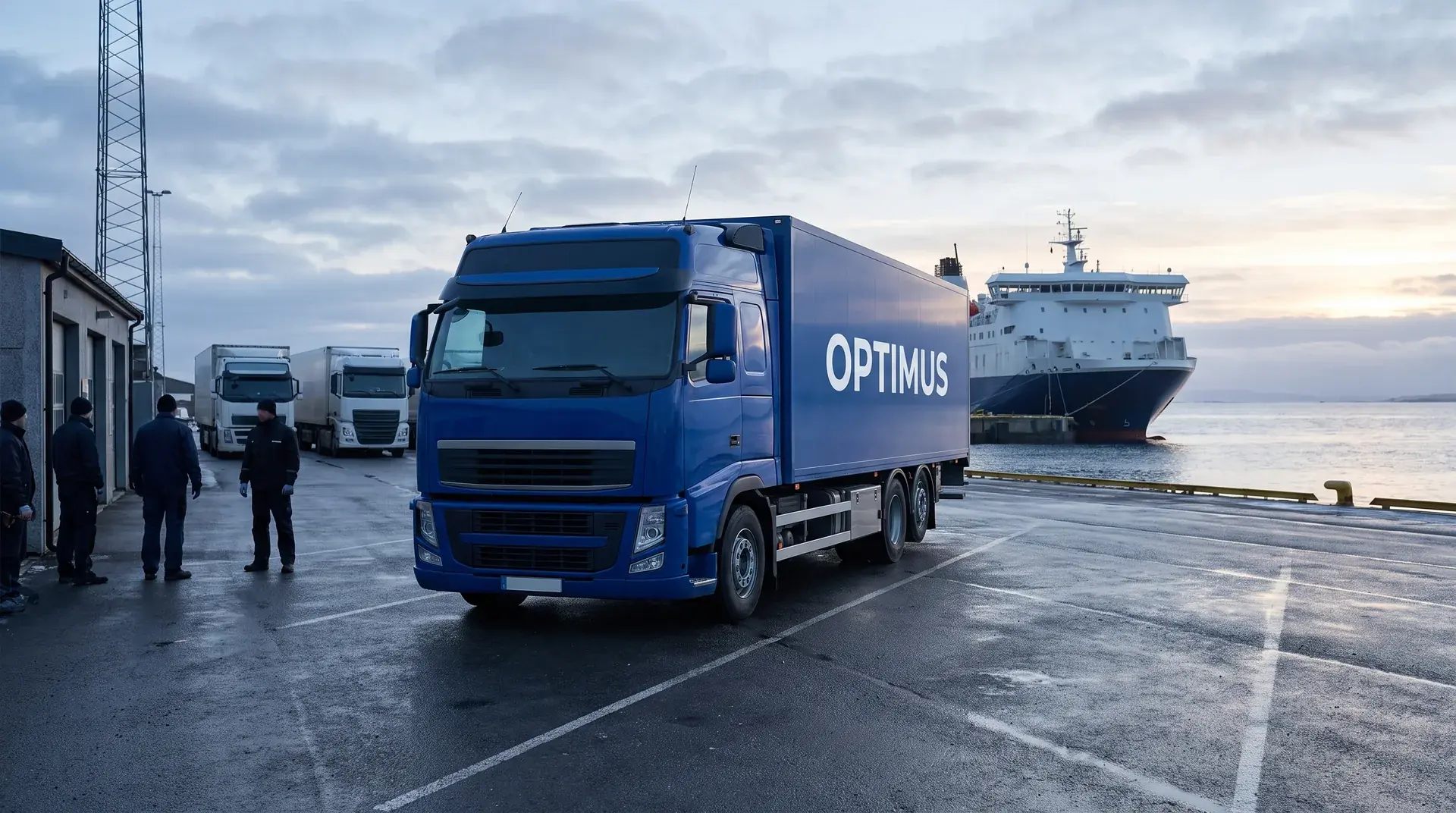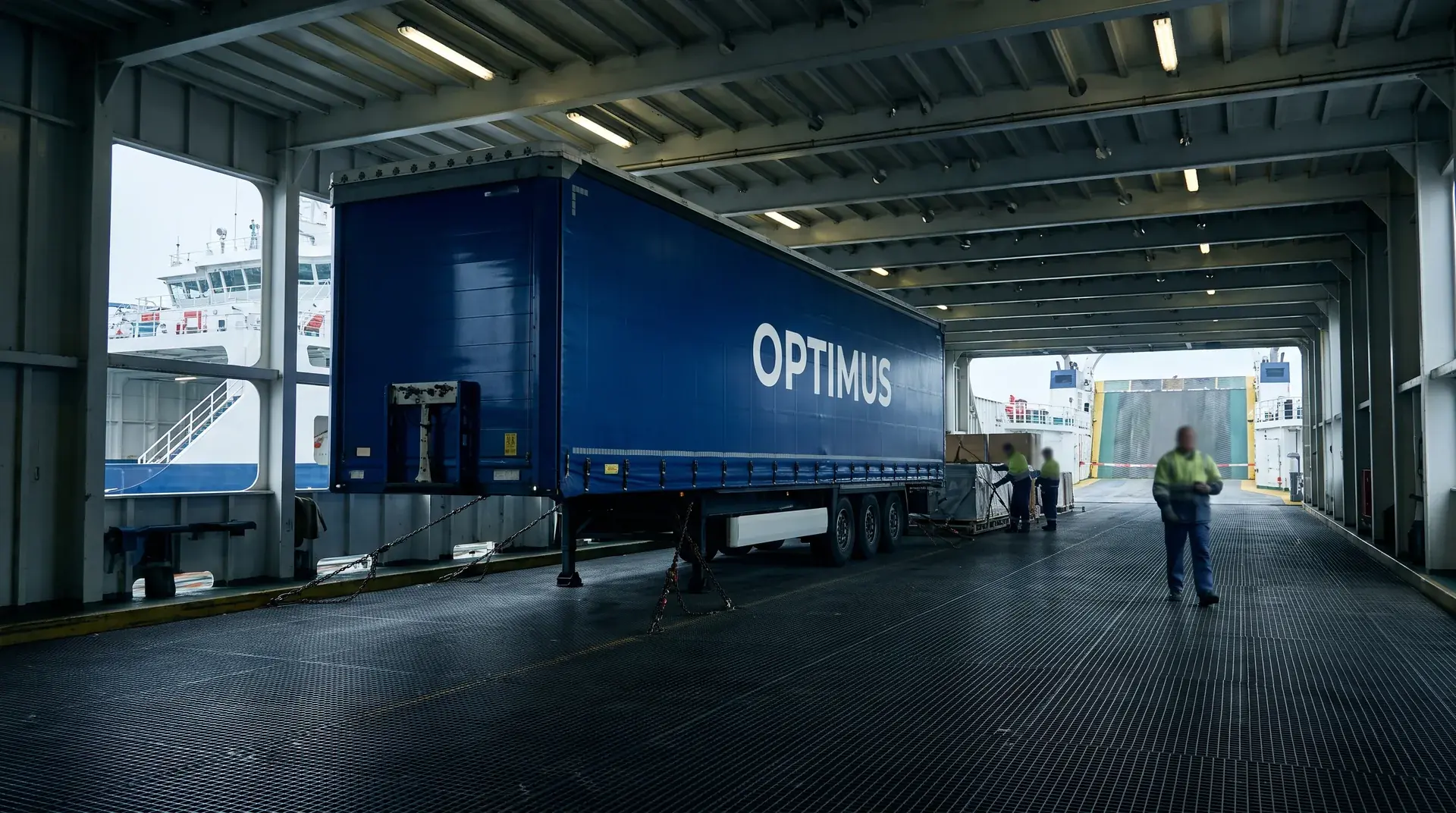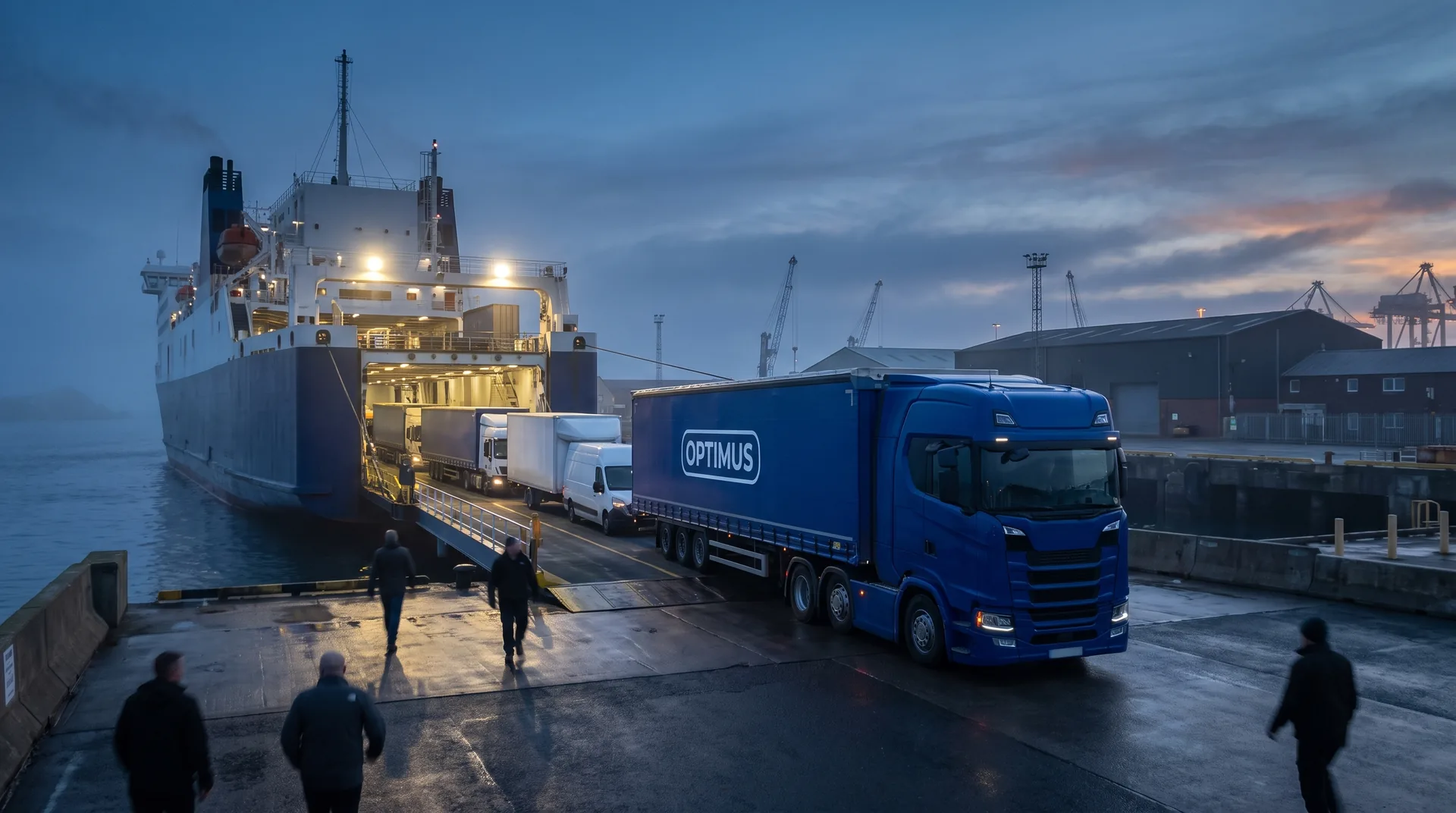
NorthLink Ferries serves the Northern Isles: Aberdeen to Kirkwall in Orkney and to Lerwick in Shetland, plus the short Scrabster-Stromness crossing. The operator runs a separate freight service and requires any vehicle used for commercial purposes to be booked as freight, regardless of its type.
Which routes does NorthLink work?
The network covers three freight relations: Aberdeen-Kirkwall, Aberdeen-Lerwick and Scrabster-Stromness, the short crossing of the Pentland Firth from the northern tip of Scotland. On its freight pages the operator states that it handles the full range of cargo — from vehicles to outsized loads, containers, livestock, fish, temperature-controlled goods and dangerous goods. For a shipper in Poland the practical consequence is that one operator closes both archipelagos, but the routes differ in sailing length, port and space availability.
How does a freight sailing differ from a passenger one?
In the Northern Isles some sailings are oriented towards cargo and some combine passenger traffic with freight. The difference is not just comfort: vehicle check-in rules, terminal reporting times and the conditions for carrying the driver all differ. So when planning a delivery it is not enough to know that a sailing exists — you have to know which kind. We verify the parameters at booking, because they differ between relations and vessels.
Can the driver sail with the trailer?
That depends on the route and the type of sailing; the rules for carrying drivers on freight movements are set by the operator and we verify them on every job. The information matters more than it seems, because it decides whether the delivery starts immediately after disembarking or whether a tractor unit has to be arranged on the island side. The consequences of both options are unpacked in our article on unaccompanied trailers on island ferries.
How far ahead is freight booked?
We do not quote a number of days, because availability changes seasonally and by relation. We do state the rule: the booking is made before the date is confirmed to the client, not after. For the Northern Isles that is no formality — heavy vehicle capacity per sailing is limited, and peak season or delivery surges can exhaust it. How the date is built is described in our text on the time buffer for island deliveries.
What details are required?
- Carrier and vehicle details with dimensions and gross combination weight.
- The relation and preferred sailing, with an alternative in case space is gone.
- The nature of the cargo, including dangerous goods or a required temperature.
- The carriage format: accompanied or unaccompanied.
The more complete the first submission, the smaller the risk the booking diverges from reality at the terminal. The analogy with Channel crossings is described in our text on what a freight ferry booking includes.
Sensitive cargo and dangerous goods
NorthLink lists temperature-controlled foodstuffs and dangerous goods among the categories it handles, which matters to shippers in the food and chemical sectors. That is only the starting point, though: the specific conditions, including whether a refrigeration unit can be powered and which ADR classes are accepted, are settled at booking. The rules for dangerous goods on island crossings are described in our article on ADR on island ferries, and temperature questions in our text on temperature-controlled transport.
How NorthLink fits our route from Poland
Cargo from Poland clears customs, crosses the Channel, runs north, and Aberdeen or Scrabster becomes the last land point before the sailing. The run into northern Scotland is planned within the routes described in our text on transport to Aberdeen and northern Scotland. The choice between the short crossing and the long sailing is decided job by job; the criteria are set out in our article on choosing the Orkney crossing, and the specifics of the longest sailing in our text on transport to Shetland.
The sailing cost in the quote
We show it separately, because it is a variable cost: it depends on the relation, the vehicle class and the booking lead time. On groupage it spreads across several shippers; on a dedicated vehicle it loads a single job in full. The principle is explained in our text on the crossing cost in the quote.
Sources
- NorthLink Ferries Freight: freight service and vessel parameters
- NorthLink Ferries: commercial vehicles and the freight booking requirement
Need a delivery to Orkney or Shetland? Send the details through the quote form and we will check the sailing and give you a date with the crossing cost. All island destinations are on the island transport page.