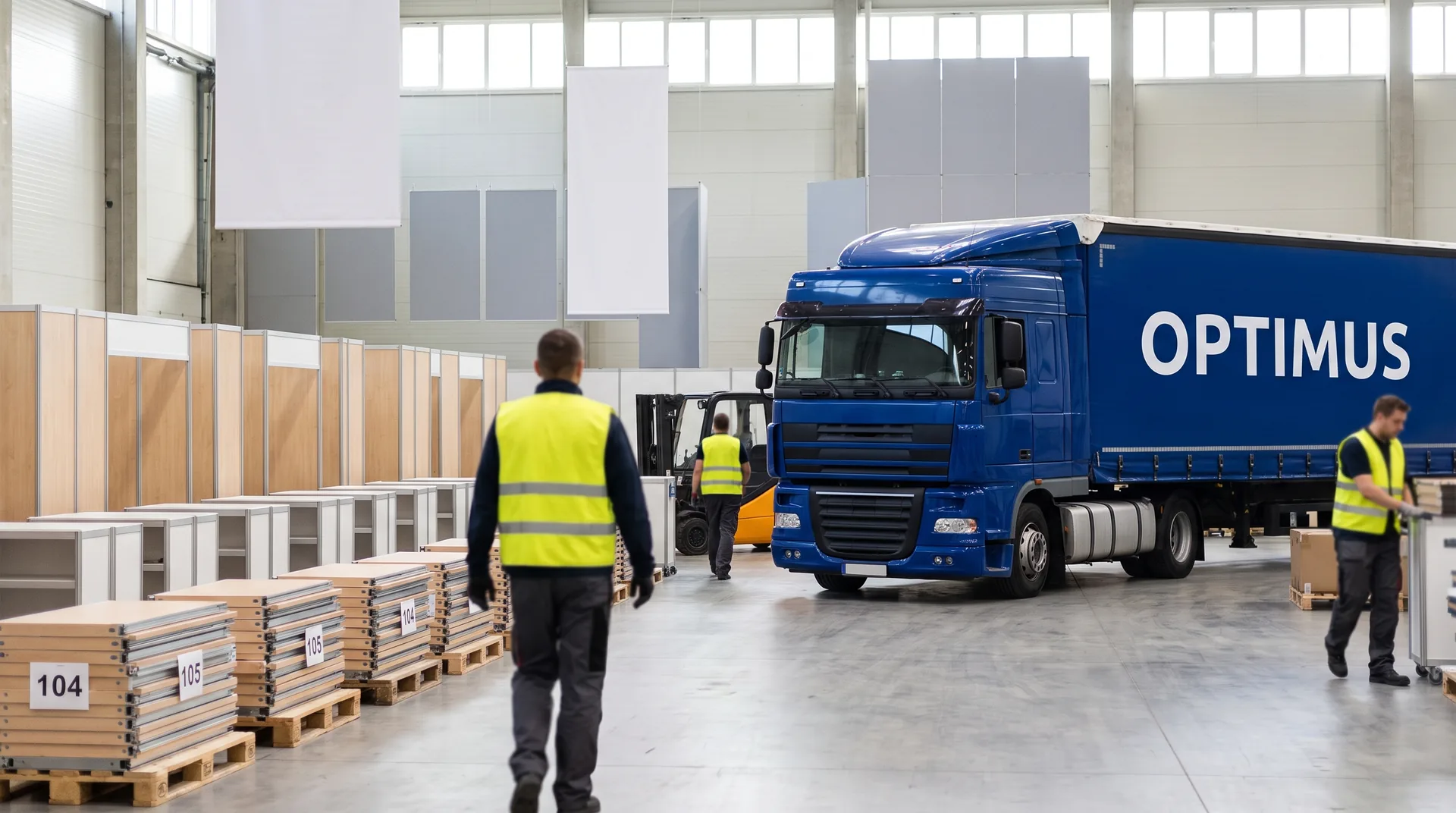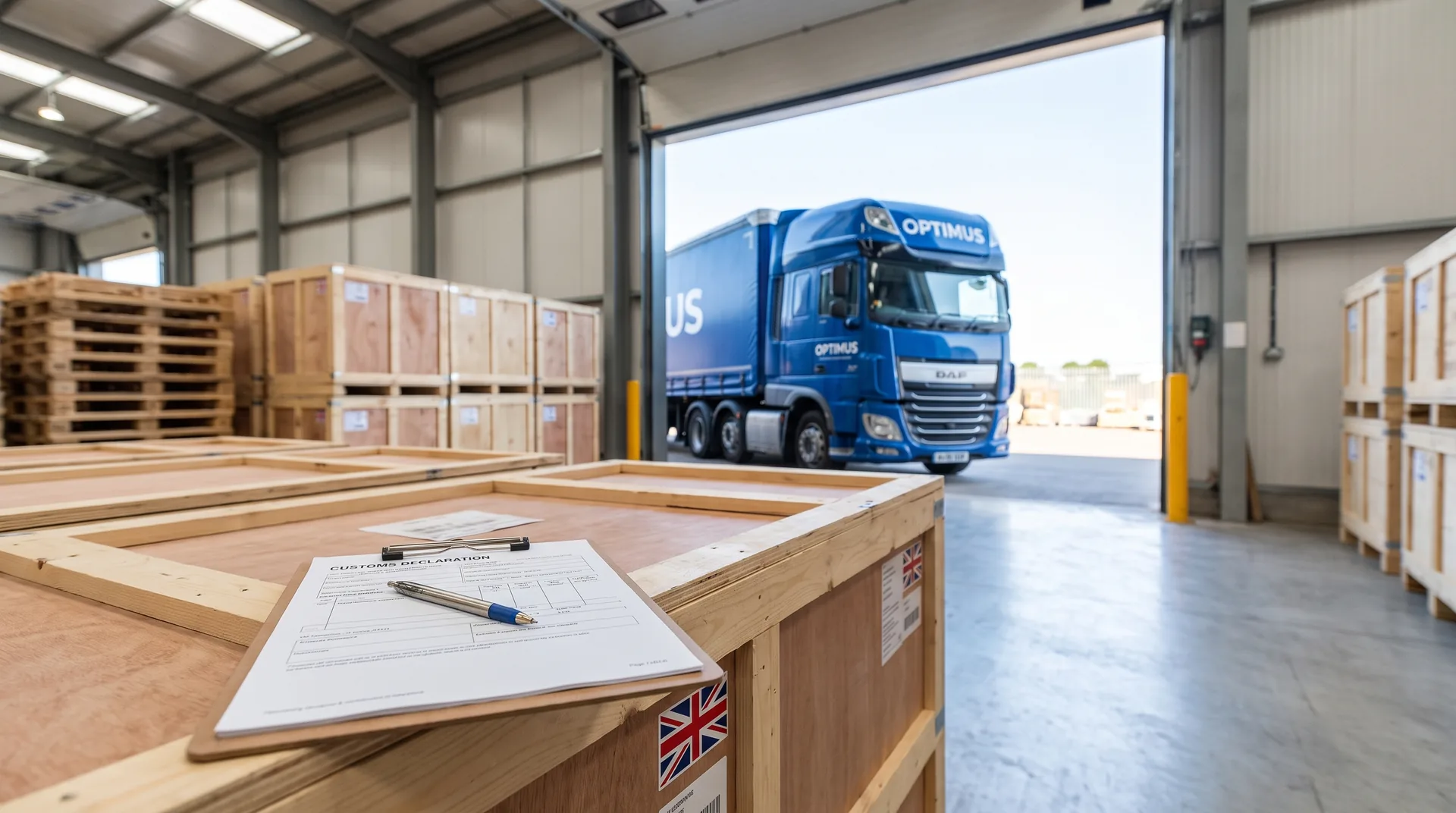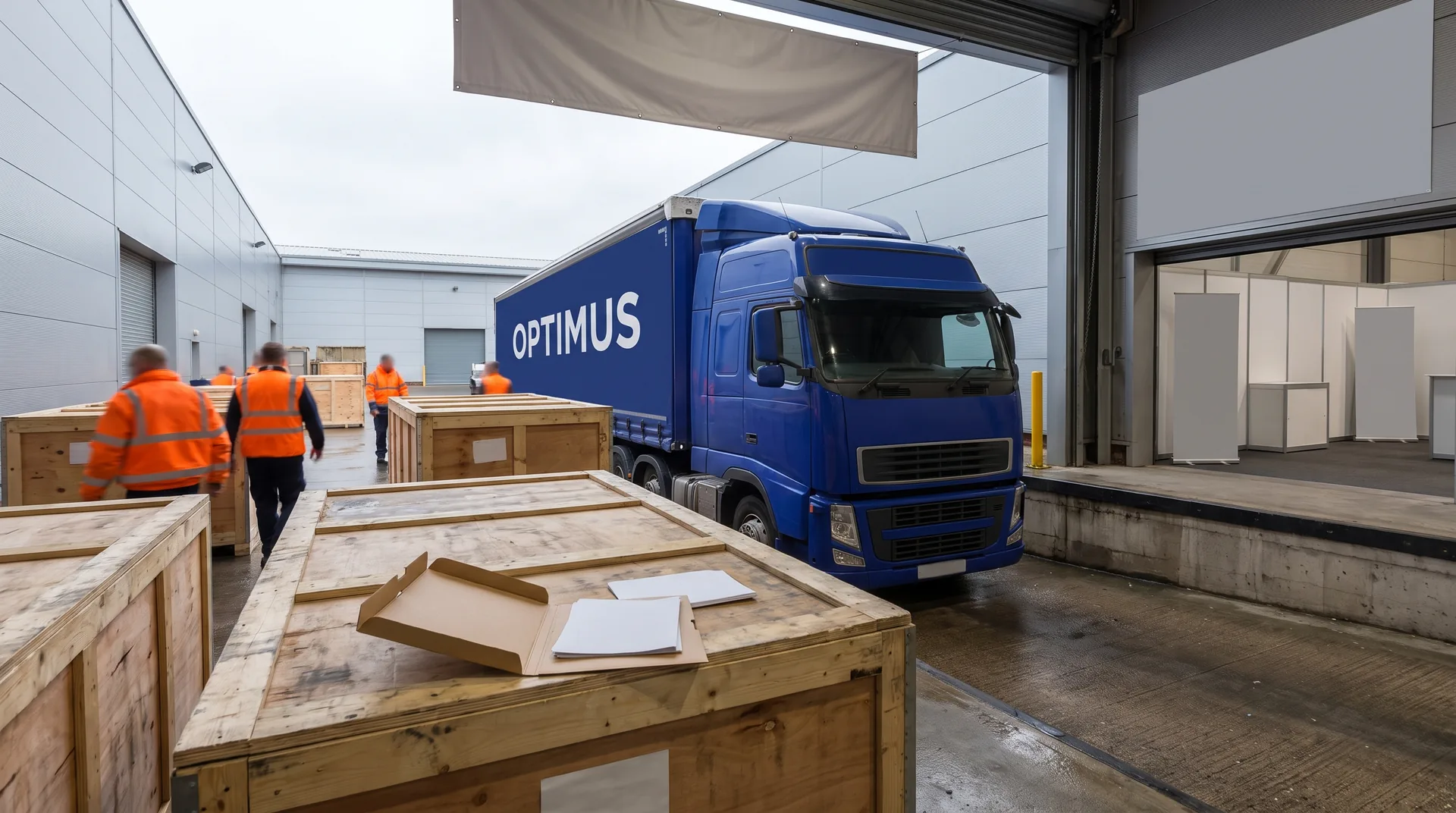
A British exhibitor obtains an ATA carnet from a chamber of commerce in the UK, not in Poland. The national guaranteeing organisation there is the London Chamber of Commerce and Industry, which has appointed a network of issuing chambers. The document collects a set of stamps at every border crossing and must return discharged for the security to be released.
Who issues ATA carnets in the UK
Carnets are issued by chambers of commerce appointed by the London Chamber of Commerce and Industry, which acts as the national guaranteeing organisation for the UK, trains issuing staff and is ultimately responsible for carnets issued in the country, as well as guaranteeing foreign carnets used in Britain. Operationally this sits with a dedicated LCCI unit working with the International Chamber of Commerce, the World Customs Organization and the British customs administration.
For a Polish counterparty the practical conclusion is simple: a British carnet cannot be issued in Poland, or the other way round. The carnet is always issued by a chamber in the country the goods temporarily leave. The Polish procedure, run by the Polish Chamber of Commerce, is covered in the article on how to get an ATA carnet, and the concept itself in the piece on what an ATA carnet is.
The general list: where most cases are won or lost
The general list itemises the goods covered by the carnet and decides whether the document works. Each entry needs a description allowing unambiguous identification, the number of pieces, weight or dimensions, value and country of origin. A description reading exhibition materials is useless: the officer has to identify a specific item on departure and the same item on return. Serial numbers, where they exist, always go in.
Two typical mistakes: leaving out small accessories that are in fact travelling in the crate, and entering a collective line instead of itemising. Both surface at the border or, worse, on the return, when it turns out you cannot evidence the return of something that was never listed. The consequences of an undischarged document are in the article on an undischarged ATA carnet after a fair.
How many stamps the carnet collects between Britain and Poland
The basic set is four operations. Temporary export from the UK, confirming the goods left the country. Temporary import into the European Union, done at the first customs office on the EU external border rather than in Poland; after that clearance the goods move within the EU customs territory with no further declarations. Then re-export from the EU and re-import into the UK. If the route passes through a country outside both the EU and the UK, transit vouchers are added.
For the driver the consequence is one: the carnet must physically be in the vehicle and must be presented at each of those points. A missed stamp is not a formality to catch up on later but the absence of evidence that the goods actually left or returned. Discharging the document is covered in the article on ATA carnet return and discharge.
What happens if part of the exhibit is sold in Poland
An ATA carnet covers goods imported temporarily with the intention that they return. A sale off the stand cancels that intention for the item sold: it will not return, so the carnet cannot be discharged for that part and import charges become due in the country of import. Selling is possible, but it requires the customs position of the sold item to be regularised, meaning declaring it for release for free circulation and settling the charges. That is not done afterwards or over the phone; it is a separate procedure to be anticipated before the show. We develop the topic in the article on the ATA carnet and goods sold at a fair.
Security and cost on the British side
The issuing chamber requires security, the level of which depends on the value of the goods and the destination countries. The security is released once the document is properly discharged. That is why discharge is not a favour to the authorities but the holder own interest: while the document stays open the money is tied up, and in the event of a claim the guaranteeing organisation pursues the carnet holder. Fee and security levels are published by the issuing chamber and that is where to check them, because they differ between chambers and change over time.
Could you use an ordinary clearance instead?
You could. The alternative is temporary admission with a customs declaration and security lodged in the country of import. It can make sense where the exhibit goes to one show in one country and the item list is short. The carnet wins when there are several shows, several countries, or when the same set has to travel through a whole season: one document then covers many crossings instead of generating a separate declaration each time. Discuss the choice with a customs agent before producing the paperwork. Our clearance practice on UK routes is on the customs clearance page.
The transport side: what we do
We collect the exhibit from its UK address, carry it to Kielce and bring it onto the site within the build-up window, then collect it after the show and take it back. The carnet travels with the freight and is presented at every stage. If the load has to wait between arrival and site entry, we use the buffer, described in the article on the buffer warehouse next to Targi Kielce. The British exhibitor perspective is gathered in the article on a UK exhibitor at Kielce fairs, and the step-by-step version in the piece on the ATA carnet step by step.
Sources
- London Chamber of Commerce and Industry: ATA Carnet FAQs
- UKNATACO: administration of the ATA carnet scheme in the UK
- GOV.UK: How to use your ATA Carnet
- Polish Chamber of Commerce: ATA carnets in Poland
Exhibiting in Kielce with an exhibit coming from Britain? Send the item list and show dates through the quotation form and we will build the transport around the carnet schedule. See also the exhibition logistics page and the United Kingdom direction.