Carrier liability in international carriage runs from taking over the goods to delivering them and is capped by gross weight. While an exhibit stands on a stand it is no longer in carriage and the carrier policy does not protect it. That gap is closed by separate exhibition property cover, taken out by the exhibitor.
Four phases and four different regimes
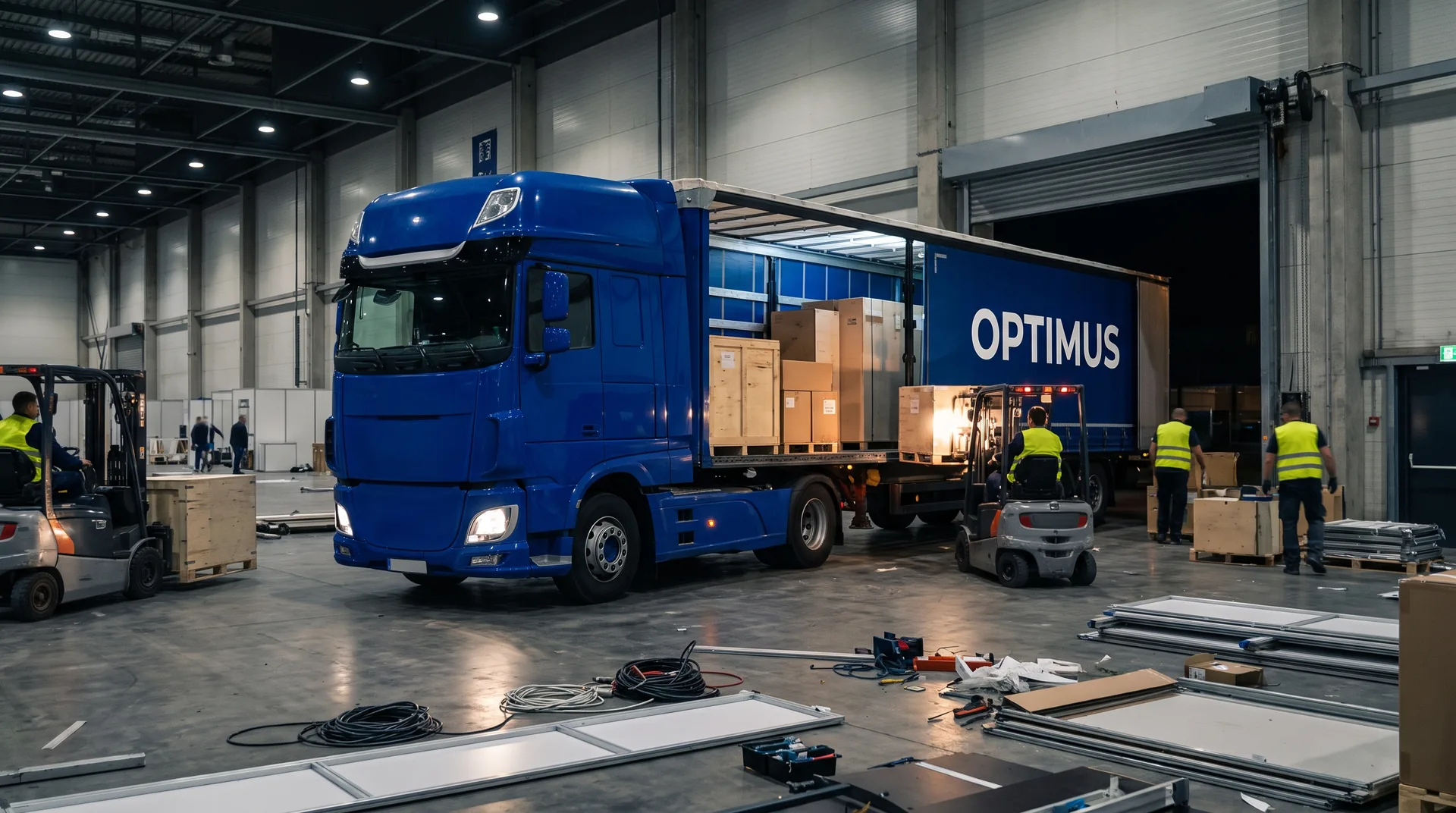
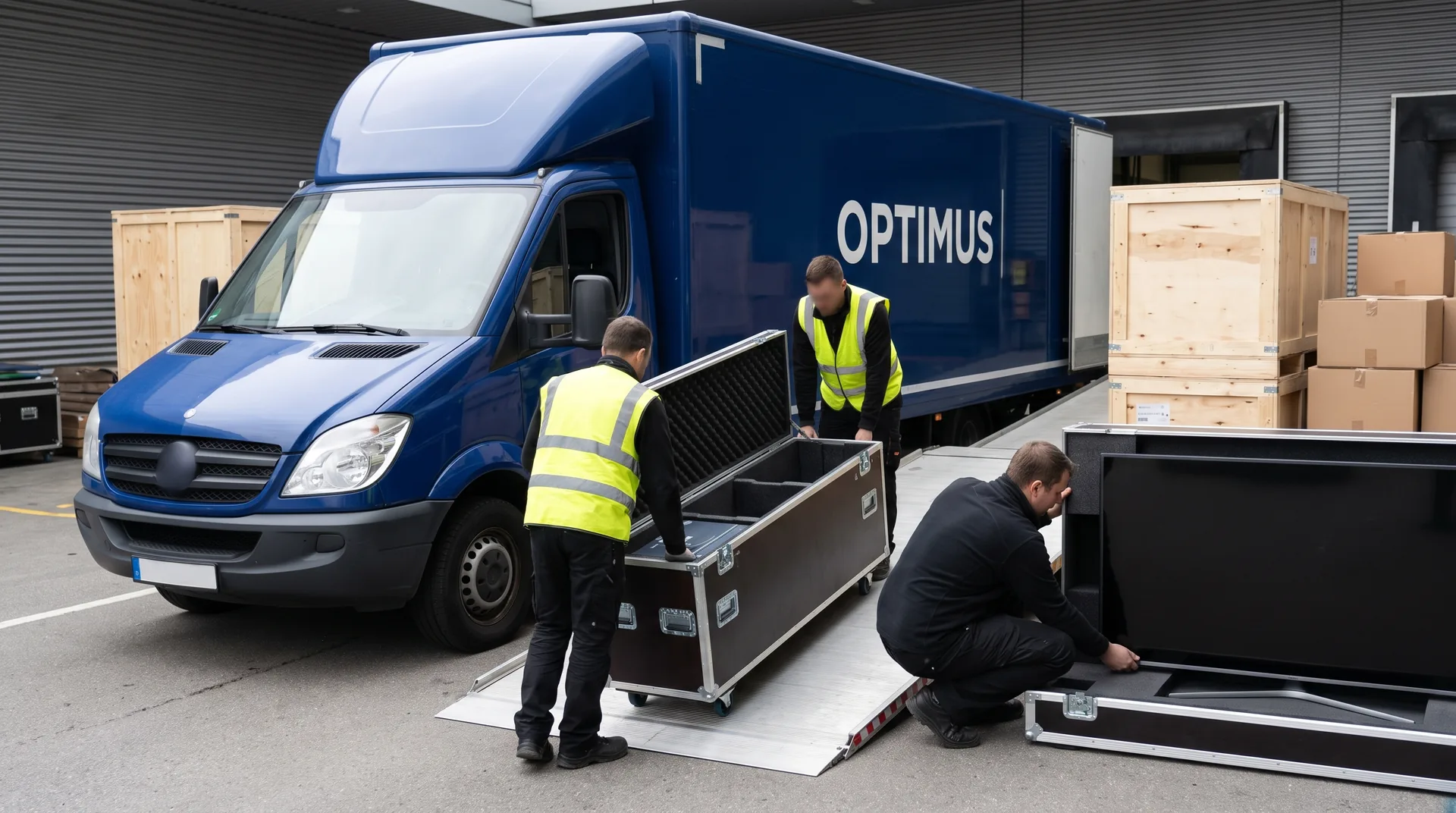
Phase one is carriage from the loading point to the venue, governed by the carrier under the CMR convention on international runs, with the weight-based cap. Phase two is unloading and bringing the exhibit onto the stand, where the venue crew or the operator appointed by the organiser joins the carrier, and liability depends on who actually performed the operation. Phase three is display: the exhibit stands, carriage has ended, and loss can come from theft, water damage, a short circuit in the stand wiring or damage by a visitor. Phase four is the return, back under the carriage regime.
Most misunderstandings concern phase three, because it is the longest and apparently the safest. That is when the exhibit sits outside any carrier policy, and often outside the company property policy too, which covers goods at owned locations rather than on someone else site.
Why a weight-based cap fails an exhibit
Because exhibits are usually light relative to their value. An electronics prototype, a demonstration model, a one-off work or a device with embedded software has a replacement value many times what its weight would suggest. The cap makes sense for bulk freight, where weight correlates with value; with an exhibit that correlation disappears. The mechanism and the calculation are in the article on carrier liability and the 8.33 SDR limit. Church furnishings fall the same way, where a stained-glass panel or a sculpture has a replacement value bearing no relation to its weight; we cover it in moving church furnishings to SACROEXPO in Kielce.
The convention allows the value of the goods to be declared above the cap, raising the liability ceiling against a surcharge. That works within the carriage phase and is worth using, but it still does not cover the days the exhibit spends on the stand.
Carrier liability cover and cargo cover are two different things
Carrier liability insurance protects the carrier against claims and operates within the limits of that liability, meaning within the convention cap and subject to the exclusions written into the policy. Cargo insurance protects the goods themselves and is normally taken out by the owner or by a forwarder on their behalf. With a high-value exhibit it is cargo cover, not liability cover, that is the right instrument. We set out the differences in the article on carrier liability versus cargo insurance and in the piece on when to add cargo cover.
Exhibition cover: who takes it out
Exhibition property insurance is taken out by the exhibitor, because they own the exhibit and they decide the scope. A typical scope runs from loading, through display, to the return, joining phases that the carriage regime keeps separate. Terms, exclusions and requirements about securing the stand differ between insurers, so confirm the scope with your own insurer before the show rather than assuming it. Some organisers offer insurance packages alongside space; that is a separate offer on separate terms.
Condition records: what actually settles a dispute
Whatever the policy, a dispute is settled by evidence. Three moments are worth photographing: the condition at loading, the condition after unloading and before placement on the stand, and the condition when packing for the return. Add a note on the consignment note if damage is visible at delivery. Without that material the dispute becomes one word against another, and with four parties at one unloading nobody can pin down when the damage occurred. Notification rules are in the article on CMR claims and damage reports, and the report format in the piece on an inspection report for the insurer.
Who answers for damage during assembly
Whoever performed the operation, though in practice you first have to establish who that was. If equipment and crew inside the hall belong to the operator appointed by the organiser, liability for damage while moving the exhibit sits with them rather than with the carrier who handed the freight over at the gate. That is why the handover should be documented. The split of roles is covered in the articles on responsibilities at a trade fair and on the official fair forwarder.
A practical order of steps before the show
Establish the replacement value of the exhibit, not the book value. Check whether your property policy covers goods away from your premises. Ask your insurer about cover during display, including exclusions and requirements for securing the stand. Agree with the carrier whether you want to declare a value above the convention cap. Record the condition before departure. Five steps, none of which needs a lawyer, and together they close the gap most people discover after the fact.
Sources
- UNECE: the CMR convention and road transport work
- International Monetary Fund: special drawing rights (SDR)
Moving a high-value exhibit to a Kielce fair or to the UK? Send the value and nature of the cargo through the quotation form and we will advise on what to secure on the carriage side. See also the exhibition logistics page and cargo inspection.