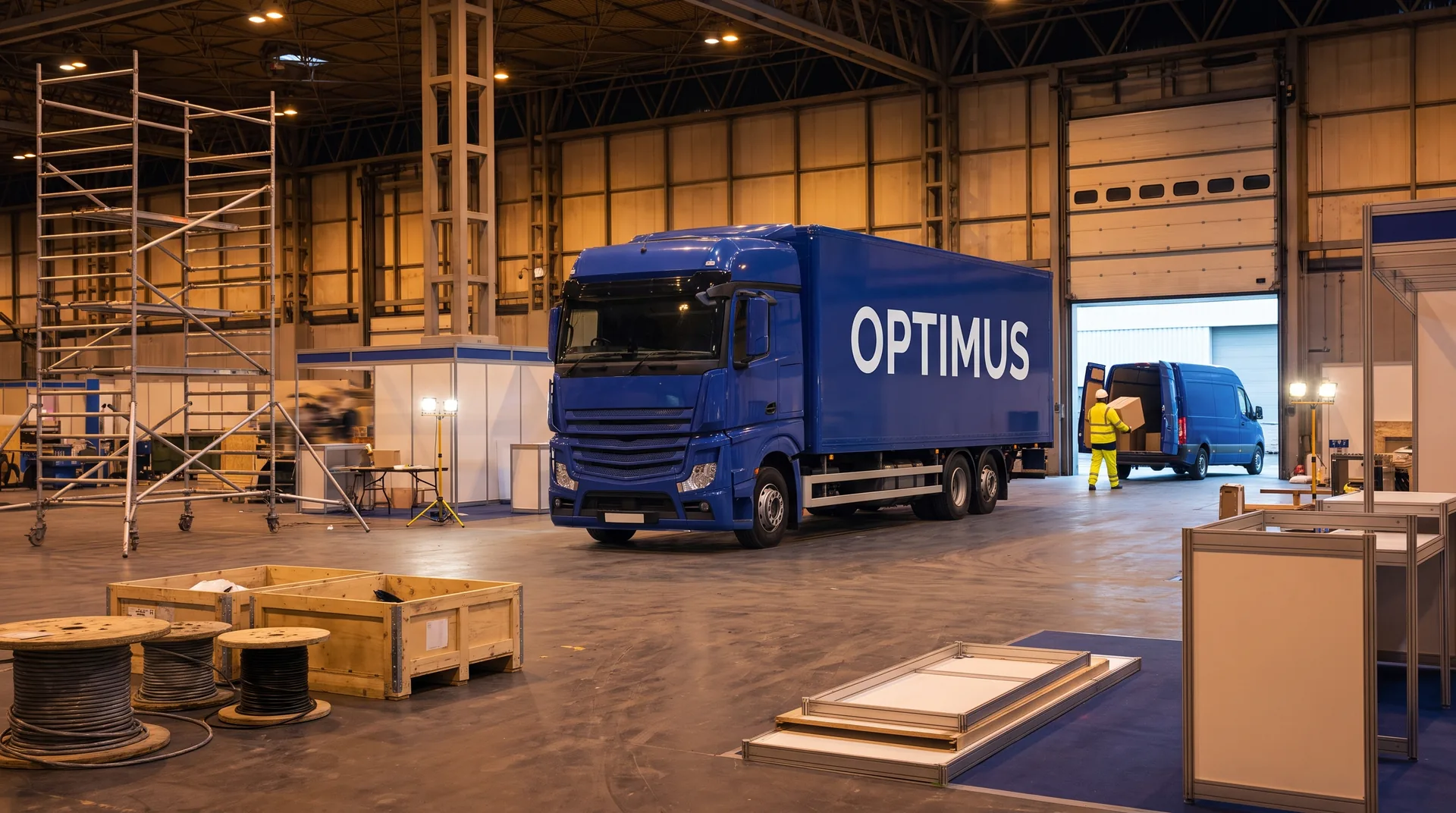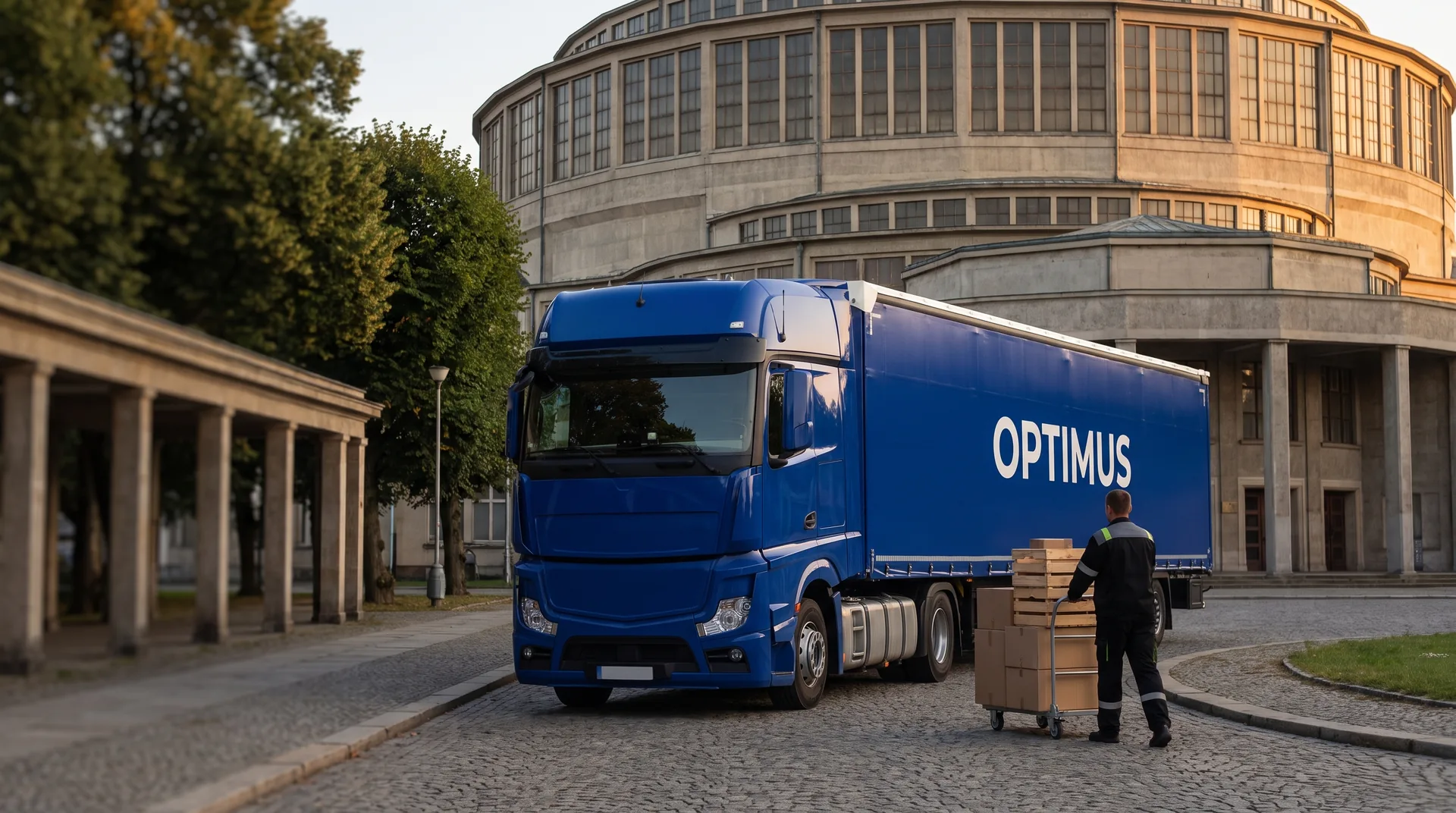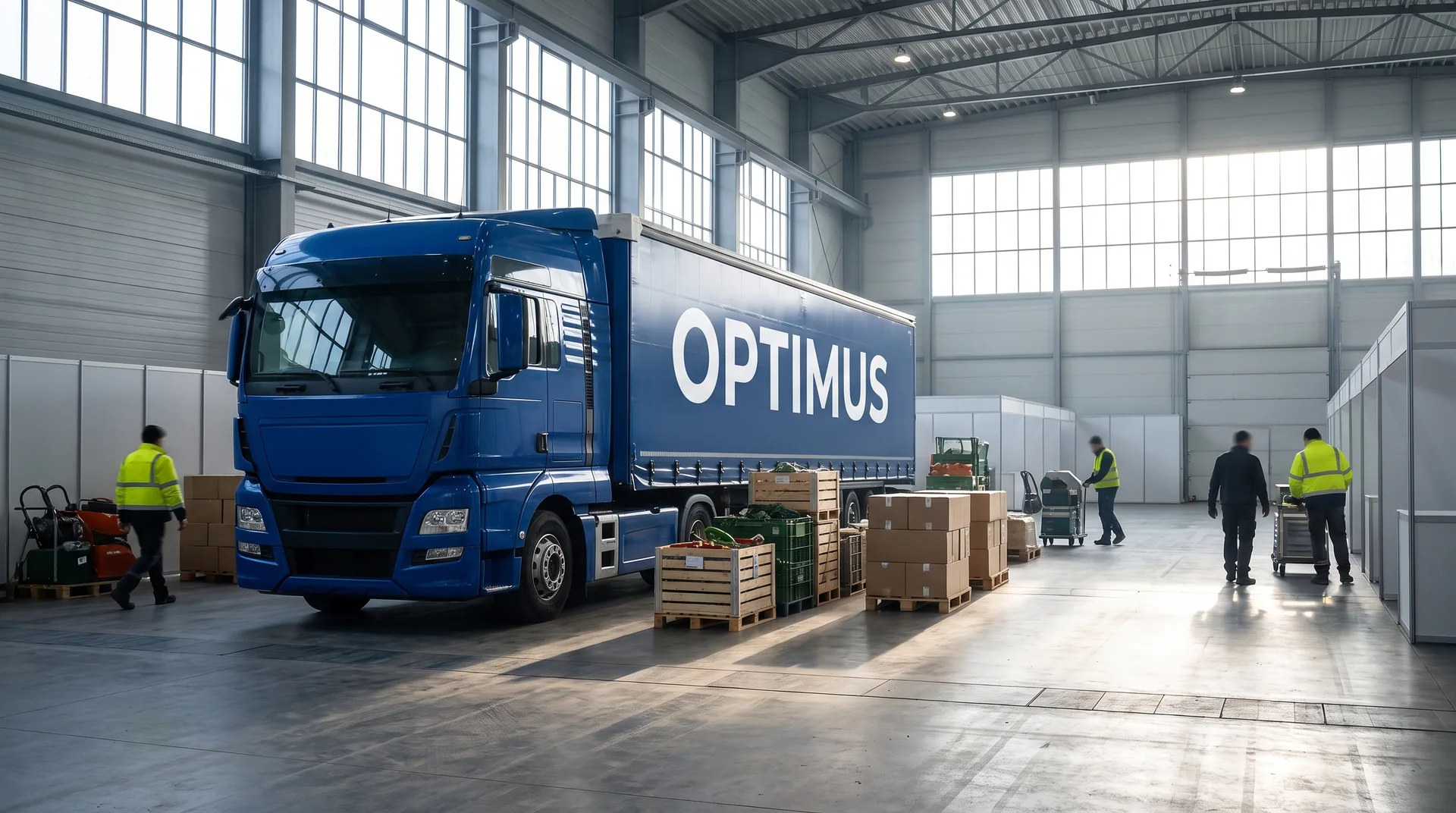
At a winter show the greatest risk is not in the run but in the standing: in the queue at the gate, during unloading and in the hall after it closes for the night. So frost-sensitive freight is planned to keep the time between leaving the trailer and reaching the stand as short as possible, rather than simply put into a reefer.
In winter a reefer protects against cold, not heat
A refrigerated trailer is a device for holding a set temperature, not for cooling. In winter its role reverses: the unit heats so the interior does not drop below zero. That is why nursery stock, young plants, fruit and anything that freezes travel in winter under controlled temperature for exactly the reason dairy does in summer. We describe such carriage on the refrigerated transport page and in the article on temperature-controlled transport.
One thing is easy to forget: the unit works while the vehicle stands loaded. Once the doors open and unloading begins, the protection ends. That is the moment when damage most often happens, and most of the measures below address it.
What happens to cargo in the queue at the gate
During the build-up window many vehicles arrive at the apron at once. A queue is a normal part of that day, and in freezing weather it is a real risk for sensitive freight if the engine and unit are switched off or if part of the load has already been set down outside. So for winter shows we agree three things in advance: the unit runs until the vehicle is on the unloading point, sensitive freight comes off last, and no pallet is left outside waiting for a forklift. The formalities that decide your place in the queue are covered in the article on vehicle booking and site passes.
Nursery stock and young plants
Plants displayed in winter usually come from cold stores with controlled temperature and humidity. Taking them out for a dozen hours of transport and several days of display is a stress independent of frost: dry hall air can harm them as much as a cold ramp. Two practical conclusions follow. First, plant material is packed to limit evaporation, not only to keep it from freezing. Second, the shorter the time between cold store and stand the better, so delivery is planned for the end of the build-up window rather than its start.
This is where a buffer near the fairground earns its keep: the load arrives early and waits in controlled conditions instead of standing in the yard. We describe the mechanism in the article on the buffer warehouse next to Targi Kielce.
Fruit and vegetables for a tasting stand
Produce intended for tasting is food and is subject to hygiene requirements regardless of standing at a fair. For transport that means three things: carriage under conditions appropriate to the product, a clean load space free of strongly scented foreign cargo, and temperature records where the product needs them. Apples and pears take cold well but do not take freezing, after which the flesh browns within a day, meaning exactly within the run of the show. Temperature-sensitive freight is covered in the article on temperature control for sensitive cargo.
Liquids, aerosols and everything that freezes
It is not only plants that fear frost. Crop protection products and liquid fertilisers freeze, as do paints, adhesives, machine fluids and the water in irrigation systems shown as exhibits. Freezing is often irreversible: an emulsion separates and plastic parts crack. So for a winter delivery we ask directly whether liquids travel with the set, and if so we plan them alongside the plant material in the same heated space. Machine exhibits with water circuits are best delivered drained and filled on the stand. The same applies to heating equipment and heat pumps shown at winter events, which we cover in transporting renewables and heat pumps to ENEX.
The hall overnight and on breakdown day
Exhibition halls are heated during show hours, but temperatures fall at night, and on breakdown day the doors stand open for hours. That is the coldest point of the whole cycle and also the one when everybody is in a hurry. If the display contains anything sensitive, the breakdown plan runs opposite to the build-up plan: sensitive items are packed first and loaded last, into a vehicle already on the point. The method for scheduling the whole cycle is in the article on the build-up and breakdown calendar, and the options after closing in the piece on what to do with a stand after breakdown. Companies exhibiting in Kielce several times a year plan that moment together with the next event, which we cover in planning transport around the venue calendar.
What to include in a winter enquiry
Beyond the standard pallet count, dimensions and weight, a winter date needs three extra facts: which part of the load must not fall below a given temperature, what that temperature is, and by what time the load must be on the stand. Those three set the unloading sequence and decide whether a buffer is needed. The rest is ordinary carriage work.
Sources
- Targi Kielce: TSW, Fruit and Vegetable Growing Fair
- Targi Kielce: site entry regulations (PDF, Polish)
Planning a winter delivery to a Kielce fair or a temperature-sensitive shipment to the UK? Write through the quotation form and mark what must not freeze. See also exhibition logistics and the United Kingdom direction page.